Nature is often described as balanced and survival driven but some animals seem to challenge that idea. While most predators hunt strictly for food, a small number of species have been observed engaging in what looks like surplus killing or play like predatory behavior.
Scientists are still debating whether this behavior is truly “for fun” or driven by instinct, opportunity, or environmental triggers. Either way, these creatures reveal how complex animal behavior can be.
Here are 7 animals known for unusual and sometimes shocking hunting patterns.
Orcas
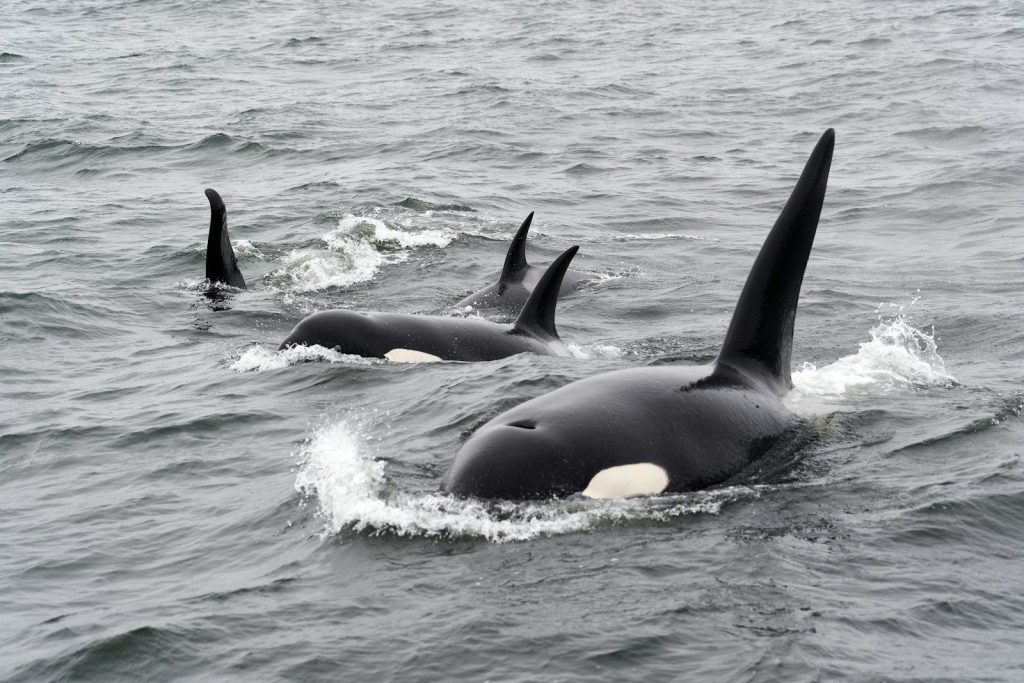
Often called killer whales, orcas are among the most intelligent marine predators. They have been seen hunting seals, dolphins, and even whales far larger than themselves. In some cases, they kill more than they eat, leading researchers to believe some hunts may involve play, teaching, or social bonding within pods.
Domestic Cats

House cats are adorable but also highly efficient hunters. Even well fed cats often hunt birds, insects, and small mammals without eating them. This behavior is believed to be instinctive practice rather than hunger driven hunting.
Lions
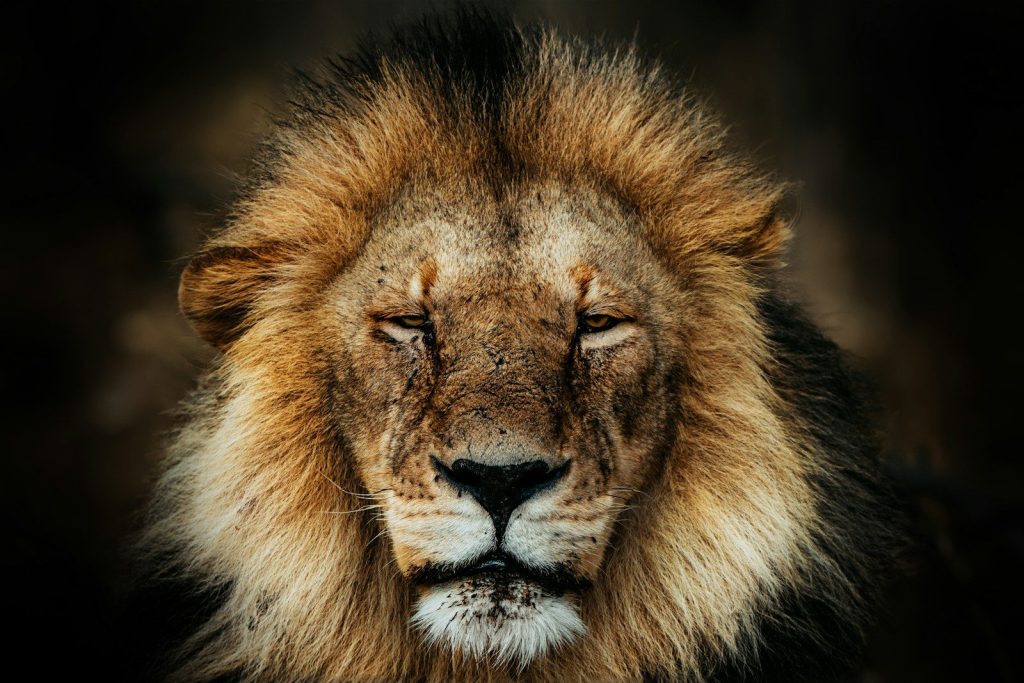
Lions may kill more prey than they can immediately consume during large hunts, especially when taking down herds. While most of the excess is due to group hunting chaos, some observations suggest opportunistic killing when prey is vulnerable.
Wolves
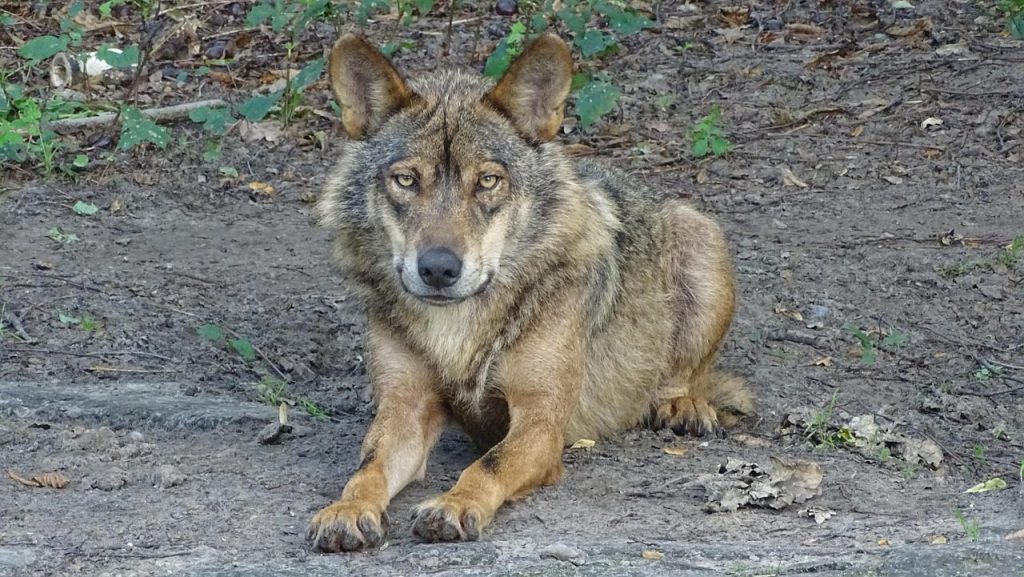
Wolves typically hunt for survival but in rare cases they may kill multiple animals in a single encounter, especially in enclosed environments like livestock areas. This is often linked to instinctive pack behavior rather than malice.
Dolphins
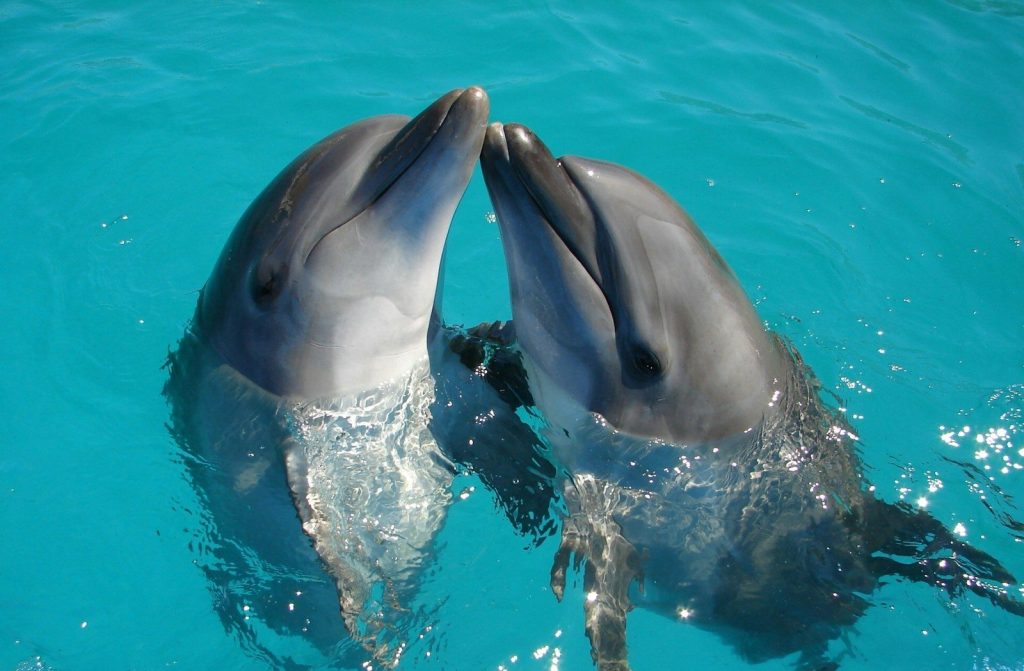
Dolphins are highly intelligent and social but they have been observed killing porpoises and smaller animals without eating them. Some researchers suggest this behavior may be linked to dominance, stress, or social interaction.
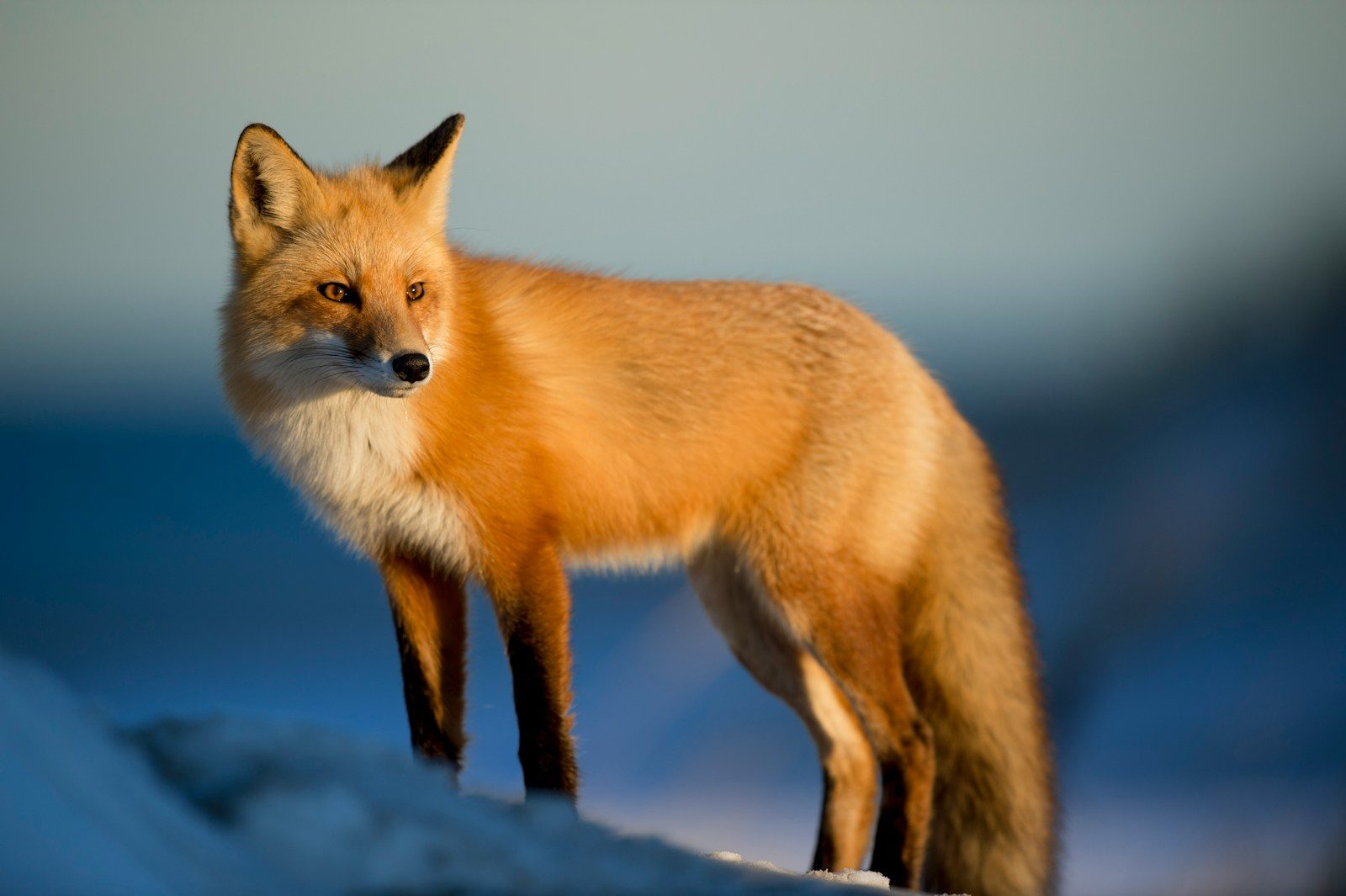
Foxes
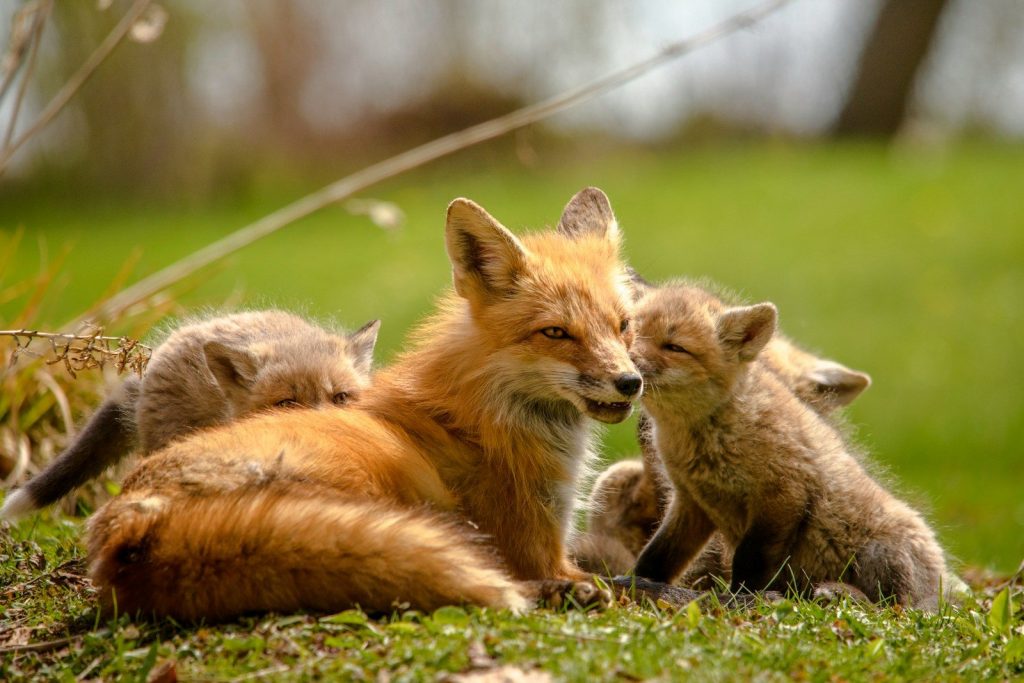
Foxes are opportunistic hunters and sometimes kill more prey than they can consume when food is abundant or prey is easily accessible such as in chicken coops or nesting colonies.
Sharks
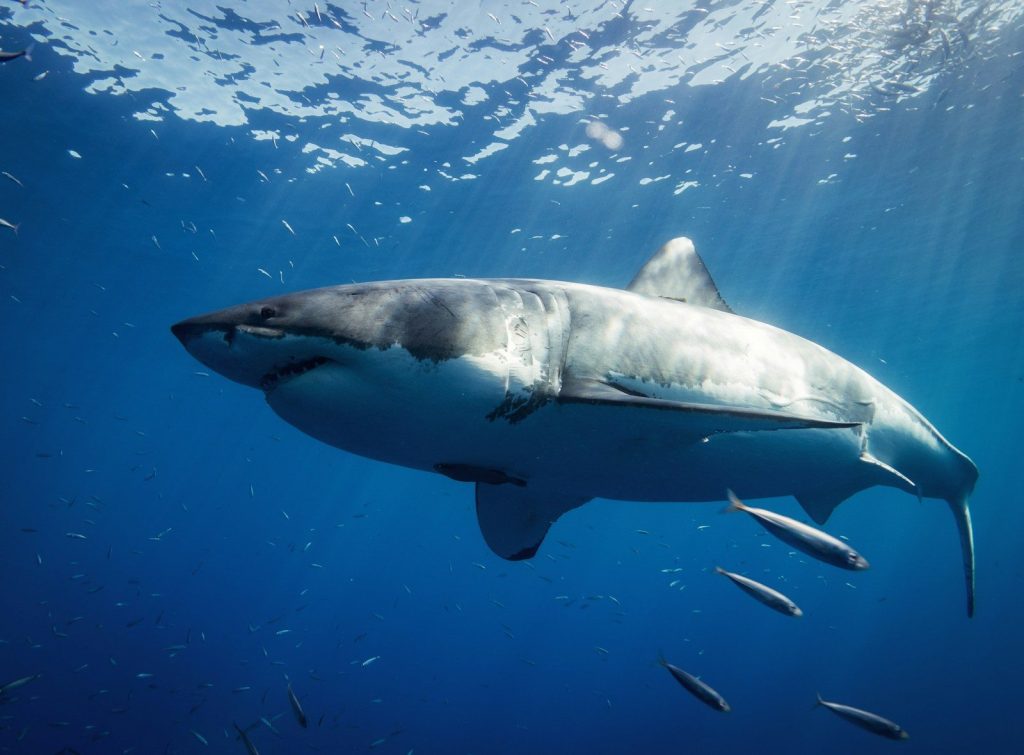
Certain shark species may bite or kill prey without feeding on it, especially during competitive feeding situations. In some cases they abandon prey after the initial strike, possibly due to misidentification or environmental factors.