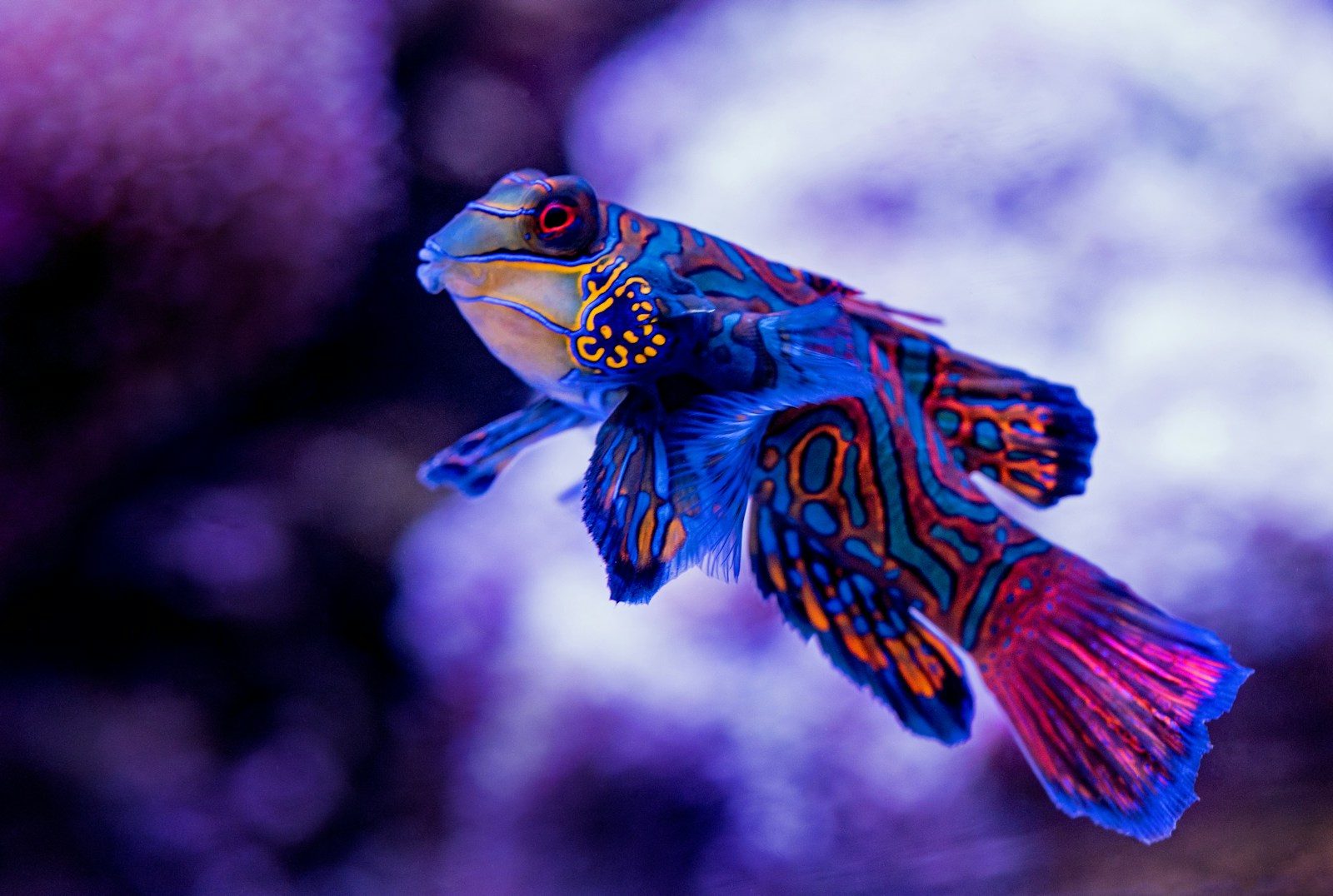
Nature is full of surprises, and some animals behave in ways that seem almost impossible. From creatures that can survive extreme conditions to animals with unbelievable abilities, wildlife continues to amaze scientists and animal lovers alike.
Here are some fascinating wildlife facts that many people don’t know.
Octopuses Have Three Hearts
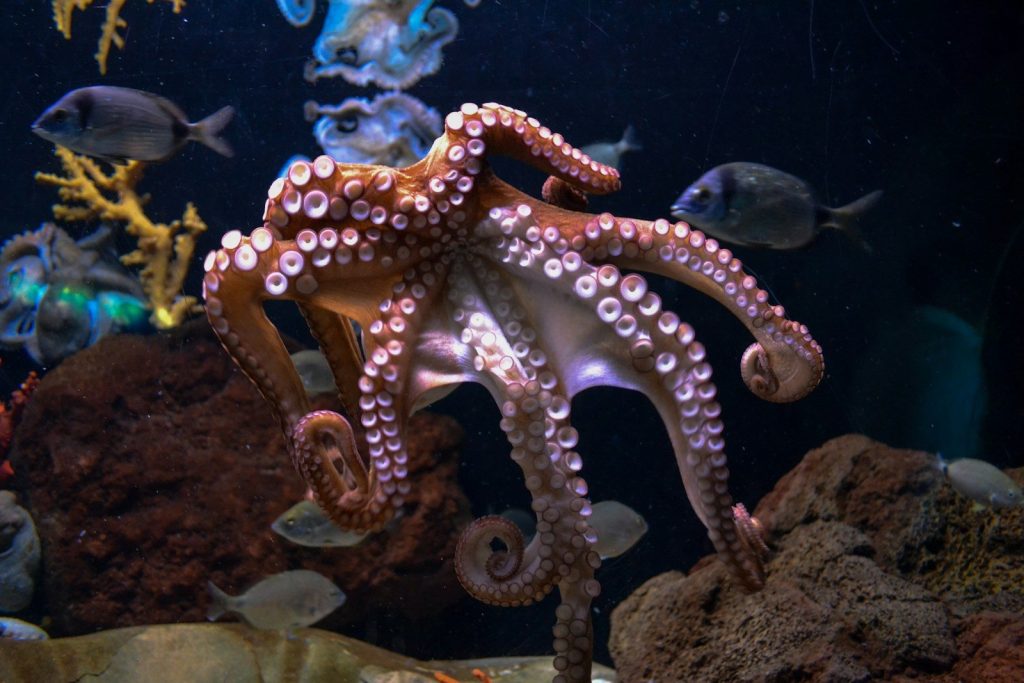
Octopuses are among the most unusual creatures in the ocean. They have three hearts, with two pumping blood to the gills while the third circulates blood through the rest of the body.
Even stranger, their blood is blue because it contains copper-based hemocyanin instead of iron.
Sloths Can Hold Their Breath Longer Than Dolphins
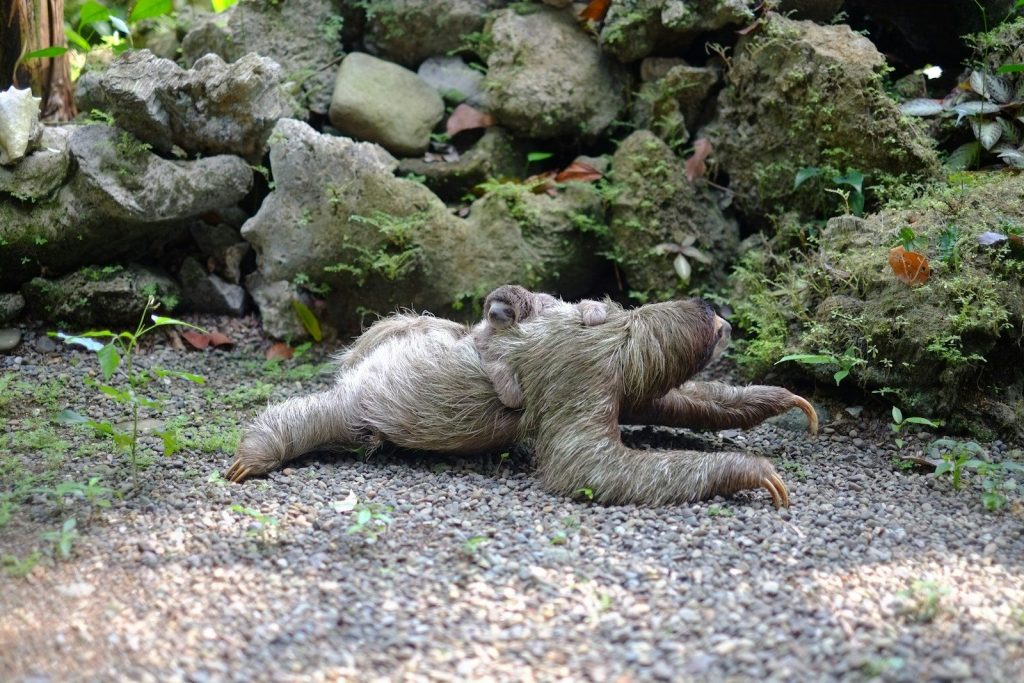
Sloths may move slowly, but they have an incredible survival ability. These tree-dwelling mammals can slow their heart rates enough to hold their breath for up to 40 minutes underwater.
That is actually longer than many dolphin species can manage.
Elephants Can Recognize Themselves in Mirrors
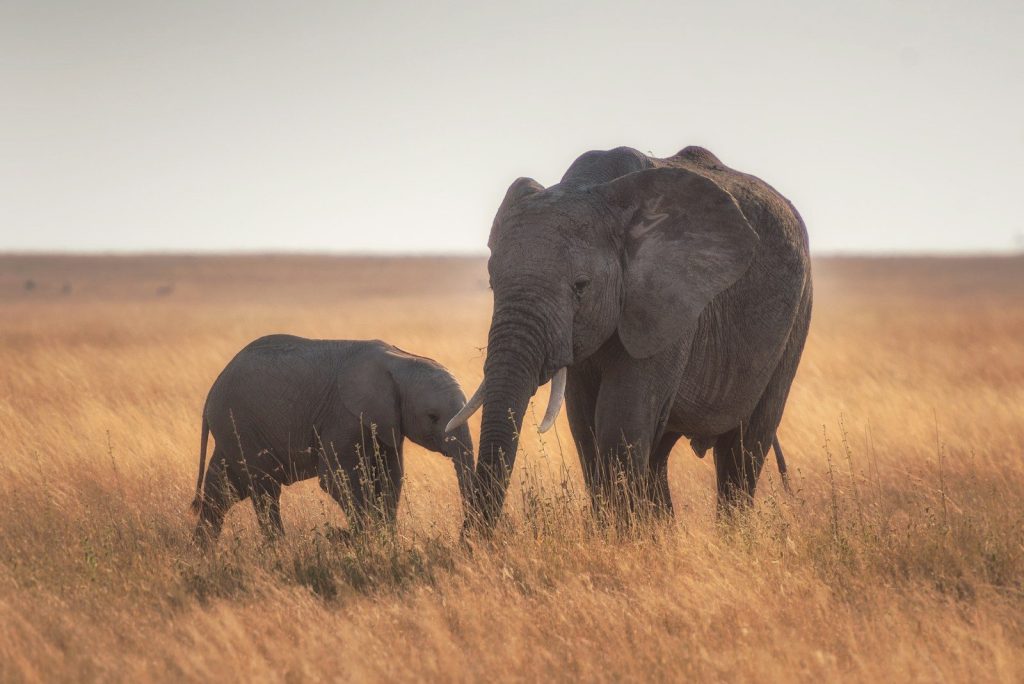
Very few animals show signs of self-awareness, but elephants are one of them. Scientists discovered that elephants can recognize their own reflections, which is considered a sign of advanced intelligence.
They also display empathy, grief, and strong social bonds within their herds.
Some Frogs Freeze During Winter
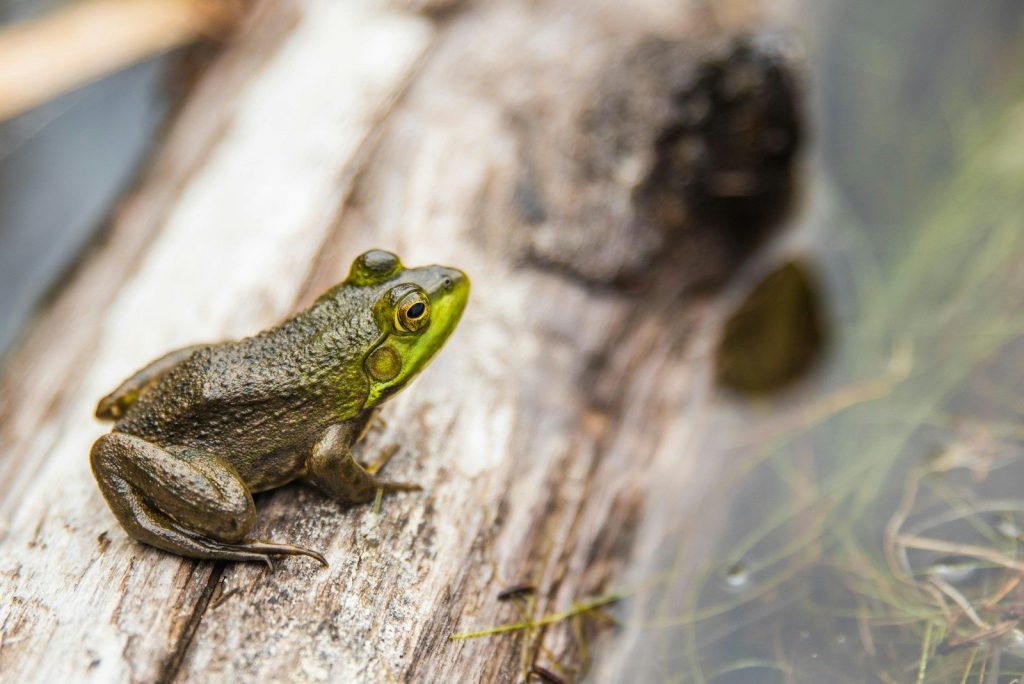
Certain frog species survive freezing temperatures in an unbelievable way. During winter, parts of their bodies can actually freeze solid while their hearts temporarily stop beating.
When temperatures rise again, they thaw out and continue living normally.
Sharks Existed Before Trees
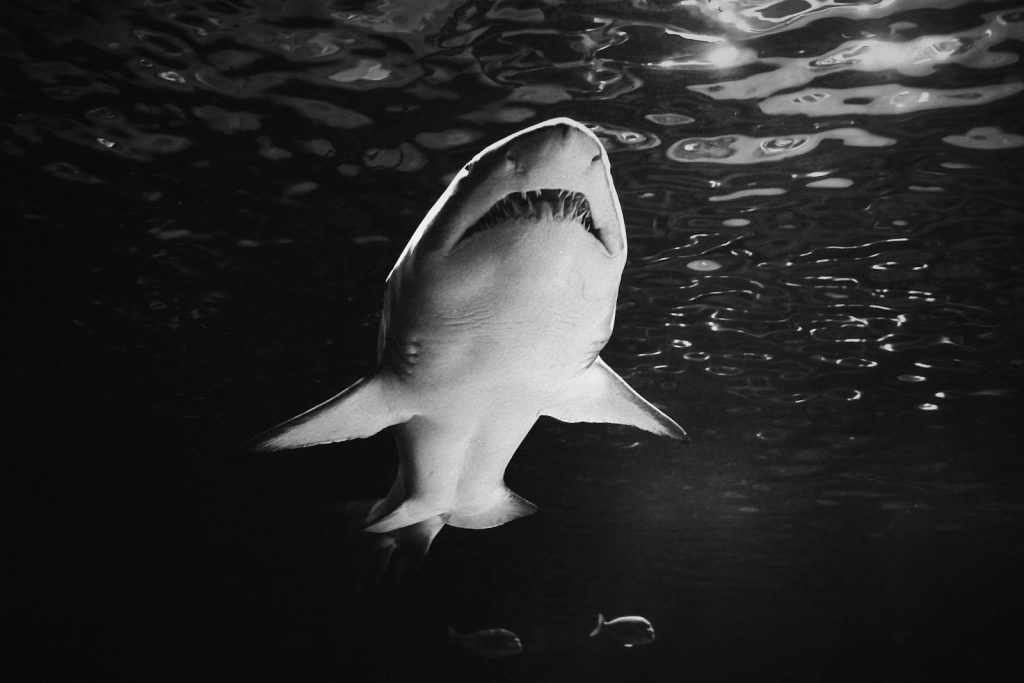
Sharks are far older than most people realize. These ancient predators existed more than 400 million years ago, which means sharks were swimming in Earth’s oceans before trees even appeared on land.
They have survived multiple mass extinction events throughout history.
Crows Can Remember Human Faces
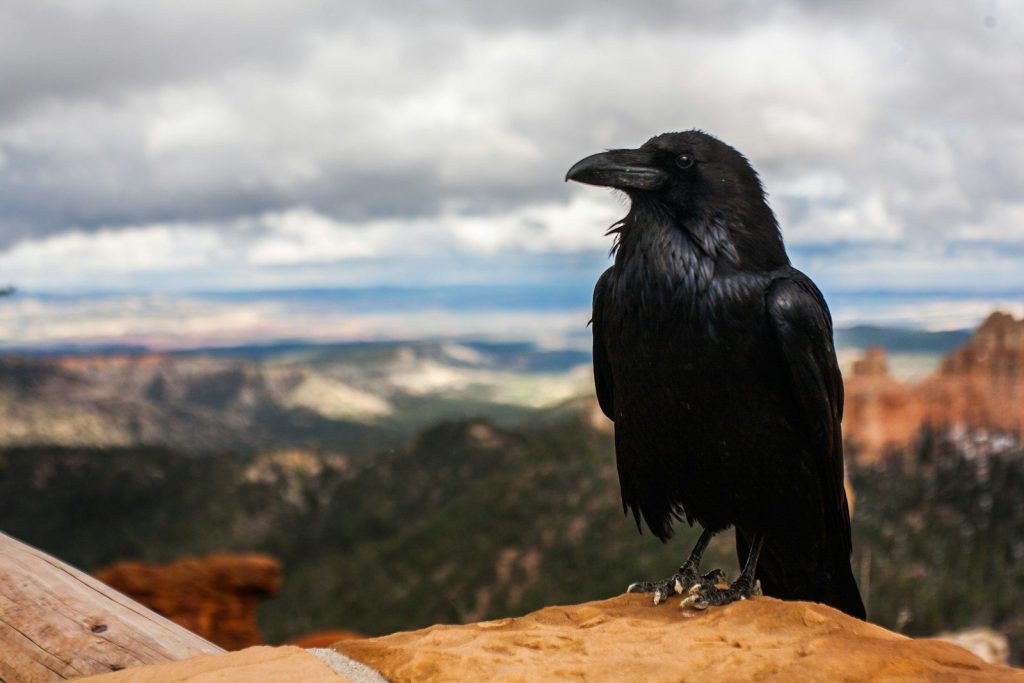
Crows are incredibly intelligent birds with strong memories. Studies have shown they can recognize and remember specific human faces for years.
They can even warn other crows about people they see as dangerous.
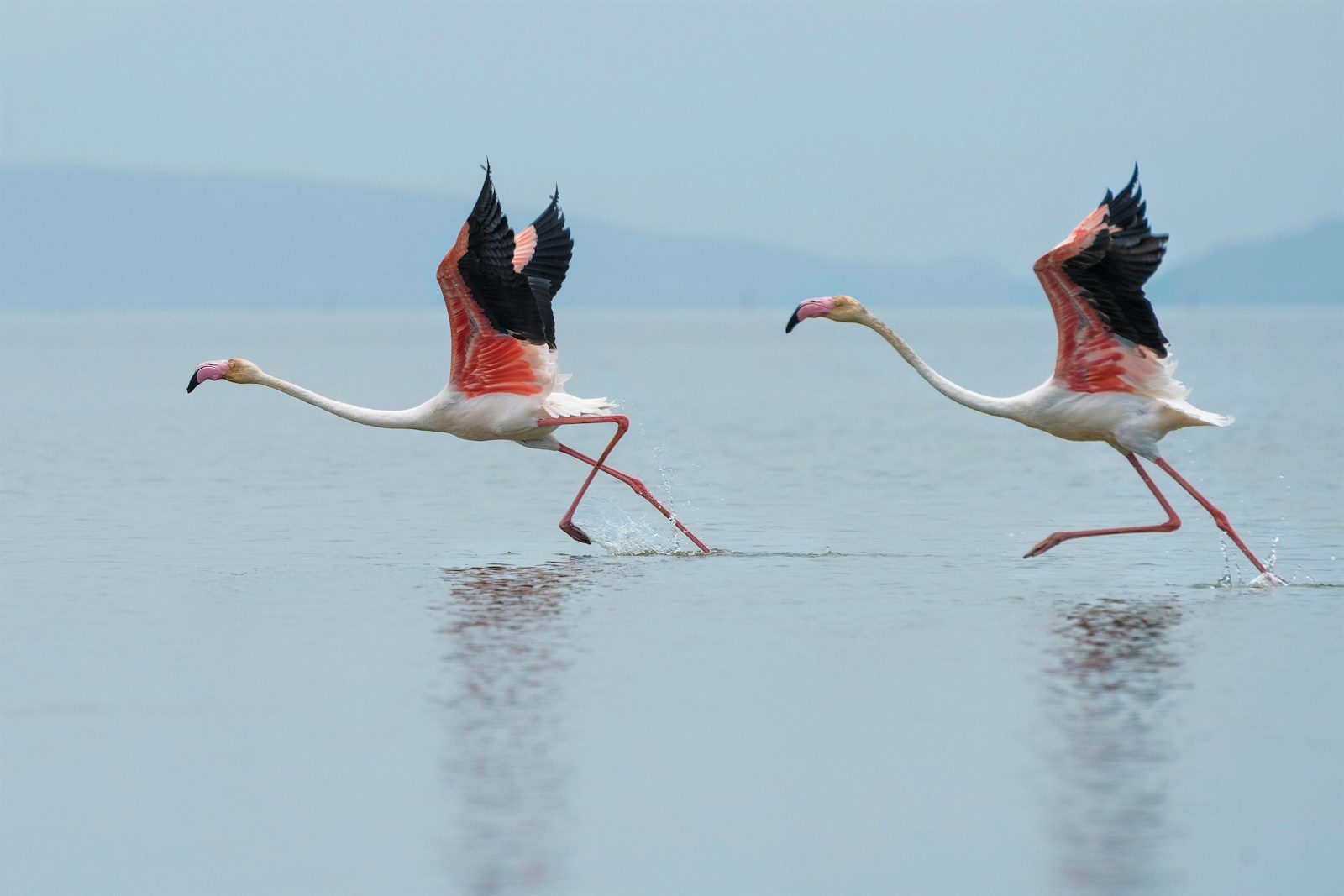
A Group of Flamingos Is Called a Flamboyance
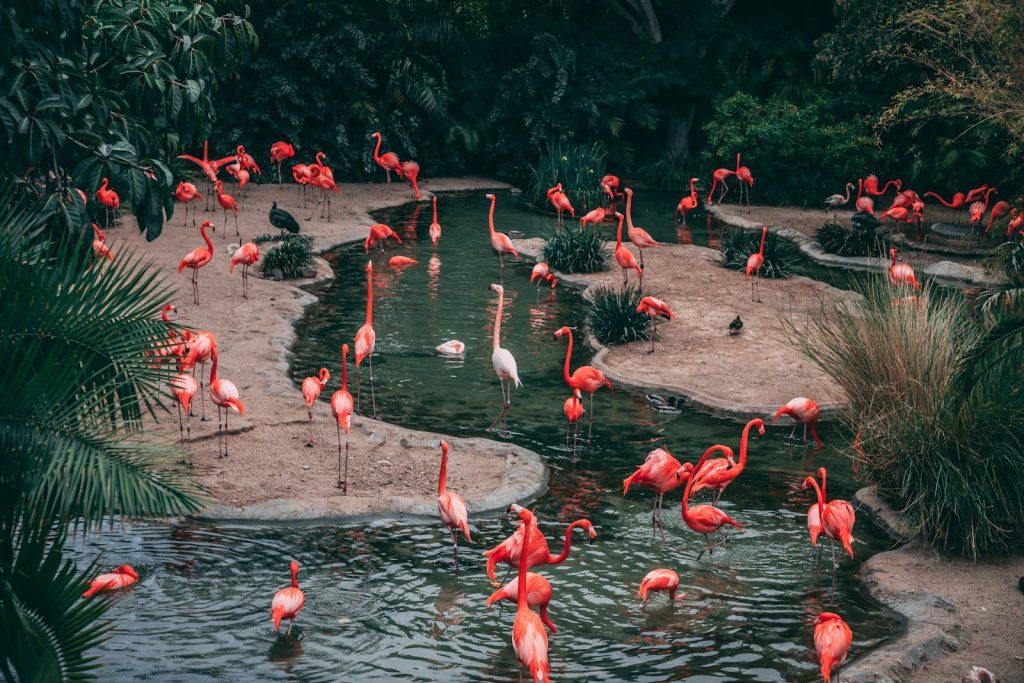
Flamingos are famous for their bright pink feathers and large social groups. One of the most interesting facts about them is their collective name.
A gathering of flamingos is officially called a “flamboyance,” which perfectly matches their colorful appearance.
Some Turtles Can Breathe Through Their Rear Ends
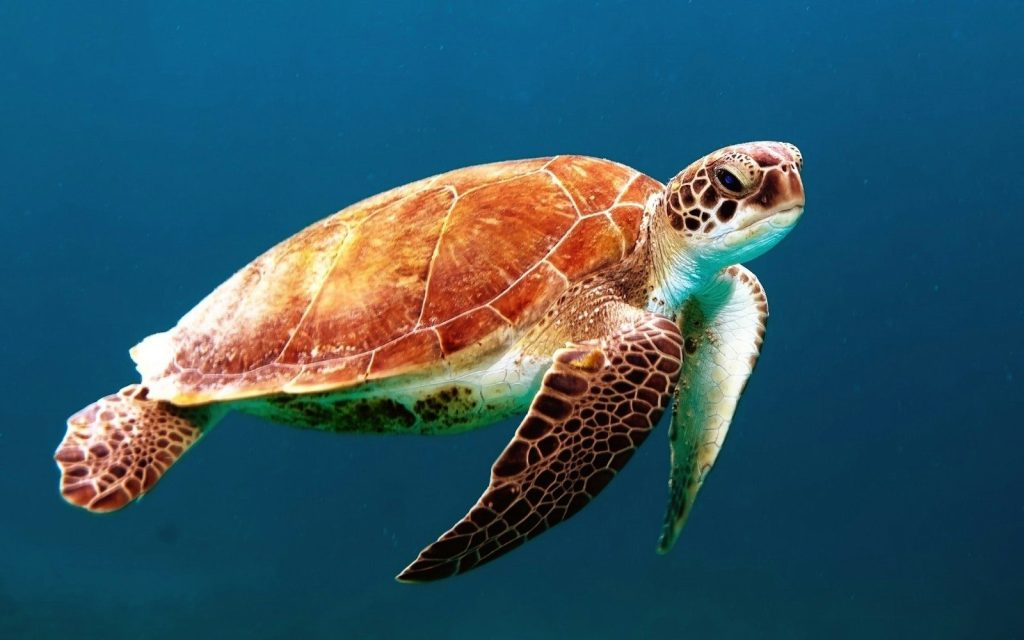
It sounds unbelievable, but certain turtle species can absorb oxygen through specialized areas near their tails. This helps them survive underwater for long periods, especially during winter.
Scientists refer to this unusual process as cloacal respiration.
Dolphins Use Unique Signature Whistles
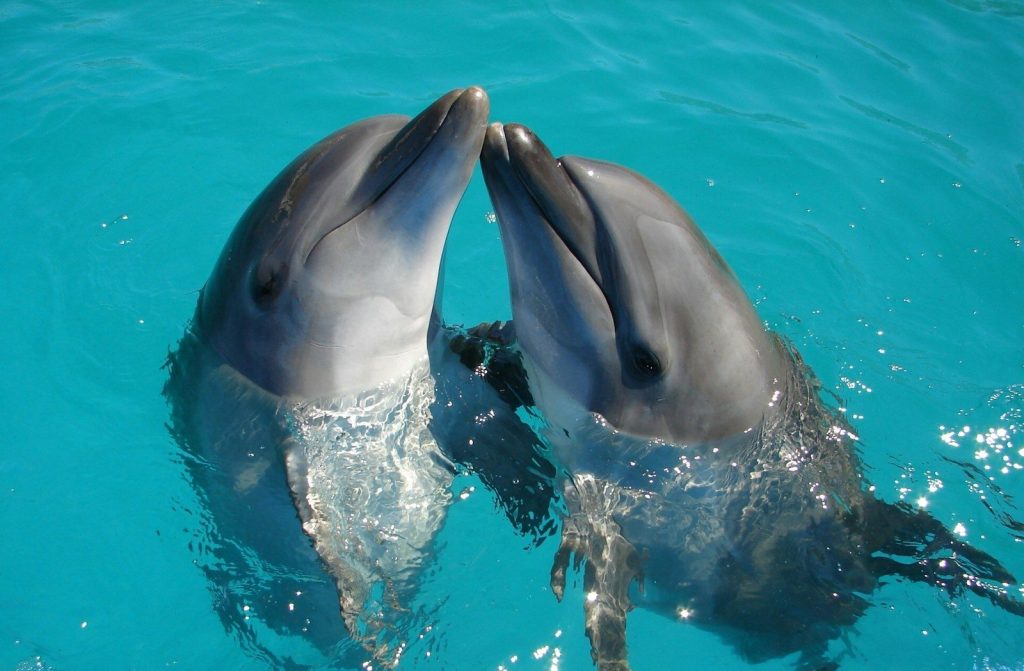
Dolphins communicate using specific sounds that work almost like names. Each dolphin develops a unique whistle that helps identify itself to others in the group.
Researchers believe dolphins can recognize and respond to these signature calls even after years apart.
Nature Still Holds Endless Surprises

Wildlife continues to reveal behaviors and abilities that challenge what humans think animals are capable of doing. Every new discovery reminds us how complex and fascinating the natural world truly is.
Scientists believe there are still countless animal secrets waiting to be uncovered.