Throughout history, European settlers introduced familiar animals into foreign lands to make new environments feel more like home. What seemed harmless at the time eventually created some of the world’s most destructive invasive species problems.
In many cases, these introduced animals spread rapidly, damaged ecosystems, and caused lasting environmental harm that scientists are still trying to manage today.
Why Settlers Released Foreign Animals
Early settlers often missed the wildlife they grew up around in Europe. To recreate familiar landscapes, some intentionally released animals for hunting, farming, companionship, or simple nostalgia.
At the time, few people understood how dangerous invasive species could become in completely different ecosystems.
Rabbits Became a Disaster in Australia
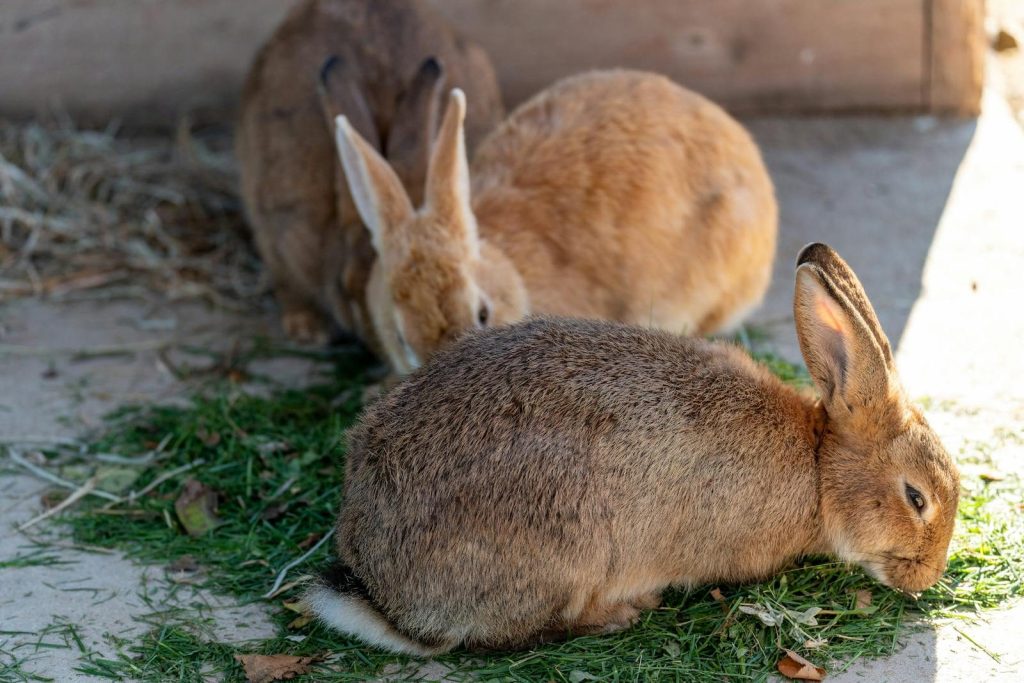
One of the most famous examples involved European rabbits introduced into Australia during the 1800s. A small number quickly multiplied into millions because the environment lacked enough natural predators.
The exploding rabbit population destroyed vegetation, damaged farmland, and contributed to soil erosion across massive areas.
Feral Pigs Spread Across Multiple Continents
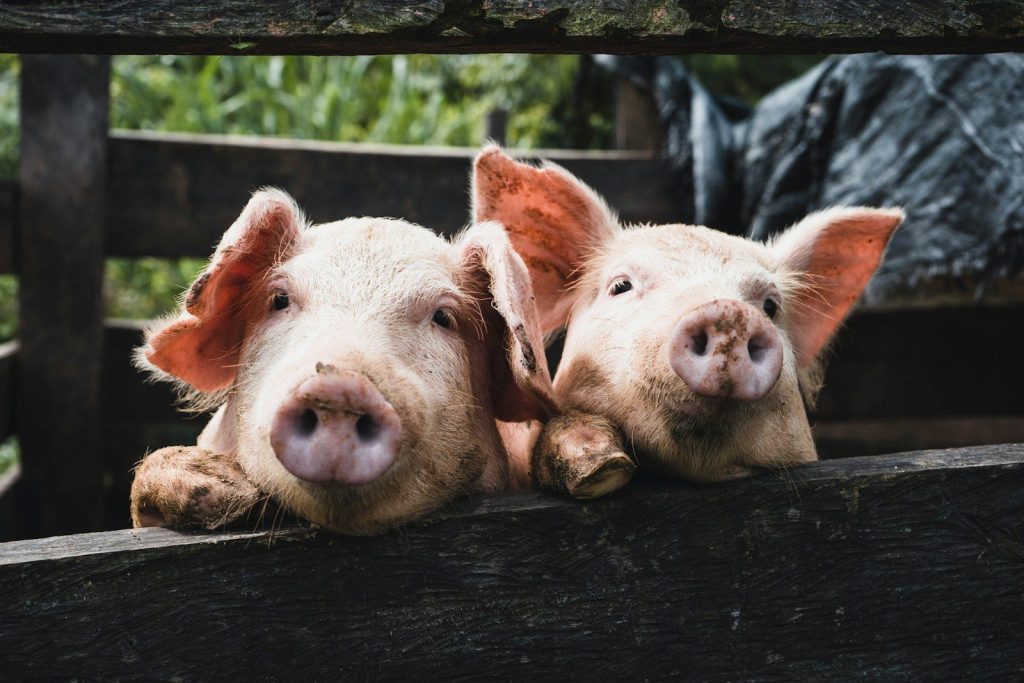
European settlers also introduced pigs into many regions as a food source. Over time, escaped animals formed wild populations that spread aggressively through forests and wetlands.
Feral pigs are now known for damaging crops, destroying habitats, and attacking native wildlife in several countries.
European Starlings Took Over North America
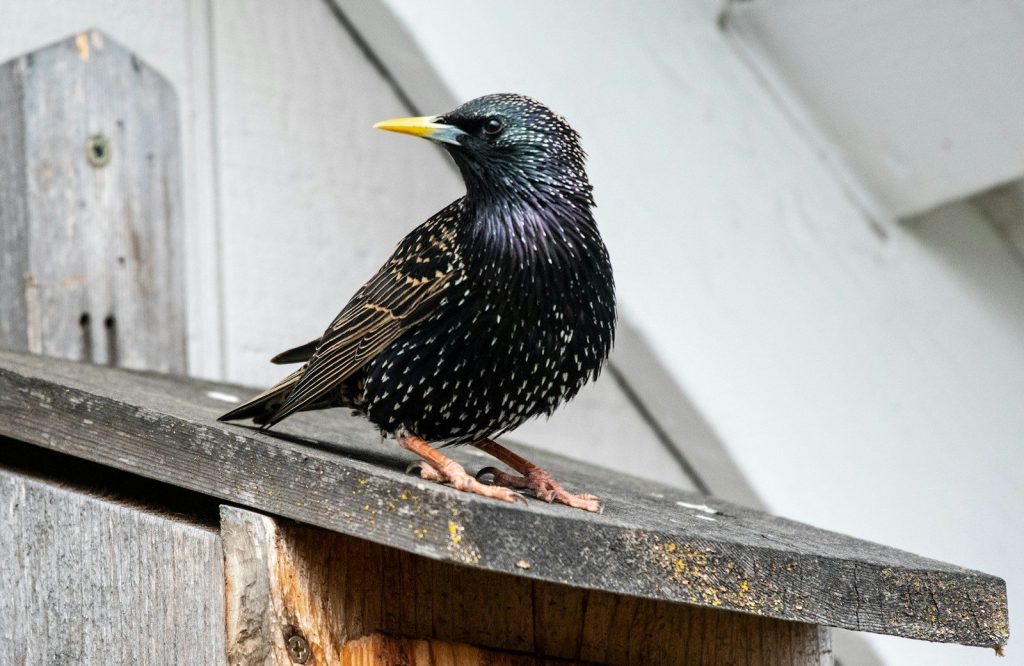
European starlings were intentionally released in North America by people who wanted familiar European birds in American cities and parks. The birds adapted extremely well and spread rapidly across the continent.
Today, they compete with native bird species for nesting sites and food resources.
Red Foxes Threatened Native Wildlife
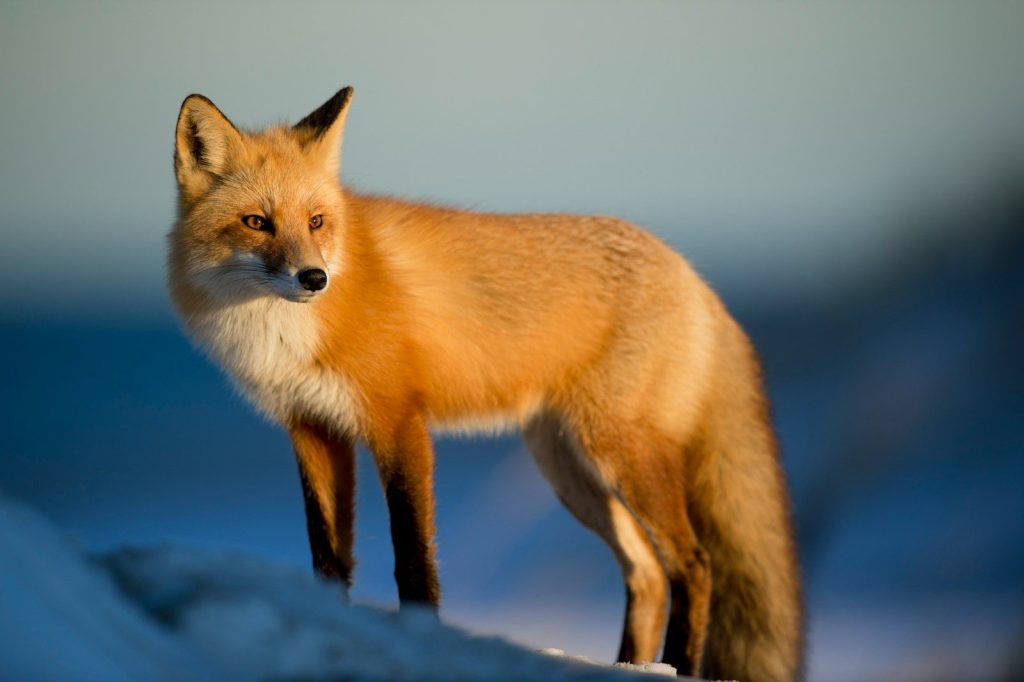
Red foxes were introduced into places like Australia mainly for recreational hunting. Once established, they became major predators of small native mammals, reptiles, and birds.
Conservationists say foxes have played a role in the decline and extinction of several vulnerable species.
Invasive Species Often Spread Faster Than Expected
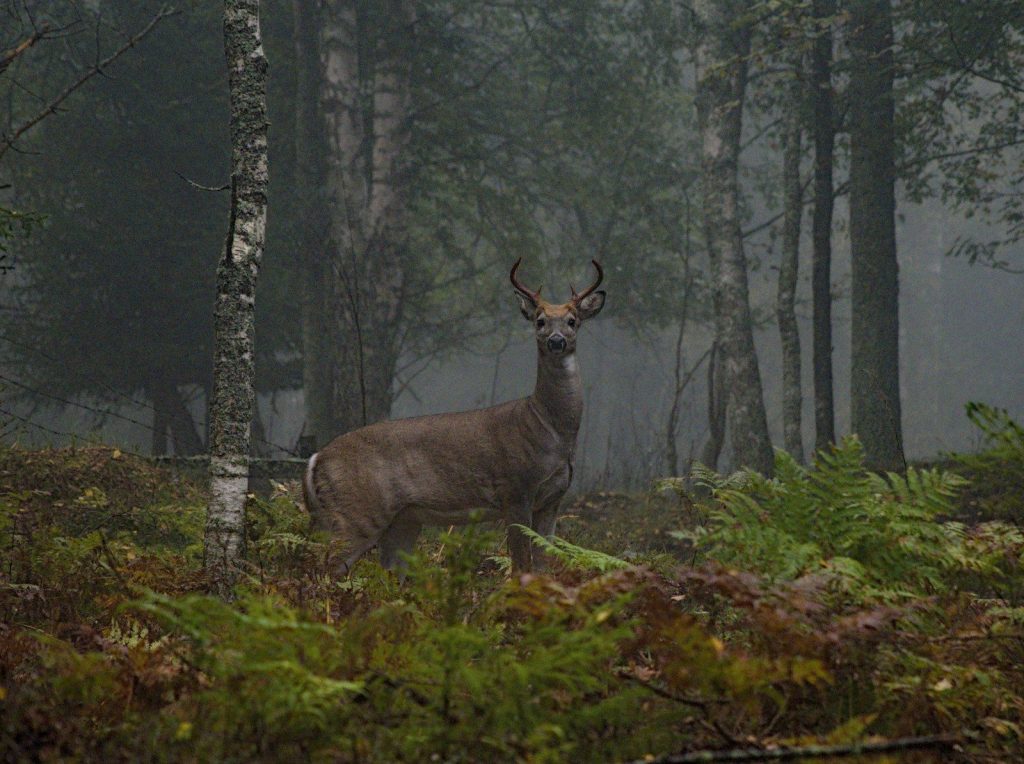
Many introduced animals thrived because native ecosystems had no defenses against them. Without enough predators or competition, invasive species often reproduced quickly and spread uncontrollably.
This imbalance can permanently alter food chains and local biodiversity.
Scientists Still Struggle To Reverse the Damage

Once invasive populations become established, removing them is extremely difficult and expensive. Some species now occupy such large areas that complete eradication is nearly impossible.
Conservation programs instead focus on controlling populations and protecting endangered native species from further decline.
A Reminder of How Human Decisions Shape Nature
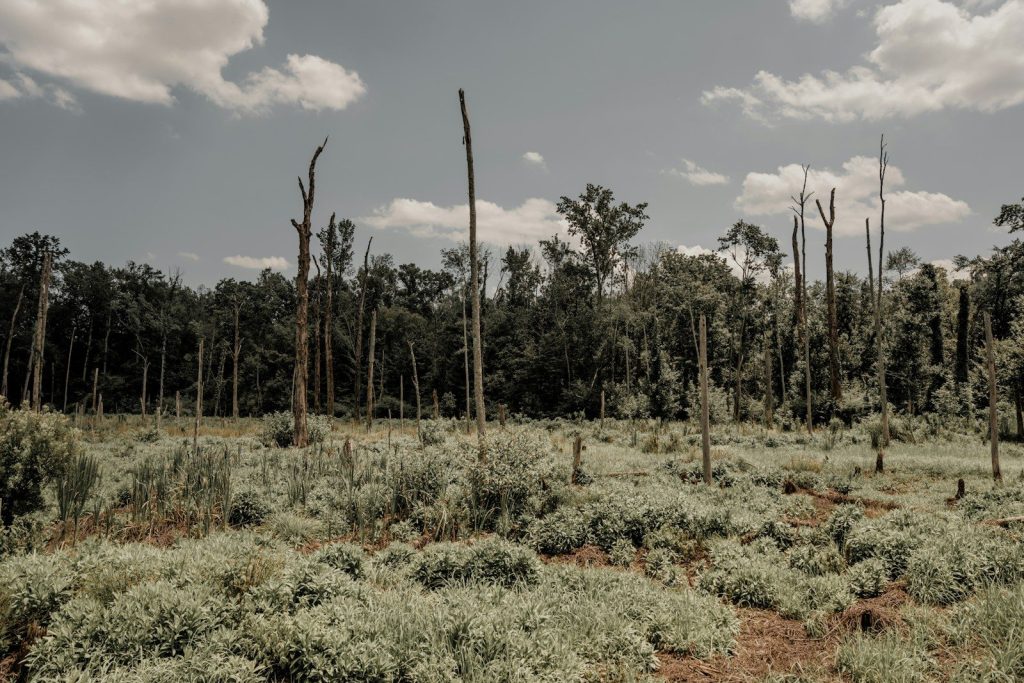
The release of invasive animals shows how even small human choices can reshape ecosystems for generations. Actions originally driven by comfort and familiarity eventually created global environmental challenges.
Experts say these historical examples highlight the importance of carefully managing wildlife introductions today.