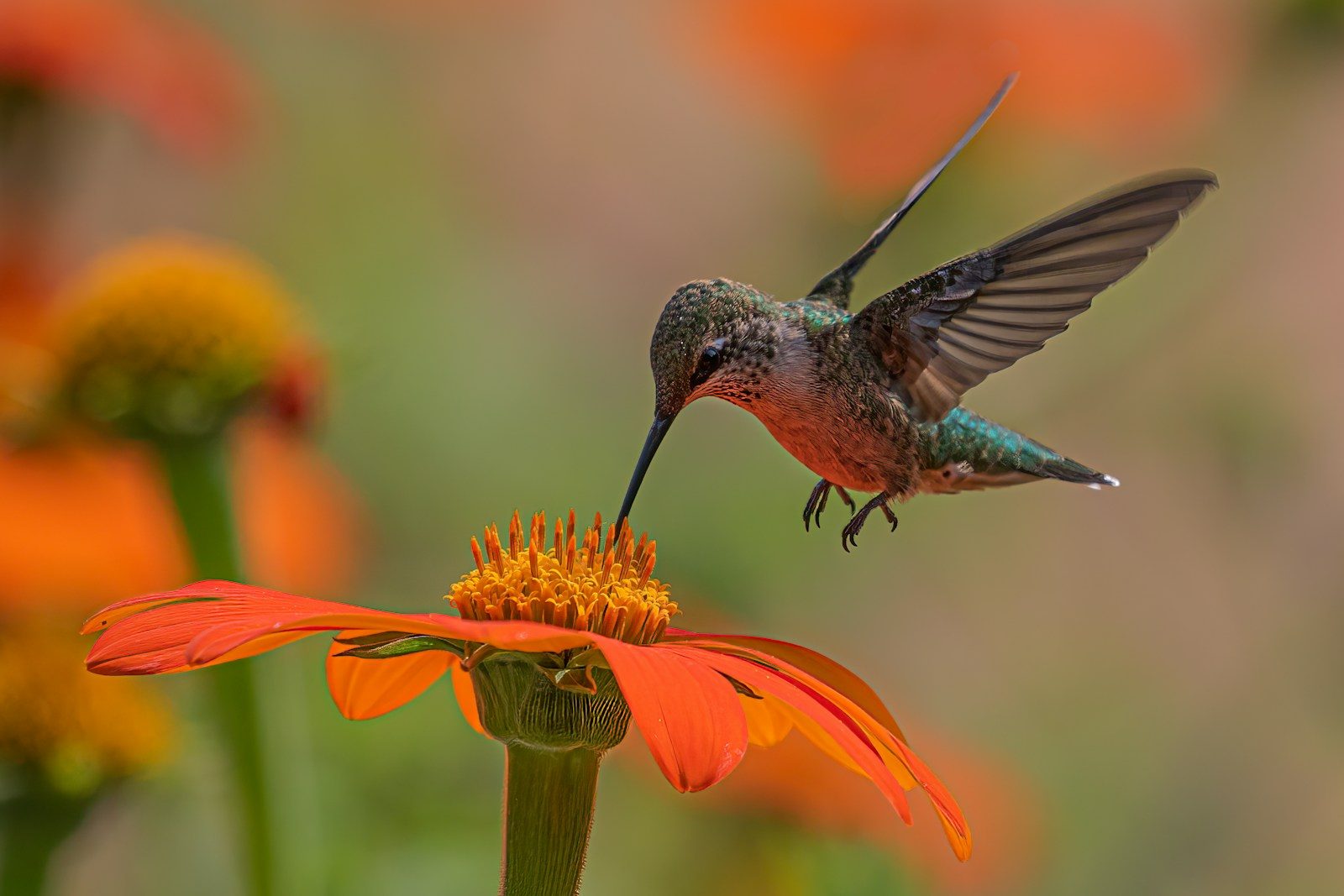
Hummingbirds are among nature’s most fascinating aerial acrobats, capable of hovering effortlessly in midair while sipping nectar from flowers. Their unique flying ability isn’t just beautiful to watch—it plays a vital role in their survival and has evolved over millions of years.
Unlike most birds, hummingbirds can remain perfectly suspended in front of a flower without needing a perch, allowing them to access nectar that many other animals cannot reach.
A Flight Skill Unlike Any Other Bird
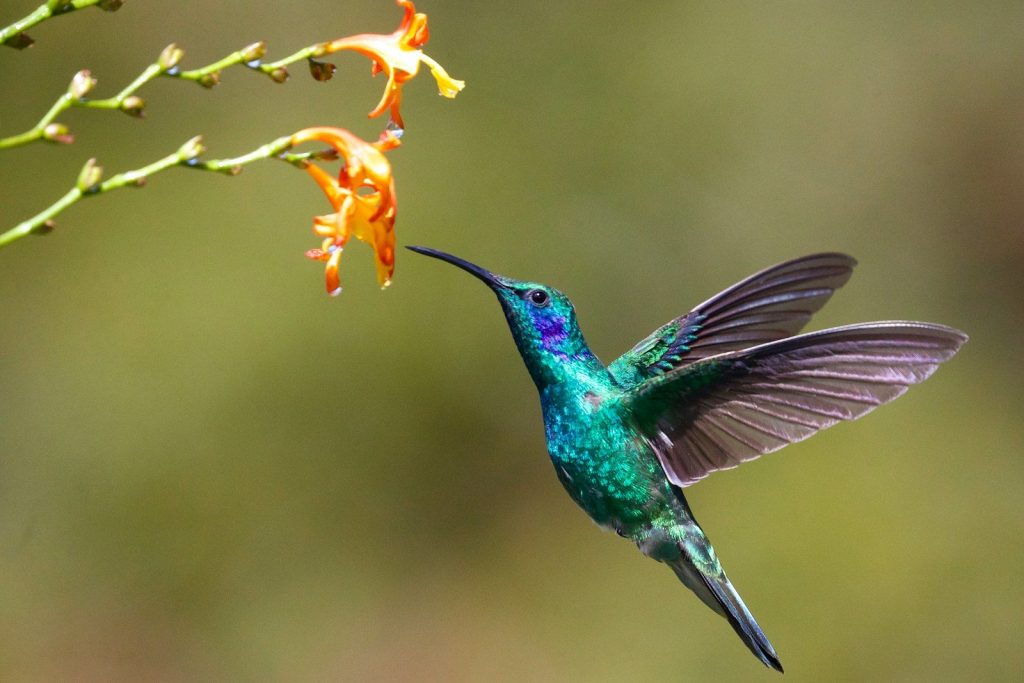
Hummingbirds are the only birds capable of sustained hovering in still air.
They achieve this by rotating their wings in a figure-eight motion, generating lift on both the downstroke and upstroke. This remarkable technique allows them to fly forward, backward, sideways, and even remain perfectly still while feeding.
Hovering Makes Feeding Easier
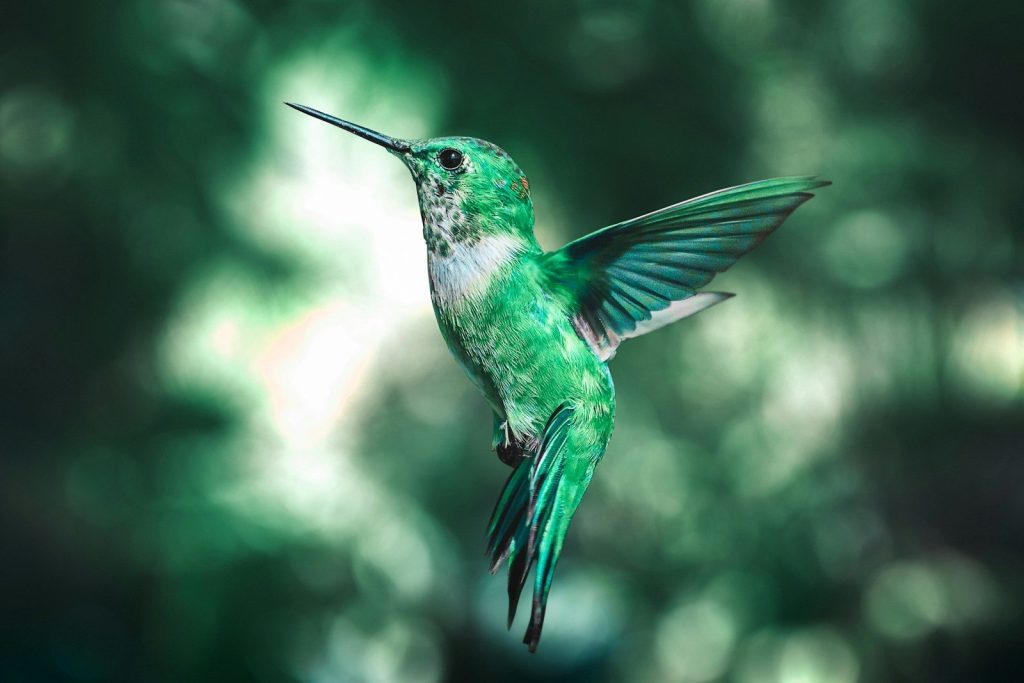
Many nectar-rich flowers have long, narrow shapes without sturdy places for birds to land.
Hovering enables hummingbirds to insert their long beaks deep into flowers while rapidly extending their specialized tongues to collect nectar, all without stopping or perching.
Tiny Birds With Massive Energy Needs
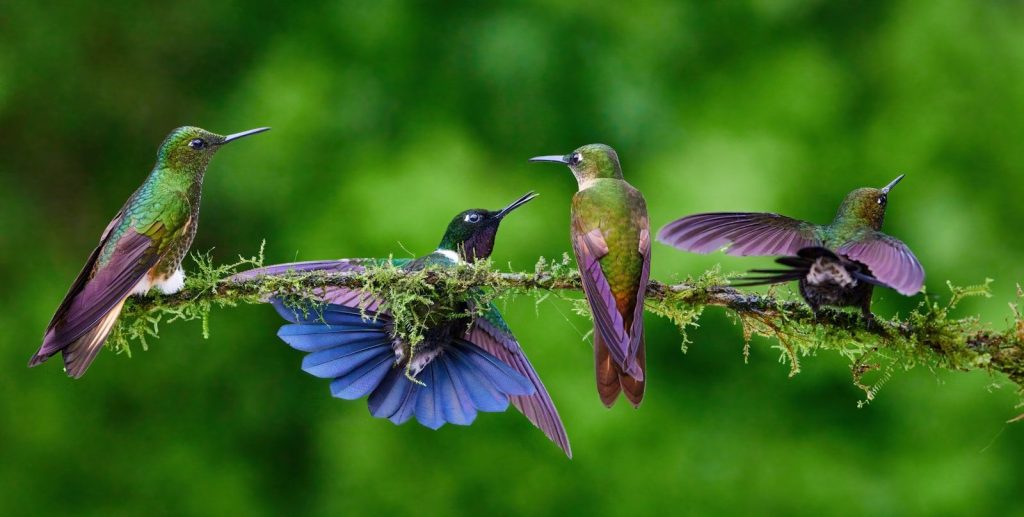
Hovering requires an enormous amount of energy, making hummingbirds some of the hardest-working animals on Earth.
To fuel their rapid wingbeats, they consume large amounts of nectar every day, supplementing their diet with insects and spiders for protein. Their exceptionally fast metabolism allows them to support this demanding lifestyle.
Built for Precision and Survival
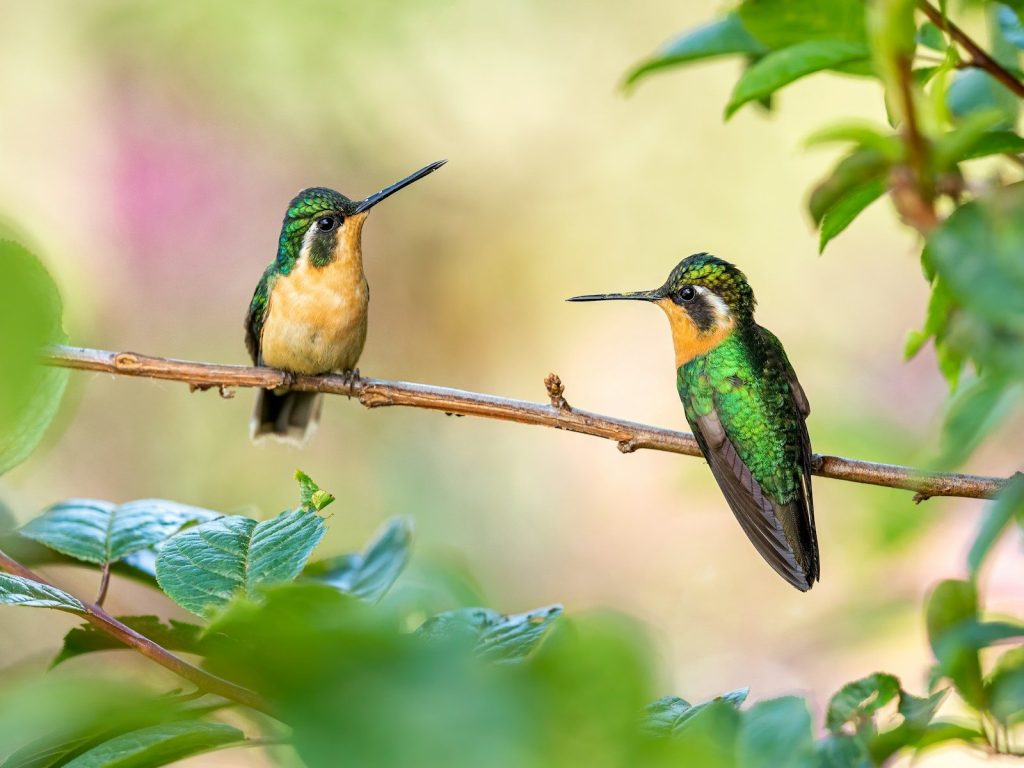
Hummingbirds can beat their wings dozens of times every second, giving them unmatched control in flight.
Their extraordinary agility not only helps them feed efficiently but also enables them to avoid predators, compete for food, and pollinate countless flowering plants as they move from bloom to bloom.
Nature’s Hovering Experts Continue to Inspire Science

Scientists continue studying hummingbirds to better understand their unique flight mechanics, which have inspired advances in robotics and drone technology.
Their ability to hover with remarkable stability remains one of the most extraordinary adaptations in the animal kingdom and continues to reveal new insights into flight, evolution, and engineering.