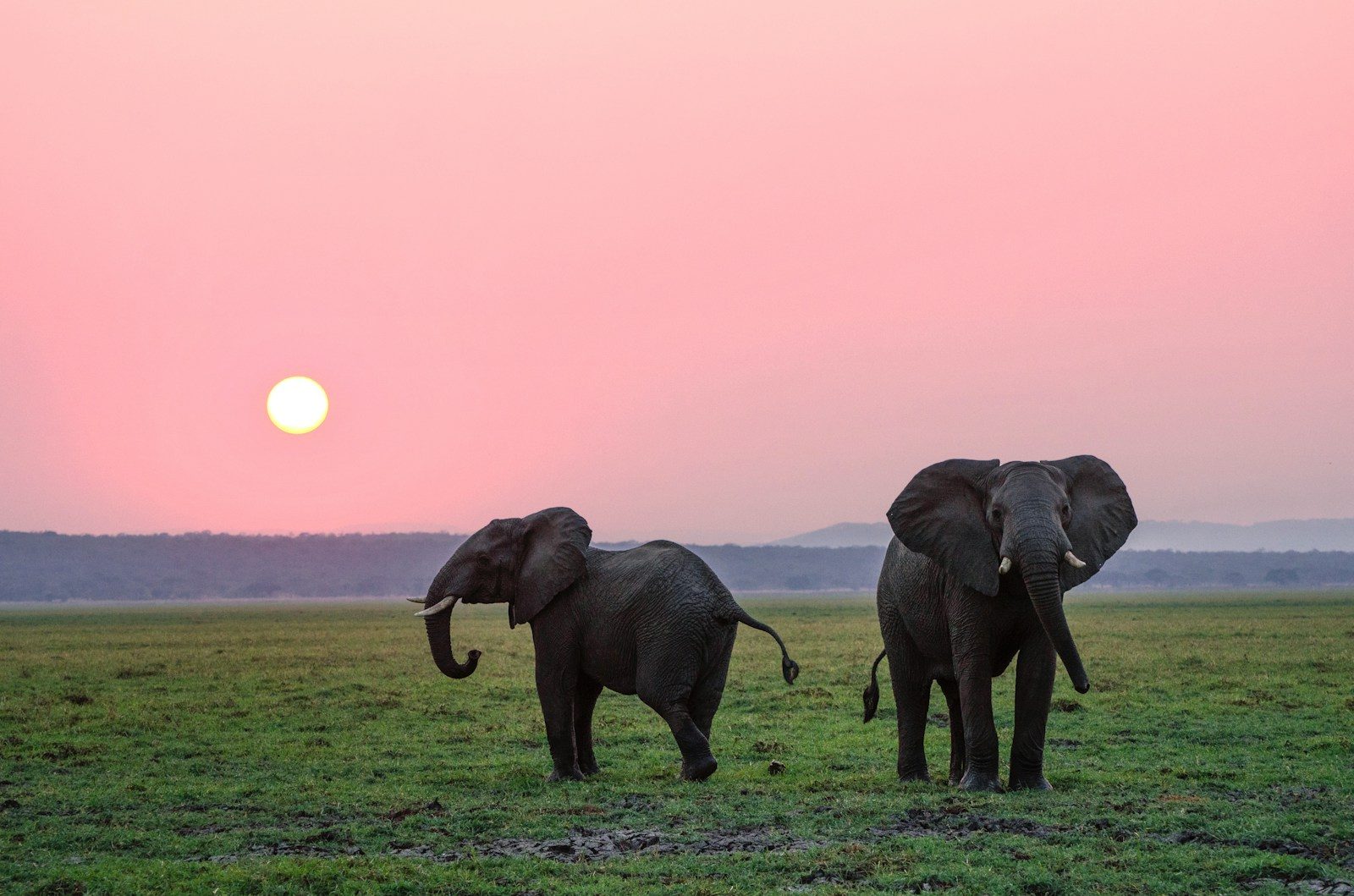
Deep within the Indonesian archipelago lies one of the strangest invisible boundaries on Earth. On one side live elephants, tigers, monkeys, and rhinos connected to Asia. On the other side, kangaroos, cockatoos, and marsupials linked to Australia dominate the landscape.
This invisible divide is known as the Wallace Line, and it has shaped animal evolution for millions of years.
The Discovery That Shocked Scientists
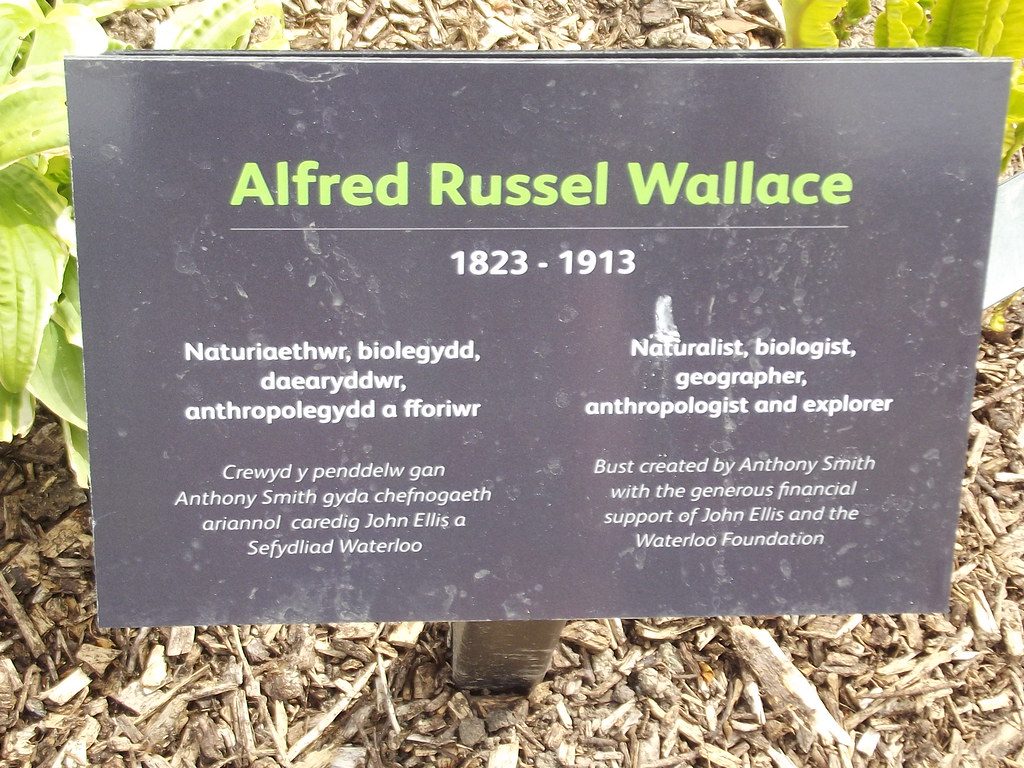
The Wallace Line was identified in the 1800s by British naturalist Alfred Russel Wallace during his travels through Southeast Asia.
He noticed that animals changed dramatically between nearby islands, even when separated by only narrow stretches of ocean.
A Tiny Stretch of Water Changes Everything
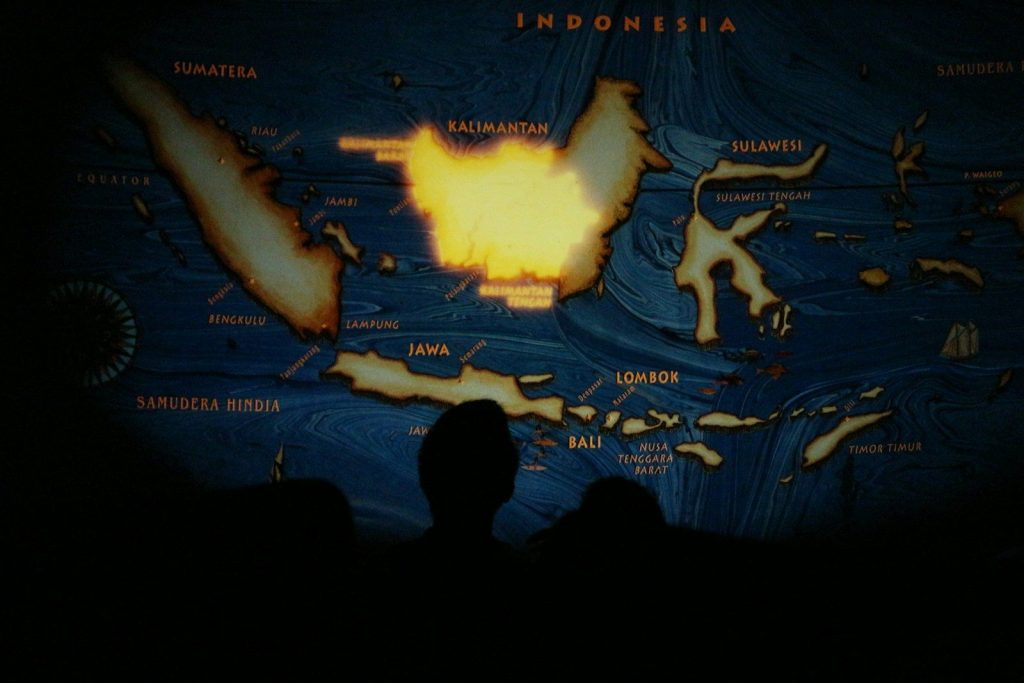
One of the most famous examples occurs between Bali and Lombok in Indonesia. The islands sit surprisingly close together, yet their wildlife is drastically different.
Asian mammals dominate Bali, while animals connected to Australia appear farther east.
Deep Ocean Channels Created the Barrier
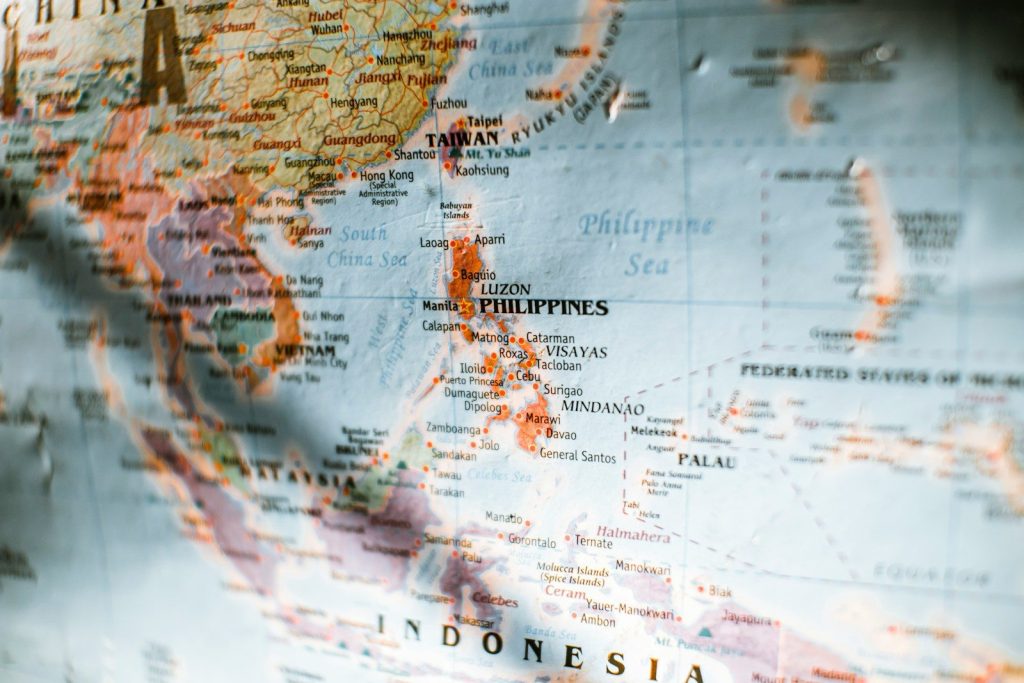
The reason behind the Wallace Line is hidden beneath the ocean surface. Deep-water channels between islands prevented animals from crossing, even during ancient ice ages when sea levels were lower.
These underwater barriers stopped land bridges from forming between Asian and Australian ecosystems.
Evolution Split Two Animal Worlds Apart
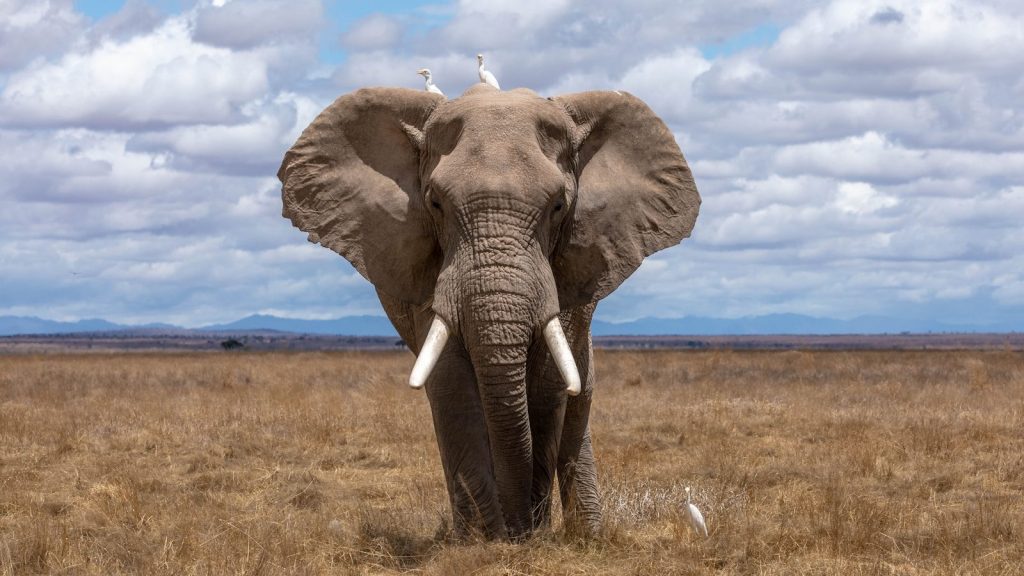
Because species remained isolated for millions of years, evolution followed completely different paths on each side of the line.
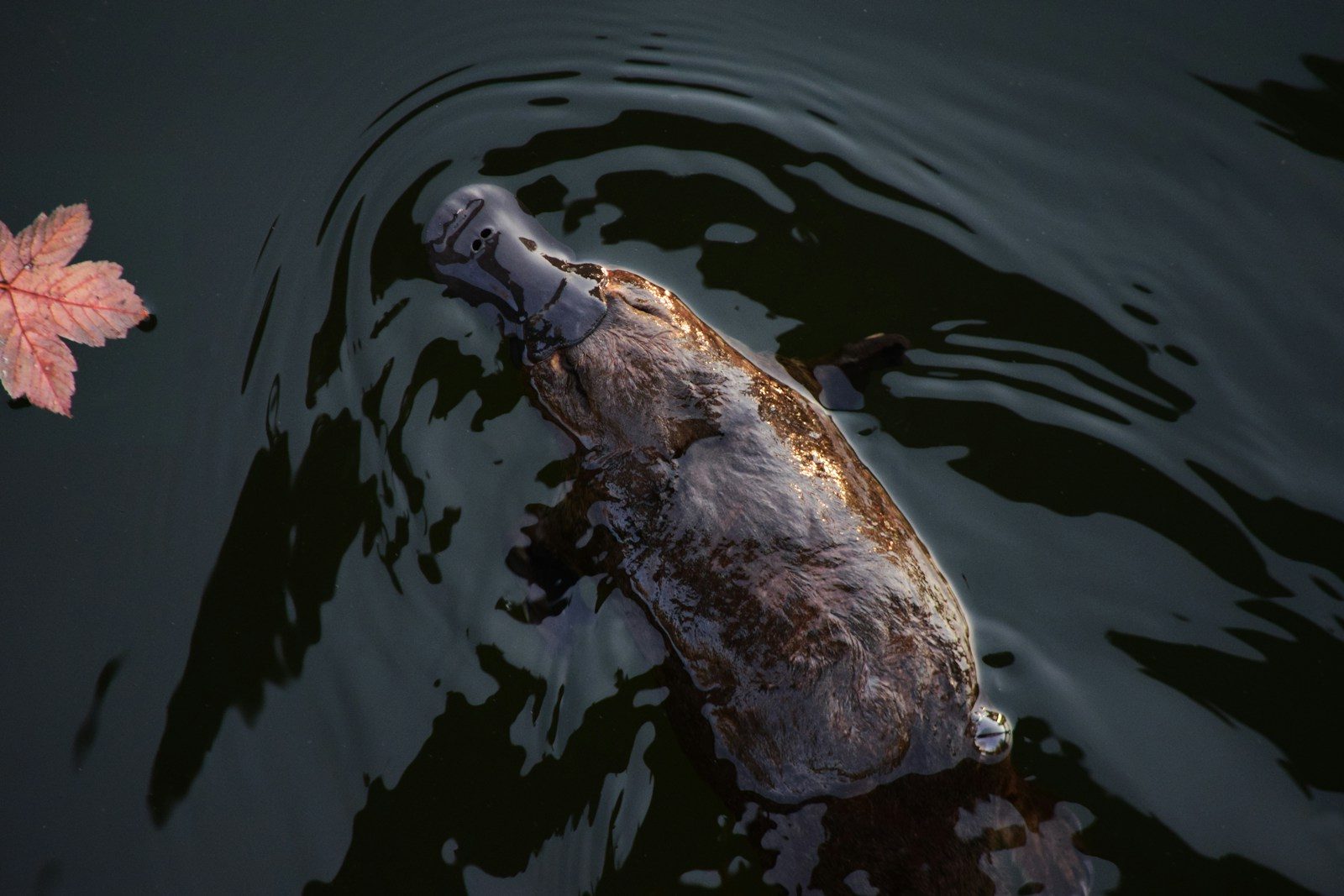
To the west, placental mammals like elephants, tigers, and apes evolved. To the east, marsupials, cockatoos, and unique reptiles became dominant.
Even Birds Often Avoid Crossing
At first, scientists assumed birds would easily cross the boundary, but many species surprisingly remain on one side.
Researchers believe different ecosystems, predators, climates, and food sources discourage many birds from permanently settling across the divide.
Wallacea: The World Between Two Continents
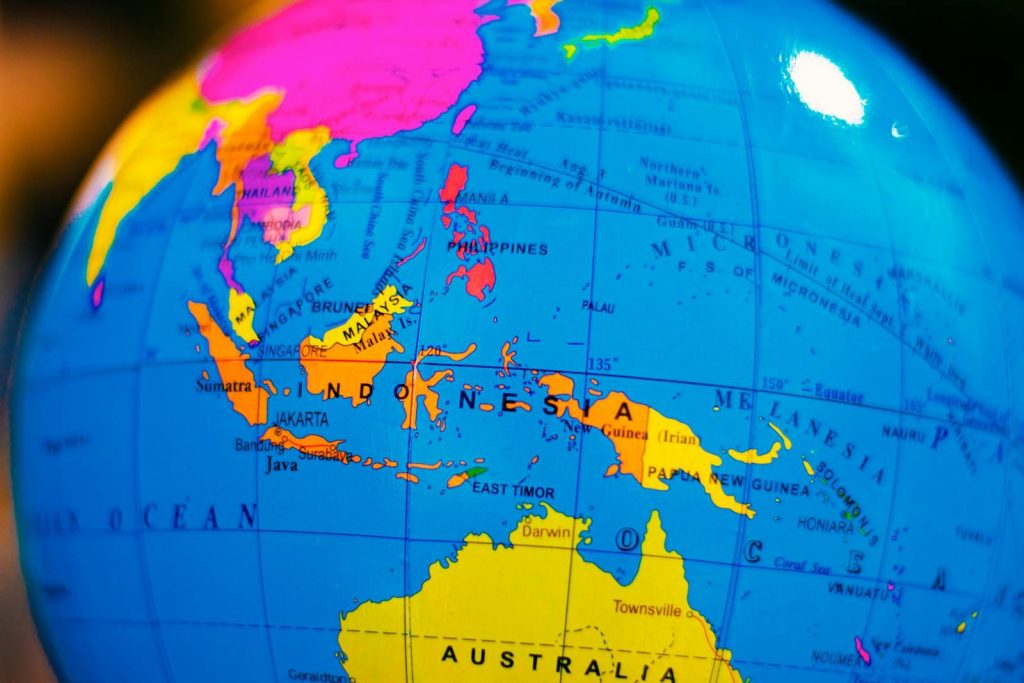
The region between Asia and Australia is now called Wallacea, a transitional zone filled with unusual species from both sides.
Animals like Komodo dragons and rare island birds evolved here under isolated conditions unlike anywhere else on Earth.
The Wallace Line Still Fascinates Scientists Today

More than 160 years after its discovery, the Wallace Line remains one of the clearest examples of how geography shapes life on Earth.
It proves that even invisible natural barriers can influence evolution, biodiversity, and the survival of entire species across generations.