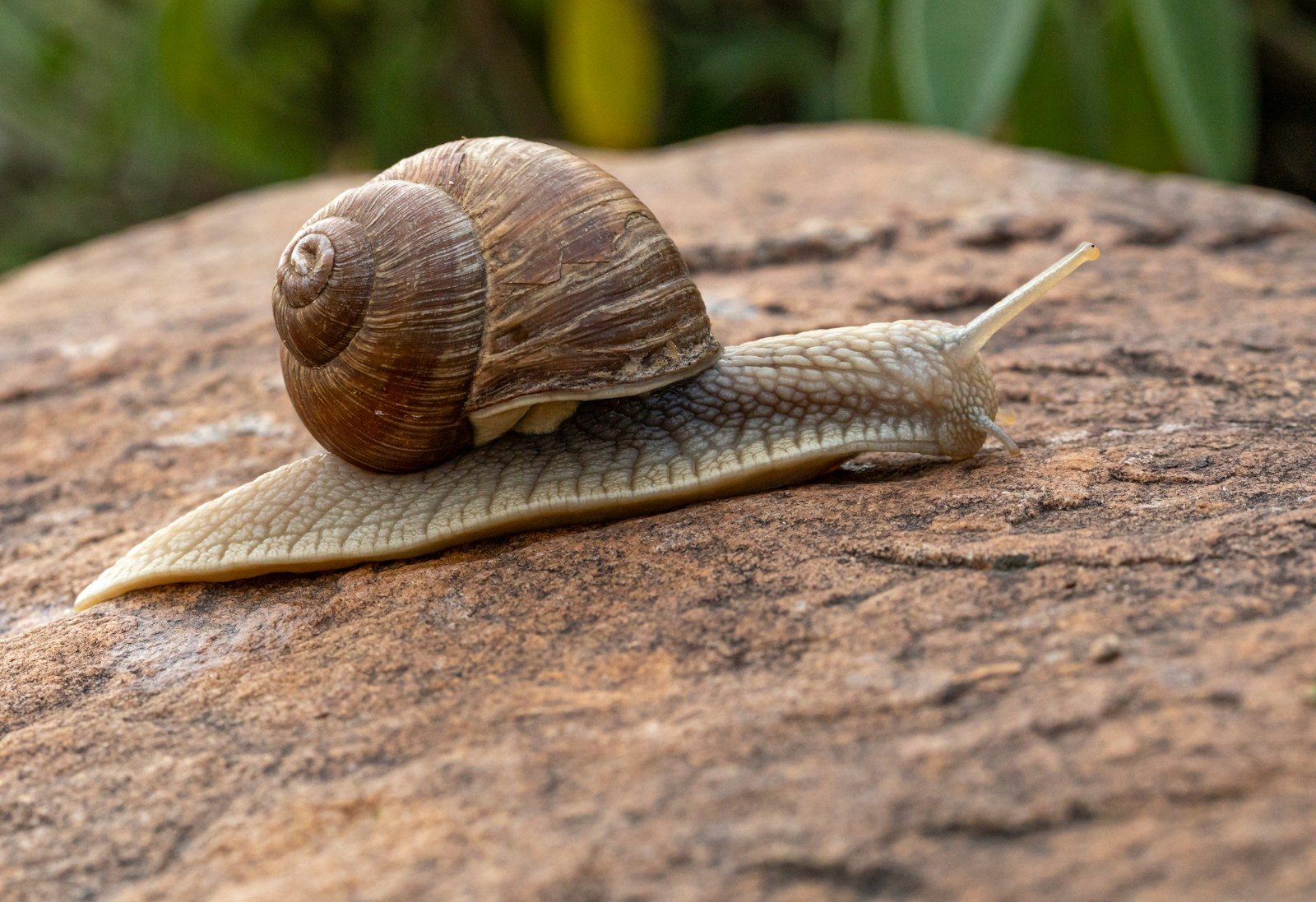
At first glance, freshwater snails seem completely harmless. They move slowly, avoid danger, and spend most of their lives hidden in ponds, rivers, and wetlands. But some species carry parasites responsible for one of the deadliest neglected diseases on Earth.
Scientists estimate that diseases connected to freshwater snails contribute to thousands of deaths every year, especially in regions with poor sanitation and unsafe water systems.
The Real Danger Is Not the Snail Itself
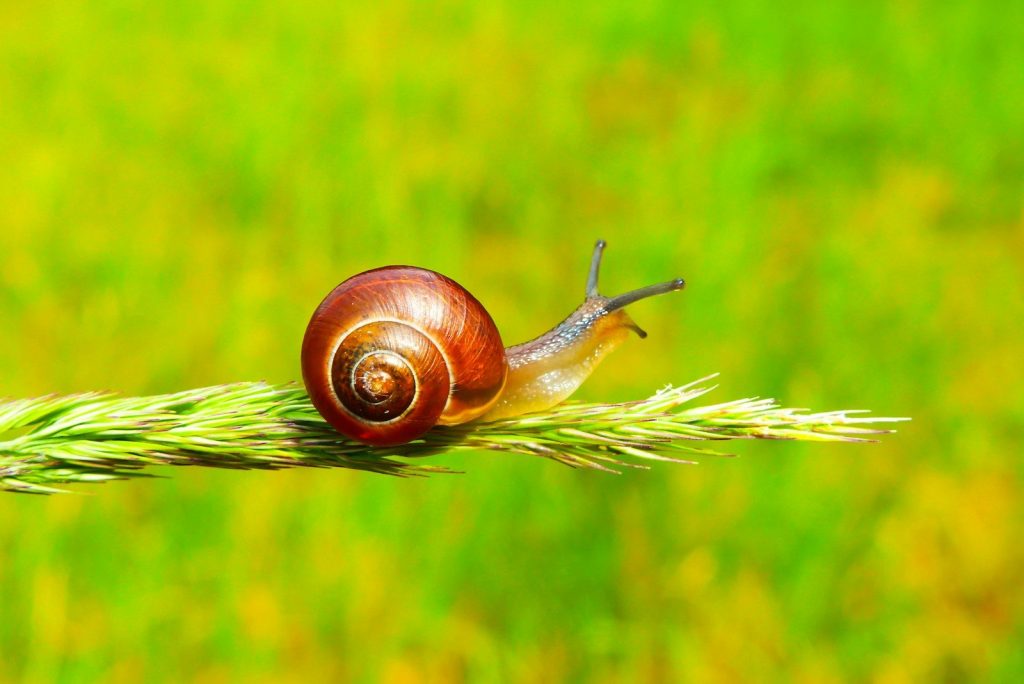
Freshwater snails do not attack humans directly. Instead, they act as hosts for microscopic parasitic worms known as schistosomes.
These parasites cause schistosomiasis, also called bilharzia or snail fever, a disease that affects millions of people worldwide.
How Humans Become Infected
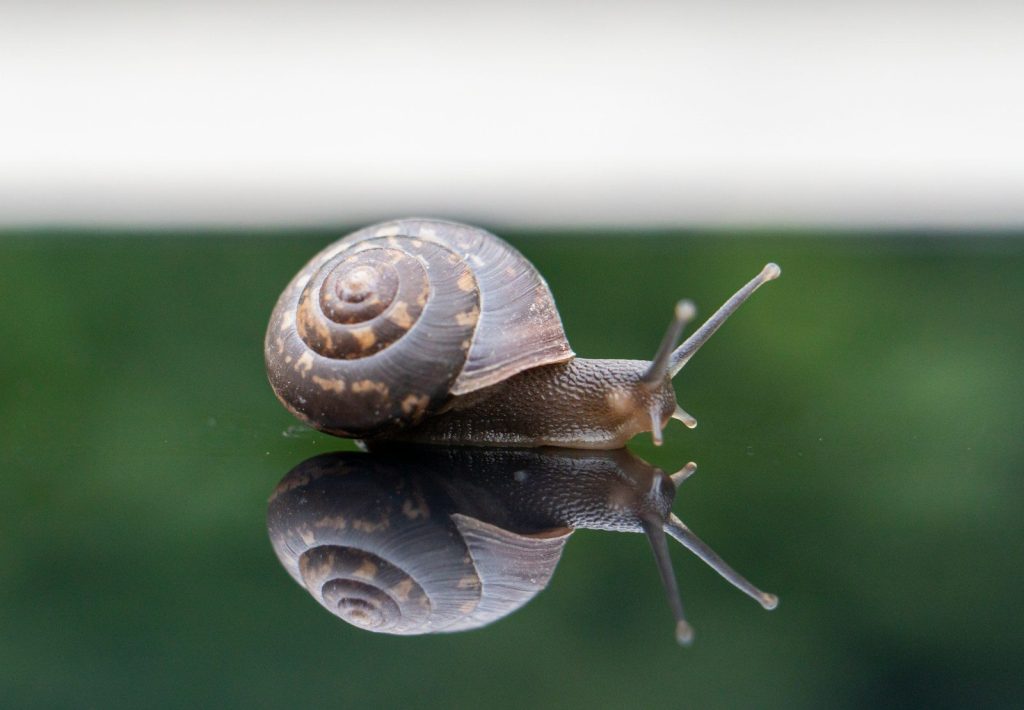
The parasites are released into contaminated freshwater where they can penetrate human skin during swimming, bathing, or washing clothes.
People often become infected without realizing it because the parasites are invisible to the naked eye.
The Disease Can Damage Major Organs
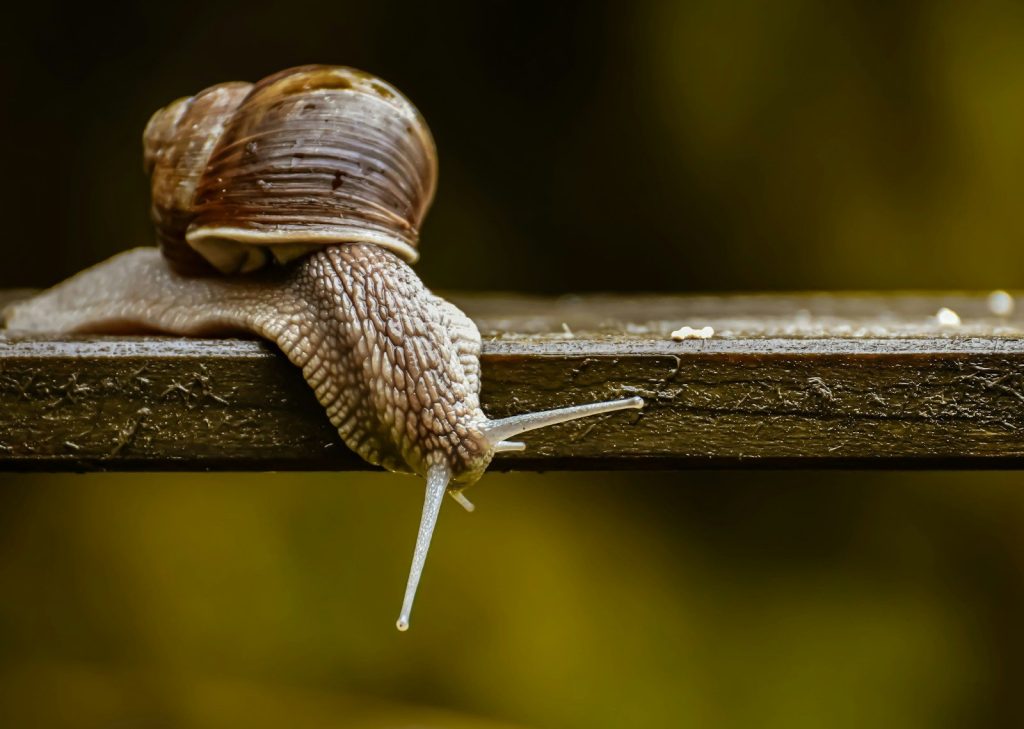
Once inside the body, the parasites travel through blood vessels and begin reproducing. Over time, this can damage the liver, intestines, bladder, and other organs.
Severe infections may lead to chronic pain, organ failure, anemia, and long-term disability if untreated.
Why Freshwater Areas Become High-Risk Zones
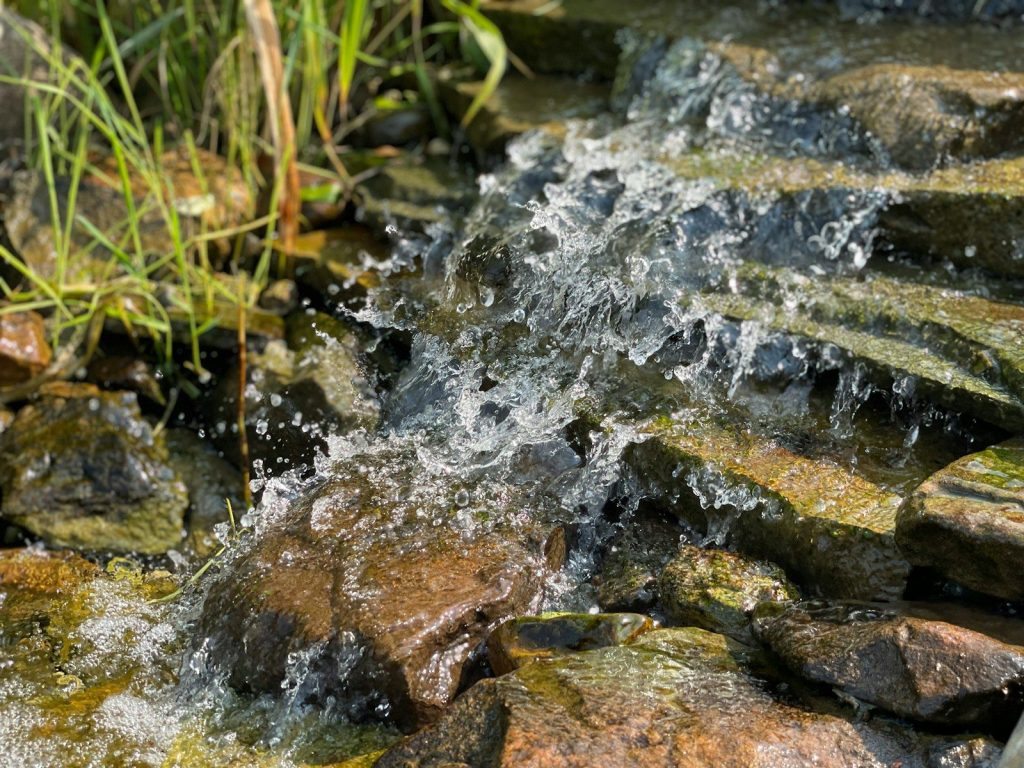
The disease spreads most easily in warm freshwater regions where sanitation systems are limited and people rely heavily on rivers or lakes.
Parts of Africa, Asia, and South America experience the highest infection rates because of repeated human contact with contaminated water.
Some Snails Carry Other Dangerous Parasites
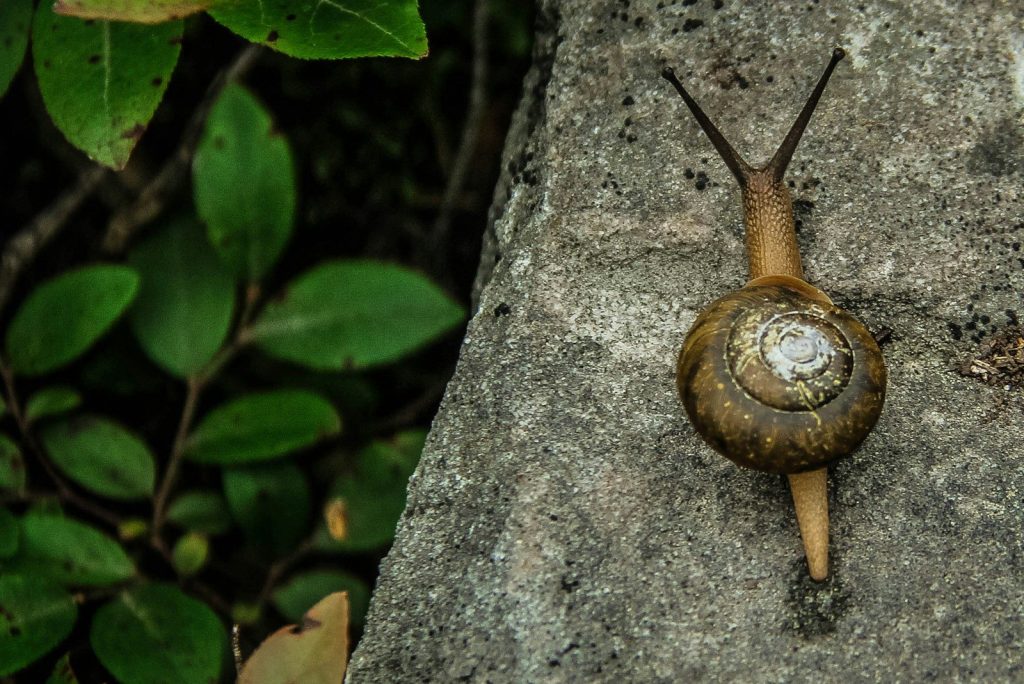
Beyond schistosomiasis, certain snails and slugs can also spread rat lungworm disease, a parasite capable of affecting the nervous system.
Humans usually become infected after accidentally consuming contaminated snails, slugs, or unwashed produce.
Scientists Still Monitor Expanding Risks
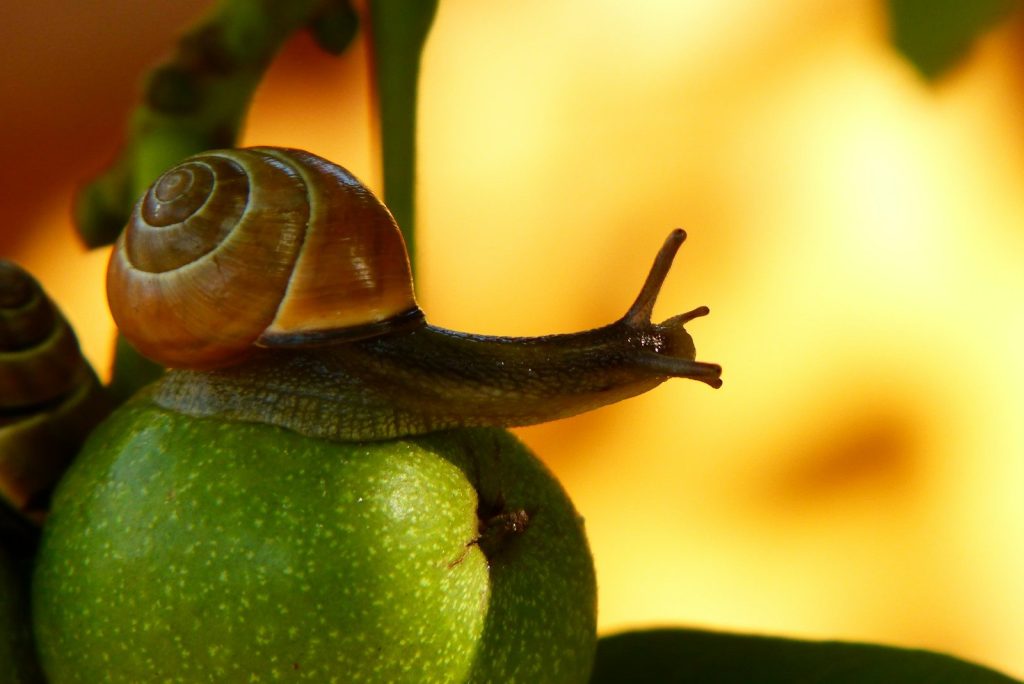
Researchers continue studying how climate change, flooding, and shifting ecosystems may expand the range of parasite-carrying snails.
Warmer temperatures and changing rainfall patterns could increase suitable habitats for dangerous freshwater parasites in the future.
A Tiny Creature With a Massive Global Impact
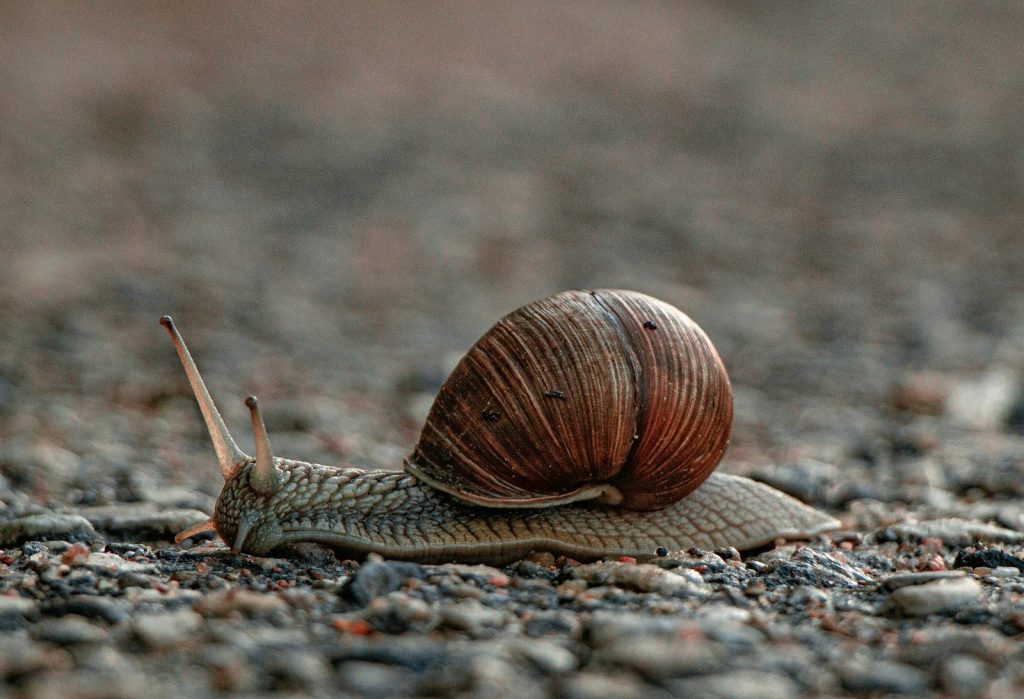
The snail itself may appear harmless, but its connection to deadly parasites makes it one of the most unexpectedly dangerous animals linked to human health.
Its story is a reminder that in nature, even the smallest creatures can shape survival on a massive scale.