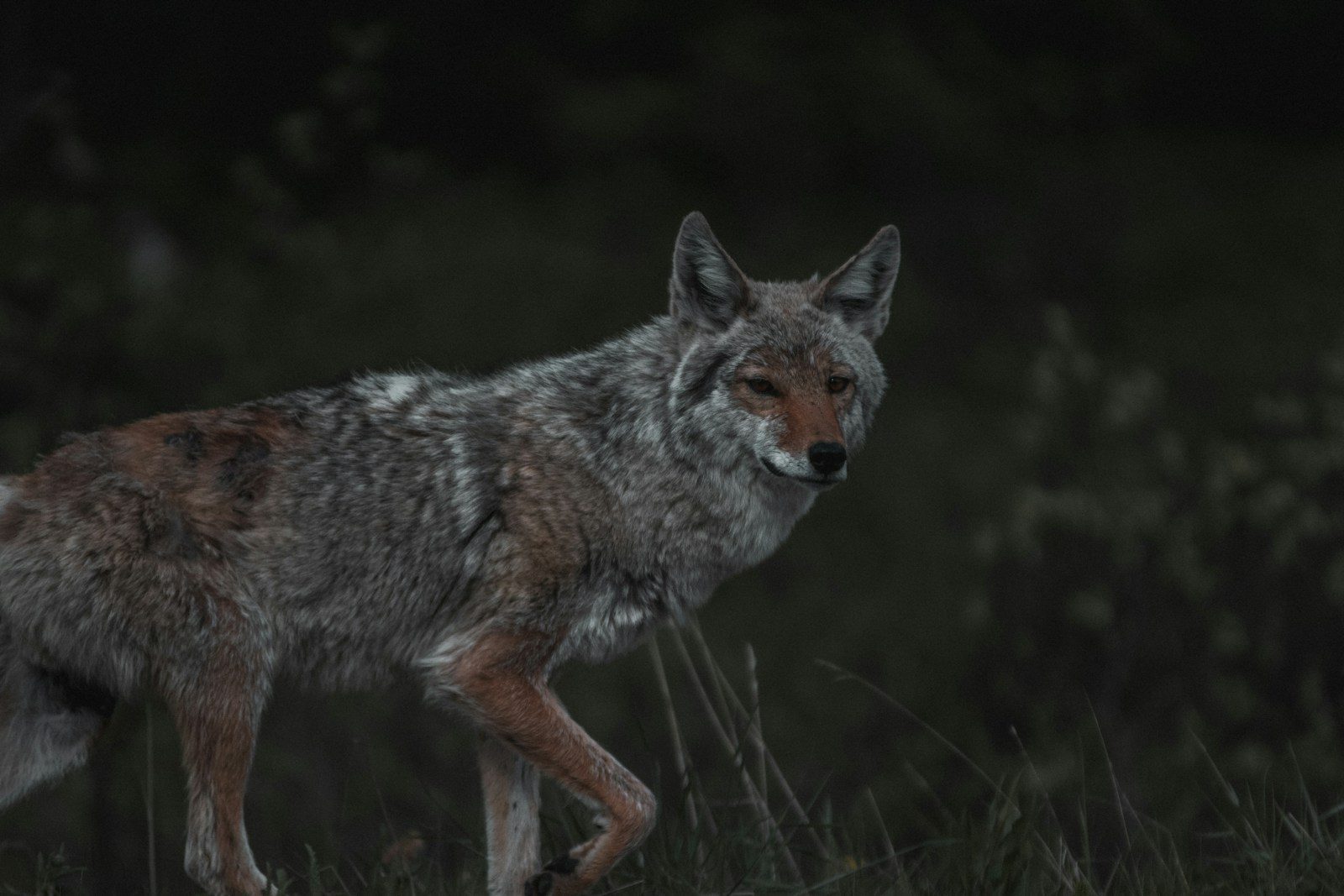
A lone coyote that mysteriously appeared on Alcatraz Island earlier this year has finally had its origins uncovered. Scientists used DNA analysis to trace the adventurous animal back to Angel Island, solving a mystery that fascinated wildlife experts and the public alike.
The remarkable discovery highlights the resilience of coyotes and demonstrates how modern genetic research can uncover the hidden journeys of wild animals. However, the coyote itself has since disappeared, leaving behind another unanswered question.
Scientists Trace the Coyote’s Origins
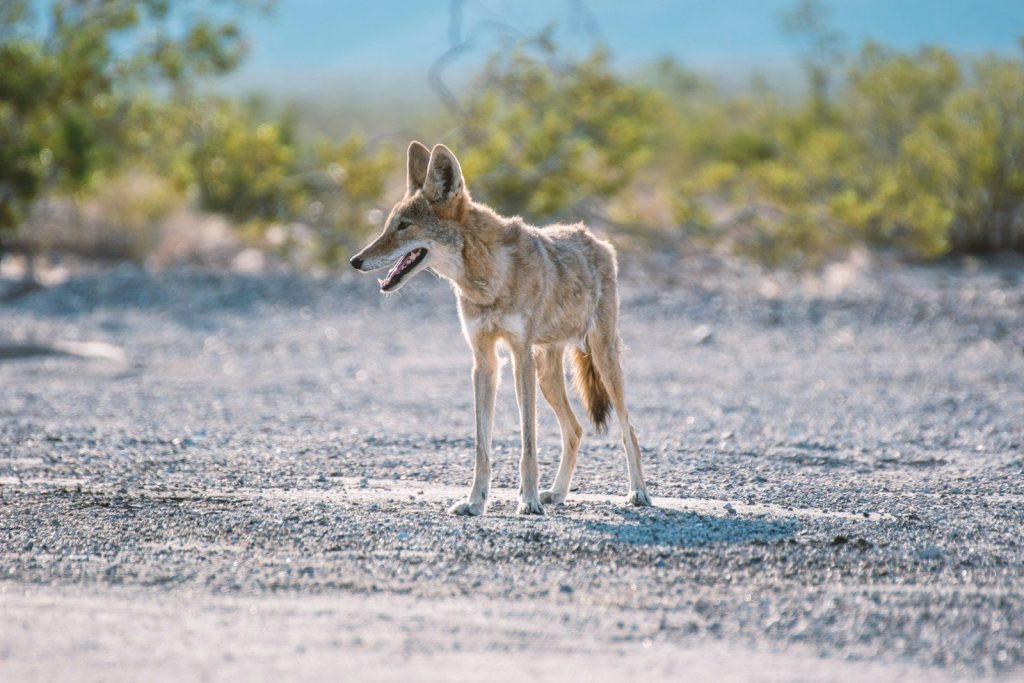
When the coyote was first spotted on Alcatraz, many believed it had swum from the nearby San Francisco shoreline. The prison island sits relatively close to the city, making it the most likely starting point.
DNA testing, however, revealed the animal actually came from Angel Island State Park, located about two miles away. Researchers described the finding as surprising and praised the coyote’s impressive swimming ability.
How Researchers Solved the Mystery
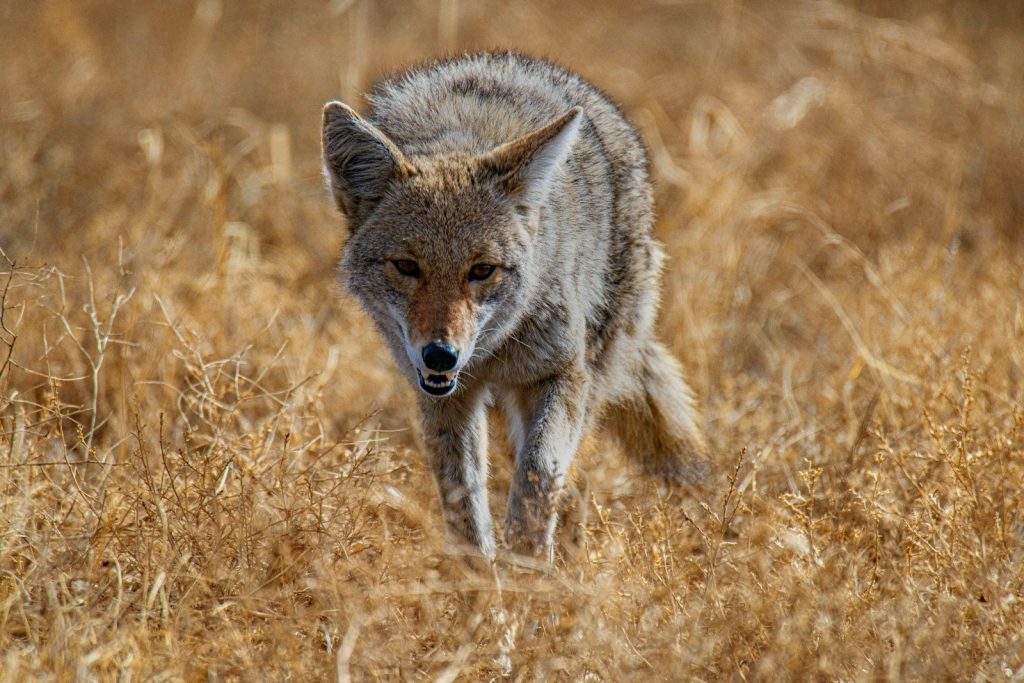
Following the sighting, National Park Service biologists launched an extensive investigation across Alcatraz Island. They searched for tracks, collected biological samples, and installed trail cameras and audio recorders.
The samples were analyzed at the UC Davis Veterinary Genetics Laboratory. Scientists confirmed the coyote was an adult male and genetically matched the population living on Angel Island.
Why the Coyote Concerned Wildlife Experts
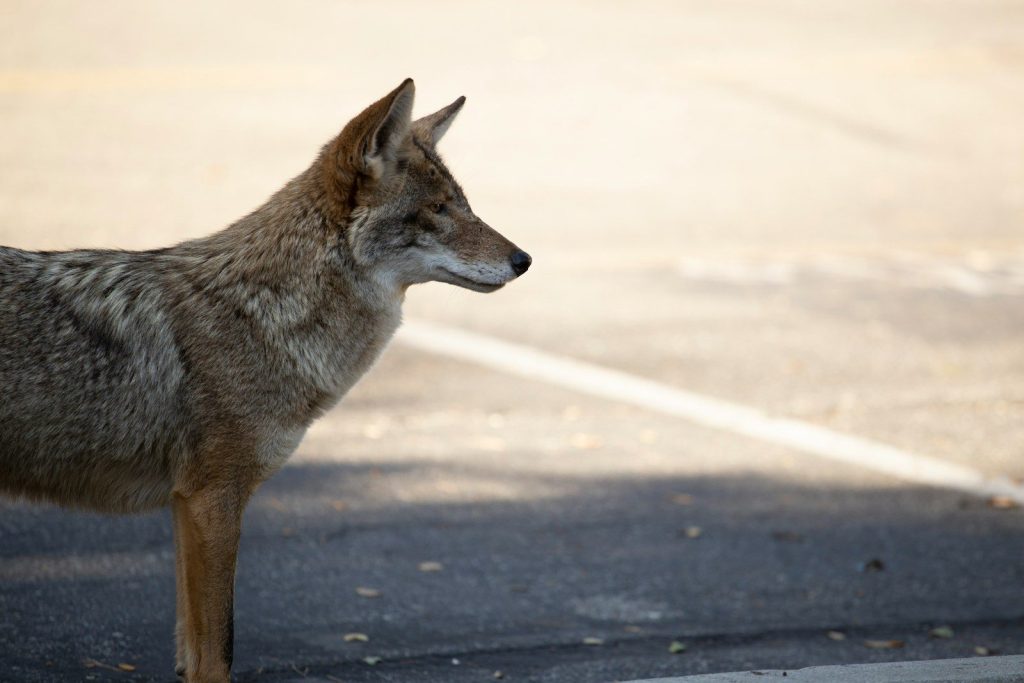
Although the coyote attracted public curiosity, researchers were also worried about its impact on local wildlife. Alcatraz serves as an important nesting site for several seabird species.
A predator living on the island could threaten eggs and young birds during the breeding season. For this reason, park officials worked quickly to locate the animal after its arrival.
The Coyote Vanished Without a Trace
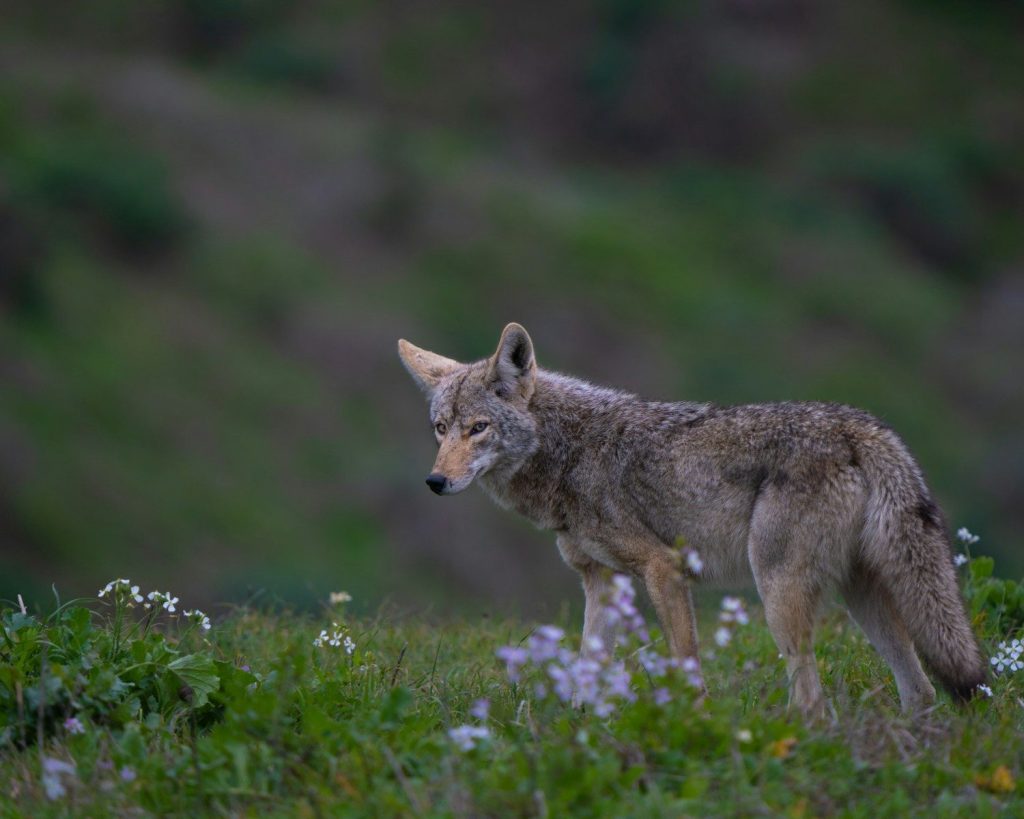
Despite weeks of searching, scientists were unable to find the coyote again after its initial appearance. Trail cameras and field surveys failed to reveal where the animal had gone.
Researchers also found no remains, leaving its fate unknown. They hope the skilled swimmer successfully returned to Angel Island or found another safe location in the bay.
What the Discovery Means for Wildlife Research
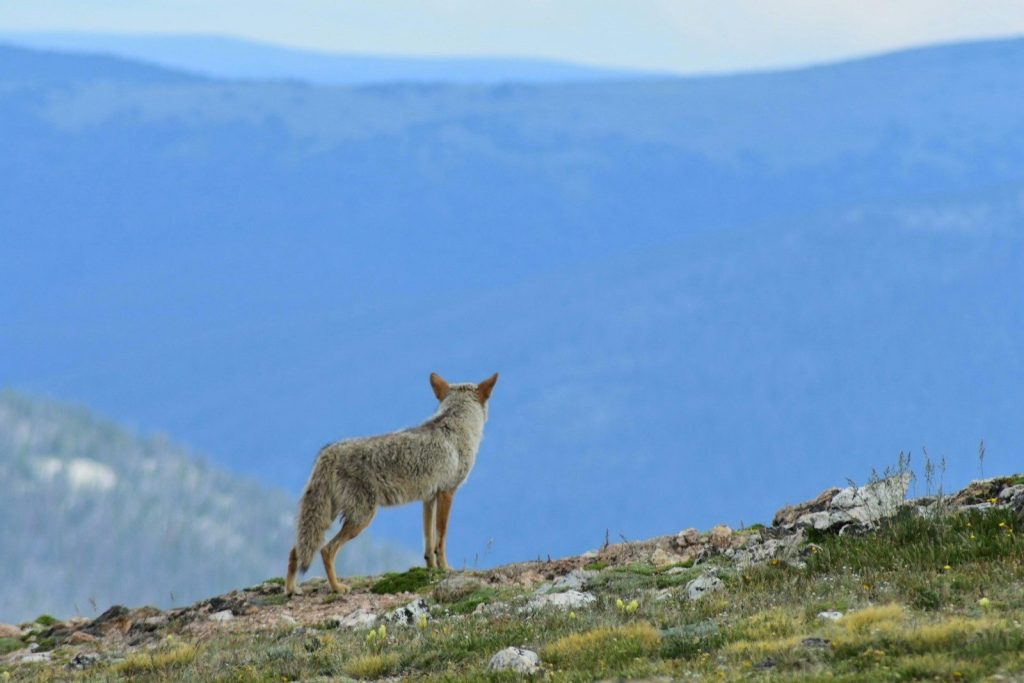
The case demonstrates how DNA technology can answer questions that traditional wildlife tracking cannot. Even after the coyote disappeared, scientists were able to determine its home population through genetic evidence.
The story also highlights the incredible adaptability of coyotes, which continue to thrive in both natural habitats and urban environments. Their ability to overcome unexpected challenges makes them one of North America’s most resilient mammals.