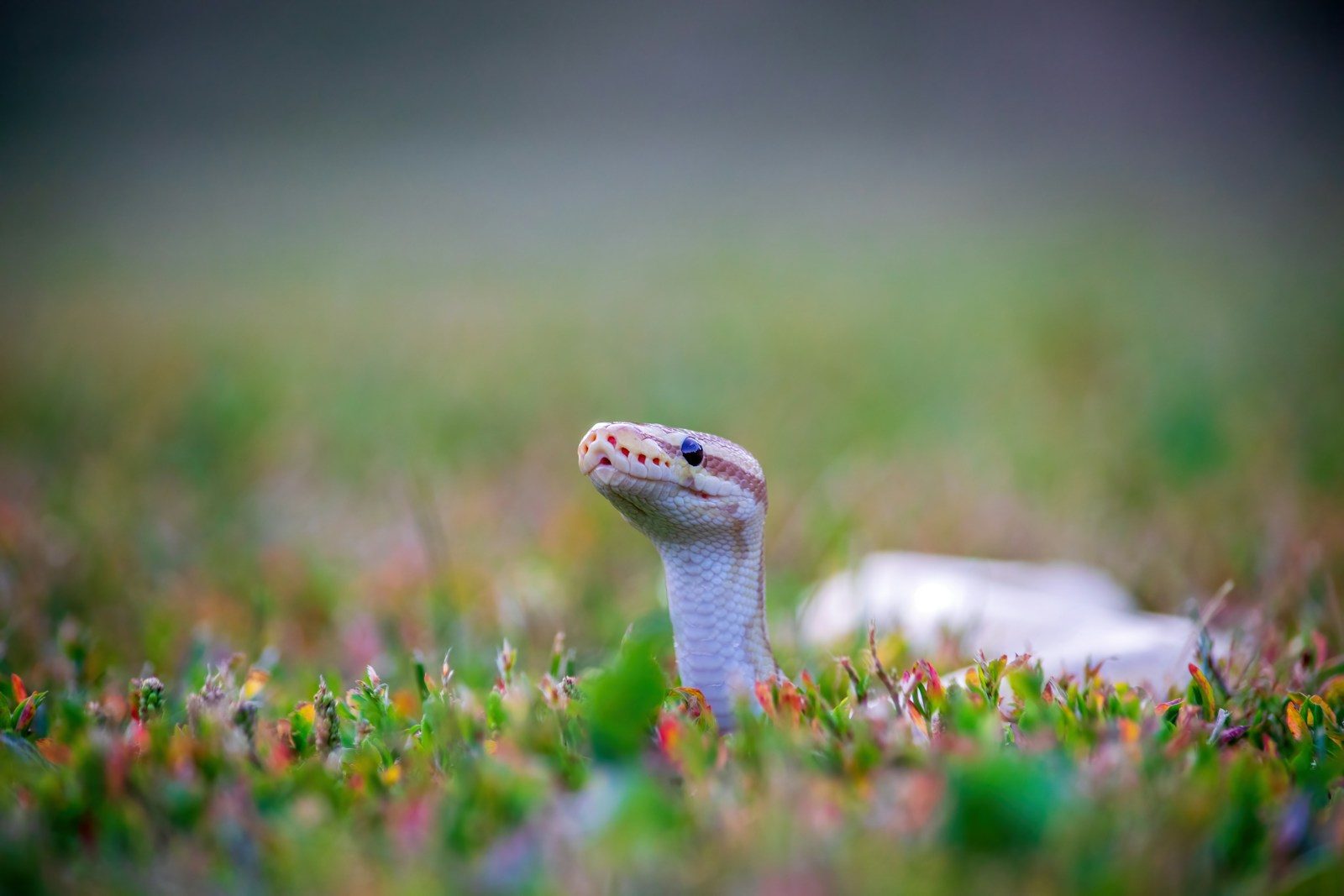
Finding a long, papery snake skin in your yard can be startling at first. But before you panic, it’s important to know that a shed skin does not automatically mean your home is overrun with snakes. In many cases, it simply means a snake passed through the area and shed its old skin as part of a natural growth process.
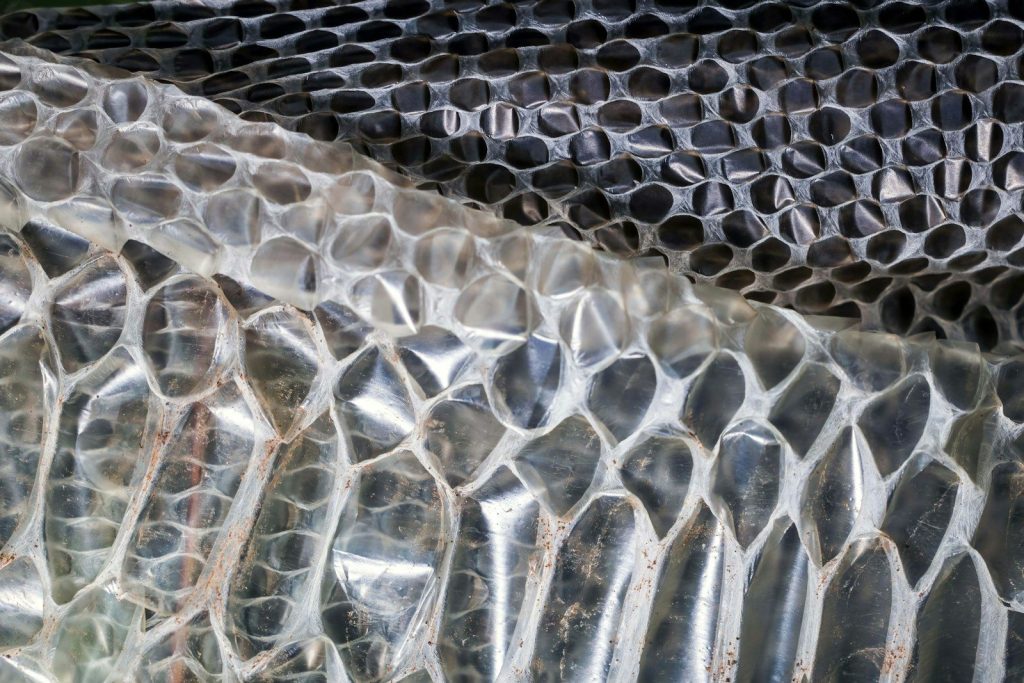
Snakes regularly shed their skin throughout their lives. Younger snakes shed more often because they grow quickly, while adult snakes may only shed a few times a year. The discarded skin is called an “exuvia,” and it often appears nearly transparent with a scale pattern still visible.
Why Snakes Shed Their Skin
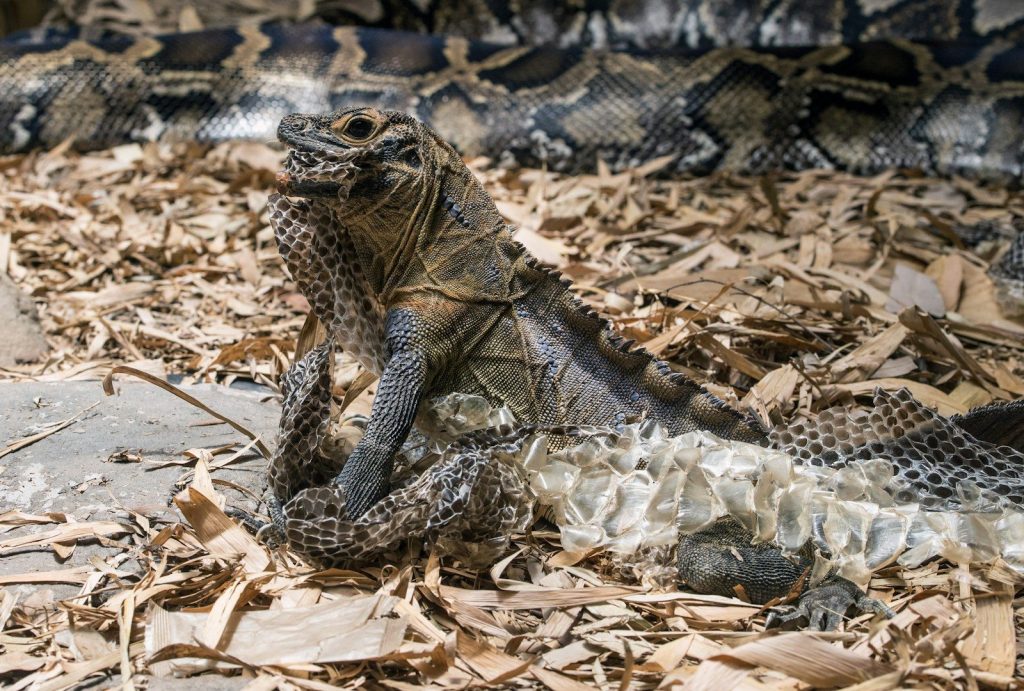
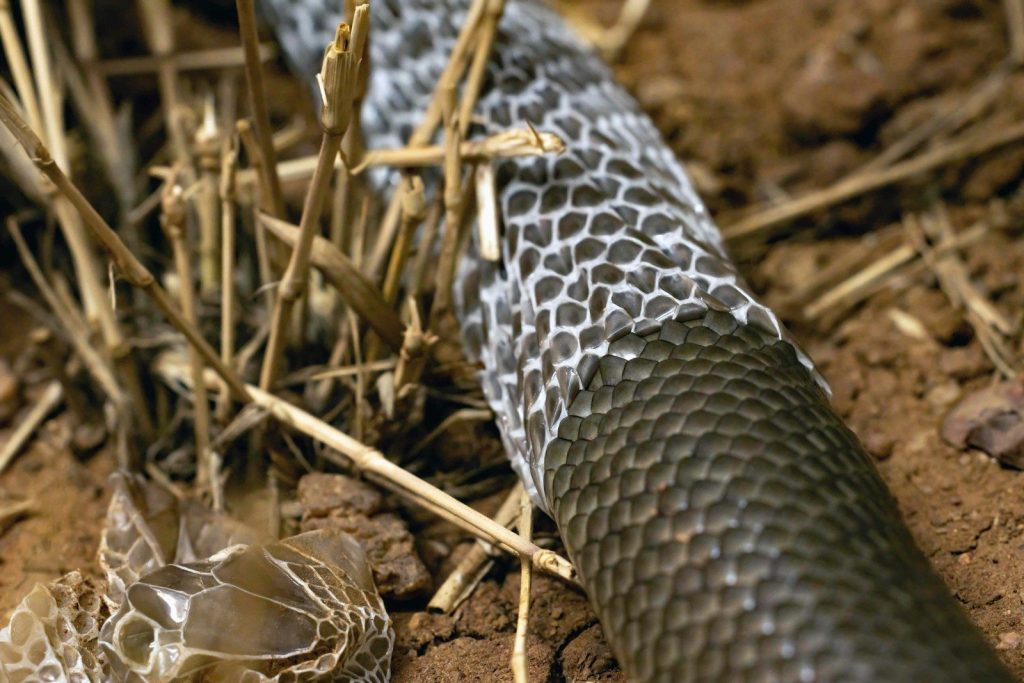
Unlike humans, snakes cannot stretch their skin as they grow. Instead, they periodically shed the outer layer to make room for new growth and remove parasites or damaged skin.
Before shedding, snakes usually become less active. Their eyes may turn cloudy or blue because fluid builds beneath the old skin layer. Once ready, the snake rubs against rough surfaces like rocks, logs, fences, or garden edges to peel the skin away.
A complete shed is often a sign the snake is healthy.
How to Tell if the Skin Is Fresh
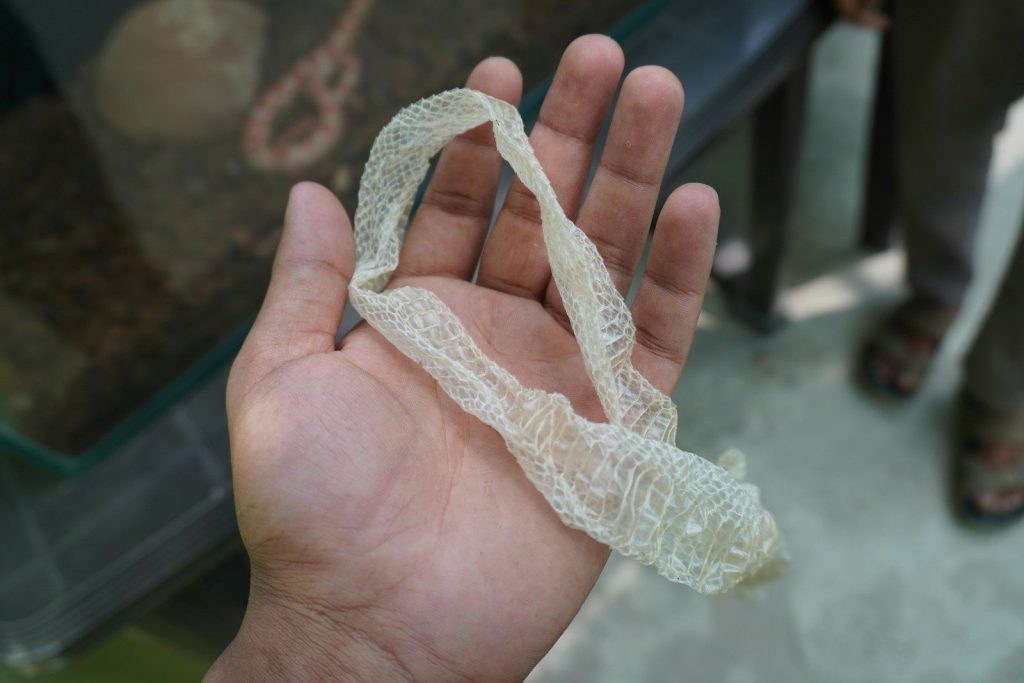
A fresh snake skin usually looks soft, slightly shiny, and intact. Older shed skins become brittle, faded, and torn apart by wind or rain.
If the shed is complete, you may even notice details such as:
- Eye caps
- Belly scales
- Tail shape
- Scale patterns
These details can sometimes help wildlife experts identify the species.
Does Finding a Shed Mean a Snake Lives Nearby?
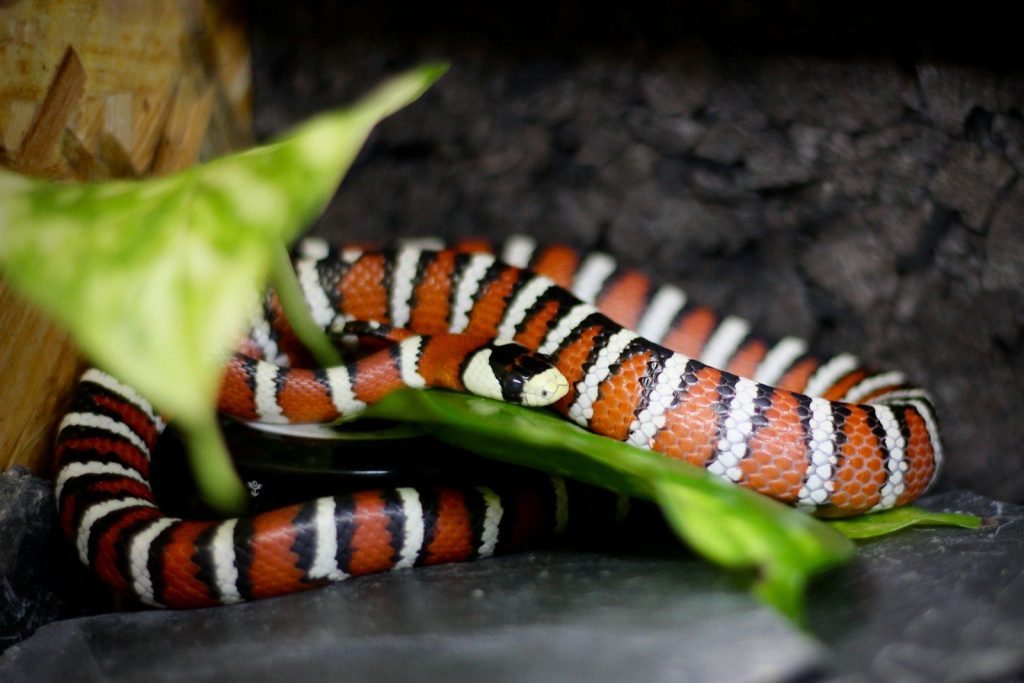
Not necessarily. Snakes can travel surprisingly long distances while searching for food, shelter, or mates. A single shed skin may simply mean the reptile was passing through.
However, repeated sightings of shed skins in the same area could indicate your yard offers attractive hiding spots such as:
- Tall grass
- Wood piles
- Rock gardens
- Bird feeders that attract rodents
- Standing water
- Dense shrubs
Snakes tend to follow food sources, especially mice and rats.
What You Should Do Next
If you discover a shed skin, avoid touching it with bare hands. While the skin itself is usually harmless, it may carry bacteria or parasites.
Instead:
- Use gloves or a shovel to pick it up
- Place it in a sealed bag if you want identification
- Wash your hands afterward
- Check nearby areas for potential hiding spots
Most experts recommend leaving snakes alone unless they pose an immediate danger.
How to Make Your Yard Less Attractive to Snakes
You can reduce the chances of snakes lingering around your property by making the environment less inviting.
Helpful steps include:
- Keeping grass trimmed short
- Removing piles of wood or debris
- Sealing gaps under sheds and decks
- Reducing rodent activity
- Cleaning up fallen birdseed
- Trimming overgrown bushes
A tidy yard removes many of the cool, shaded hiding places snakes prefer.
Not All Snakes Are Dangerous
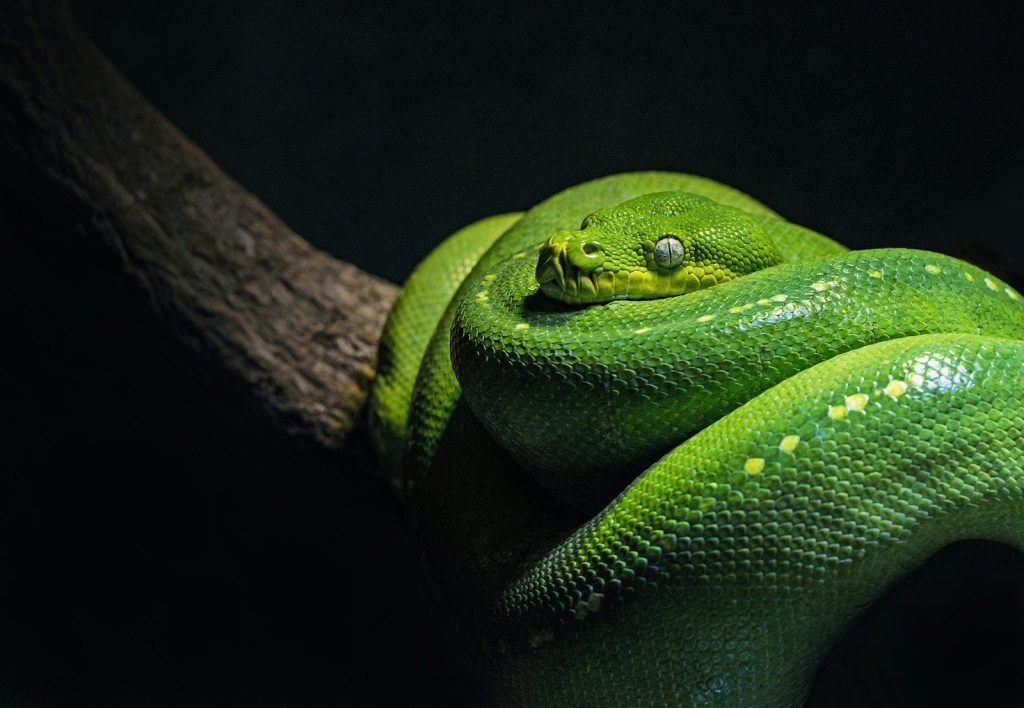
One important thing to remember is that most snakes are harmless and beneficial to the environment. Many species help control rodent populations and keep ecosystems balanced.
In fact, seeing occasional signs of snakes can sometimes indicate a healthy natural environment nearby.
If you are unsure whether a snake in your area is venomous, contact local wildlife officials or animal control instead of attempting to handle it yourself.