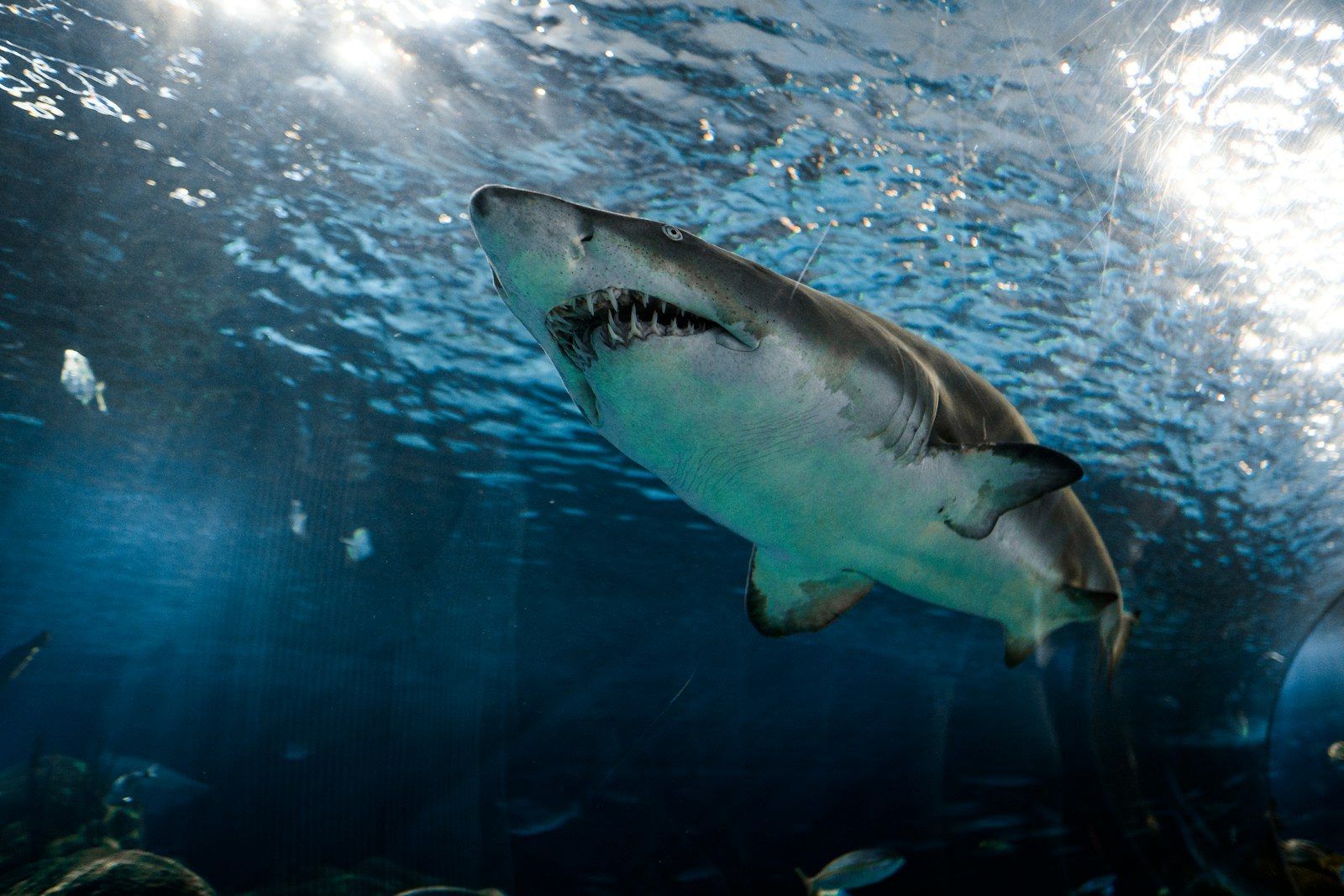
Sharks are often feared for their size and strength, but some species stand out for even more unusual reasons. One of the most fascinating discoveries about certain deep-sea sharks is that their bite and biology can carry toxic properties that make them especially effective predators in the ocean.
The idea behind a “toxic bite” does not always mean venom like a snake. In sharks, it can also refer to biochemical compounds, bacteria, or specialized adaptations that help them hunt, defend themselves, or break down prey in extreme marine environments. These features make them some of the most efficient hunters in the sea.
What Makes a Shark Bite “Toxic”
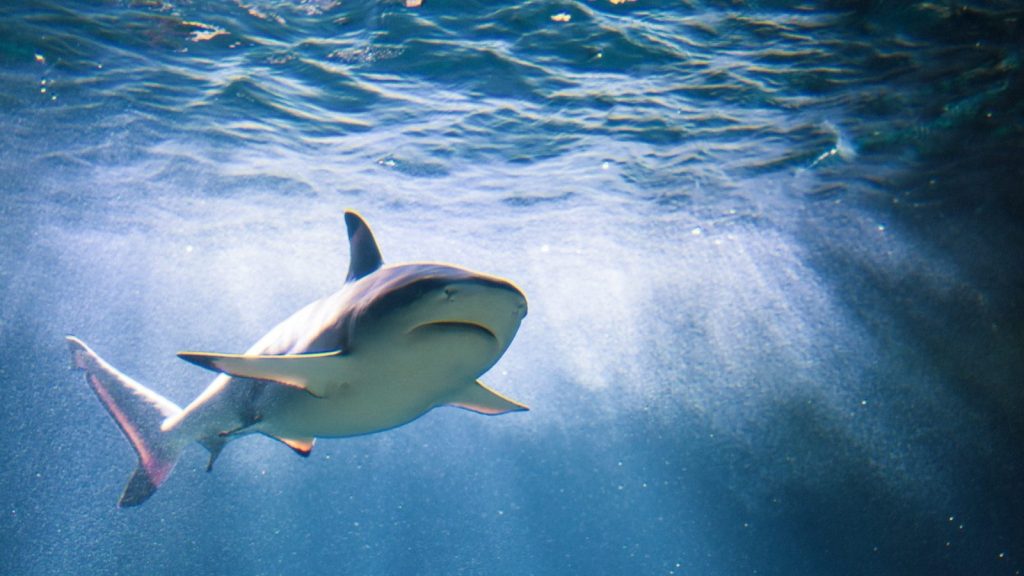
Unlike venomous animals that inject poison through fangs or stingers, most sharks rely on mechanical force to capture prey. However, some species have bacteria-rich mouths or unique chemical compounds that can affect wound healing or increase infection risk after a bite.
This means that even a relatively small bite can become dangerous if bacteria enter the wound. In deep or open-water environments, this gives sharks an advantage when dealing with injured or struggling prey.
Deep-Sea Sharks and Their Special Adaptations
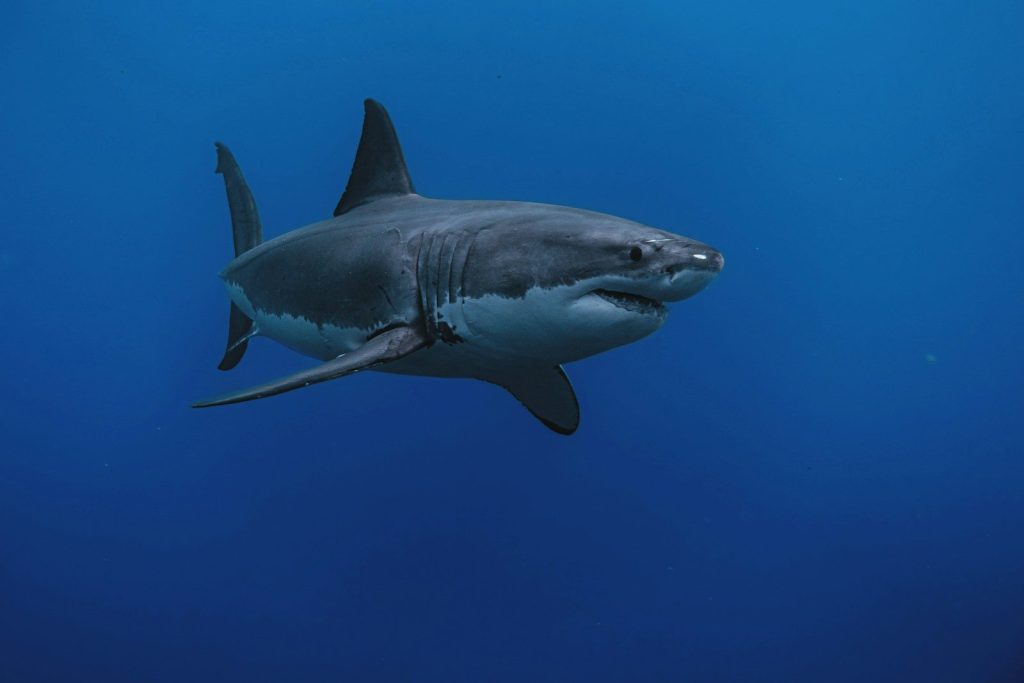
Some of the most unusual sharks live in deep ocean zones where food is scarce and conditions are extreme. These species have evolved unique feeding strategies, including suction-based bites and specialized teeth designed to remove chunks of flesh efficiently.
A well-known example is the cookiecutter shark, which attaches to larger animals and removes circular plugs of tissue using razor-sharp teeth. These bites are small but highly effective and can be repeated across many different marine species.
Why These Bites Matter in Nature
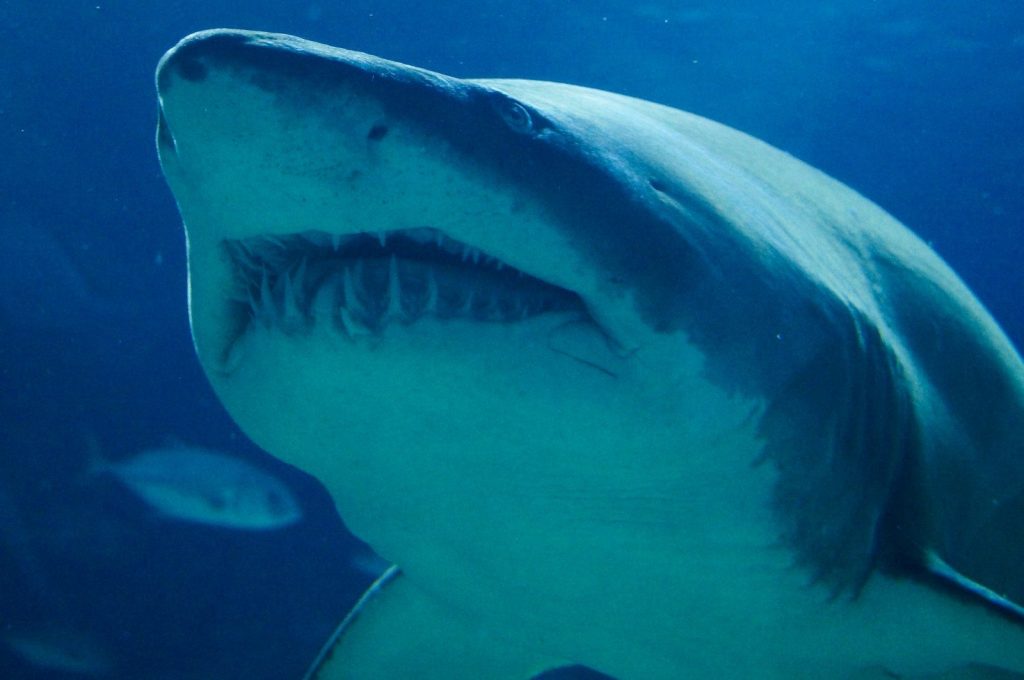
A shark’s bite is not just about hunting, it also plays a role in survival in harsh environments. In deep oceans where encounters are rare, every feeding opportunity must count, so efficiency is more important than size.
Even minor injuries caused by sharks can have lasting effects on prey animals, influencing migration patterns and behavior across marine ecosystems. This helps maintain balance in ocean food chains.
Misunderstanding Shark “Danger”
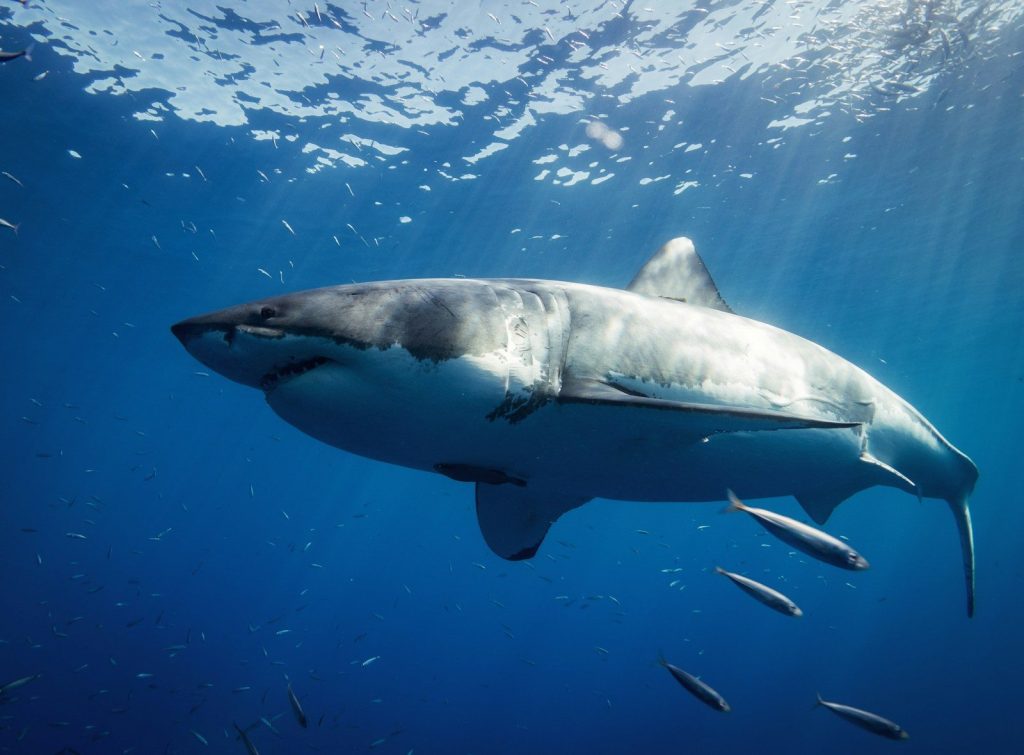
Despite their fearsome reputation, most sharks are not actively dangerous to humans. Many species are shy, deep-water dwellers, or focused entirely on small fish and marine organisms.
Incidents involving humans are rare and often accidental, caused by mistaken identity or curiosity rather than aggression. Scientific studies show that only a small number of shark species are responsible for most recorded attacks.
The Role of Bacteria in Shark Mouths

One important reason shark bites can appear “toxic” is the presence of bacteria in their mouths and surrounding marine environments. Warm saltwater can allow infections to develop quickly if wounds are untreated.
This biological factor is part of what makes shark bites medically serious, even when the initial injury is not large. It also highlights why proper treatment is important after any marine animal encounter.
Why Sharks Remain Important Ocean Predators

Sharks play a crucial role in maintaining healthy ocean ecosystems by controlling fish populations and removing weak or injured animals. Their feeding behavior helps keep marine life balanced and diverse.
Even species with unusual or “toxic-like” bite effects are part of this natural system. Their adaptations show how evolution has shaped sharks into highly specialized predators across millions of years.