Southern California is expanding efforts to protect wildlife with the construction of several new animal crossings over major highways. These crossings are designed to help animals safely move between habitats that have been divided by busy roads and growing development.
Conservation groups and transportation officials say the projects are becoming increasingly important as highways continue disrupting migration routes and isolating wildlife populations. The crossings are expected to help both animals and drivers by reducing dangerous collisions and restoring natural movement corridors.
The World’s Largest Wildlife Crossing Near Los Angeles
One of the most ambitious projects is the Wallis Annenberg Wildlife Crossing, located northwest of Los Angeles. The bridge is nearing completion and is expected to become the world’s largest wildlife crossing.
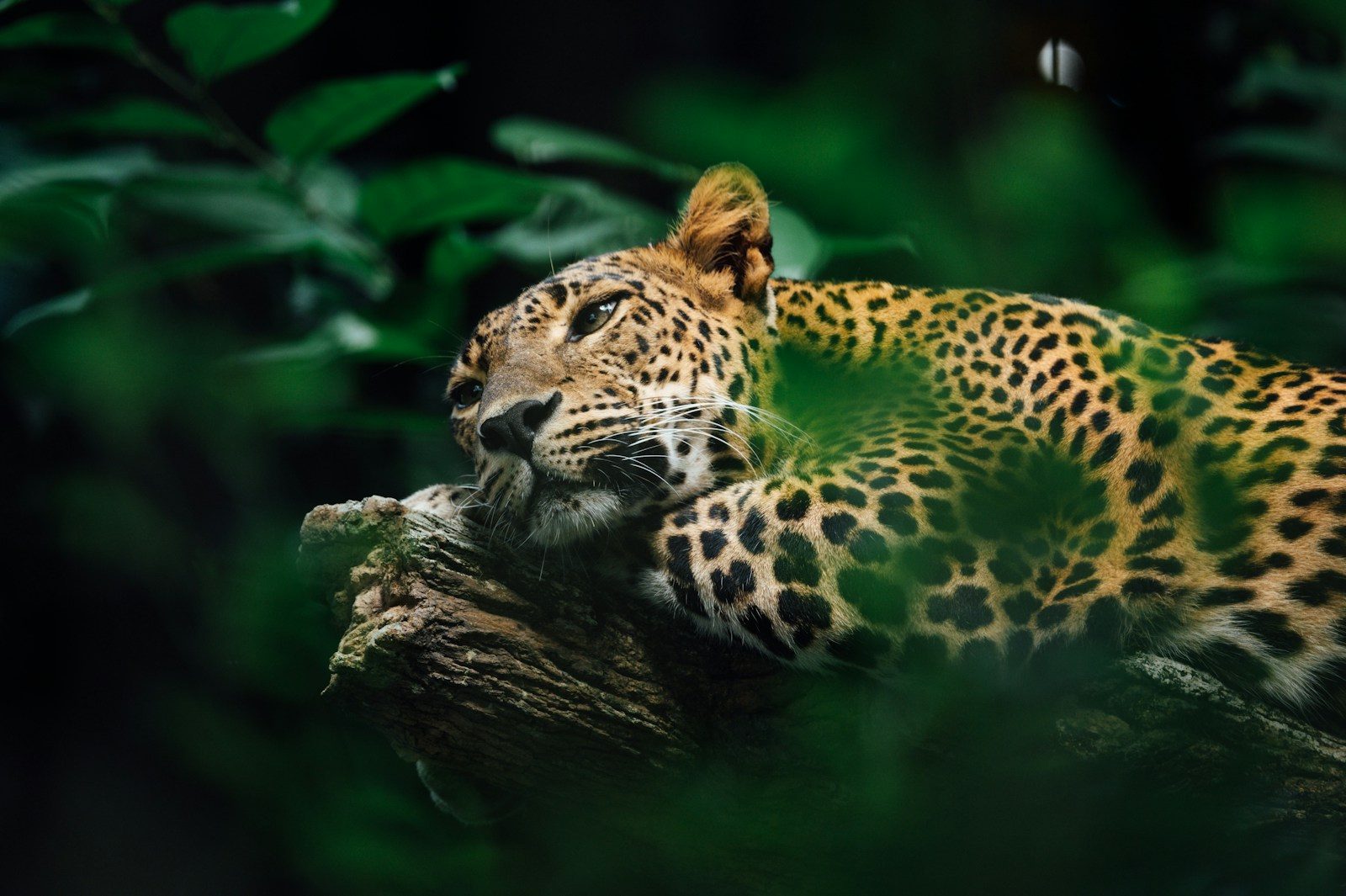
The project aims to reconnect habitats separated by the 101 Freeway, especially for mountain lions whose populations have struggled because of isolation and limited movement between territories.
Why Wildlife Crossings Matter
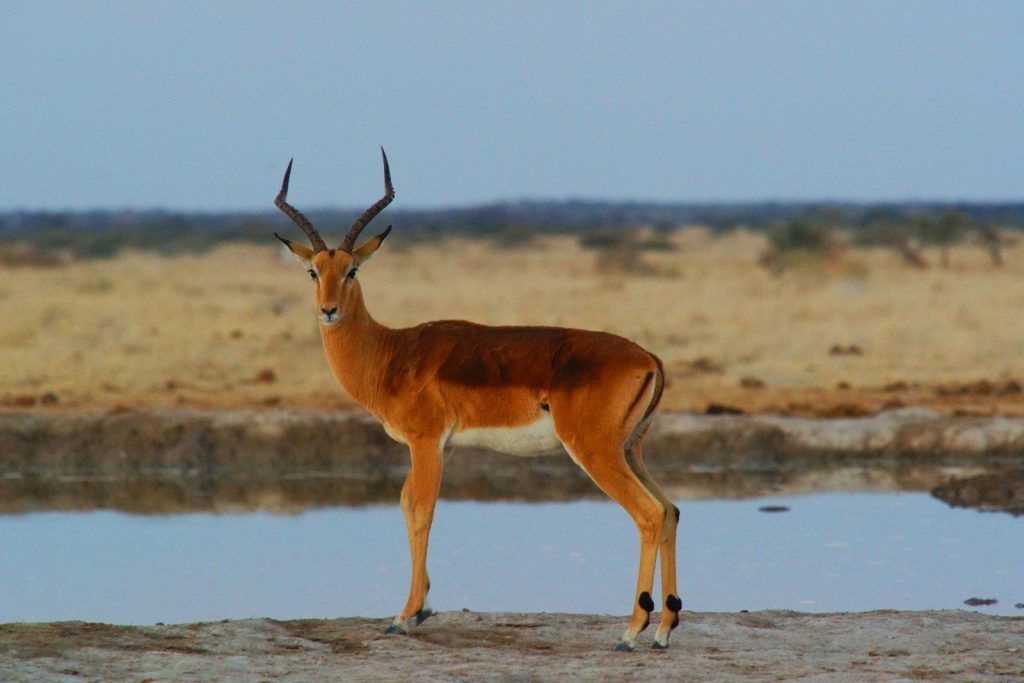
Highways can divide animal populations and prevent them from reaching food, water, or mating areas. Over time, this isolation can reduce genetic diversity and threaten long-term survival for species like mountain lions, deer, and bighorn sheep.
Wildlife crossings give animals a safer way to move across roads while reducing vehicle collisions. Experts say they are one of the most effective tools for protecting wildlife in heavily developed areas.
New Crossings Planned Near Joshua Tree
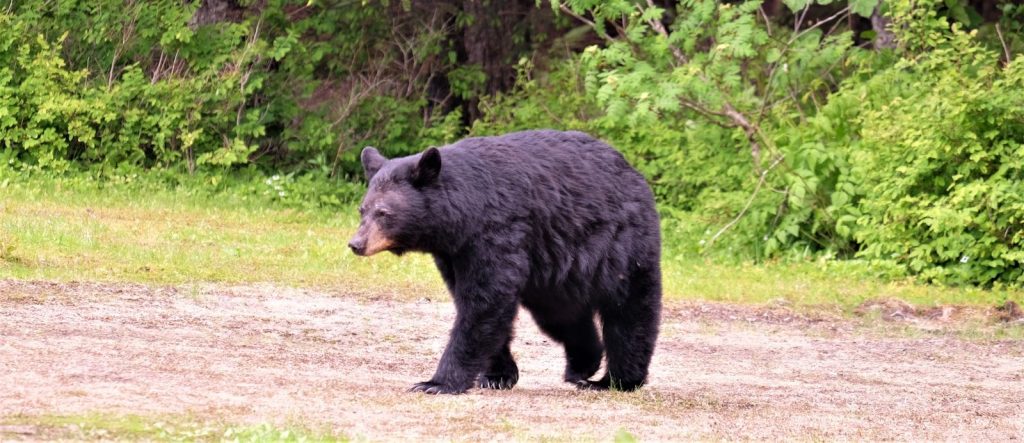
Additional crossings are now being planned near Joshua Tree National Park along State Route 62 in the Mojave Desert. Conservationists have identified this highway as a major barrier for wildlife moving between protected areas.
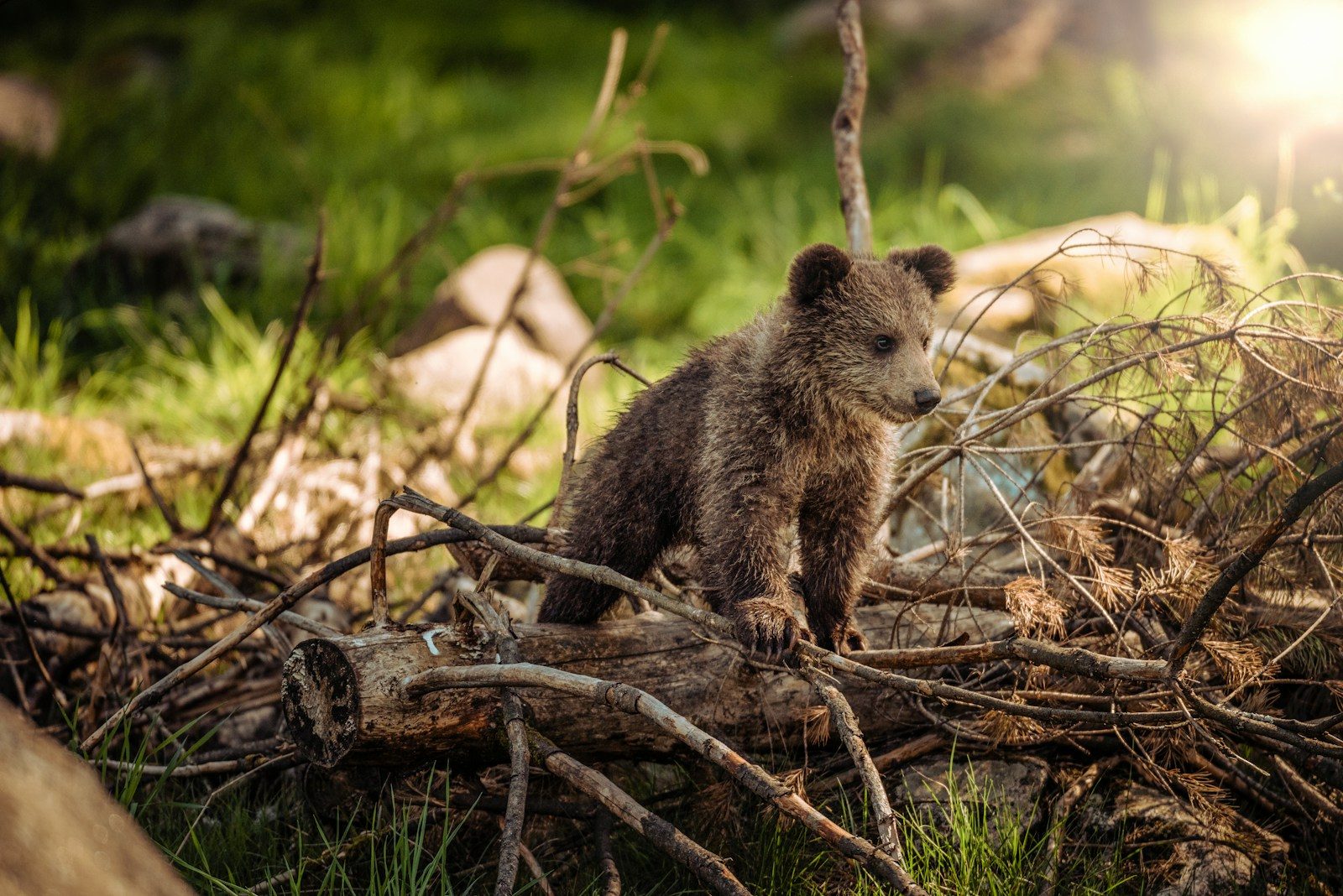
The proposed crossings would help species such as black bears, deer, mountain lions, and bighorn sheep safely travel between habitats near Joshua Tree and Sand to Snow National Monument.
Years of Planning and Funding Efforts
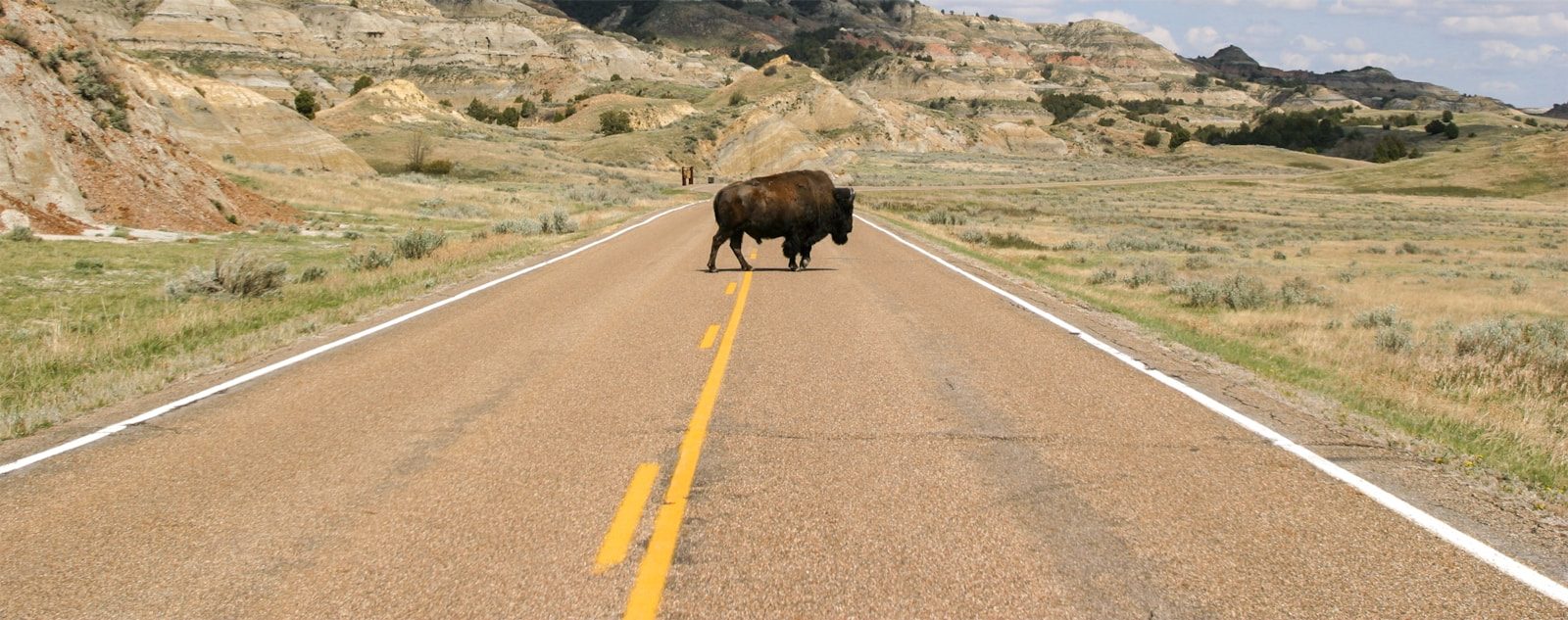
Building wildlife crossings is a long and expensive process that requires years of planning, engineering, and environmental review. Groups like the Mojave Desert Land Trust have spent more than a decade securing land and funding for these projects.
The organization recently received a major planning grant to begin the early design and permitting process, although construction itself may still take several more years.
Three More Crossings Along Interstate 15
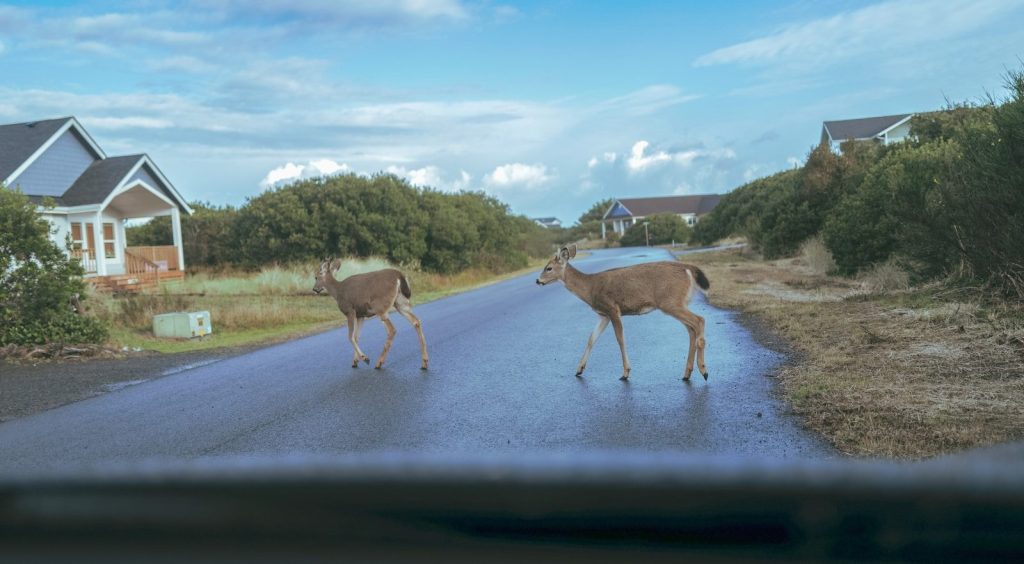
State officials are also planning three wildlife crossings along Interstate 15 between Barstow and the Nevada border. These crossings are being developed through cooperation between transportation agencies and rail developers.
The structures are expected to help wildlife safely cross both the highway and the future high-speed rail line planned between Southern California and Las Vegas.
Protecting Wildlife for the Future
Conservationists say wildlife crossings are becoming increasingly important as urban growth and transportation networks continue expanding. Without safe migration routes, many animal populations could become isolated and decline over time.
These projects represent a growing effort to balance human infrastructure with the needs of wildlife. Supporters hope the crossings will help preserve biodiversity in Southern California for generations to come.