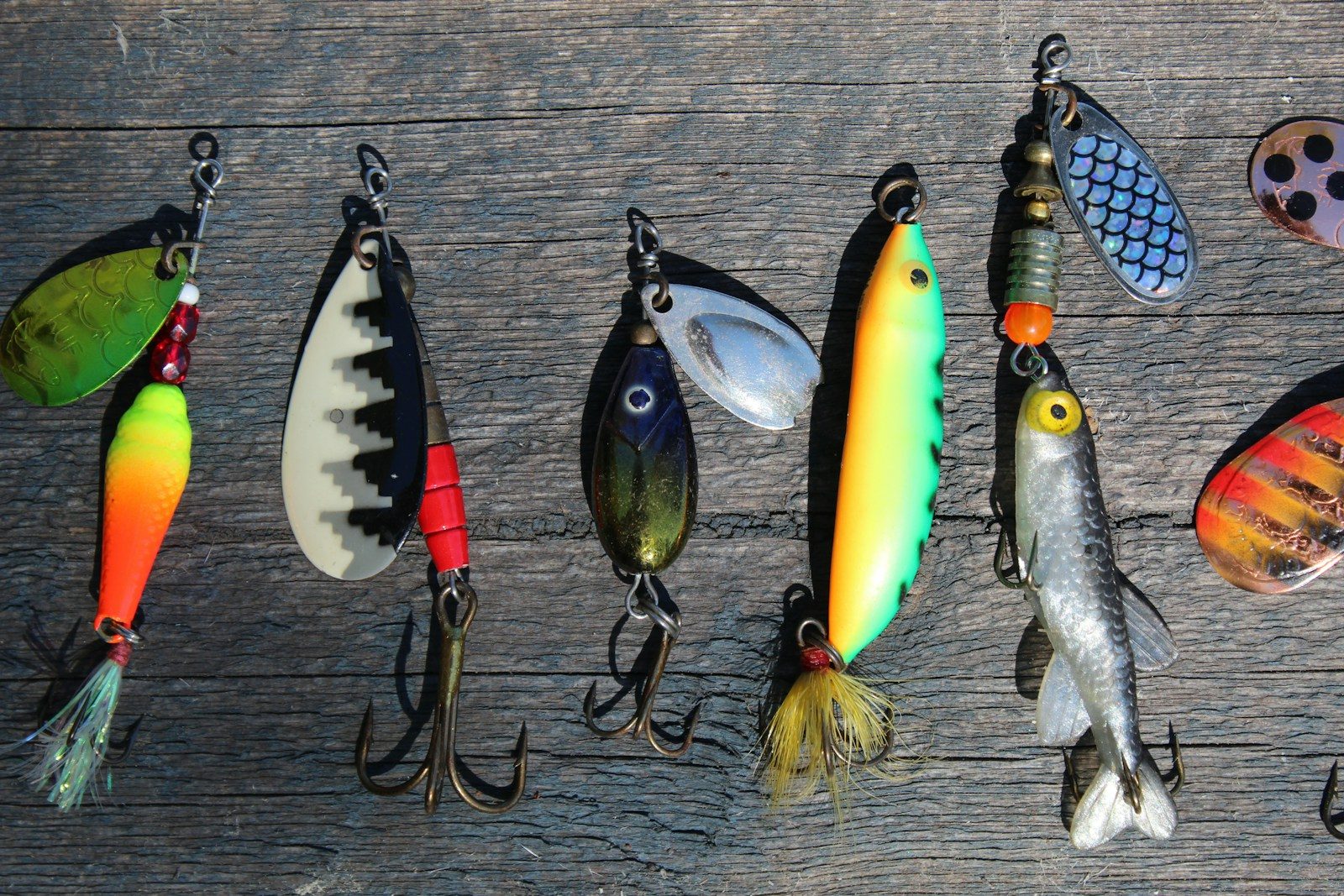
Making your own soft-plastic fishing lures has moved from a niche garage hobby into a popular DIY craft for anglers. What once required rare knowledge is now widely shared online, with beginners learning to pour worms, lizards, and crawfish using simple starter kits.
But despite how easy it looks, small mistakes can completely ruin a batch of bait. Experienced bait makers warn that success depends on precision, patience, and understanding how the material behaves under heat.
The Rise of DIY Soft-Plastic Lure Making
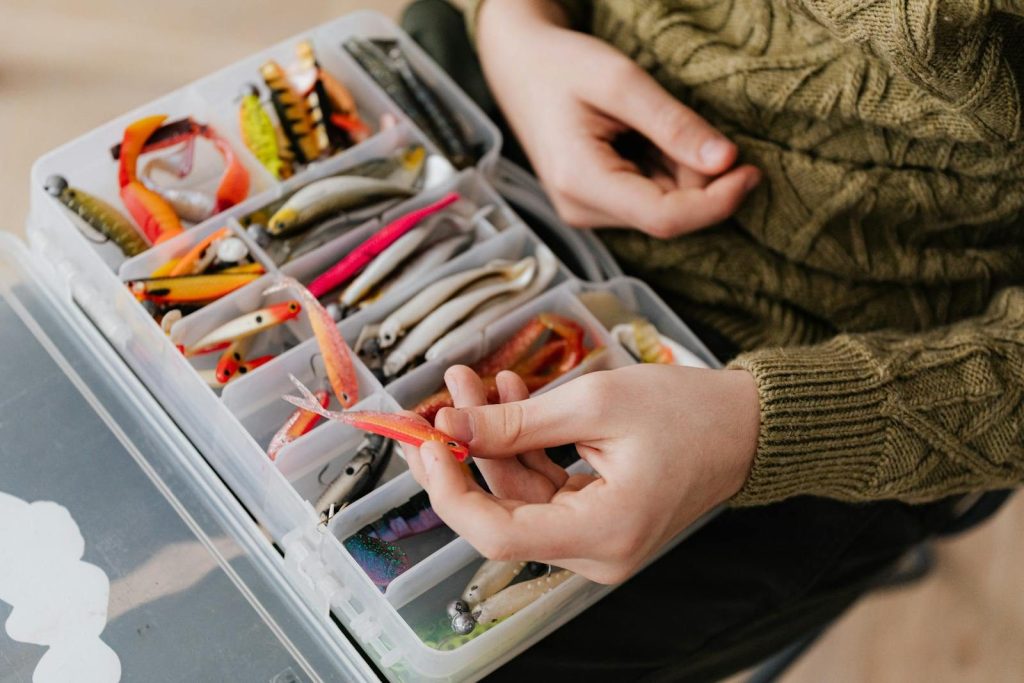
Soft-plastic bait making has grown rapidly thanks to online tutorials and social media. Anglers can now create custom colors, shapes, and textures that mimic natural prey more effectively than store-bought options.
What used to be a specialized craft is now a common garage activity, with hobbyists experimenting to improve fishing performance and creativity.
Mistake #1: Poor Mixing Ruins Everything
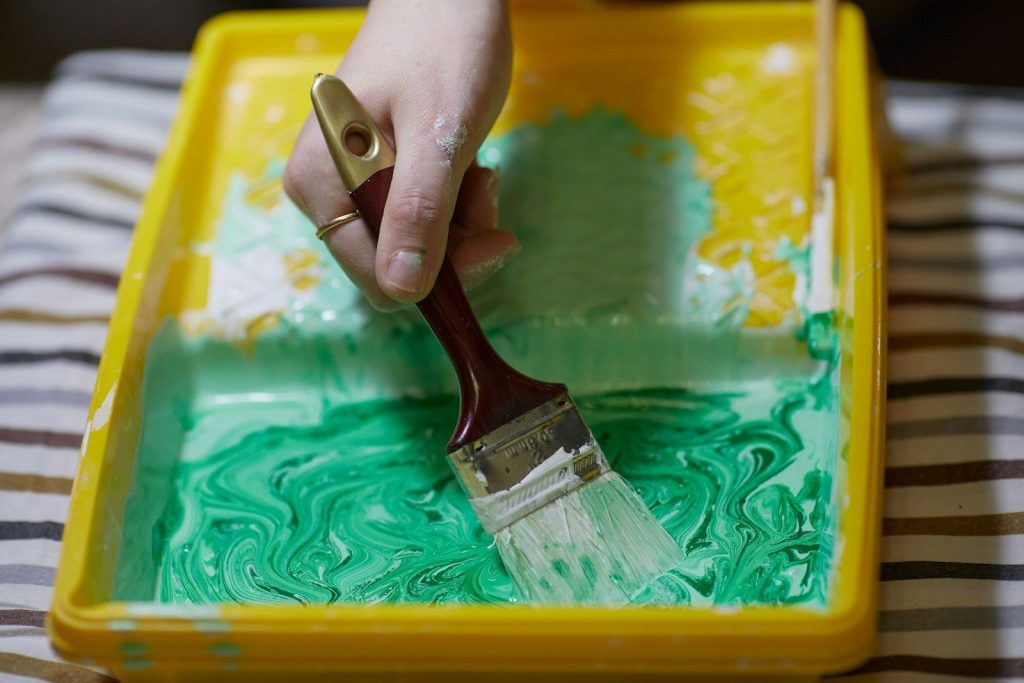
One of the biggest beginner errors is not mixing plastisol properly before heating it. This material contains additives that settle at the bottom if left unstirred.
If not fully blended, the result is uneven texture, sticky bait, or an unusable batch that must be thrown away.
Mistake #2: Incorrect Heating Temperatures
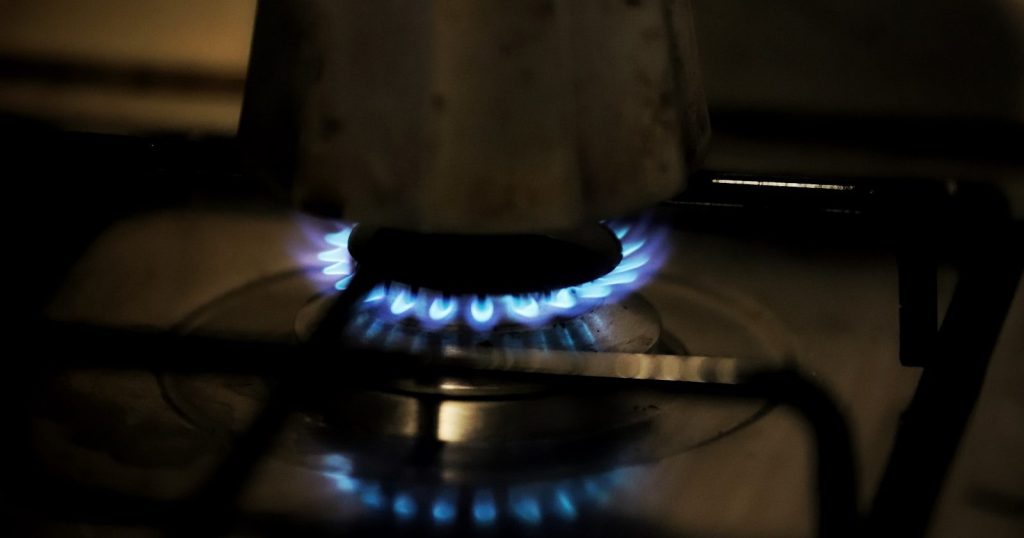
Heating plastisol is a delicate process that requires controlled temperature increases. Many beginners make the mistake of overheating or leaving the material unattended.
Too much heat can damage the chemical structure, while uneven heating creates cloudy or weak baits that do not perform well in water.
Mistake #3: Ignoring Safety and Fumes

Overheated plastisol can release harmful fumes if burned. Even slight overheating can affect air quality in enclosed spaces like garages or kitchens.
Proper ventilation, careful temperature monitoring, and short heating intervals are essential to avoid dangerous conditions during the process.
The Importance of Careful Pouring
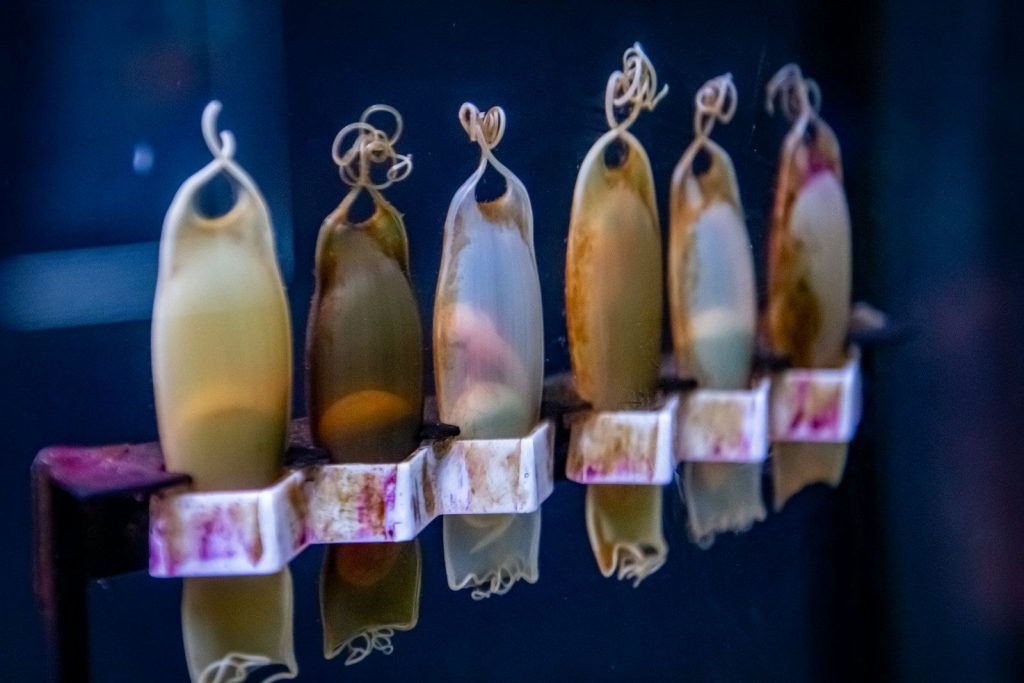
Once the material is properly mixed and heated, pouring it into molds requires steady hands and patience. Even small mistakes can create air bubbles or weak points in the bait.
Consistent technique helps produce clean, durable shapes that behave naturally in water.
Why Hanging the Baits Matters
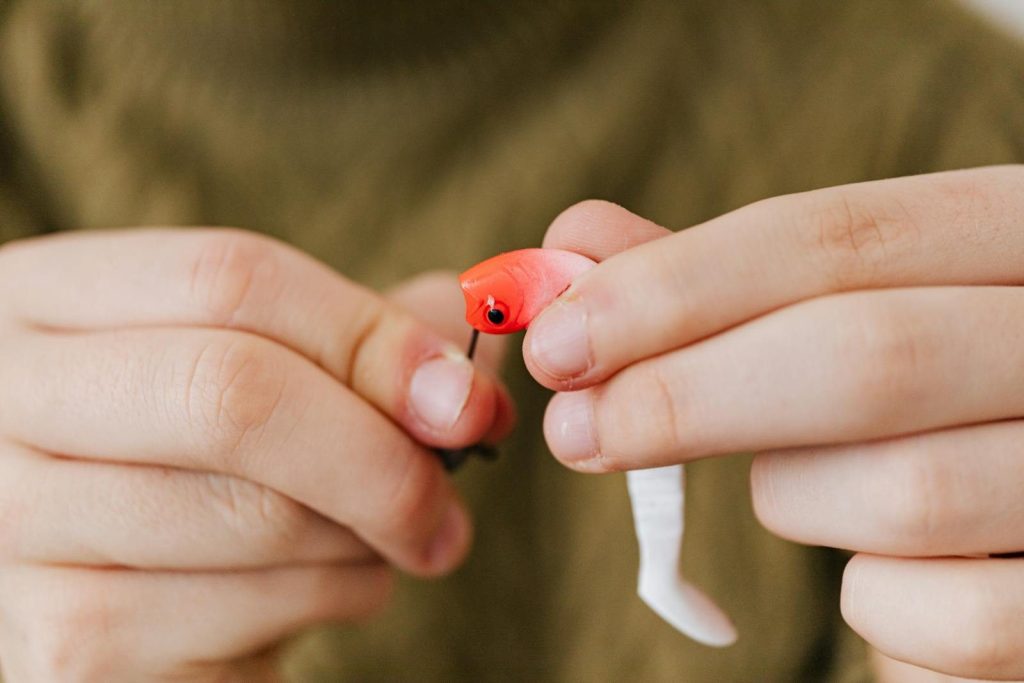
Freshly poured soft plastics are still flexible and can deform if stored too quickly. Many beginners make the mistake of packing them immediately into tackle boxes.
Hanging them vertically allows airflow to stabilize the shape, preventing bends, wrinkles, or performance issues later.
The Reward of Custom Bait Making

Despite the challenges, DIY soft-plastic bait making gives anglers full control over color, size, and action. This customization can make a major difference in fishing success.
For many, the process becomes more than just bait making, it becomes part of the fishing experience itself, blending creativity, science, and outdoor skill.