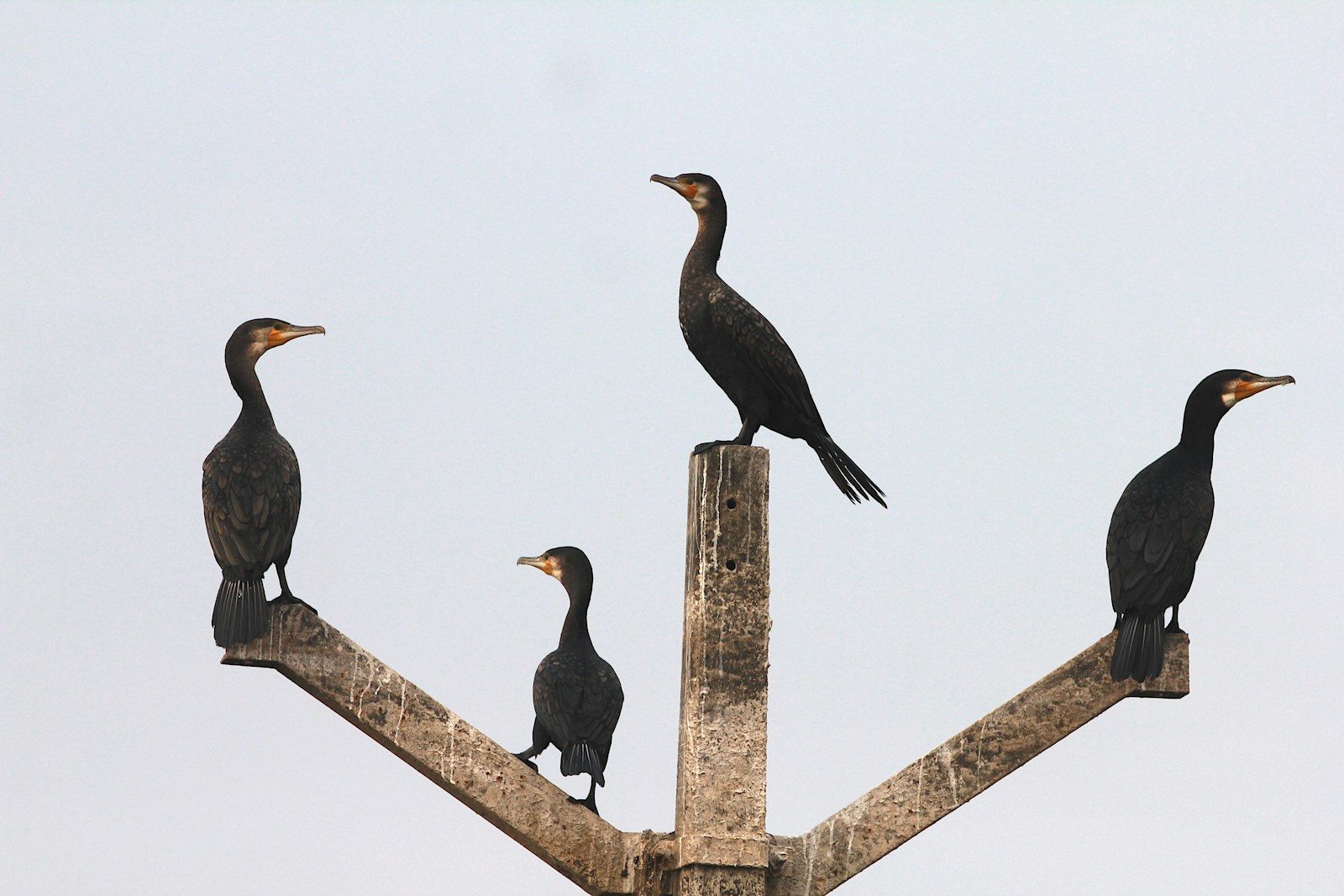
Few birds frustrate fishermen more than cormorants. These dark water birds are famous for their fishing skills, huge appetites, and ability to empty lakes and rivers of fish faster than many people expect.
While bird lovers admire their hunting ability and survival skills, many fishermen see them as serious competition. In some areas, the birds have even earned the nickname “birds from hell” because of the problems they can create near popular fishing spots.
Cormorants Are Expert Fish Hunters
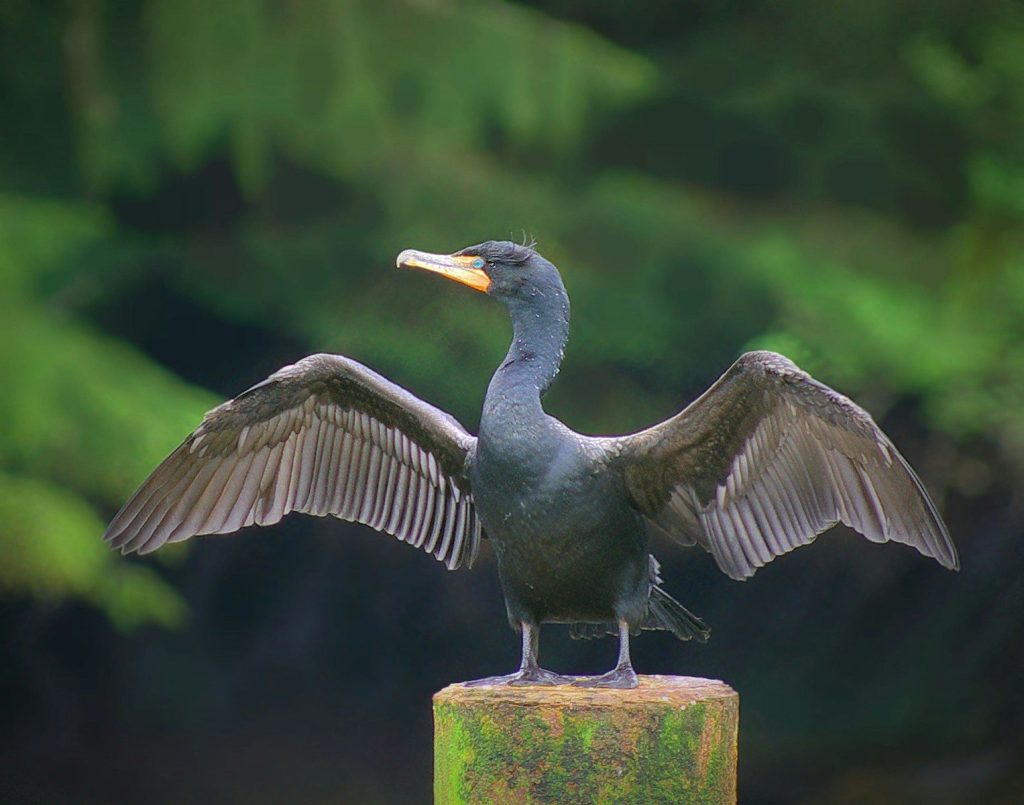
Cormorants are built for catching fish. They dive underwater with incredible speed and can stay submerged long enough to chase fish through deep water.
Their sharp hooked beaks and strong swimming ability make them highly effective predators. Large groups of cormorants can catch enormous amounts of fish in a single day.
Fishermen Blame Them for Declining Fish Populations
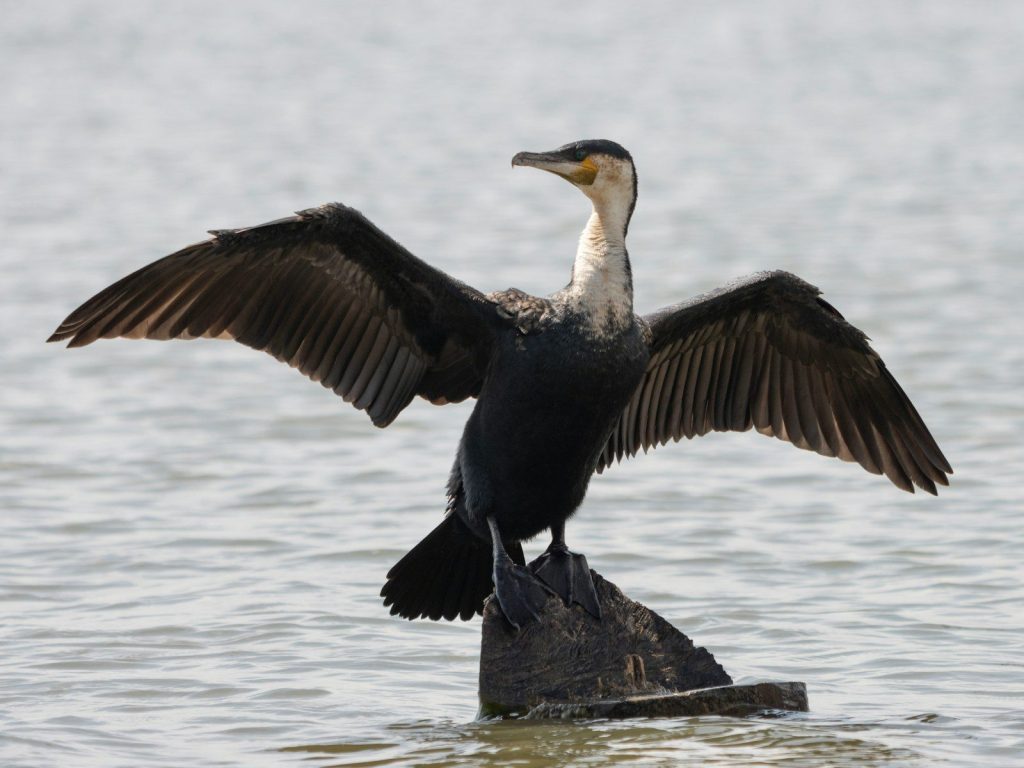
Many commercial and recreational fishermen believe growing cormorant populations are reducing fish numbers in lakes and rivers. The birds often target the same species that humans want to catch.
In heavily populated fishing areas, large flocks may gather around docks, rivers, and hatcheries where fish are easier to find.
Their Colonies Can Damage Trees and Shorelines
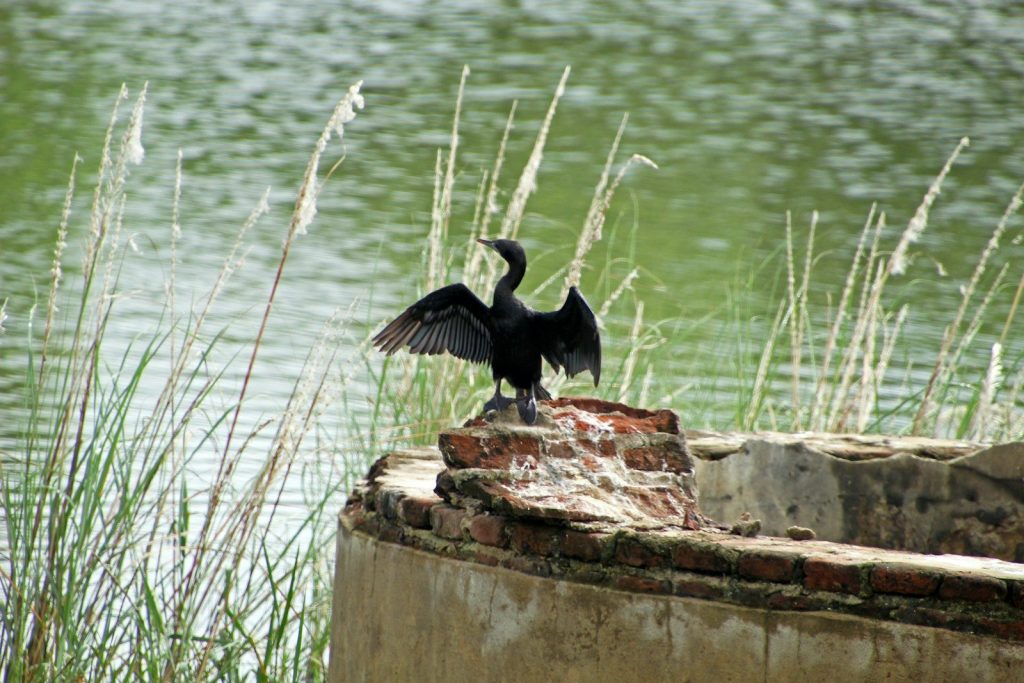
Cormorants often nest in large colonies near water. Over time, their droppings can kill trees and damage vegetation because of the high acidity and nutrient buildup.
Some islands and shorelines have reportedly lost large sections of plant life after years of heavy cormorant nesting activity.
They Are Surprisingly Powerful Underwater
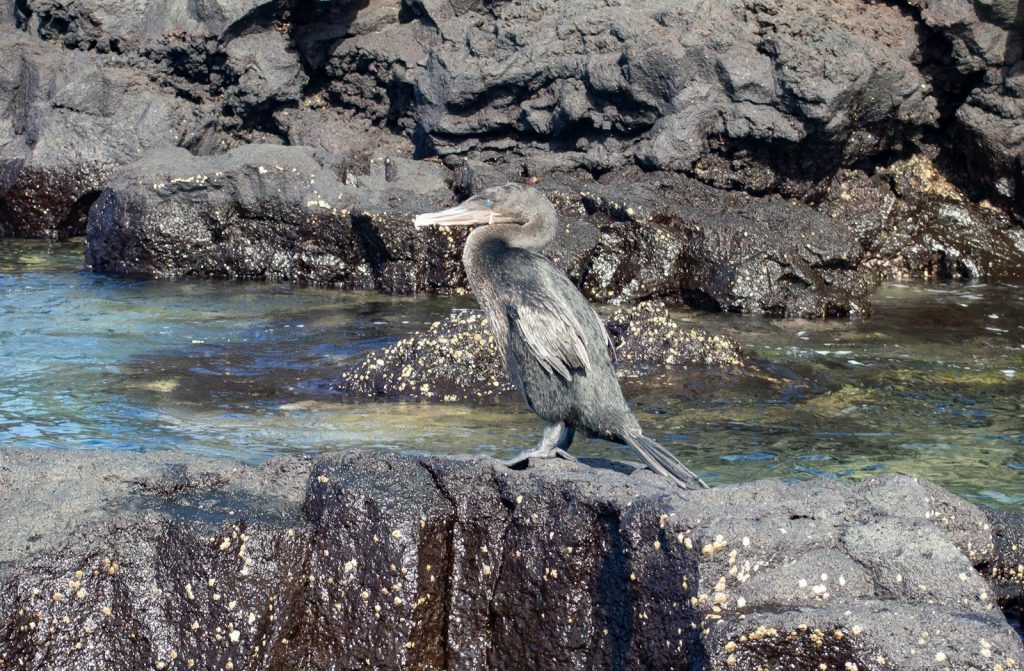
Although cormorants may appear awkward on land, they become extremely fast and agile once underwater. Their bodies are designed for diving rather than floating like ducks.
Unlike many water birds, cormorants do not have fully waterproof feathers. This helps them dive deeper and move faster beneath the surface.
Not Everyone Sees Them as a Problem
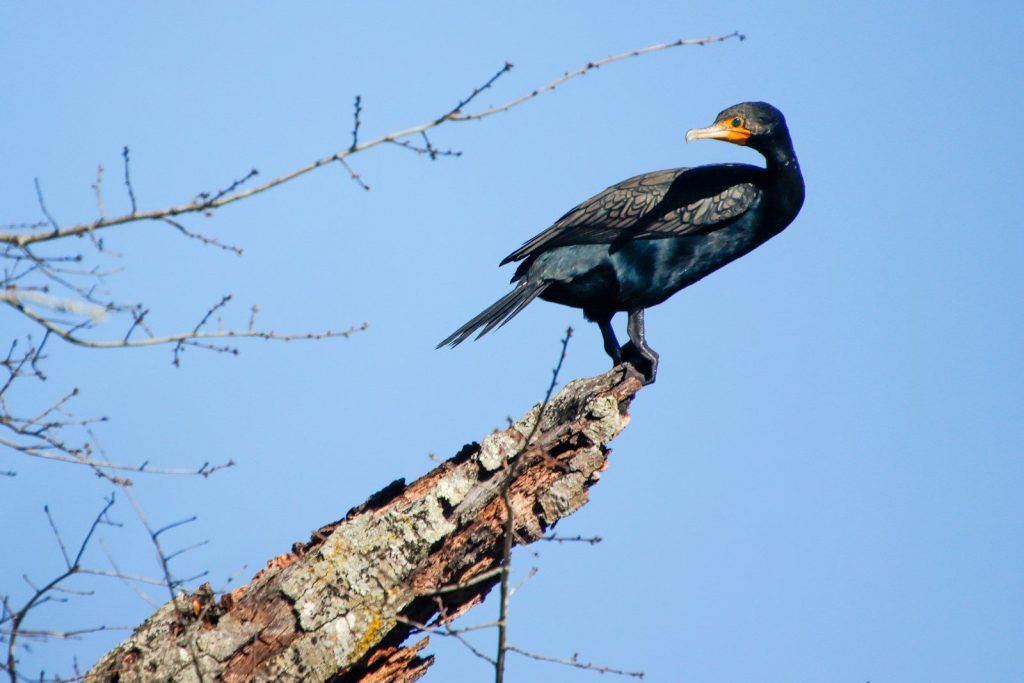
Wildlife experts argue that cormorants are a natural part of aquatic ecosystems. They point out that overfishing, pollution, and habitat destruction also play major roles in fish population declines.
Some scientists believe the birds are unfairly blamed for environmental problems caused mainly by human activity.
Cormorants Have Recovered After Population Declines
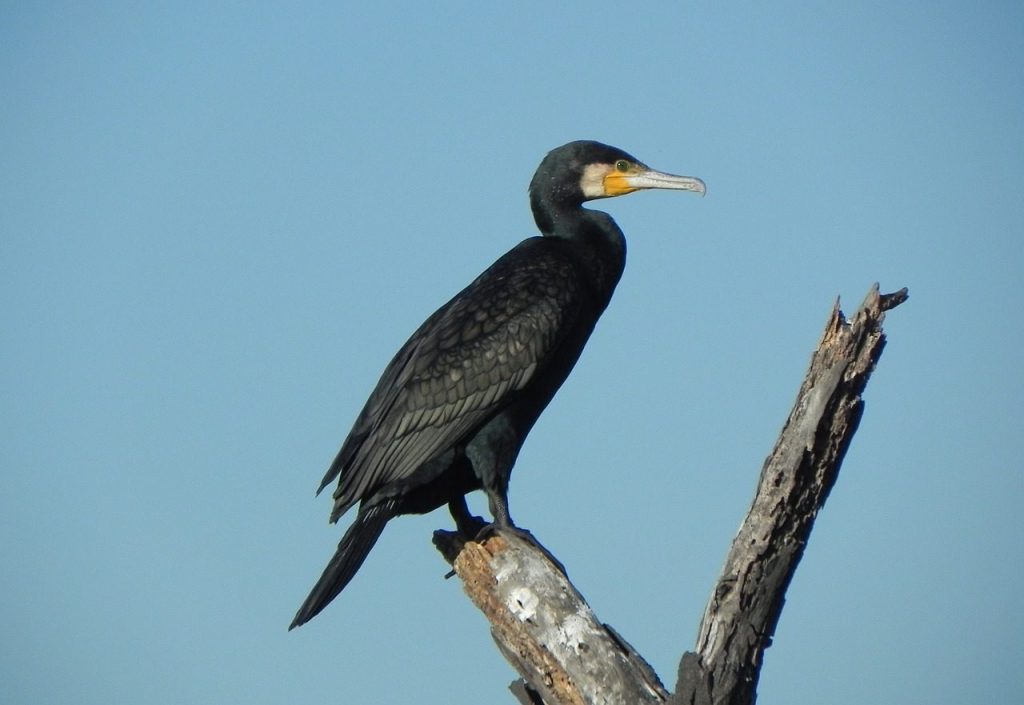
Cormorant populations once dropped sharply in parts of North America because of pollution and pesticide use. Conservation efforts and environmental protections later helped many populations recover.
As their numbers increased again, conflicts between birds and fishermen became more common.
Why These Birds Continue To Divide Opinions
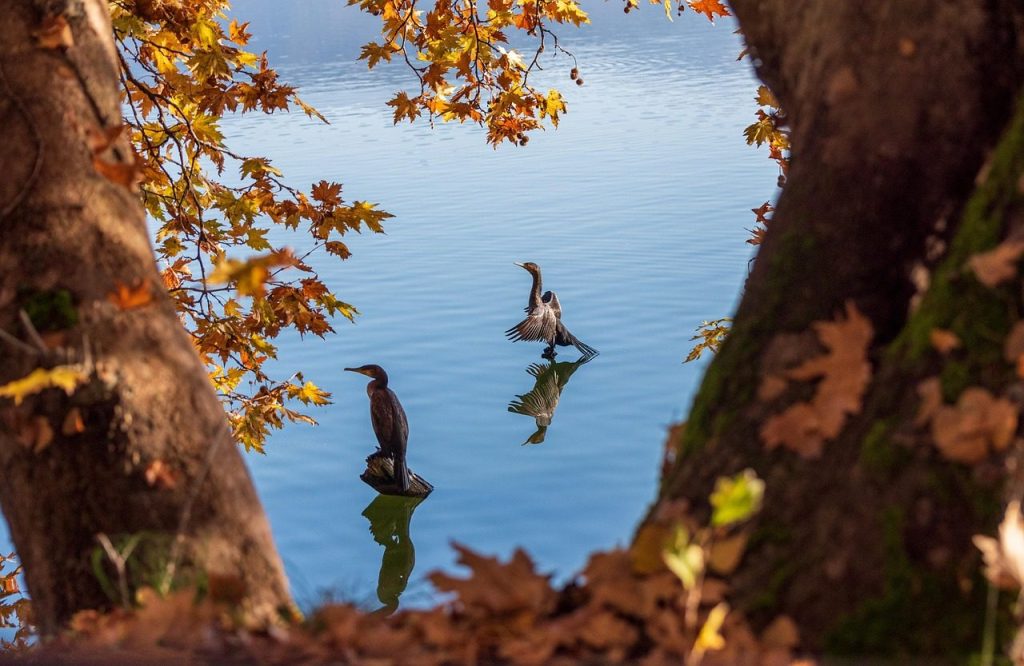
Cormorants represent the ongoing balance between wildlife conservation and human industries. To some people, they are fascinating and highly skilled birds that deserve protection.
To others, they are aggressive fish hunters that create problems for local fishing communities. Either way, these powerful birds continue to spark debate anywhere they appear in large numbers.