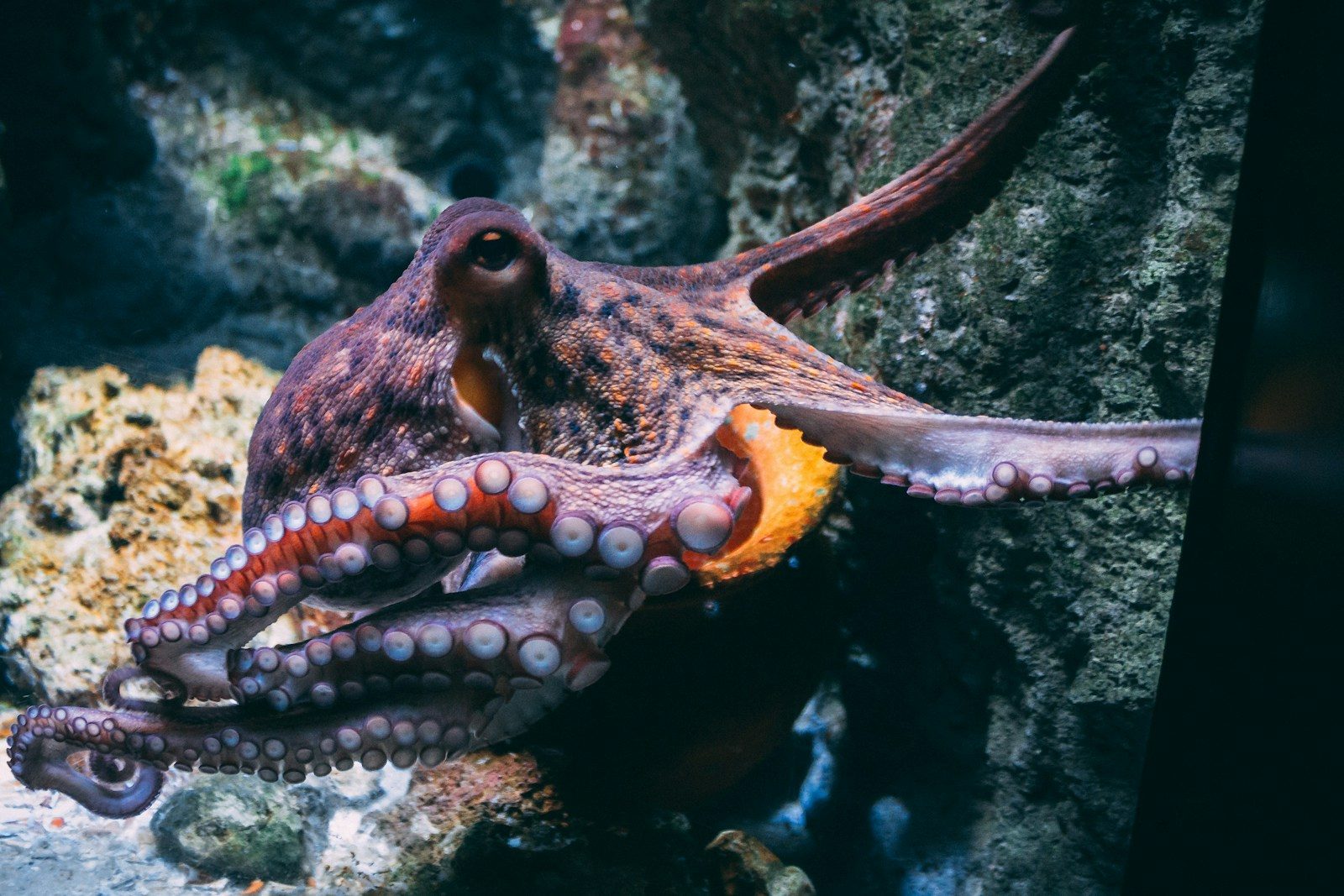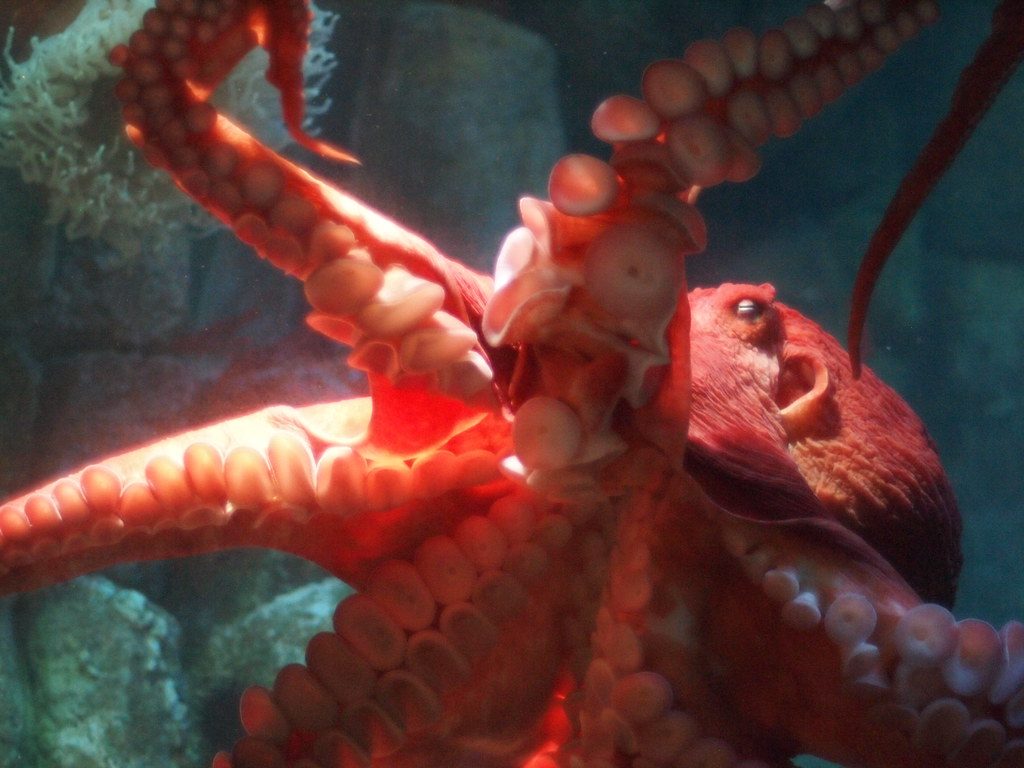
A newly identified prehistoric cephalopod may have been one of the largest invertebrates to ever exist. According to new research, an enormous octopus-like predator measuring up to 62 feet (19 meters) long roamed Earth’s oceans between 72 and 100 million years ago, during the Late Cretaceous period. Scientists say the colossal hunter may have rivaled giant marine reptiles such as mosasaurs, challenging long-held assumptions about the top predators of ancient seas.
Ancient Fossils Reveal a Massive Marine Predator
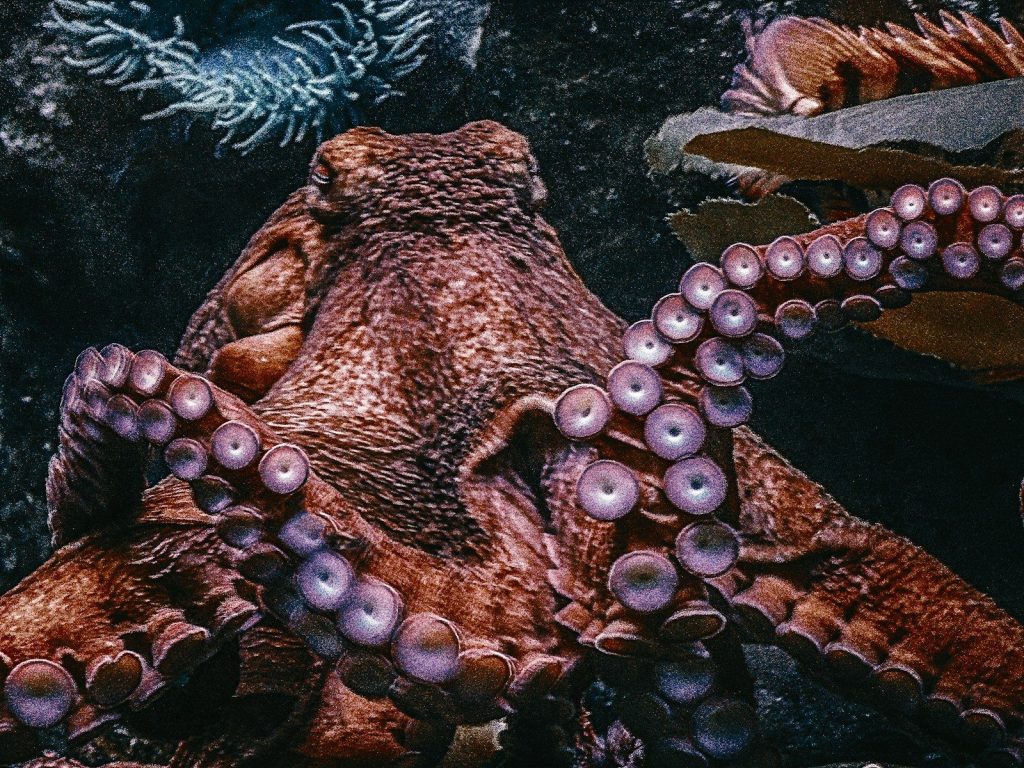
The discovery came after researchers reexamined 15 fossilized jaws belonging to extinct relatives of modern octopuses. Using new analytical techniques, they identified two previously unknown species, including Nanaimoteuthis haggarti, the larger of the two.
Researchers estimate the giant cephalopod could reach lengths of up to 62 feet, making it comparable in size to a sperm whale and significantly longer than a London double-decker bus.
Powerful Jaws Suggest a Fearsome Hunter
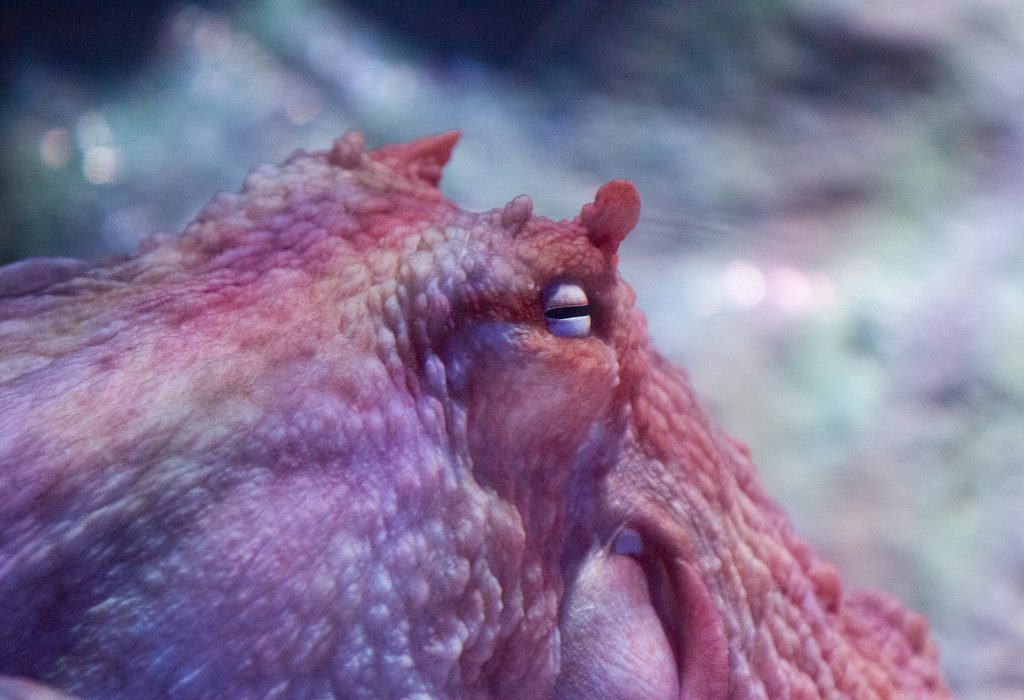
The fossilized jaws showed extensive wear, indicating the animals regularly crushed hard shells and bones. Scientists believe the giant cephalopods used their powerful beaks alongside long, flexible arms to seize and dismantle large prey.
Rather than being passive prey themselves, the researchers suggest these animals occupied the role of apex predators in ancient marine ecosystems.
A Smaller Relative Also Shared the Seas
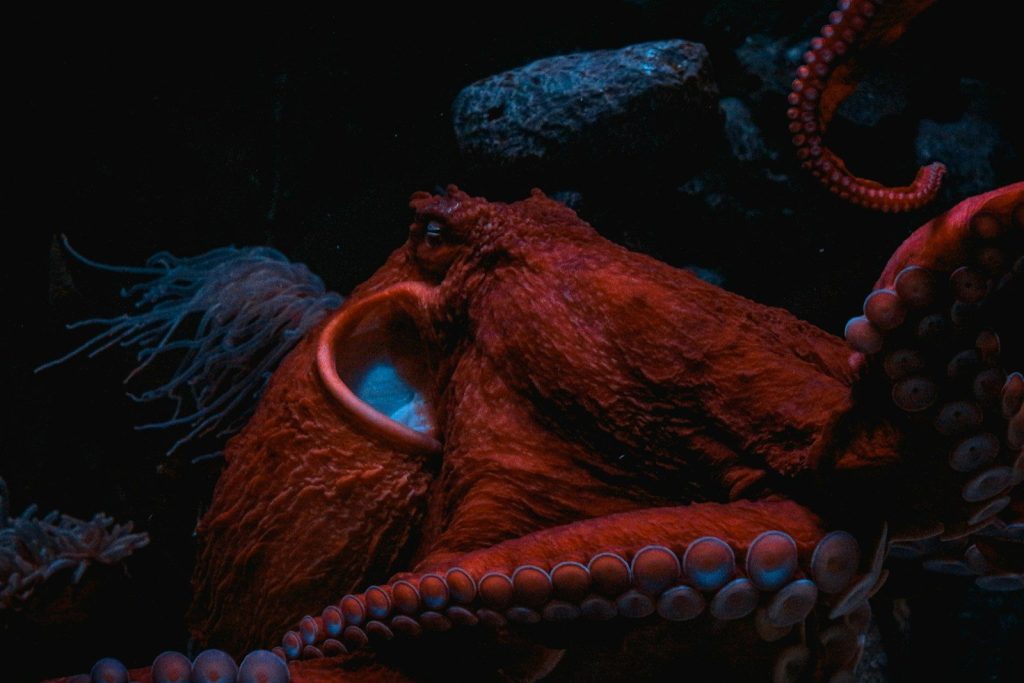
Alongside the giant species, scientists identified a second predator named Nanaimoteuthis jeletzkyi, which reached lengths of about 26 feet (8 meters). Although considerably smaller, it also displayed features consistent with an active hunting lifestyle.
The findings suggest that multiple large octopus-like predators coexisted in Late Cretaceous oceans, filling ecological roles previously thought to belong only to sharks and giant marine reptiles.
Evidence Points to Advanced Intelligence
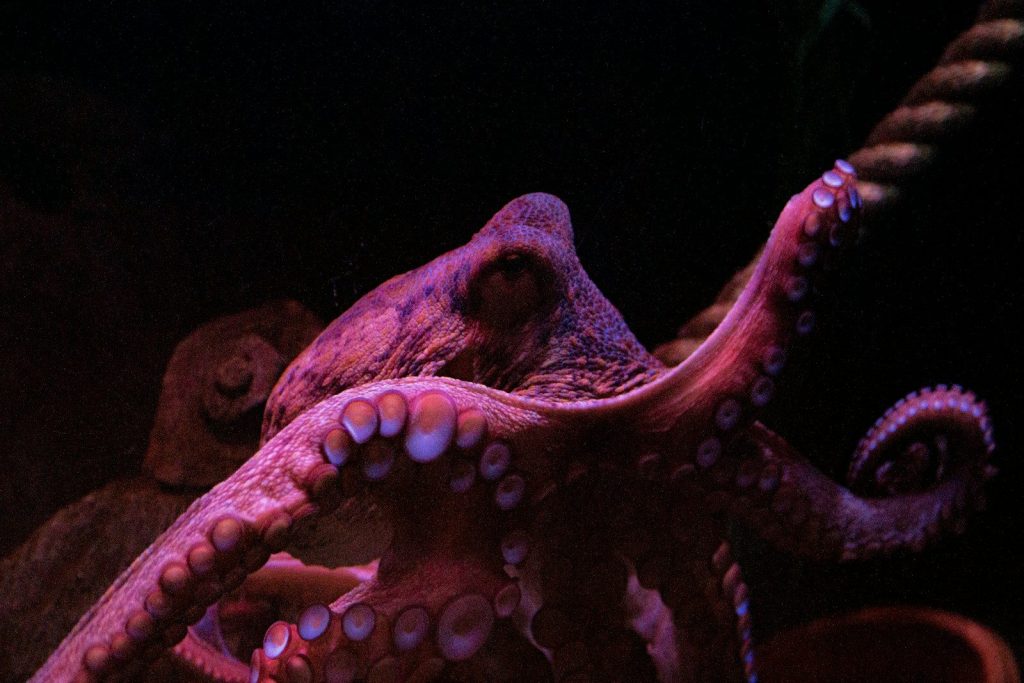
One of the study’s most intriguing findings came from the pattern of wear on the fossilized jaws. Researchers noticed uneven wear between the left and right sides, suggesting the animals may have favored one side while feeding—similar to handedness in some modern animals.
This behavior is linked to advanced brain function, leading scientists to propose that these ancient cephalopods may already have possessed sophisticated intelligence millions of years ago.
Why Their Size Surprised Scientists
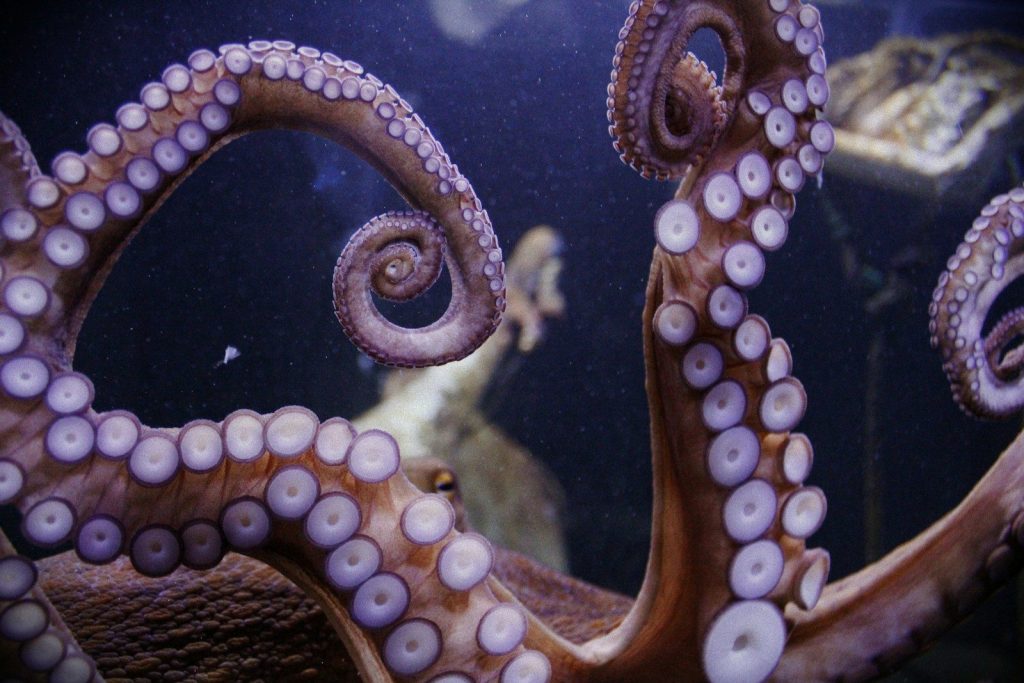
Modern octopuses have soft bodies and lack protective shells, a body plan generally considered a disadvantage for growing to enormous sizes. However, researchers believe this flexible anatomy may have provided exceptional mobility, vision, and hunting abilities that allowed these ancient predators to compete with some of the ocean’s largest reptiles.
The discovery challenges previous ideas about prehistoric marine ecosystems and suggests giant cephalopods played a much more significant role than previously recognized.