The animal kingdom is full of behaviors that seem strange, amusing, or even unbelievable at first glance. From birds performing elaborate dances to mammals playing dead, many of these unusual actions have evolved over thousands of years to improve survival, attract mates, or protect against predators.
Although some behaviors appear odd through a human lens, they often serve a practical purpose in the wild. Scientists continue to study these fascinating adaptations to better understand how different species communicate, reproduce, and respond to their environments.
Opossums Play Dead to Fool Predators
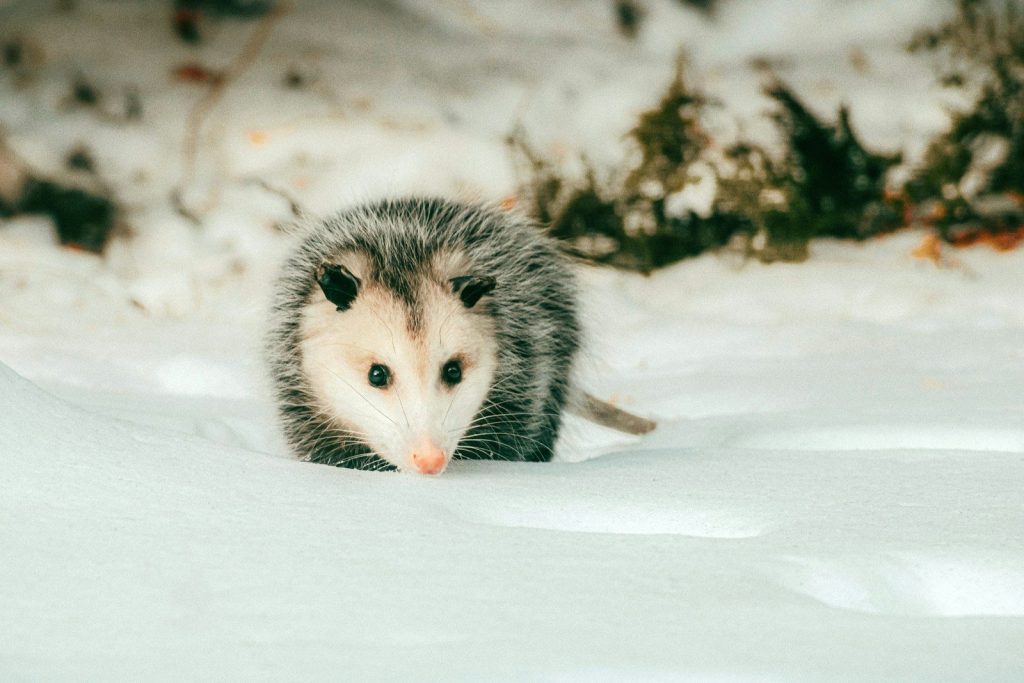
One of the best known defensive behaviors belongs to the opossum, which may collapse into an involuntary state that resembles death when faced with extreme danger. During this response, the animal becomes limp and may even release an unpleasant odor that mimics decay.
Many predators lose interest in prey that appears dead, giving the opossum a better chance of surviving. This remarkable defense is an automatic biological response rather than a conscious performance.
Penguins Propose With Pebbles
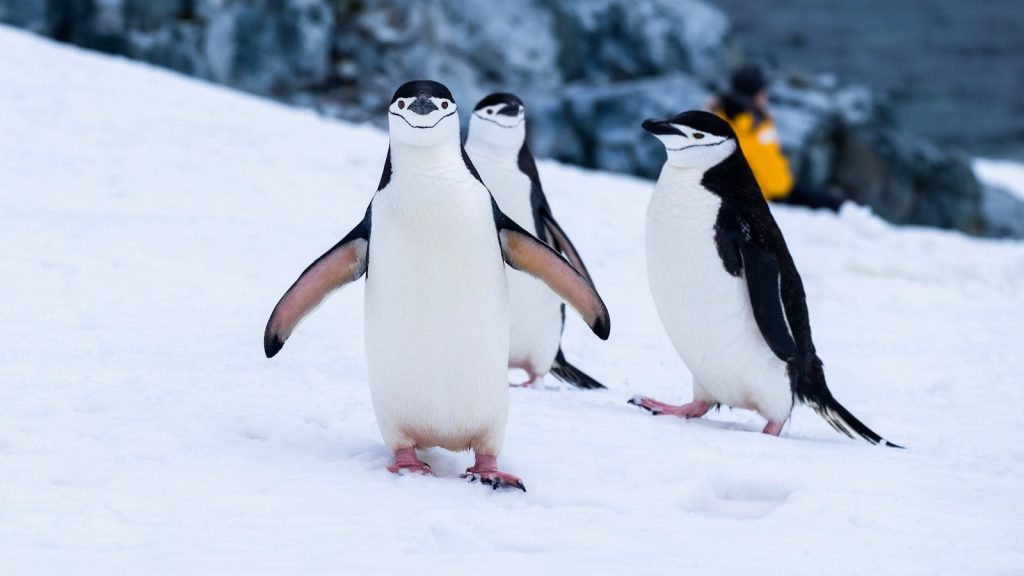
Some penguin species strengthen pair bonds by offering carefully selected pebbles during courtship. These stones are also valuable building materials for nests, making them both practical and symbolic gifts.
Choosing and presenting a pebble demonstrates the bird’s commitment to its mate. Successful pairs often continue adding stones together throughout the breeding season.
Crows Hold Grudges and Remember Faces
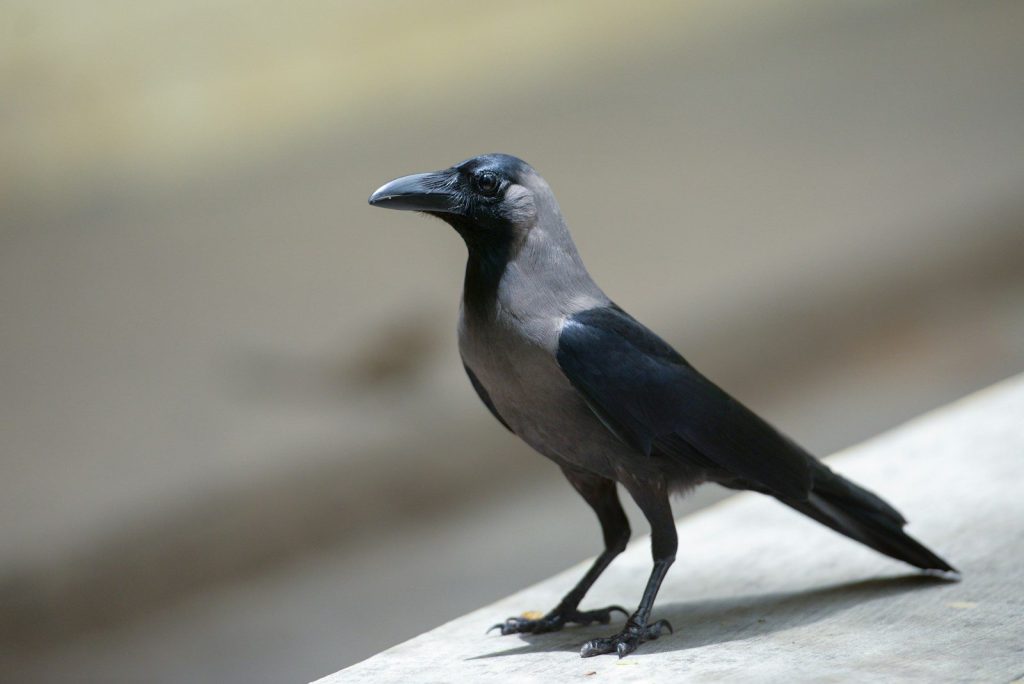
Crows are among the most intelligent birds and can recognize individual human faces for years. If they associate someone with a negative experience, they may remember that person and even warn other crows.
This impressive memory helps protect the group from potential threats. It also highlights the sophisticated social intelligence found in these remarkable birds.
Dolphins Sleep With Half Their Brain Awake
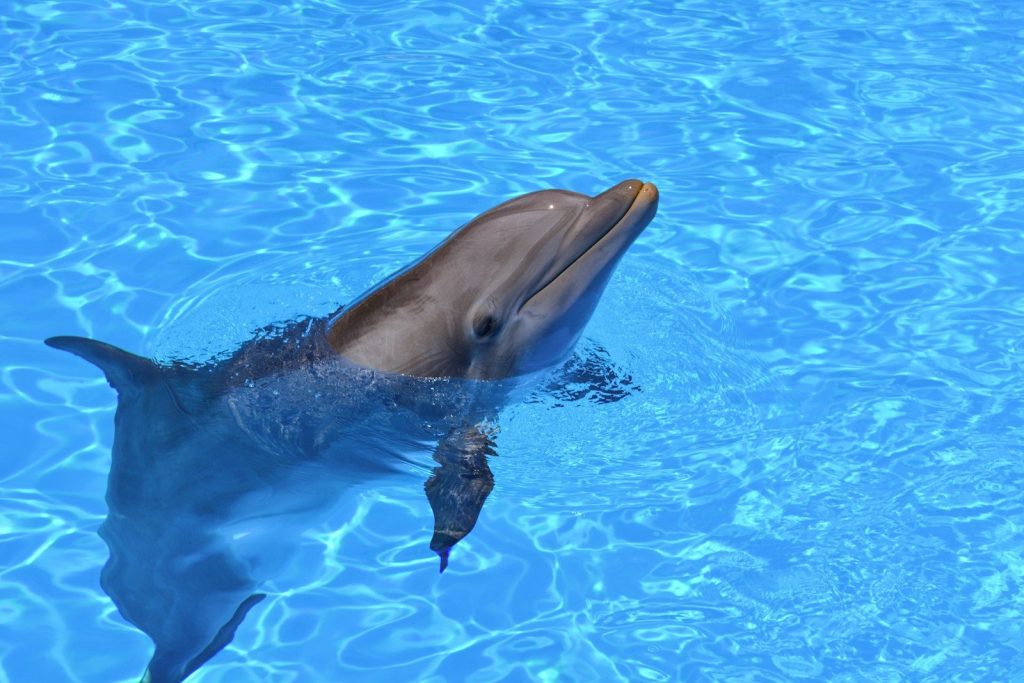
Unlike humans, dolphins cannot become completely unconscious because they must continue surfacing to breathe. Instead, they allow one half of the brain to rest while the other remains alert.
This unique sleeping pattern enables them to monitor their surroundings and avoid predators while still getting the rest they need. It is an extraordinary adaptation for life in the ocean.
Goats Climb Nearly Vertical Cliffs
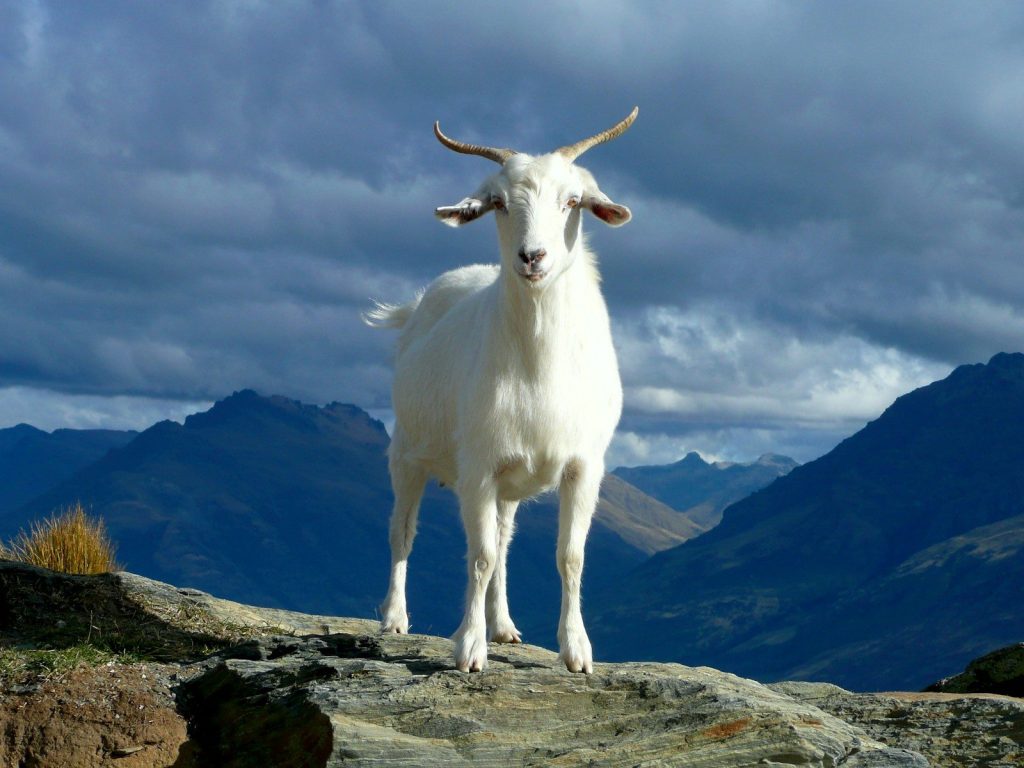
Mountain goats and several related species are famous for scaling steep rock faces that appear impossible to climb. Their specialized hooves provide exceptional grip on narrow ledges and rugged terrain.
These daring climbs help them reach food while avoiding many predators that cannot follow. Their balance and agility are among the best in the animal kingdom.
Octopuses Collect Objects From Their Environment
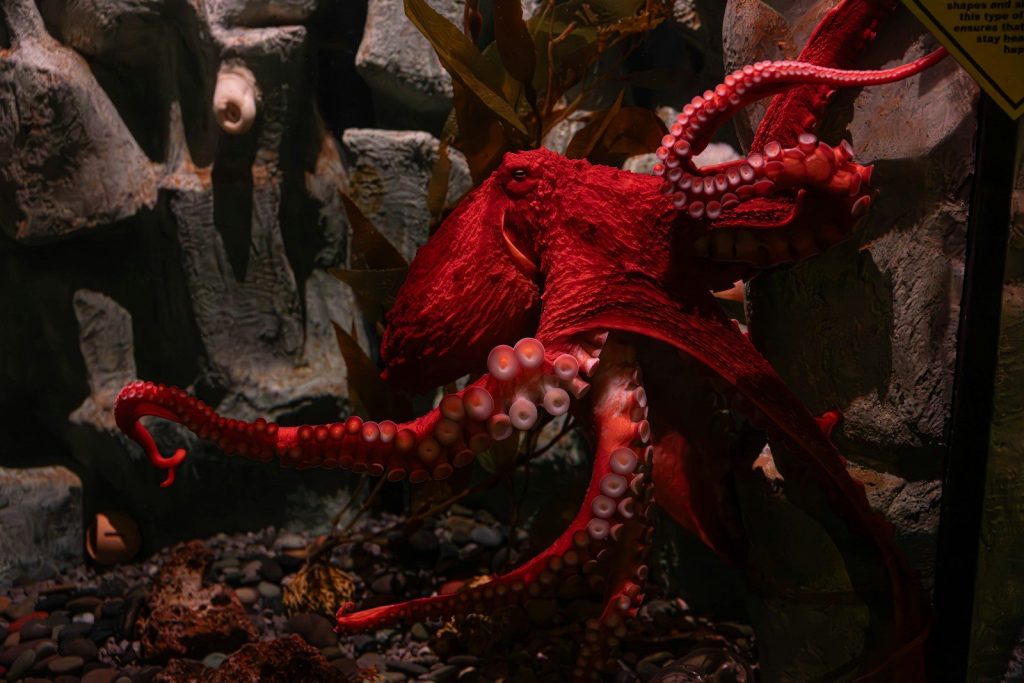
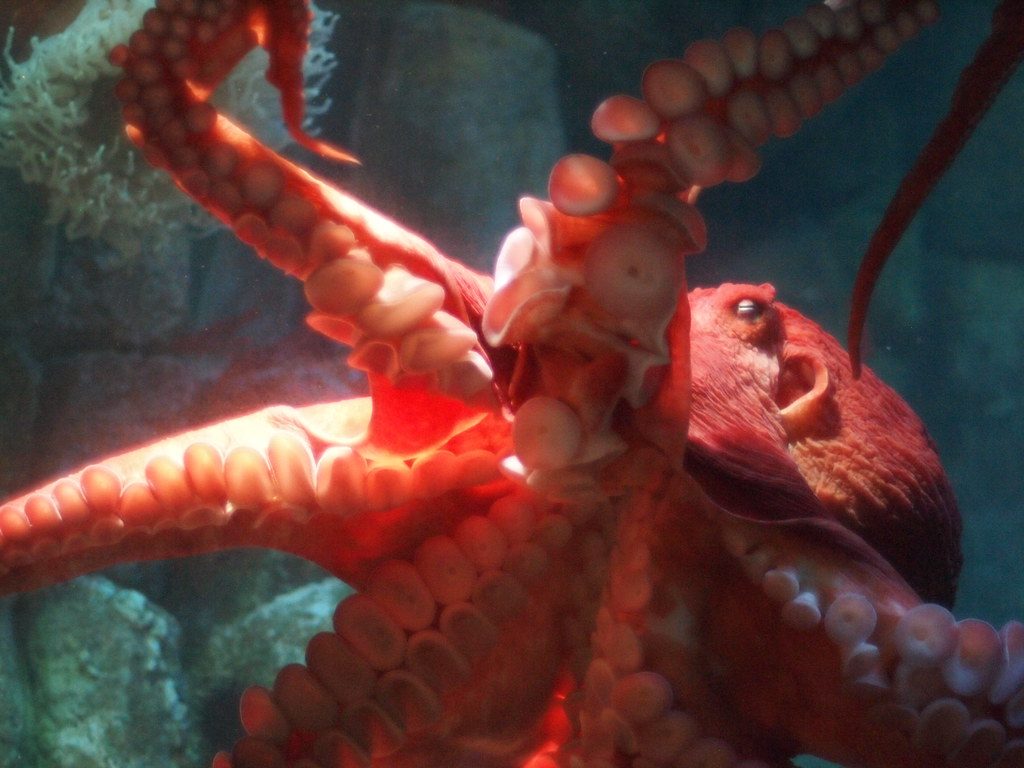
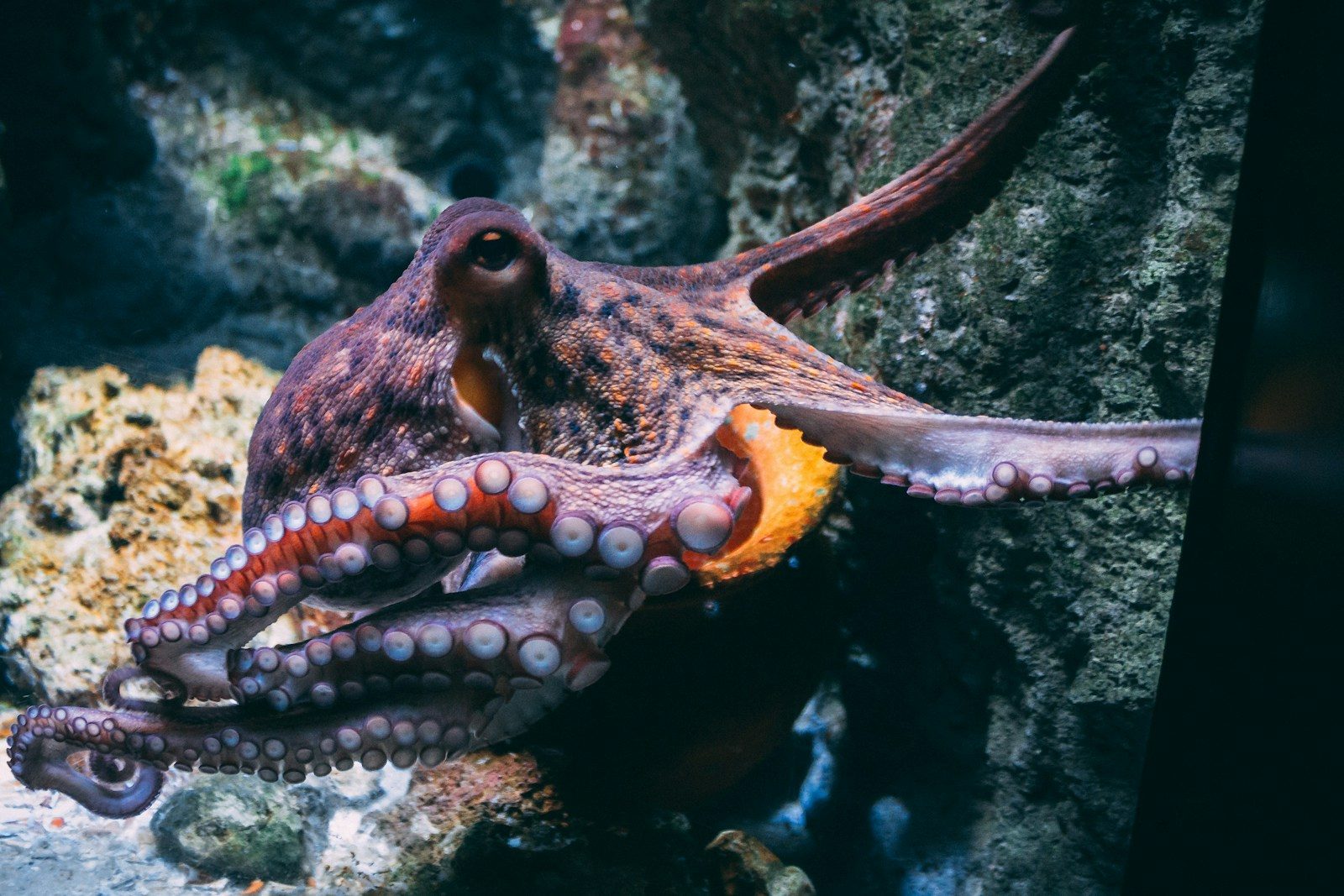
Octopuses are highly intelligent invertebrates that often gather shells, coconut halves, or other objects from the seafloor. They may use these items as shelters, camouflage, or protection from predators.
This behavior demonstrates advanced problem solving and tool use, abilities once thought to be limited to a few vertebrate species. Their adaptability continues to amaze marine researchers.