The natural world is full of species that look unusual, behave oddly, or survive in ways that seem almost impossible. Many of these animals remain unknown to most people because they live in remote habitats or are rarely seen in the wild.
From deep forests to ocean floors, these creatures show how creative evolution can be. Each one has unique adaptations that help it survive in its environment.
Okapi
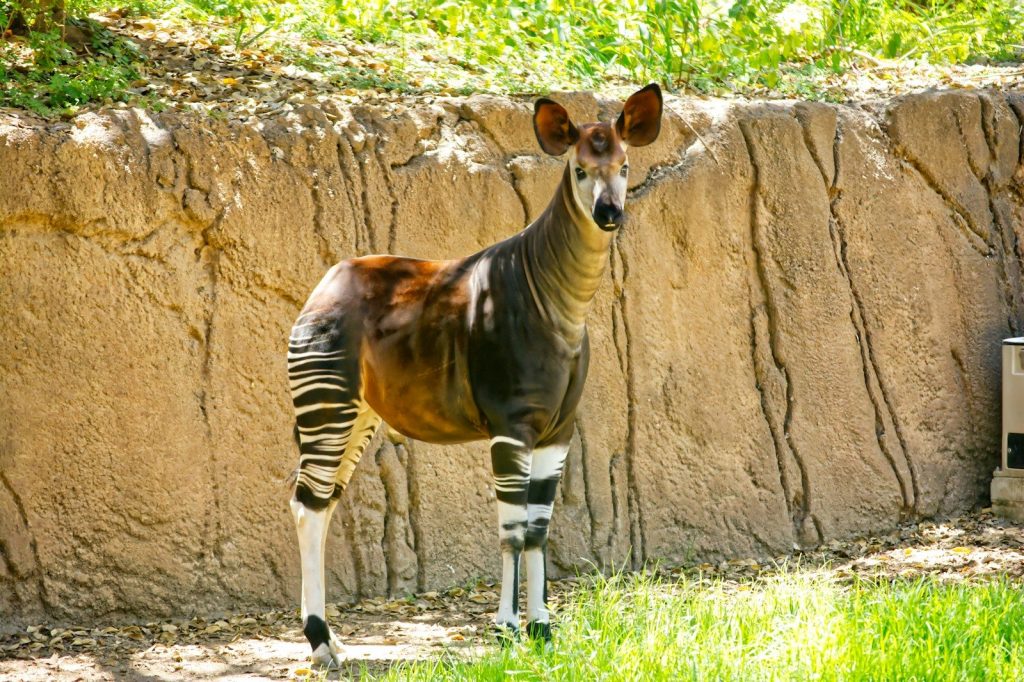
The okapi looks like a mix between a zebra and a giraffe but is actually a close relative of the giraffe. It lives in dense rainforests where it is rarely seen by humans.
Its striped legs help it blend into forest shadows. Despite its unusual appearance, it is a shy herbivore that avoids open areas.
Star-Nosed Mole
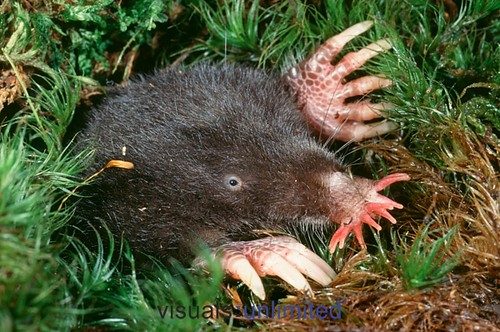
The star-nosed mole has a bizarre star-shaped nose used for sensing prey. This structure is extremely sensitive and helps it detect food in dark underground tunnels.
It can identify and consume prey in fractions of a second. Its sensory ability is considered one of the fastest in the animal kingdom.
Glass Frog
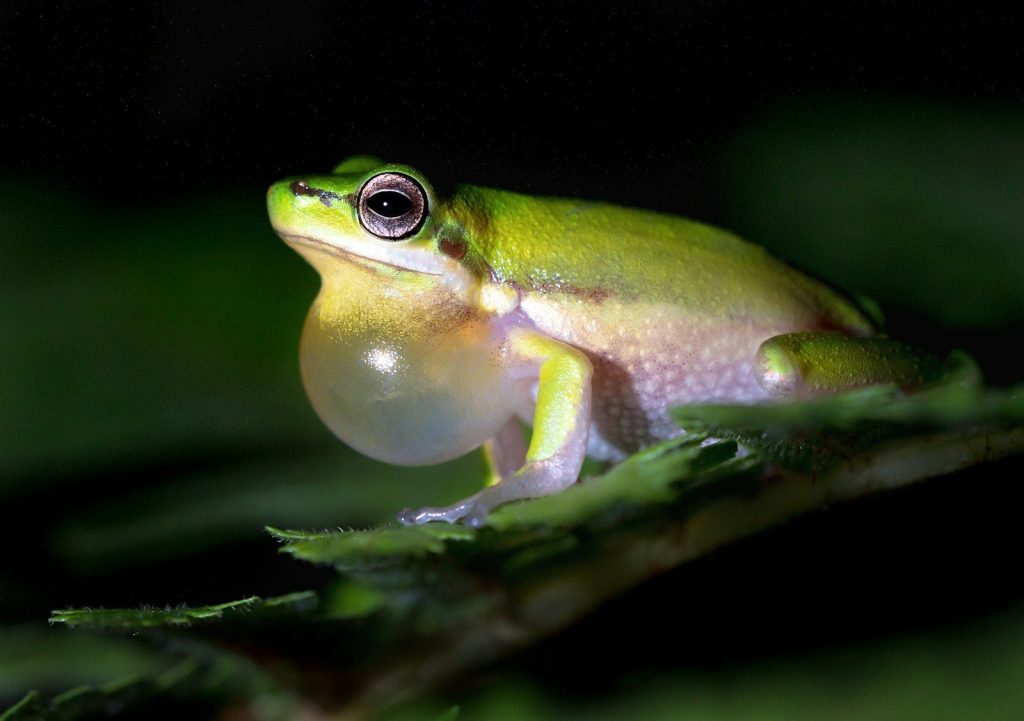
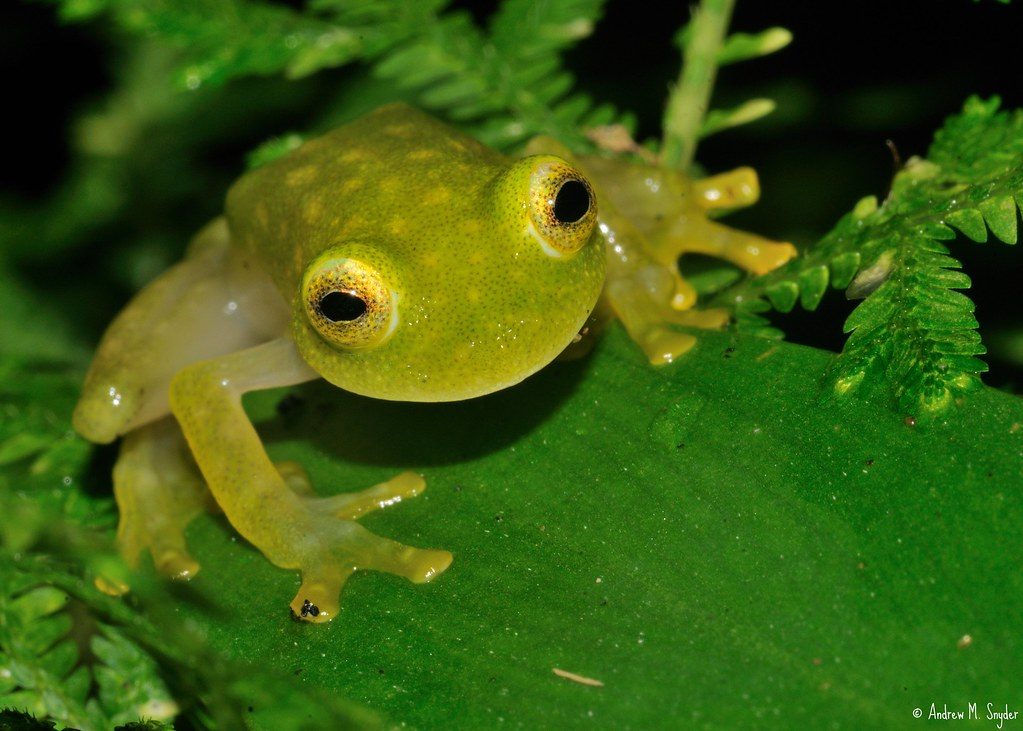
The glass frog has translucent skin that allows its internal organs to be visible. This unusual adaptation helps it blend into leafy surroundings.
It is mainly found in Central and South American rainforests. Its see-through body is one of the most striking camouflage strategies in nature.
Shoebill Stork
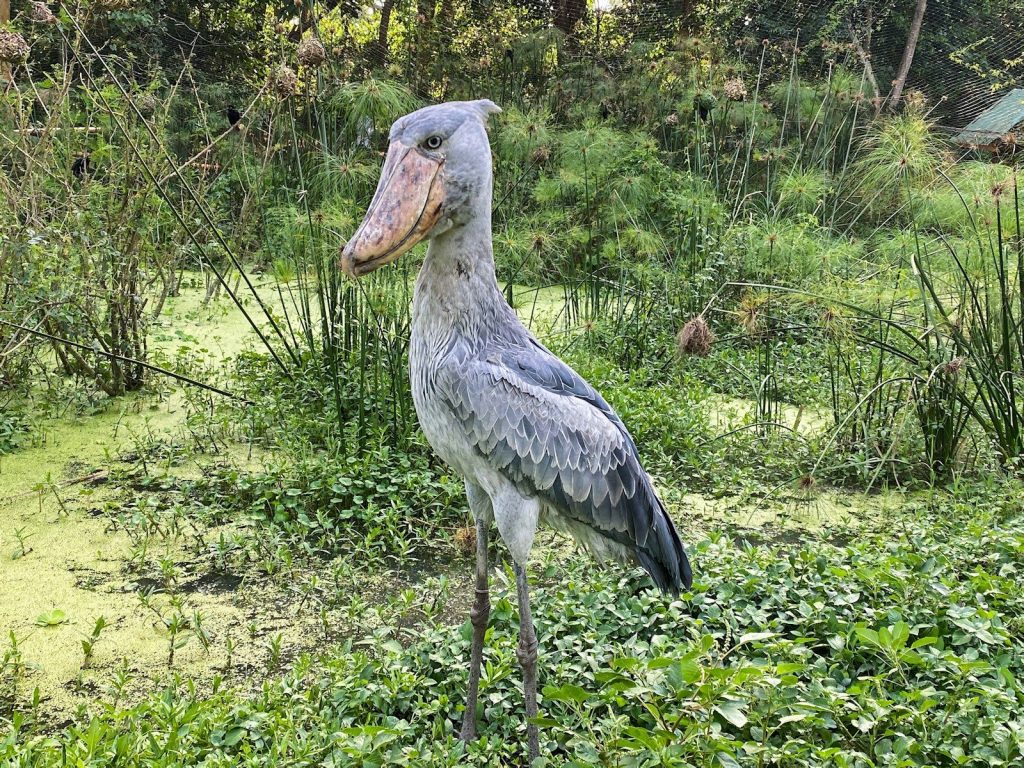
The shoebill stork is a large bird with a massive shoe-shaped beak. It is a slow-moving predator that hunts fish and amphibians.
Despite its intimidating look, it is often still and patient while hunting. It is found in African wetlands and swamps.
Leafy Sea Dragon
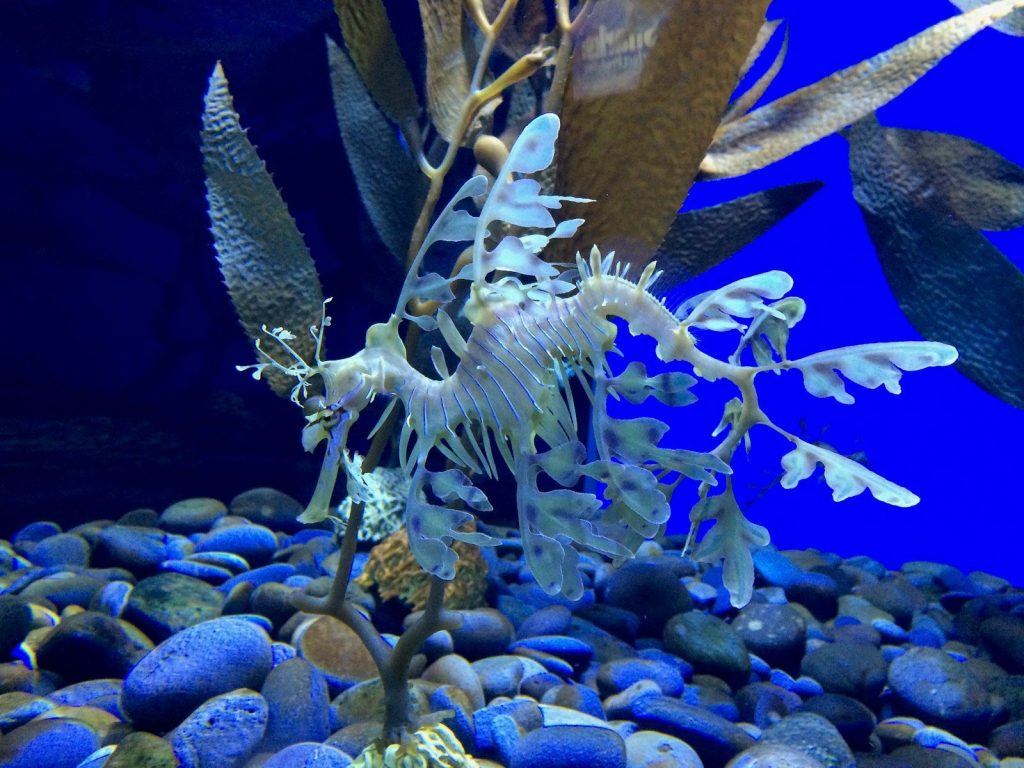
The leafy sea dragon is a marine fish that looks like drifting seaweed. Its body is covered in leaf-like appendages for camouflage.
It moves slowly and relies on blending into seaweed beds to avoid predators. It is one of the most visually unique sea creatures in the world.
Axolotl
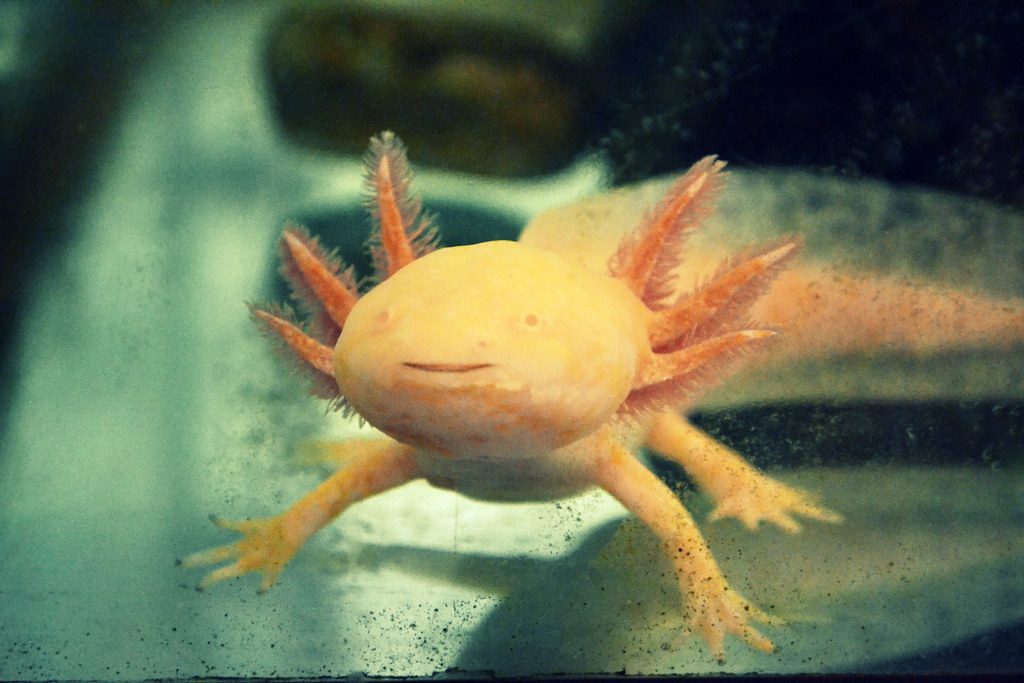
The axolotl is an aquatic amphibian famous for its ability to regenerate limbs and even parts of its heart. Unlike most amphibians, it remains in a juvenile-like state throughout its life.
This rare trait allows it to stay fully aquatic instead of transforming into a land-dwelling adult. Scientists study it closely for its remarkable healing abilities.