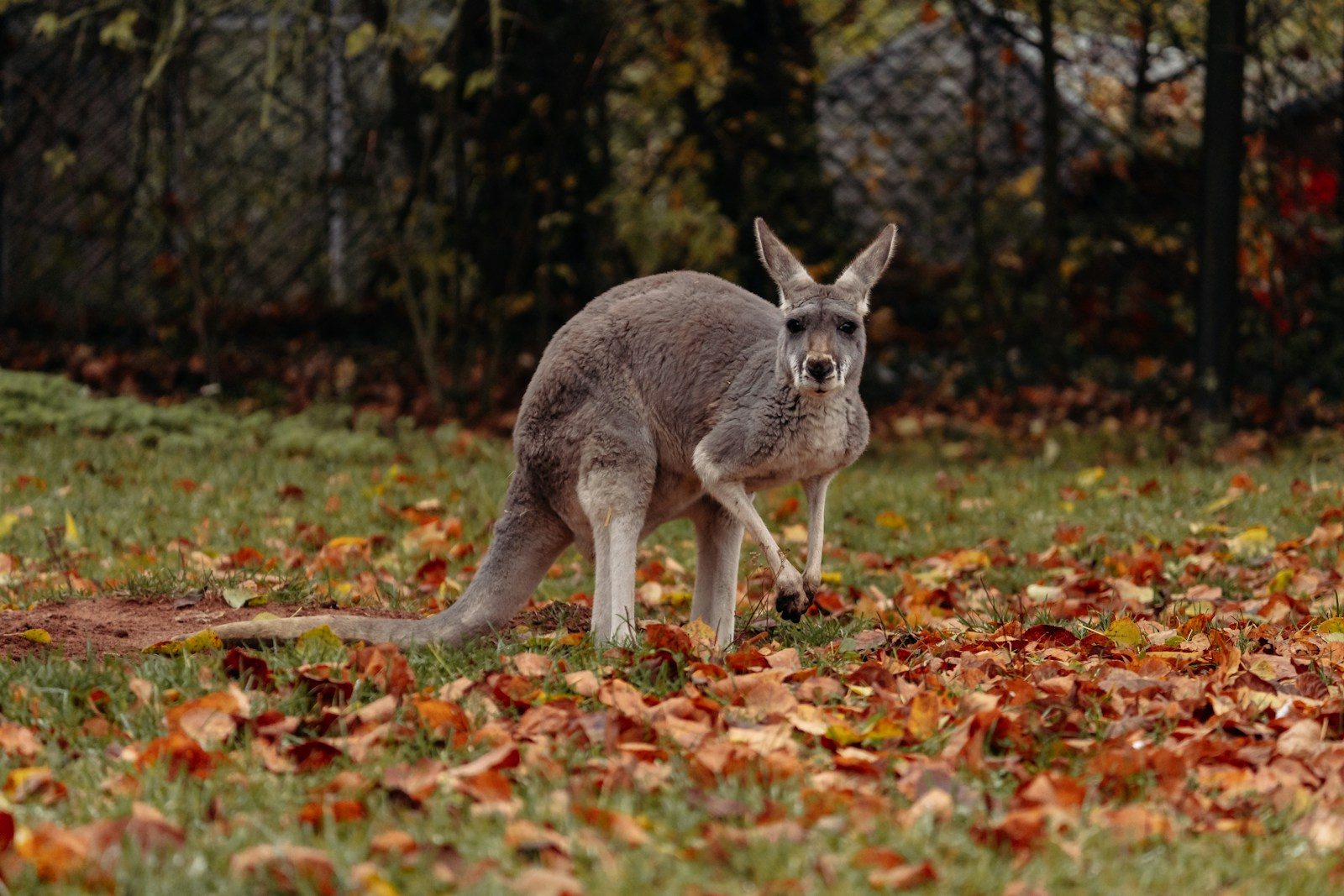
Kangaroos are among the most iconic animals in Australia, known for their powerful legs, unique hopping movement, and distinctive pouches. They are marsupials, meaning their young develop in a pouch after birth, making their reproductive system one of the most unusual in the animal kingdom.
Beyond their familiar image, kangaroos have many surprising traits that help them survive in harsh environments and make them one of the most fascinating animals on Earth.
Powerful Jumping Ability
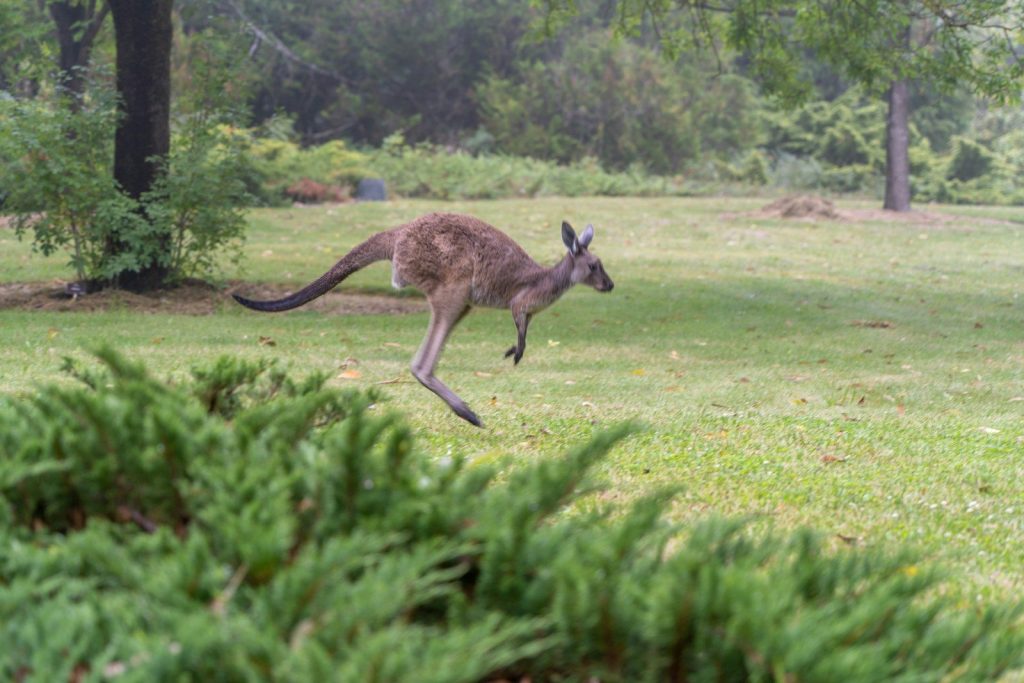
Kangaroos are built for movement, with strong hind legs that act like natural springs. They can leap long distances in a single jump and travel quickly across open land.
This hopping motion is highly energy-efficient, allowing them to cover large areas while using less energy than many other animals. Their tail also acts like a balance system and helps support movement.
Unique Way of Moving
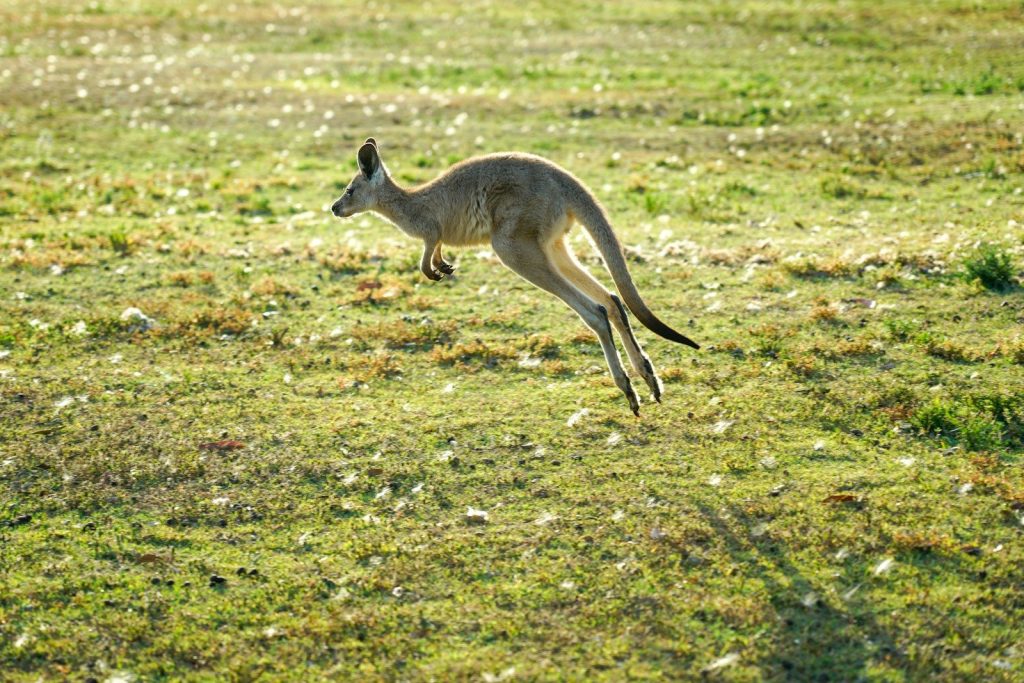
Unlike most animals, kangaroos cannot walk backward. Their body structure is designed specifically for forward motion using hopping as the main form of travel.
When moving slowly, they use their tail along with their limbs in a coordinated motion. This gives them stability while conserving energy.
Special Reproductive System
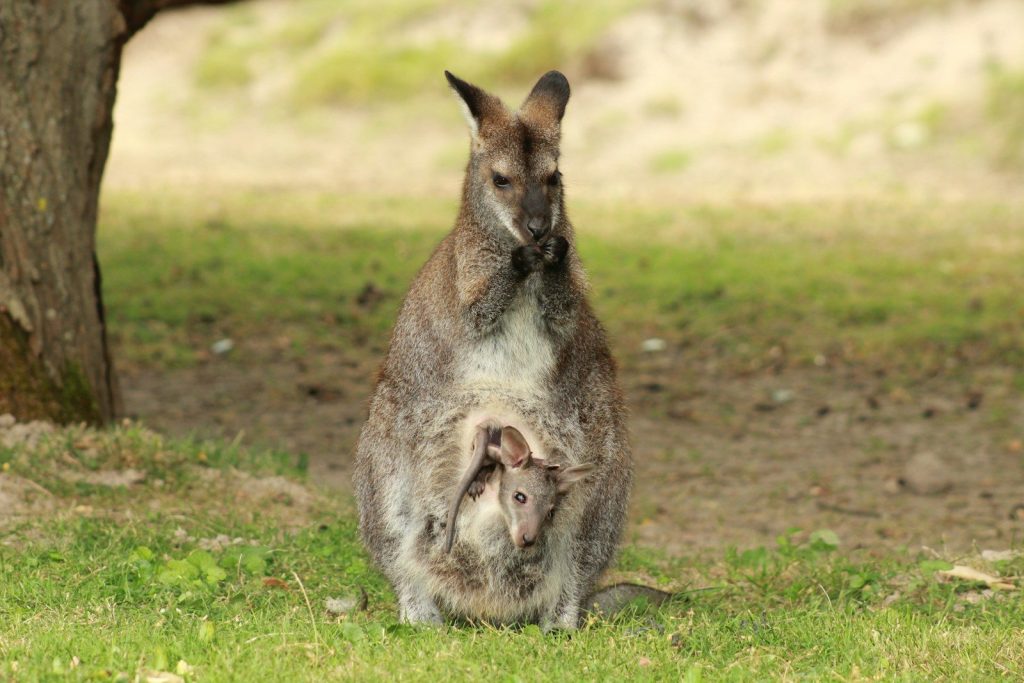
Kangaroos have a highly unusual reproductive system that allows them to manage multiple stages of offspring development. A mother can even pause the development of an embryo until conditions are right.
This process helps them survive in environments where food and water availability can change quickly. It ensures the species can continue even during difficult seasons.
Living in Groups
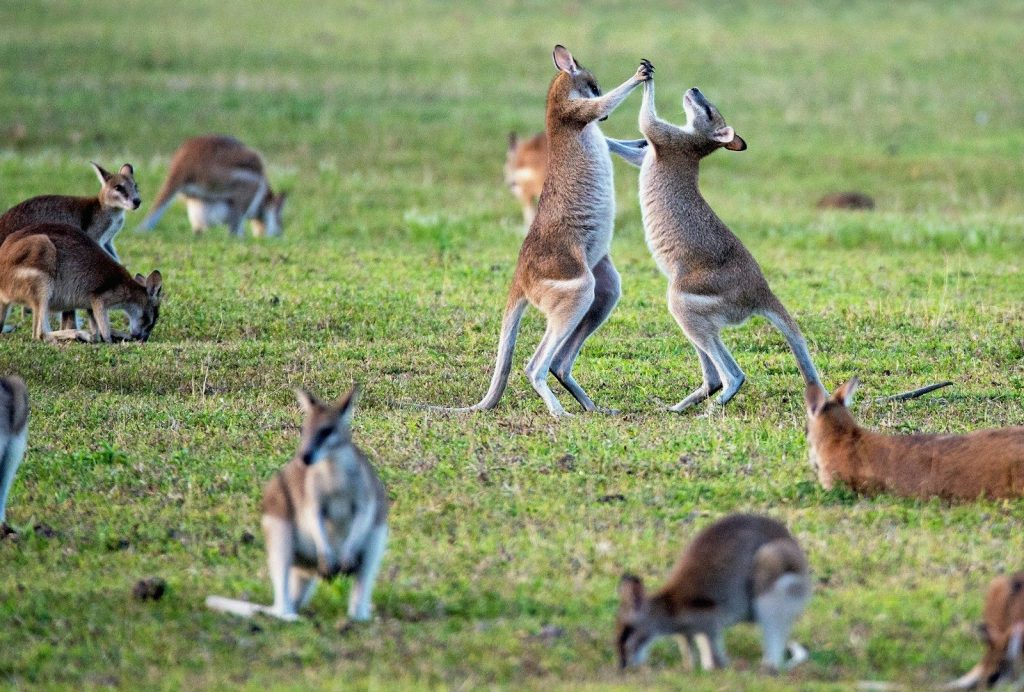
Kangaroos often live in groups known as mobs. These groups help them stay protected from predators and improve survival chances.
Living together also helps them find food more efficiently. Social structure plays an important role in their daily behavior.
Strong Adaptation to Harsh Climates
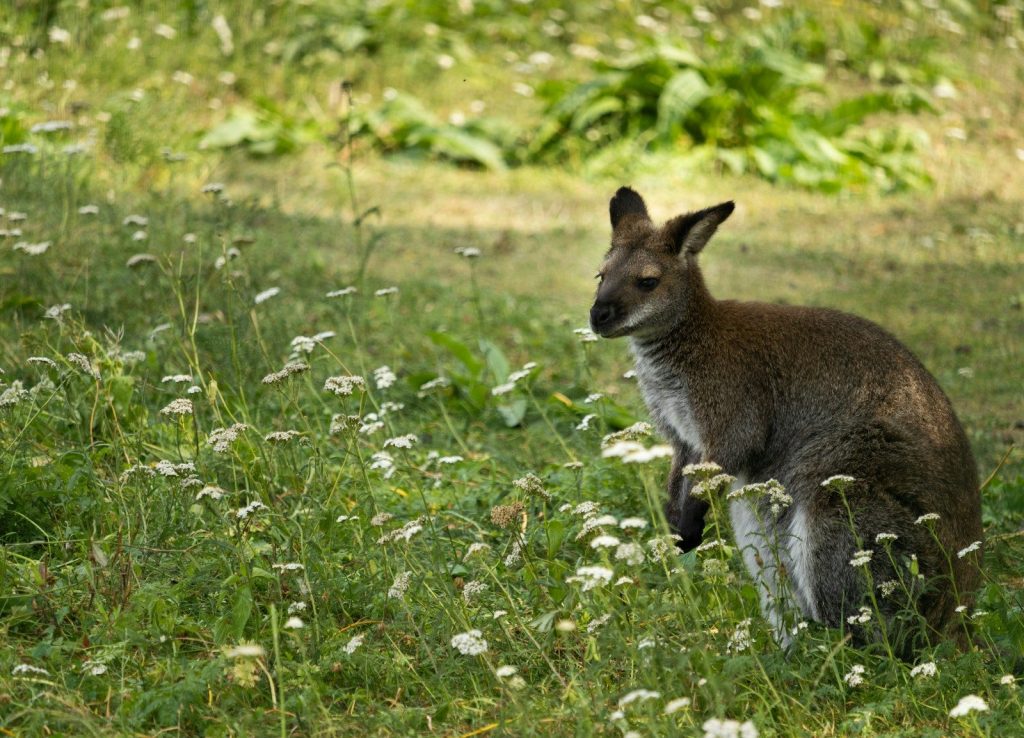
Kangaroos are well adapted to dry and hot environments. They can survive long periods with limited water by conserving moisture and resting during the hottest parts of the day.
Their feeding habits also allow them to thrive on tough grasses that many animals cannot digest easily. This makes them highly resilient in the wild.
Communication and Behavior
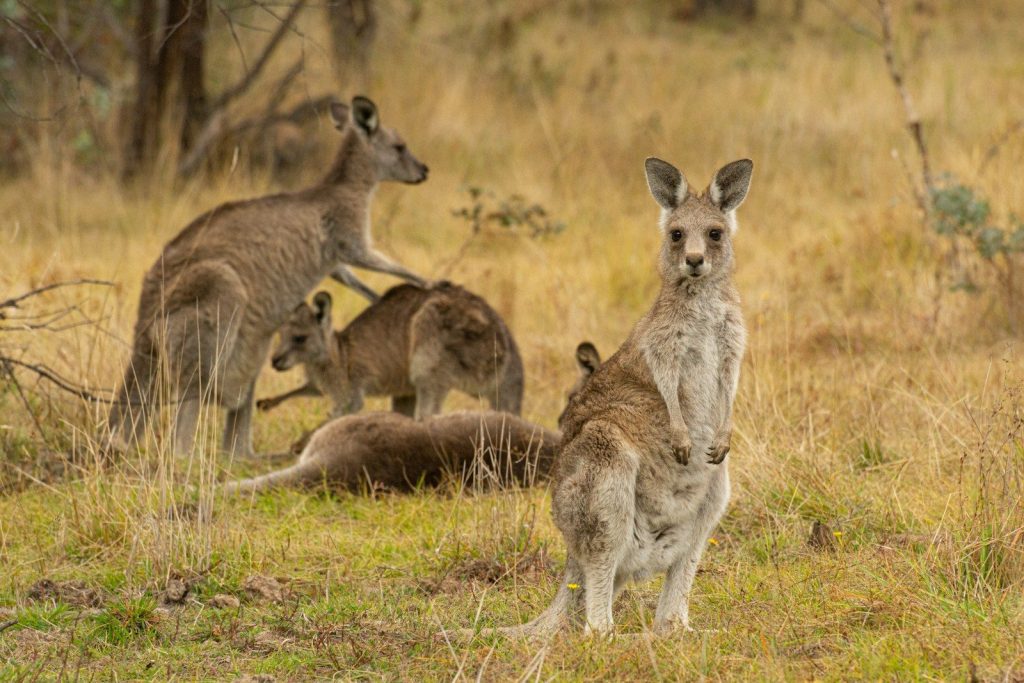
Kangaroos communicate using body language, foot stomping, and vocal sounds. These signals help warn others of danger or establish dominance within groups.
They are also highly aware of their surroundings, using their strong senses to detect threats early. This improves their chances of survival in open landscapes.