Skip to content

Recent Posts

  • Impressive Facts About Kangaroos You Might Not Know
  • Wild and Weird: Animals With the Most Unusual Diets
  • World’s Largest Snakes: Nature’s Most Powerful Serpents
  • Nature’s Craftiest Thieves: Animals That Steal to Survive
  • Nature’s Hardest Workers: Animals That Never Seem to Stop

Most Used Categories

  • Nature & Wildlife (400)
  • Risk (50)
  • Human Interest (23)
  • Survival (19)
  • Hunting (19)
  • Bees/Swarms fear (13)
  • Exotic Animals (11)
  • Suspense (6)
  • Adventure (3)
  • Gears (2)
Skip to content
  • About Us
  • Contact Us
  • Disclaimer
  • Privacy Policy
  • Terms & Conditions

Hive Hunters Tales

  • Suspense
  • Nature & Wildlife
  • Human Interest
  • Hunting
  • Bees/Swarms fear
  • Exotic Animals
  • Risk
  • Survival
  • Adventure
  • Gears
  • Home
  • Nature & Wildlife
  • Nature’s Hardest Workers: Animals That Never Seem to Stop

Nature’s Hardest Workers: Animals That Never Seem to Stop

JakeJune 29, 2026June 29, 2026

In the animal kingdom, survival often depends on constant activity, cooperation, and endurance. Some species are known for their extraordinary work ethic, spending most of their lives building, hunting, or caring for their groups.

These animals may not “work” in the human sense, but their behaviors resemble nonstop labor that keeps their colonies, families, or ecosystems functioning.

Ants
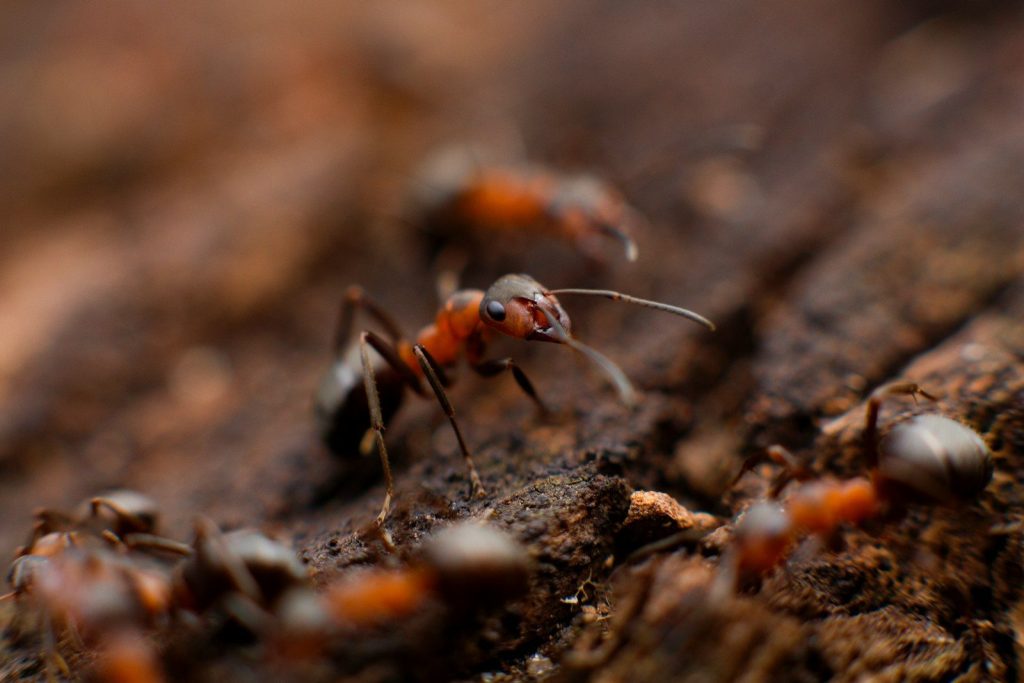
colony of fire ant
Photo by Mikhail Vasilyev on Unsplash

Ants are among the most industrious creatures on Earth. They work together in colonies to build nests, gather food, and protect their queen.

Each ant has a specific role, from foragers to soldiers, ensuring the colony operates efficiently. Their teamwork allows them to accomplish tasks far greater than their individual size.

Bees
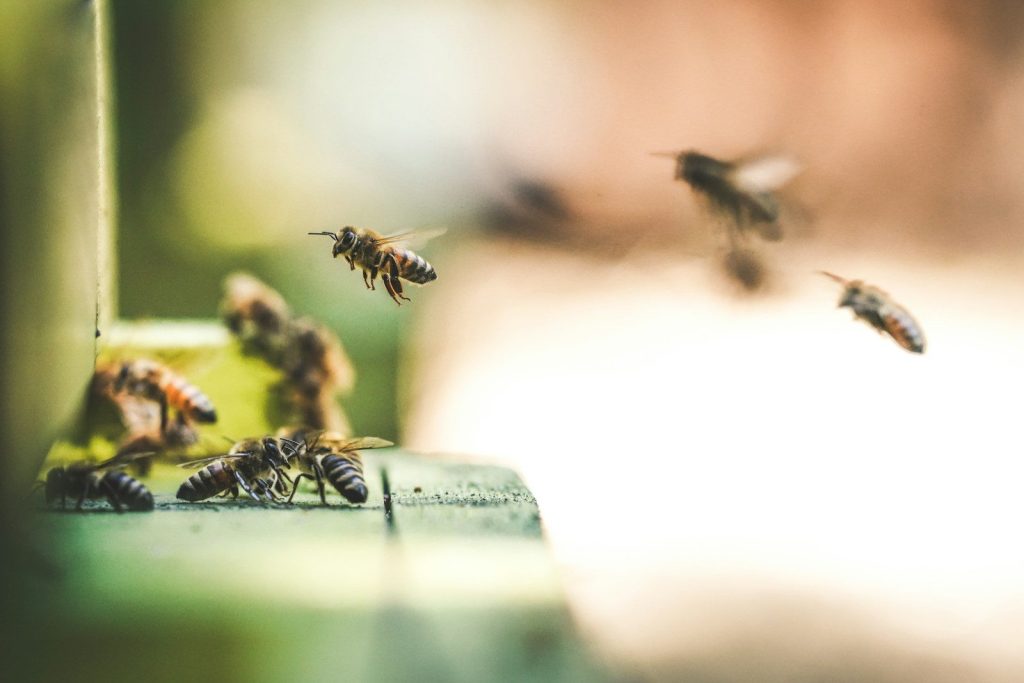
shallow focus photography of bees flew in mid air
Photo by Eric Ward on Unsplash

Bees are essential pollinators that work tirelessly to support ecosystems. They collect nectar and pollen while simultaneously helping plants reproduce.

Inside the hive, bees perform specialized jobs such as cleaning, nursing larvae, and defending the colony. Their coordinated system is vital for food production in many ecosystems.

Beavers
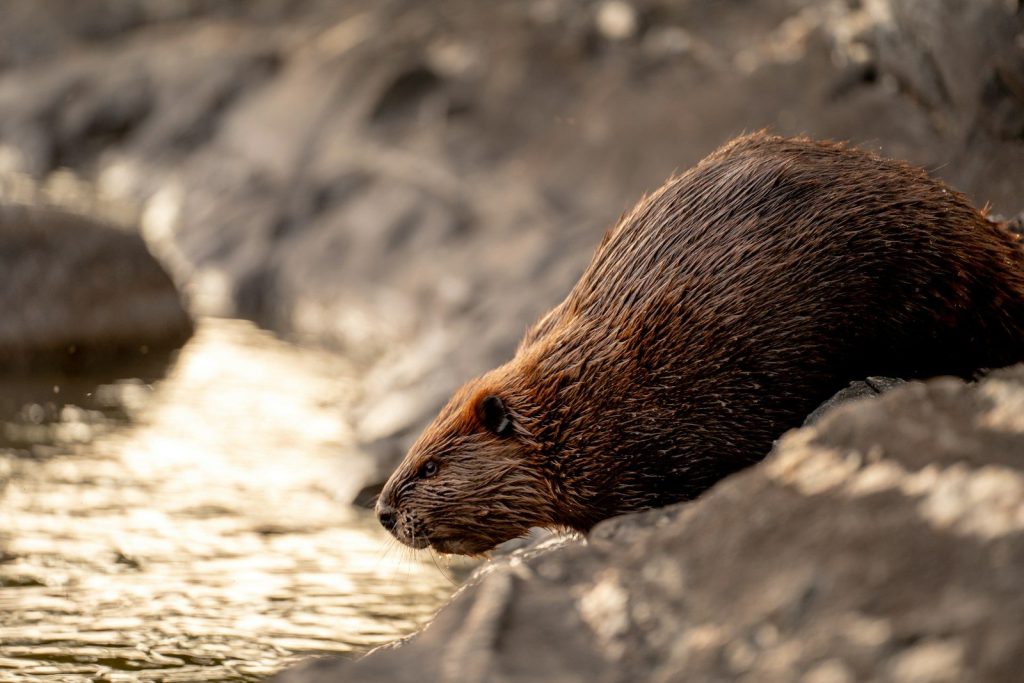
brown rodent on white wooden surface during daytime
Photo by Tim Umphreys on Unsplash

Beavers are famous for their engineering skills and constant construction work. They build dams and lodges using wood, mud, and stones.

These structures create wetlands that benefit many other species. Their work can significantly change landscapes over time.

Termites
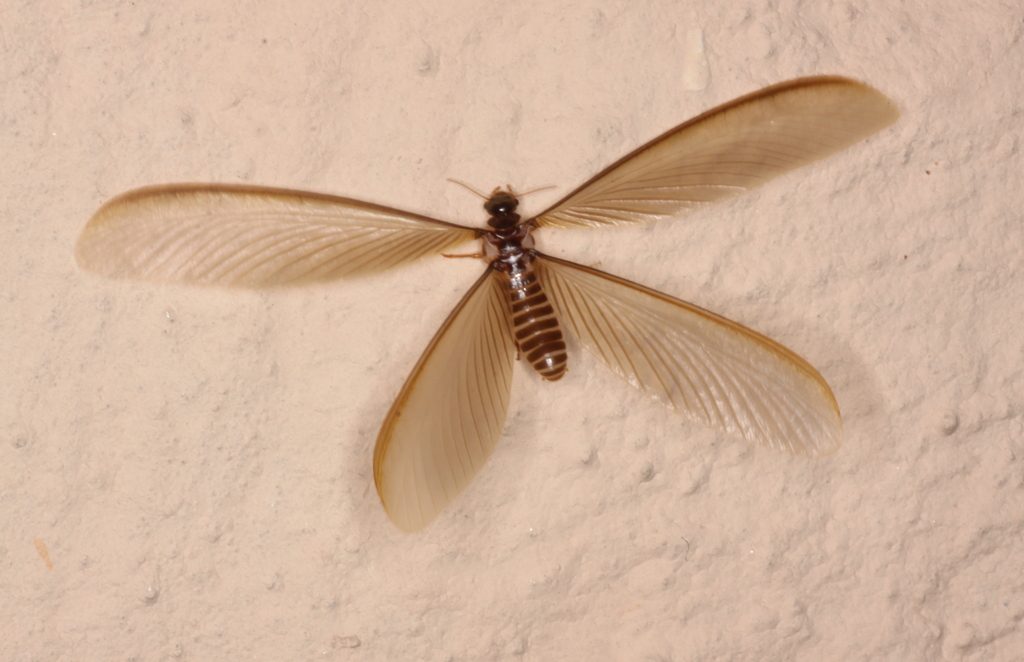
“Flying termites” by Derek Keats is licensed under CC BY 2.0

Termites are highly organized insects that build complex underground colonies. They continuously work to gather food and expand their nests.

Their ability to break down wood plays an important role in nutrient recycling. Despite their small size, their collective effort shapes entire environments.

Wolves
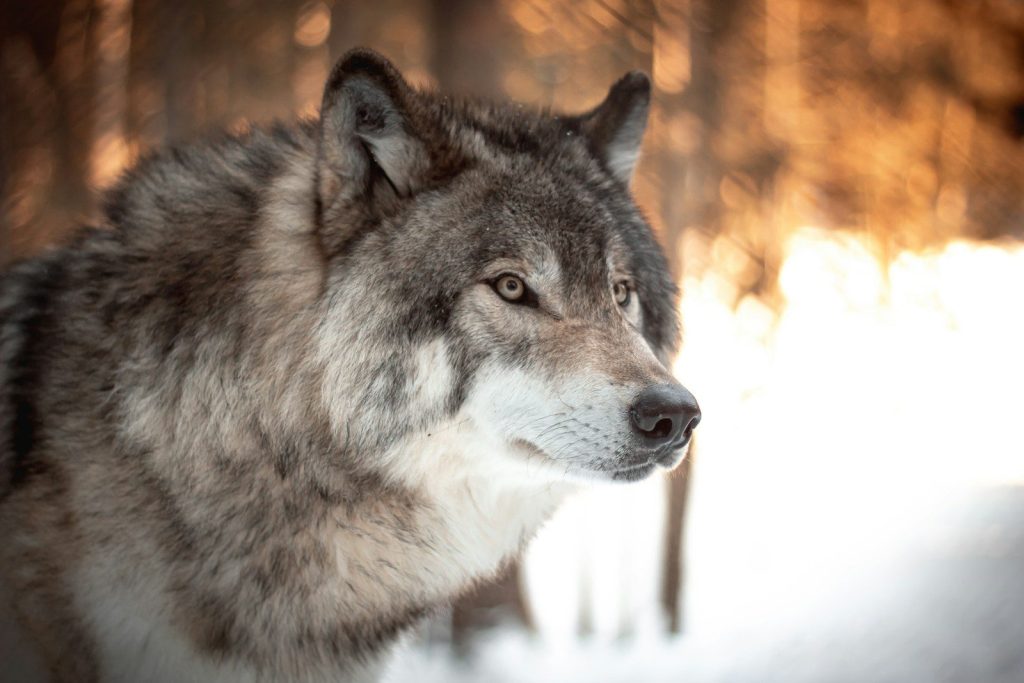
white and black wolf in tilt shift lens
Photo by Milo Weiler on Unsplash

Wolves rely on teamwork to hunt and survive in the wild. Each pack member plays a role in tracking, chasing, and capturing prey.

Their coordinated strategy allows them to take down larger animals. This cooperation is key to their survival in harsh environments.

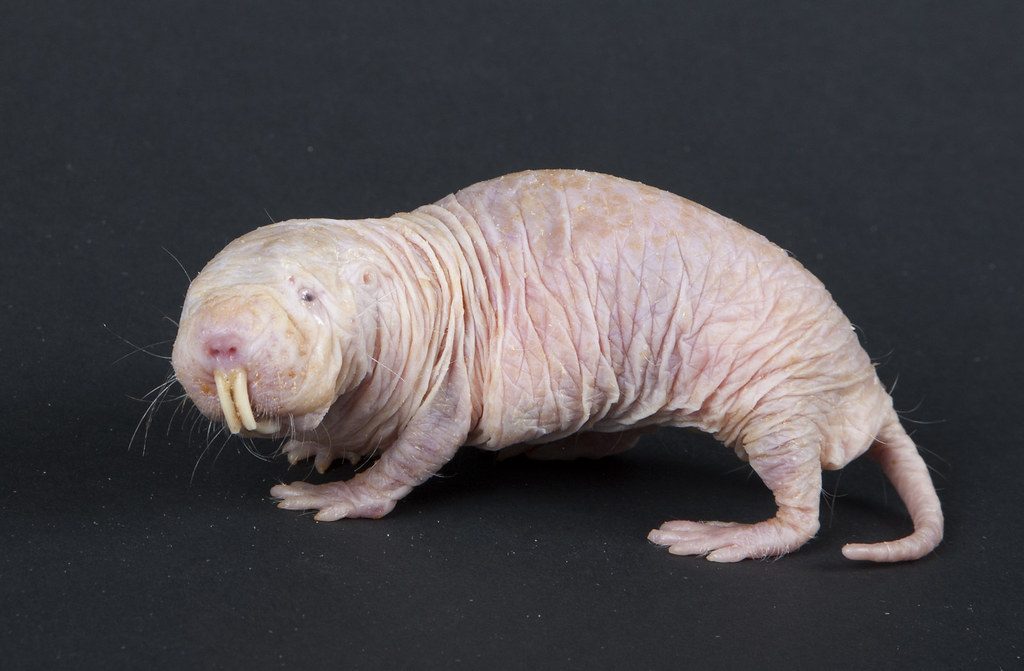
Naked Mole Rats
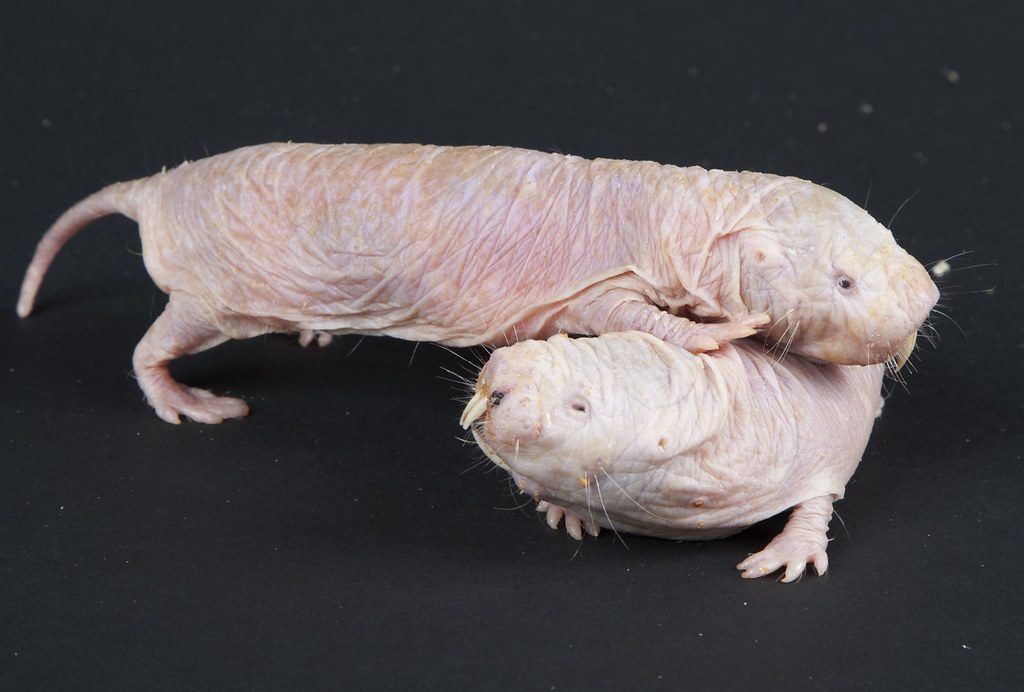
“Naked Mole-Rat 20th Anniversary at the Smithsonian’s National Zoo” by Smithsonian’s National Zoo is licensed under CC BY-NC-ND 2.0

Naked mole rats live in highly structured colonies with specialized roles. Some dig tunnels, while others care for the queen or defend the colony.

They spend most of their lives underground in constant activity. Their social system is one of the most complex among mammals.
Post navigation

Previous: Do Cats Harm the Environment? What Science Really Suggests
Next: Nature’s Craftiest Thieves: Animals That Steal to Survive

Related Posts

a kangaroo standing on top of a lush green field

Impressive Facts About Kangaroos You Might Not Know

June 29, 2026June 29, 2026 Jake
panda eating bamboo

Wild and Weird: Animals With the Most Unusual Diets

June 29, 2026June 29, 2026 Jake
a large snake sitting on top of a tree branch

World’s Largest Snakes: Nature’s Most Powerful Serpents

June 29, 2026June 29, 2026 Jake

Leave a Reply Cancel reply

Your email address will not be published. Required fields are marked *

Recent Posts

  • Impressive Facts About Kangaroos You Might Not Know
  • Wild and Weird: Animals With the Most Unusual Diets
  • World’s Largest Snakes: Nature’s Most Powerful Serpents
  • Nature’s Craftiest Thieves: Animals That Steal to Survive
  • Nature’s Hardest Workers: Animals That Never Seem to Stop
Copyright All Rights Reserved | Theme: BlockWP by Candid Themes.