Researchers in India have uncovered the remains of a massive prehistoric snake that may have been one of the largest ever discovered. The species, named Vasuki indicus, lived around 47 million years ago and could have grown longer than a school bus.
A Snake Larger Than Most Modern Predators
Scientists estimate that Vasuki indicus may have reached lengths between 36 and 50 feet. That places it among the largest snakes ever identified, potentially rivaling the famous Titanoboa discovered in South America.
The enormous serpent likely had a thick, muscular body similar to modern anacondas. Researchers believe it was a slow-moving ambush predator capable of overpowering large prey.
Fossils Were Found in India
The remains were discovered at the Panandhro Lignite Mine in Gujarat, India. Researchers studied 27 well-preserved vertebrae, some of which were still connected when unearthed.
Several of the vertebrae measured over 4 inches wide, giving scientists clues about the snake’s enormous size. The fossil evidence suggests the animal belonged to an ancient group of snakes known as madtsoiids.
Named After a Mythological Serpent

The snake was named after Vasuki, the serpent king from Hindu mythology associated with the deity Shiva. Scientists chose the name because of the animal’s extraordinary size and its discovery in India.
The species name “indicus” reflects the region where the fossils were found. Researchers say the discovery also highlights India’s importance in prehistoric reptile evolution.
It Lived Alongside Ancient Mammals
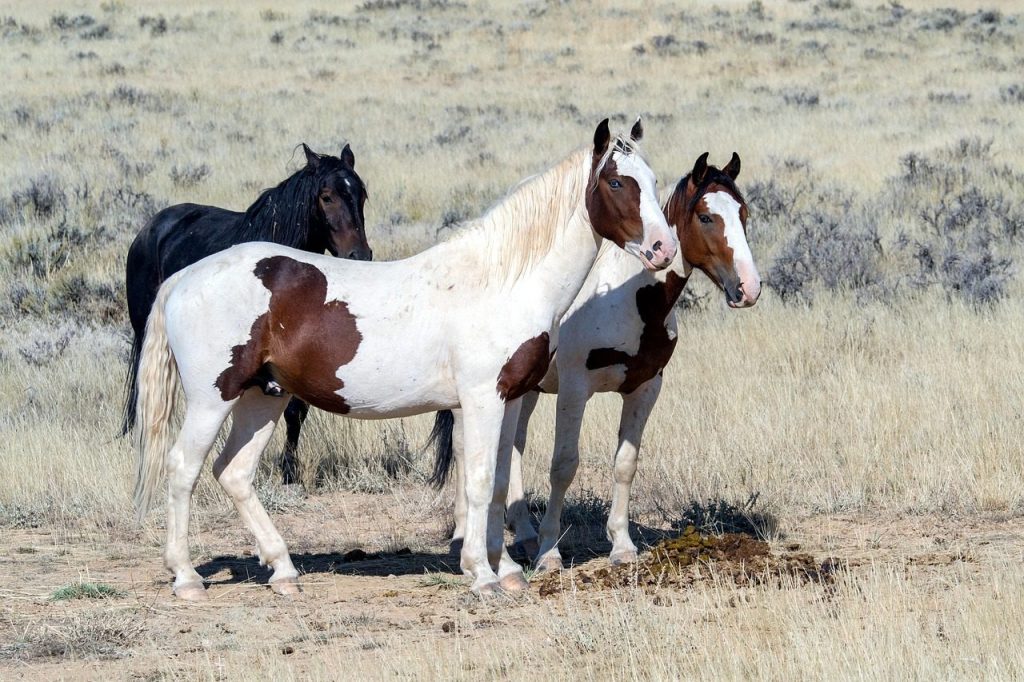
During the Eocene period, when the snake lived, Earth’s climate was much warmer than it is today. Ancient relatives of horses, rhinos, and other mammals also inhabited the same environment.
Researchers believe Vasuki indicus may have hunted these early mammals using ambush tactics similar to large modern constrictors. Its massive body would have allowed it to overpower sizable prey.
One of the Largest Snake Families Ever
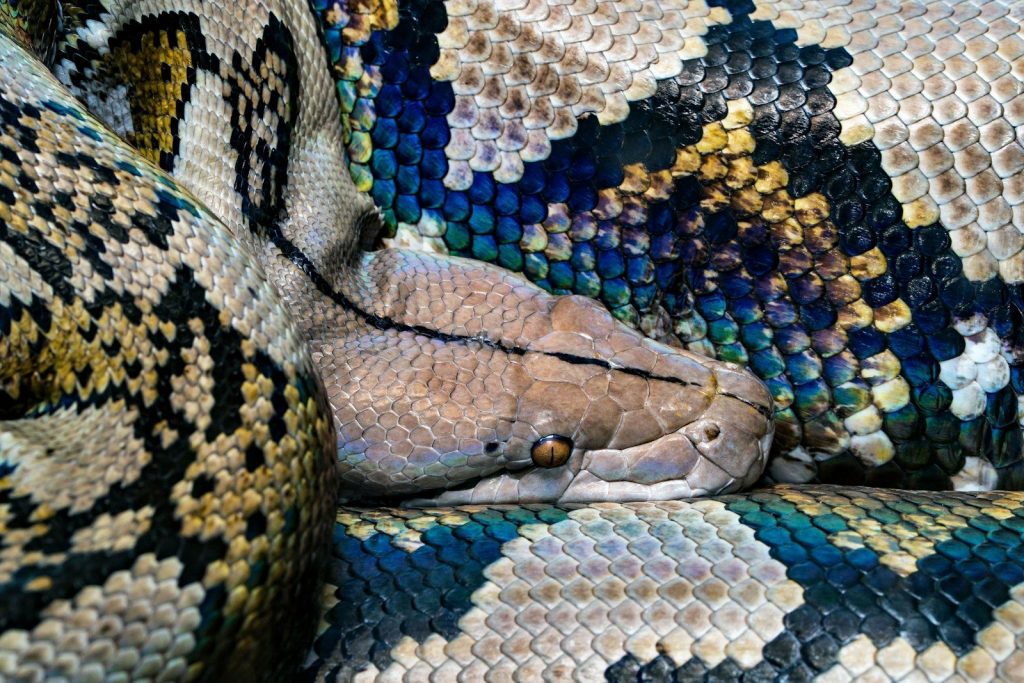
The snake belonged to the madtsoiidae family, a group of giant snakes that existed for nearly 100 million years. These reptiles survived from the Late Cretaceous until the Late Pleistocene before eventually disappearing.
Scientists believe some of the largest members of this family may have originated in India before spreading into other parts of the world. Fossil evidence suggests they later reached Africa and parts of Europe.
Why Ancient Snakes Grew So Large
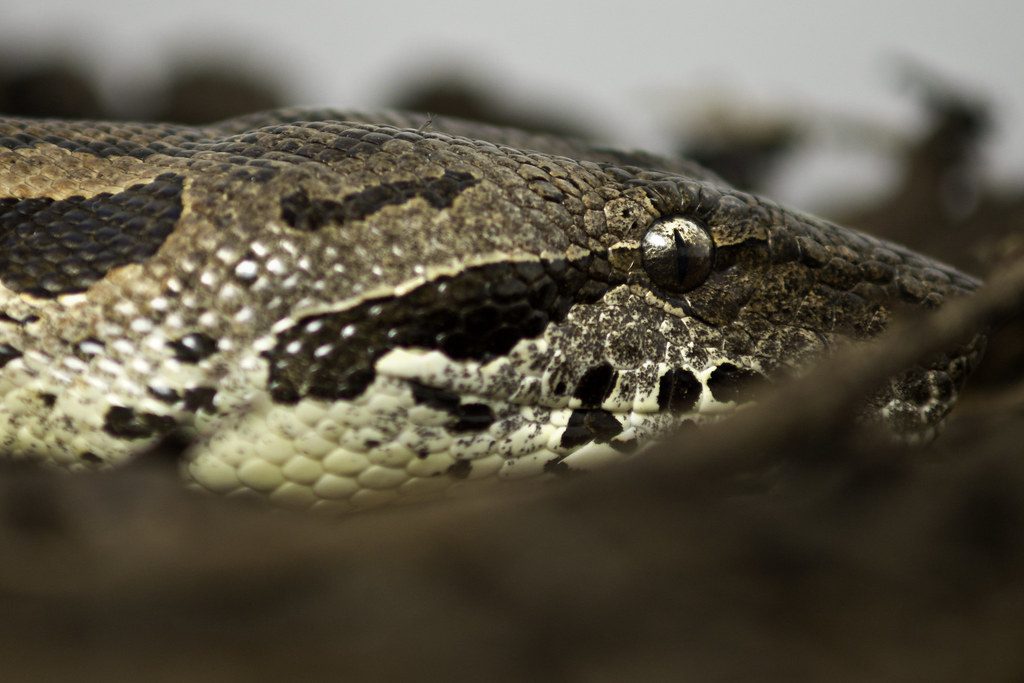
Researchers say the warmer temperatures of prehistoric Earth likely helped support the growth of giant cold-blooded animals. Larger reptiles were more common during periods with consistently warm climates.
However, scientists do not believe modern climate change will produce snakes of similar size today. Current temperature increases are happening too rapidly for species to evolve into gigantic forms like their prehistoric ancestors.