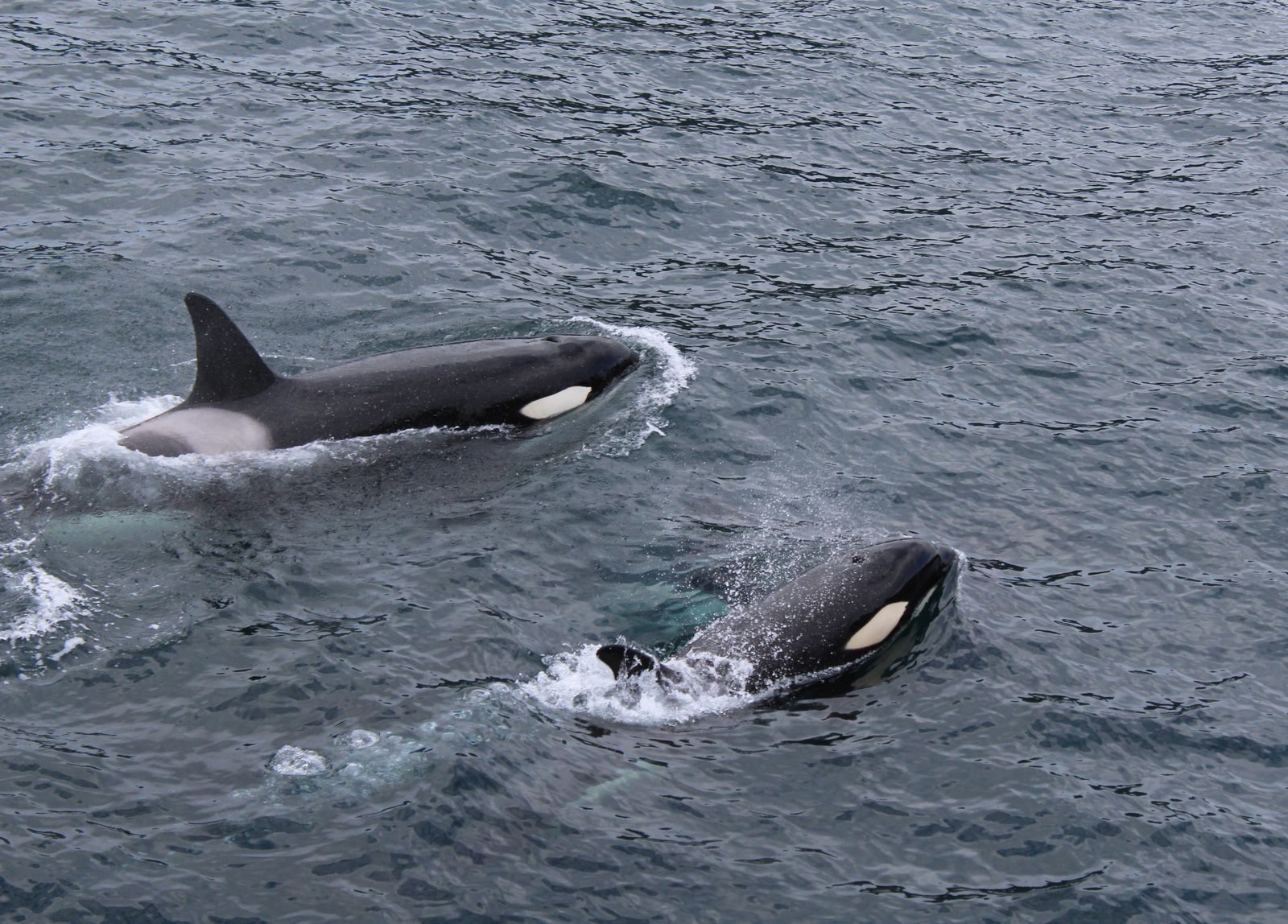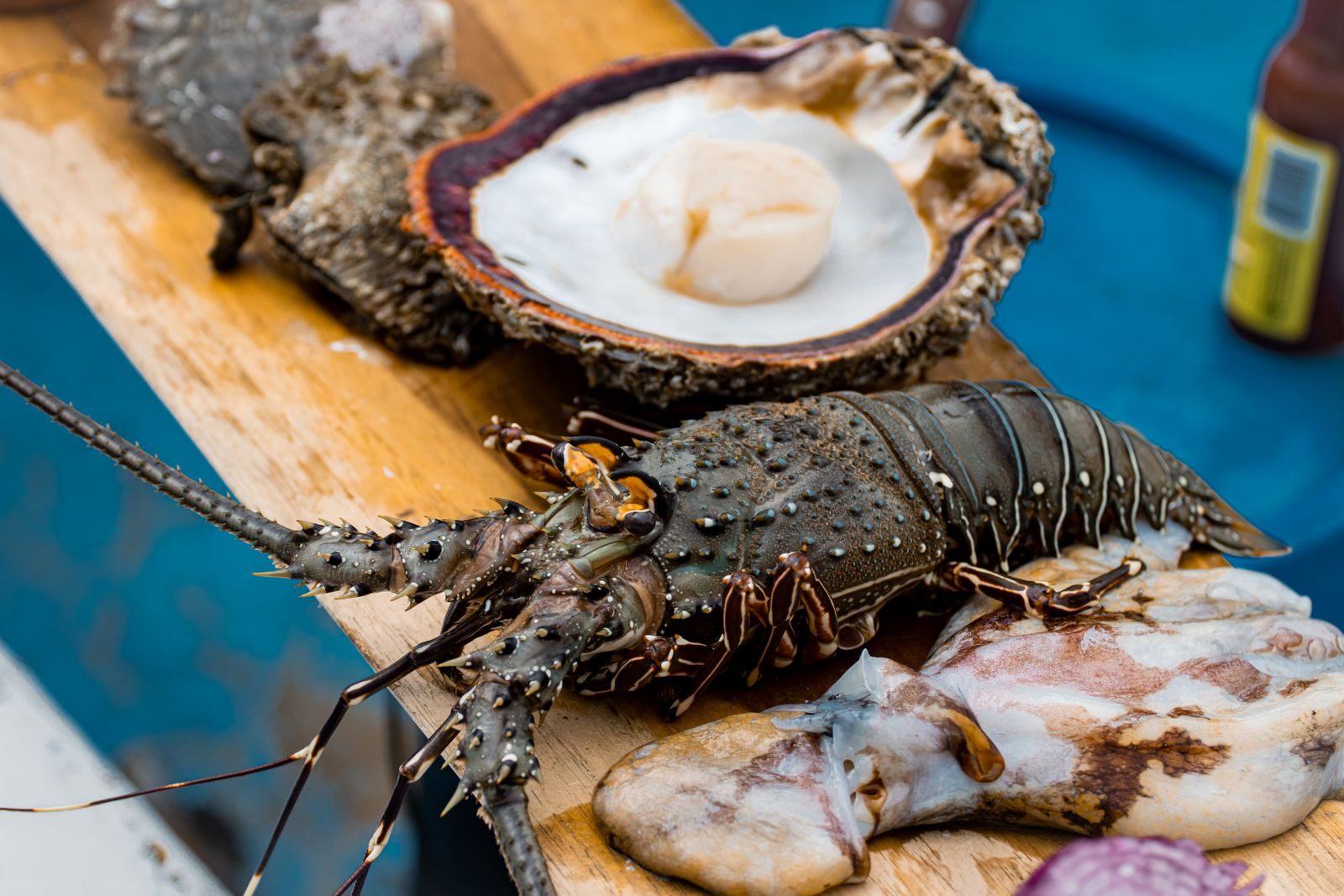
Wildlife agencies sometimes encourage regulated hunting, fishing, trapping, or harvesting of invasive species. Removing animals that damage native habitats can produce food while supporting broader management work.
Eating an invasive species is not automatically conservation. The harvest must follow local law, avoid spreading the invader, protect native look-alikes, and form part of a scientifically managed control plan.
The Idea Has Limits
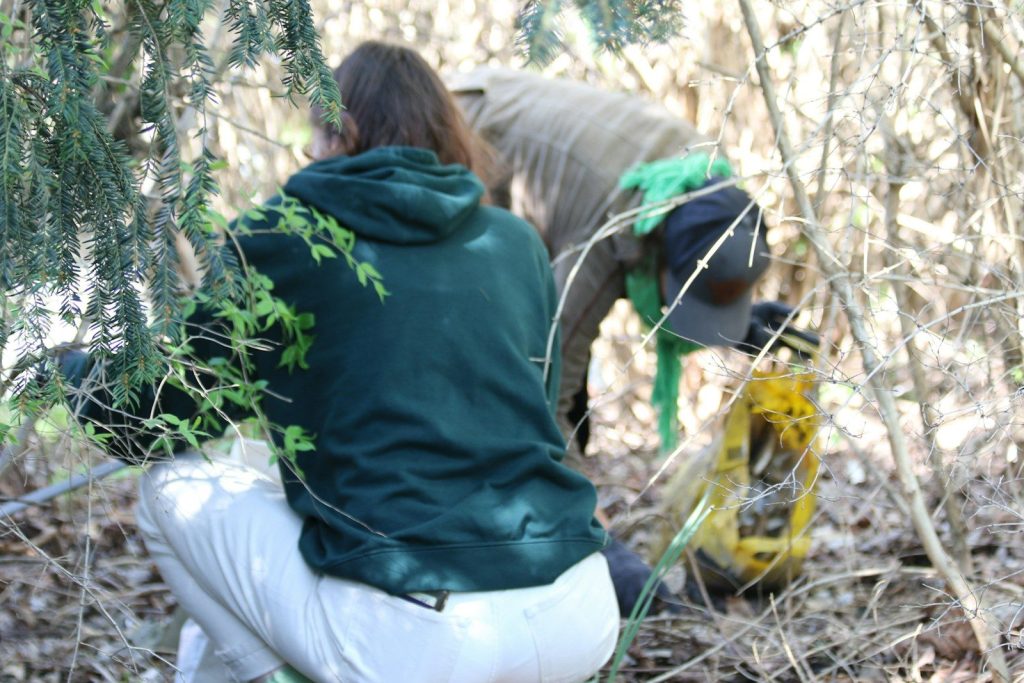
The U.S. Fish and Wildlife Service says consumption can reduce invasive populations, but successful management also requires monitoring, habitat restoration, professional coordination, and other control methods. Creating a valuable market could make matters worse if people begin protecting or spreading the species.
Nutria Damage Marshes

Nutria were brought to the United States for the fur trade and now damage wetlands by consuming vegetation and digging through banks. Some control programs promote their lean meat, but removal must be conducted under local trapping and hunting regulations.
Northern Snakeheads Spread
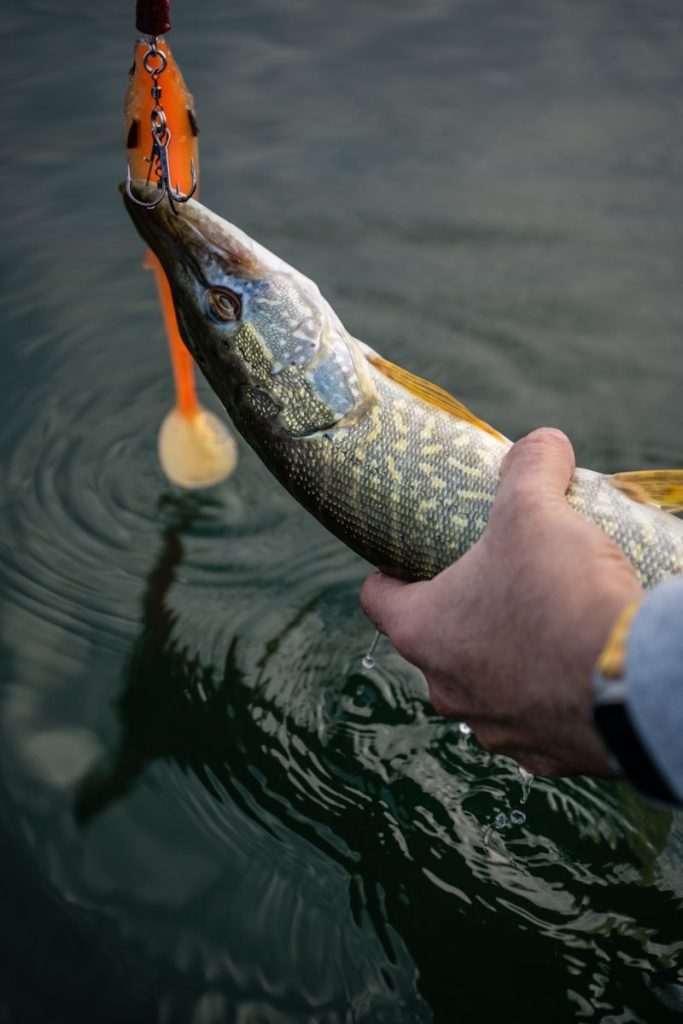
Northern snakeheads are invasive fish established in parts of the eastern United States. They can breathe air and survive outside water for limited periods, helping them move between habitats. Agencies encourage legal harvest in some regions and warn anglers not to transport living fish elsewhere.
Green Iguanas Damage Structures
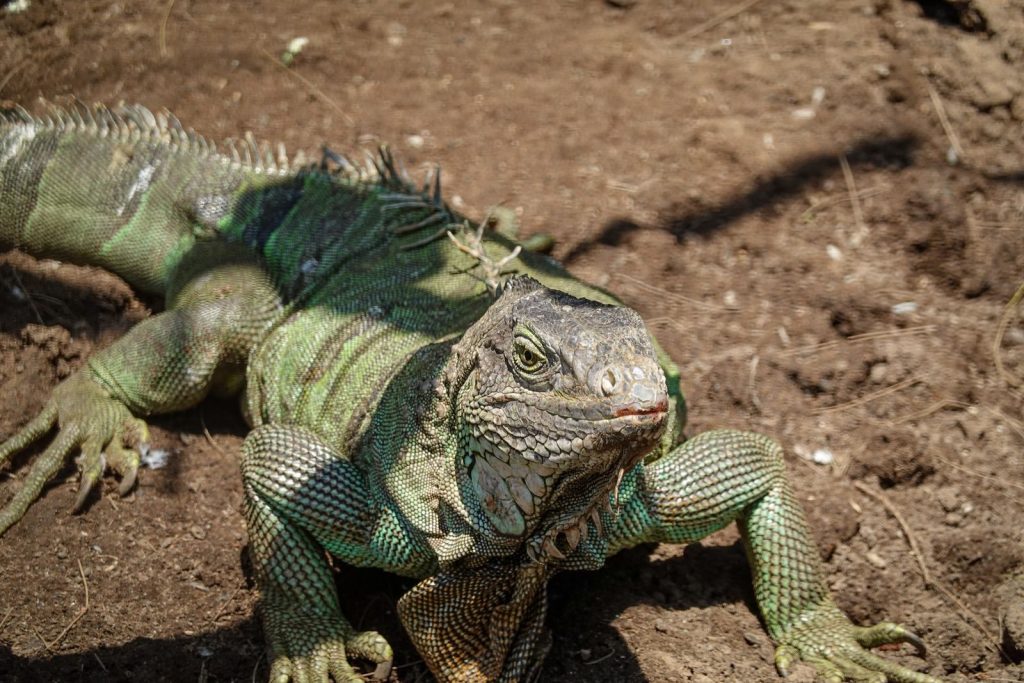
Green iguanas are invasive in Florida and other warm areas. They consume vegetation and dig burrows that can destabilise seawalls, canal banks, and other structures. Their meat is eaten in some cultures, but capture and dispatch must comply with animal-welfare and local legal requirements.
Silver Carp Alter Rivers
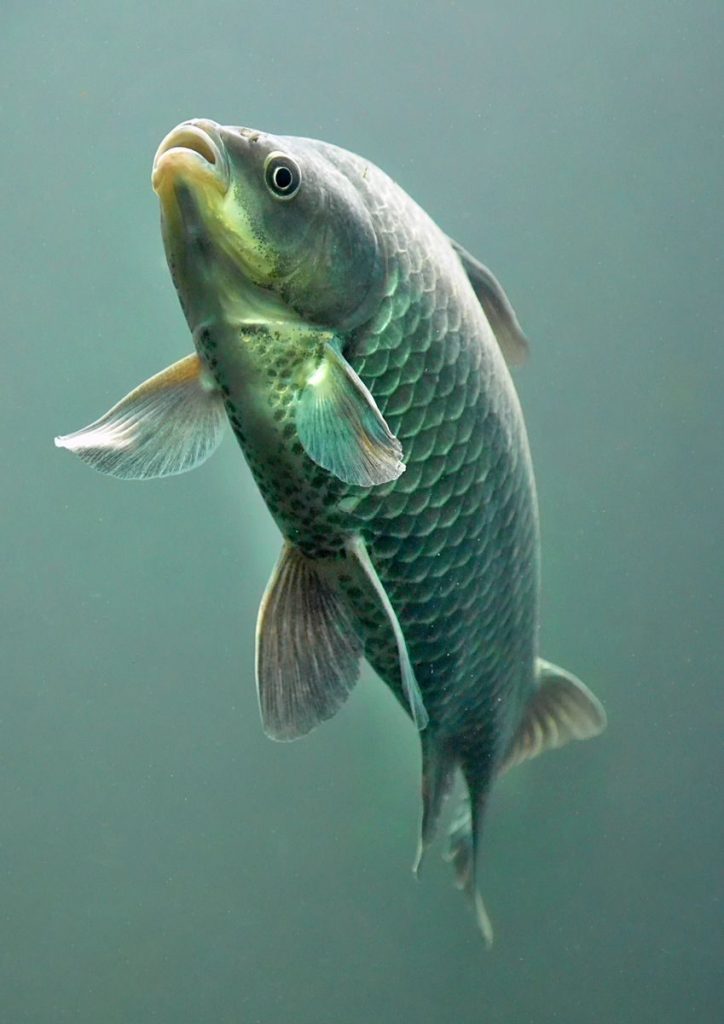
Silver carp compete with native animals for plankton and can leap from the water when disturbed by boats. The fish are edible, but their many small bones can make preparation difficult. Harvest programs work best when removal remains intensive enough to reduce populations rather than merely create occasional meals.
Feral Hogs Destroy Habitat
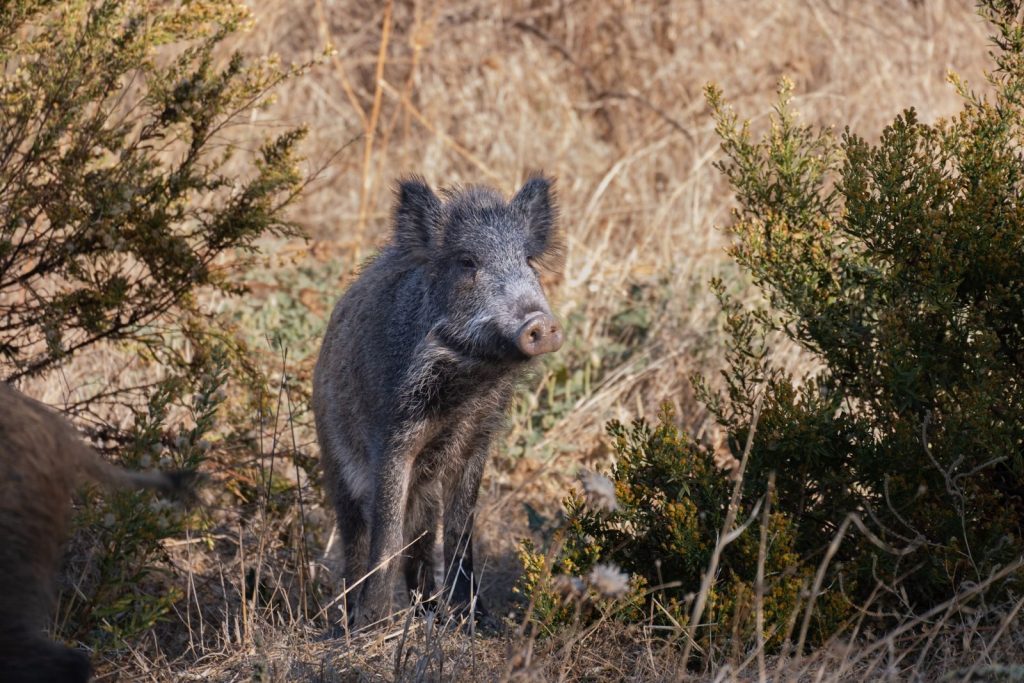
Feral hogs root through forests, wetlands, farms, and grasslands while eating plants, eggs, young animals, and crops. Hunting is encouraged in many states, but rules differ. Wild pigs may also carry diseases and parasites, making protective handling and thorough cooking essential.
Identification Comes First

Michigan Sea Grant warned that people must know exactly what they are harvesting. Native look-alikes, toxic plants, polluted waterways, legal restrictions, and disease risks can turn an intended conservation meal into a dangerous or illegal mistake.
Do Not Spread the Invader

Harvested animals, plants, seeds, eggs, and water must be contained so they cannot establish a new population. People should follow official disposal, transport, cleaning, and cooking instructions. Consumption helps only when it removes invaders without creating new ecological or public-health problems.