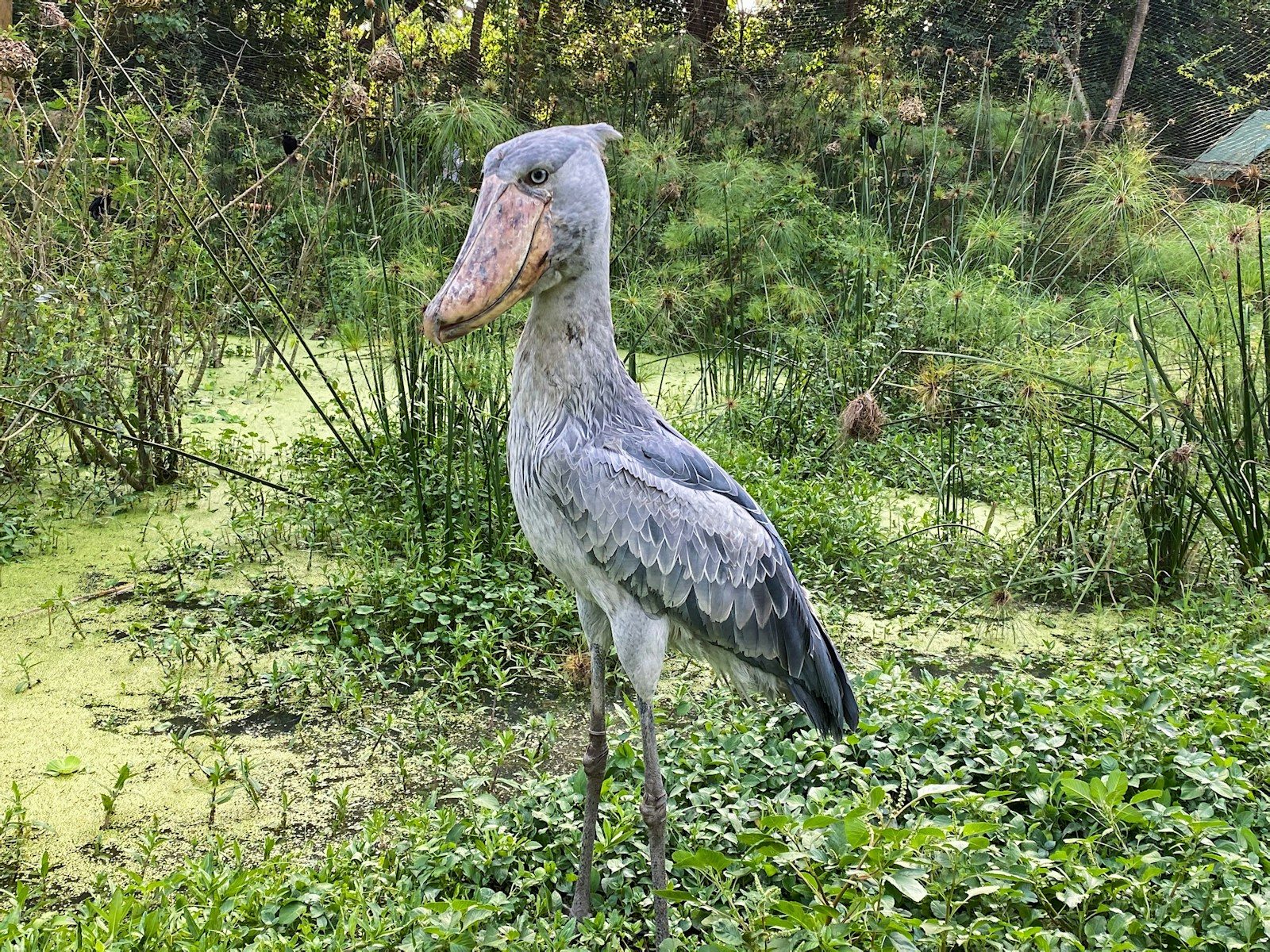
Few birds look as unusual, or as intimidating, as the shoebill. Standing over four feet tall with a massive beak shaped like a wooden clog, this prehistoric-looking bird has become one of Africa’s most fascinating predators. Despite its awkward appearance, the shoebill is a highly skilled hunter capable of catching prey far larger than most people would expect, including young crocodiles.
The shoebill’s bizarre appearance and powerful hunting abilities have earned it a reputation as one of the most remarkable birds in the world. Found in the wetlands of East and Central Africa, it combines patience, strength, and precision to survive in some of the continent’s most challenging habitats.
A Bird That Looks Like a Dinosaur
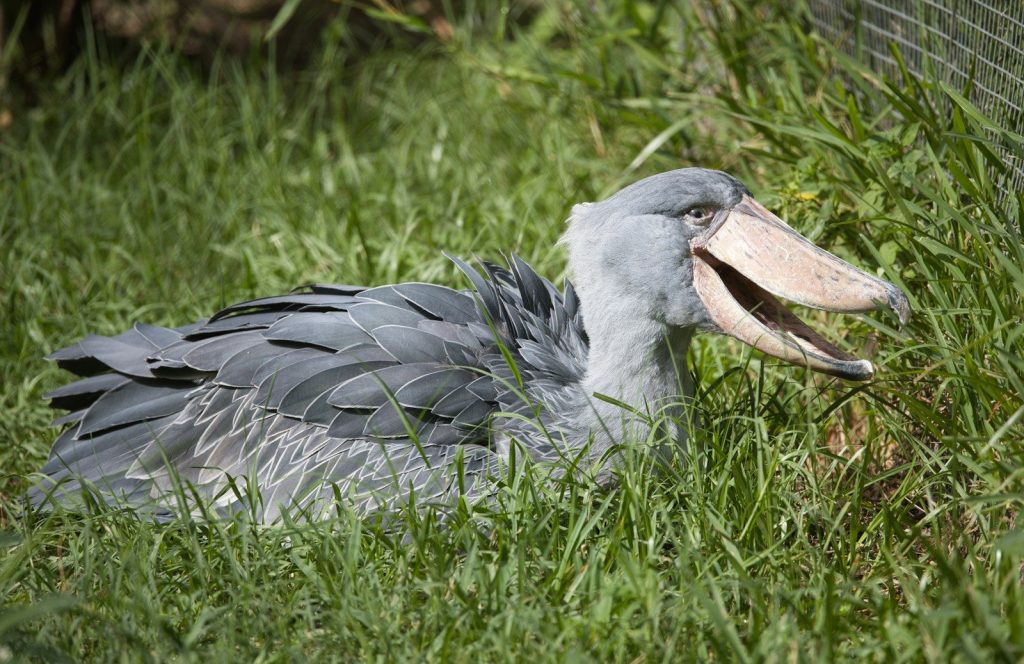
The shoebill is instantly recognizable thanks to its enormous bill, which can grow nearly a foot long. Its gray plumage, piercing stare, and towering height give it an ancient appearance that often leads people to compare it to a dinosaur.
Adults can stand up to five feet tall with wingspans reaching more than eight feet, making them one of the largest birds found in African wetlands.
The Secret Behind Its Massive Beak
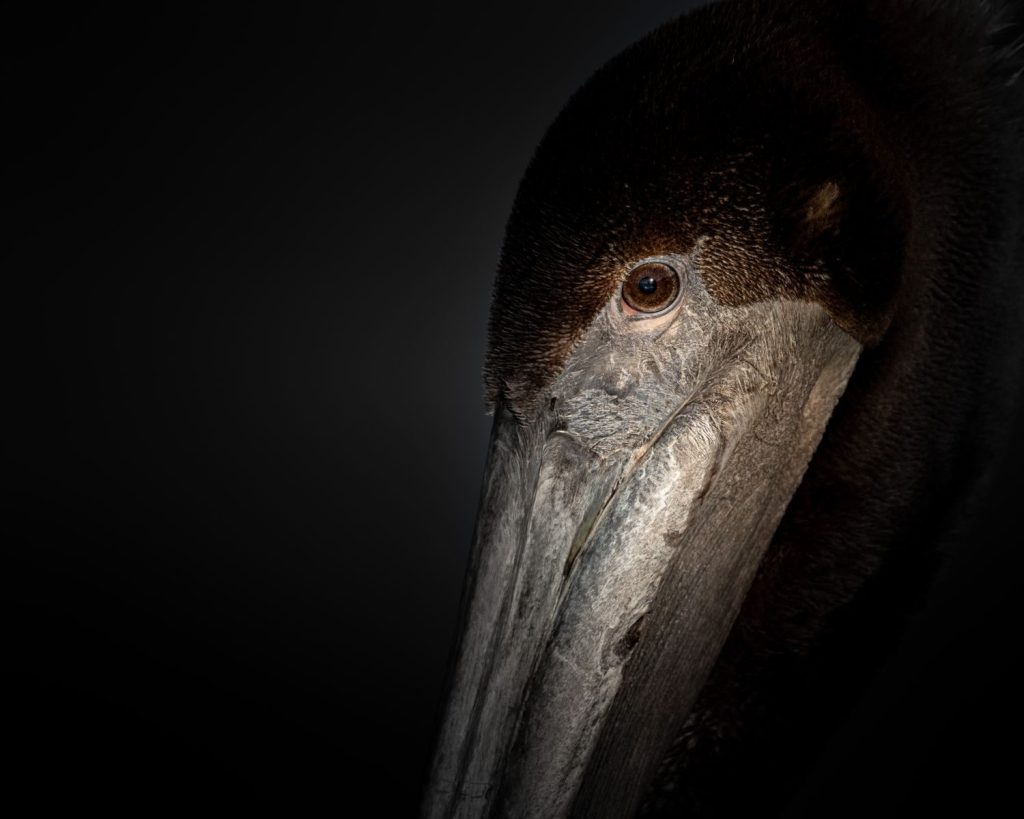
The shoebill’s oversized beak is much more than a strange feature. The broad, powerful structure acts like a hunting tool capable of gripping slippery prey and delivering crushing force.
A sharp hook at the tip helps the bird seize fish, amphibians, and reptiles before swallowing them whole.
Patience Makes It a Deadly Predator
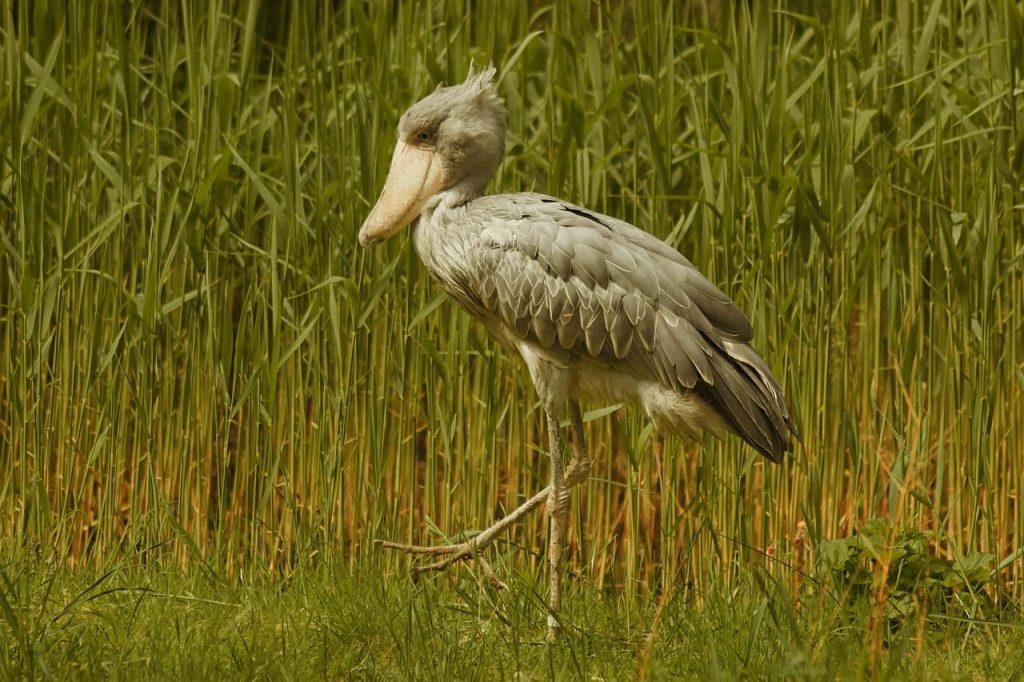
Unlike birds that chase prey through the air, shoebills rely on patience. They often stand motionless for long periods, waiting for the perfect opportunity to strike.
When prey comes within range, the bird launches a lightning-fast attack, snapping its beak shut with remarkable speed and accuracy.
Crocodiles Can End Up on the Menu
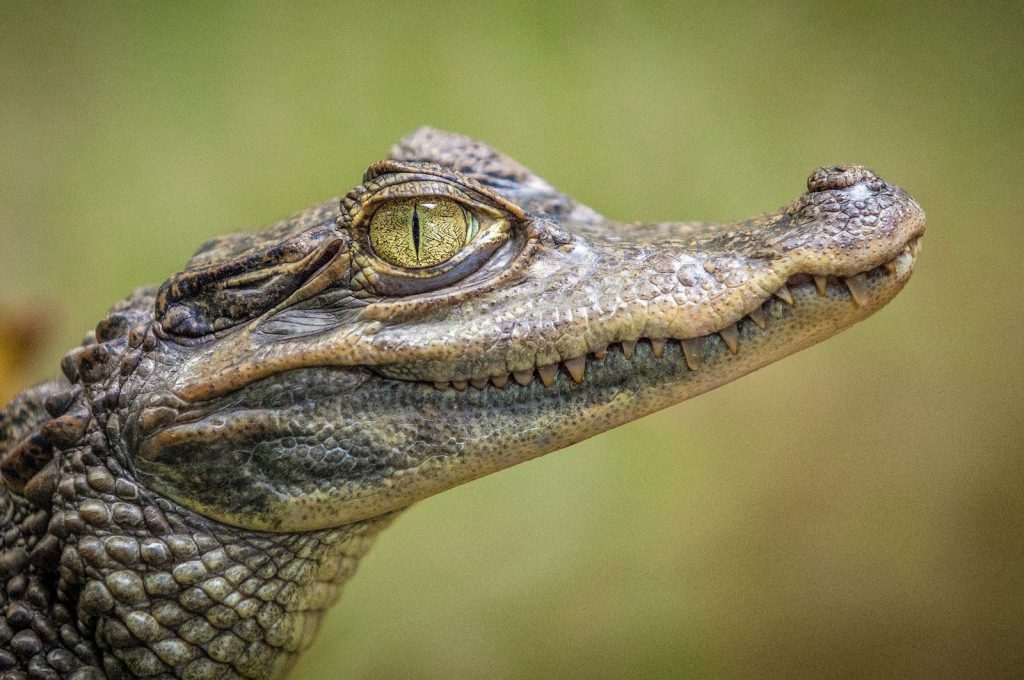
While fish make up most of the shoebill’s diet, these birds are opportunistic hunters capable of tackling surprisingly large prey. They have been documented catching lungfish, snakes, turtles, monitor lizards, and even young crocodiles.
Their powerful beaks allow them to handle animals that many other birds would struggle to capture.
Wetlands Are Essential to Their Survival

Shoebills depend on vast freshwater marshes and swamps where prey is abundant. These wetlands provide ideal hunting grounds and nesting sites away from many predators.
Unfortunately, habitat destruction, drainage projects, and human disturbance continue to threaten some shoebill populations across Africa.
A Rare Bird That Continues to Fascinate
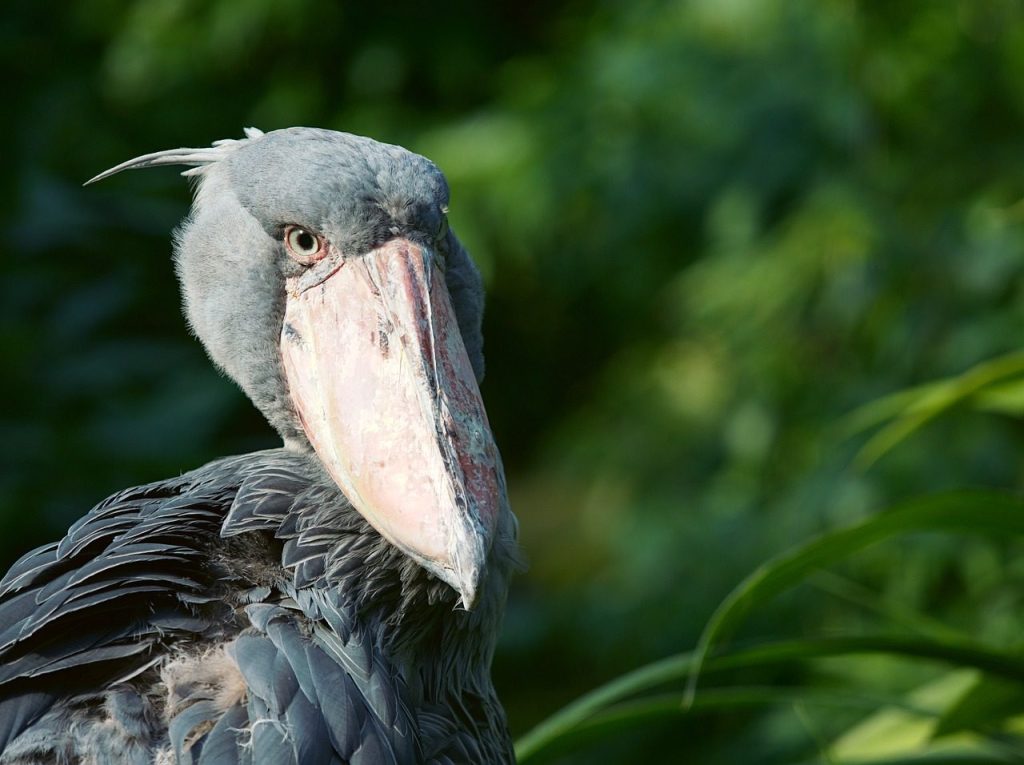
Because they are difficult to find and inhabit remote wetlands, shoebills remain one of the most sought-after birds for wildlife enthusiasts and photographers.
Their combination of unusual appearance, prehistoric features, and impressive hunting skills has made them an internet sensation and a symbol of Africa’s extraordinary biodiversity. Despite their intimidating reputation, their future depends on protecting the wetland habitats that allow these remarkable birds to thrive.