While many domestic cats can live well into their teens, lifespan varies significantly between breeds. Genetics, body structure, inherited health conditions, and overall care all play important roles in determining how long a cat may live.
It is important to remember that individual cats can often exceed average life expectancy with proper nutrition, veterinary care, and a healthy lifestyle. However, some breeds are generally associated with shorter lifespans than others.
Sphynx
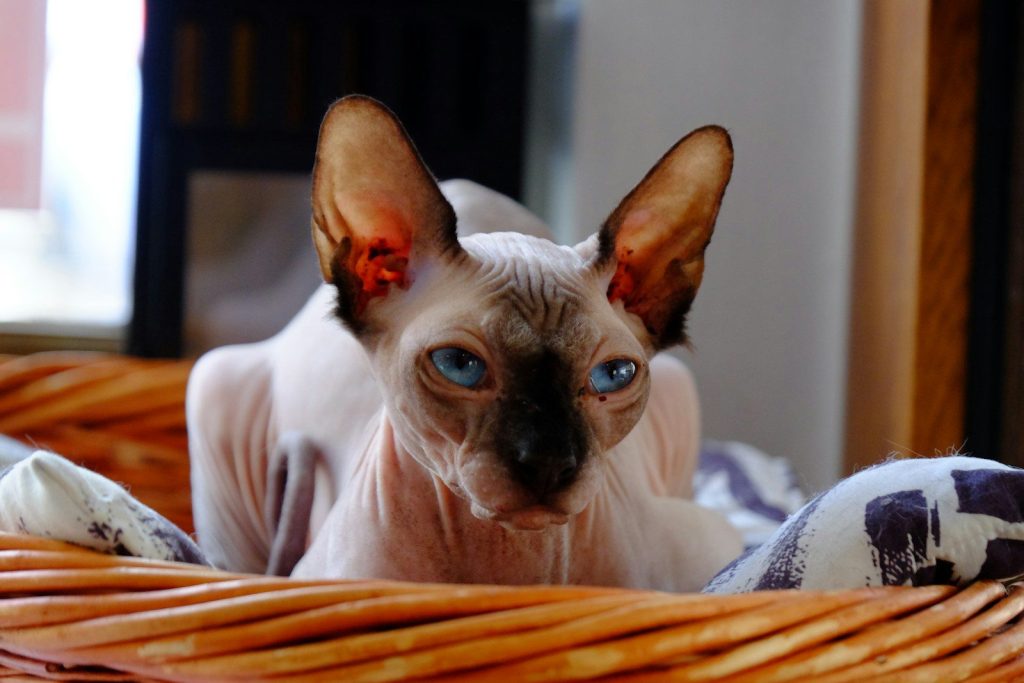
The Sphynx is known for its hairless appearance and affectionate personality. While many live long and healthy lives, the breed can be prone to certain inherited heart conditions that may affect longevity.
Regular health screenings are especially important for Sphynx cats. Early detection of medical issues can improve long term outcomes.
Maine Coon
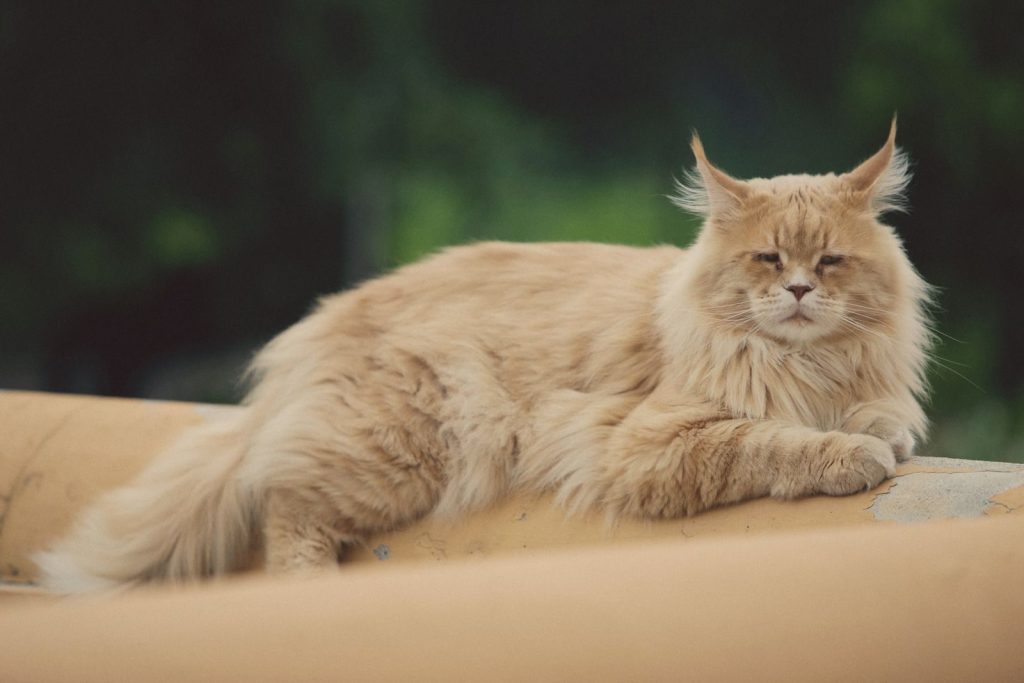
The Maine Coon is one of the largest domestic cat breeds in the world. Its impressive size is accompanied by a higher risk of some genetic health conditions, including heart disease.
Although many Maine Coons live well beyond average expectations, their lifespan is often slightly shorter than that of smaller breeds. Responsible breeding practices help reduce health risks.
Scottish Fold
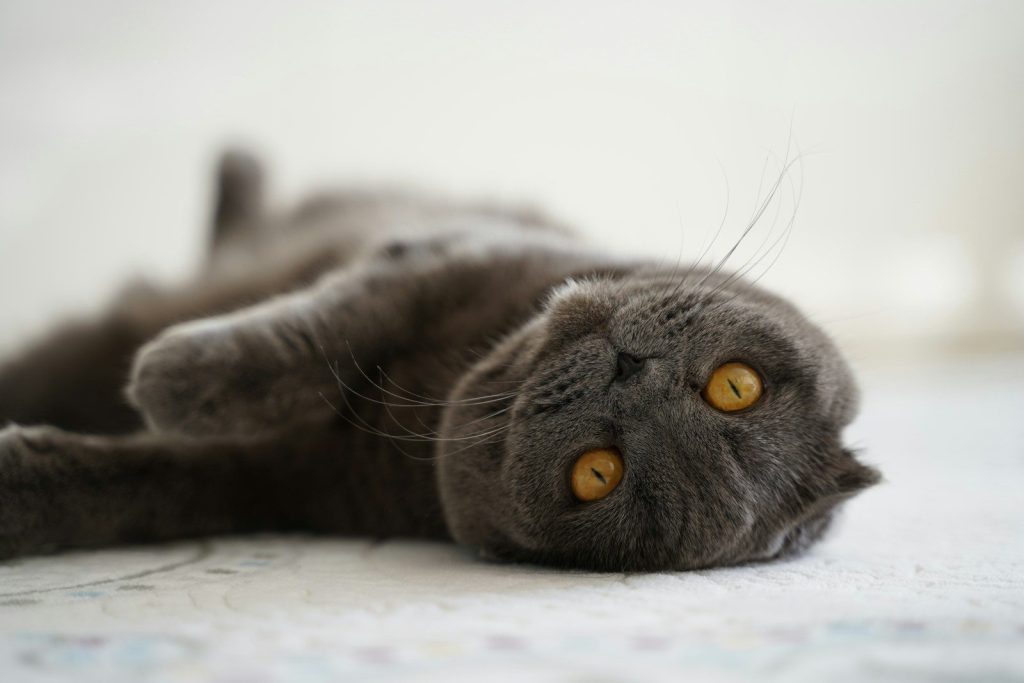
The Scottish Fold is famous for its distinctive folded ears. Unfortunately, the genetic mutation responsible for this appearance is also linked to cartilage and skeletal issues.
These health challenges can affect quality of life as the cat ages. Careful veterinary monitoring is often necessary throughout adulthood.
Persian
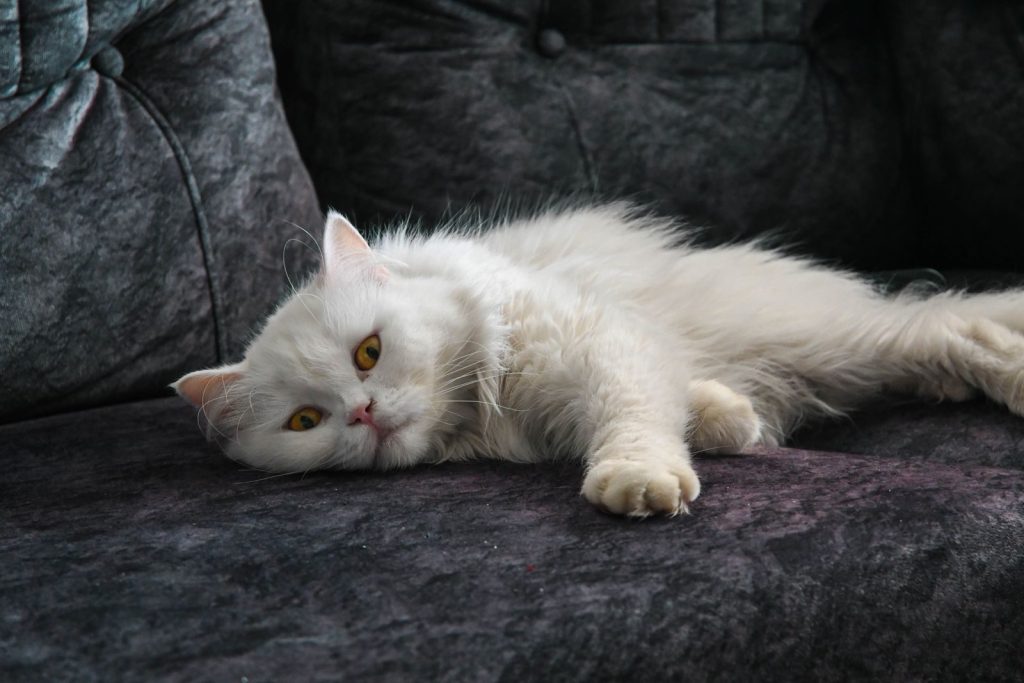
Persian cats are admired for their luxurious coats and calm personalities. However, their flat facial structure can contribute to breathing and other health complications.
They may also be susceptible to certain inherited disorders. Consistent grooming and preventive healthcare are essential for maintaining wellbeing.
Bengal
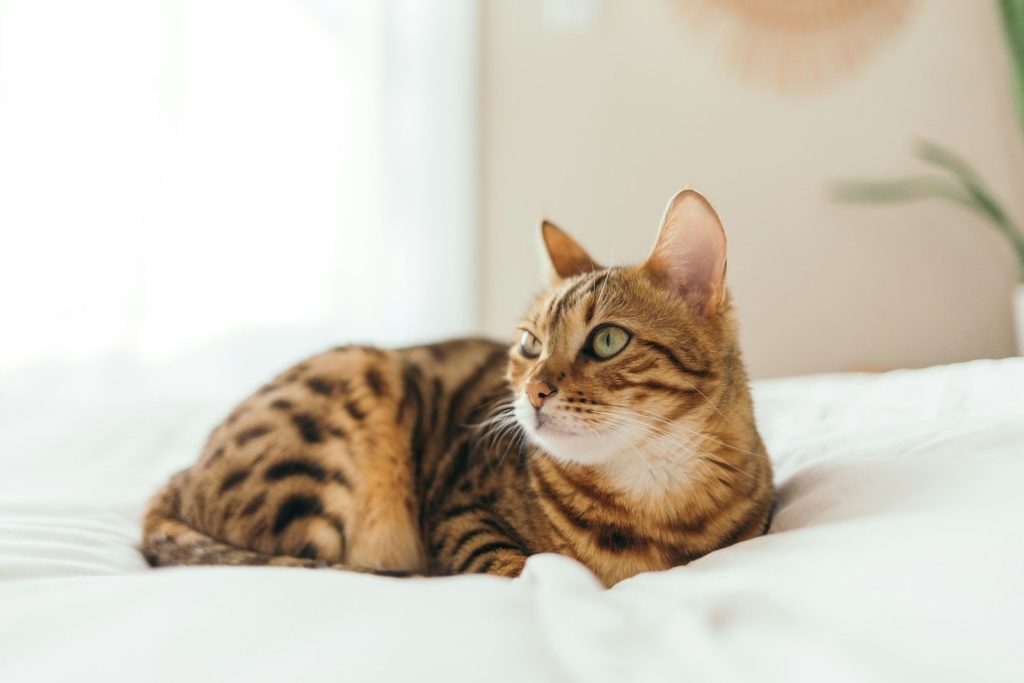
The Bengal is an energetic and athletic breed known for its striking appearance. While generally healthy, it can be predisposed to several hereditary conditions that may influence lifespan.
Routine veterinary care helps identify potential concerns early. Active lifestyles and proper nutrition also support overall health.
Ragdoll
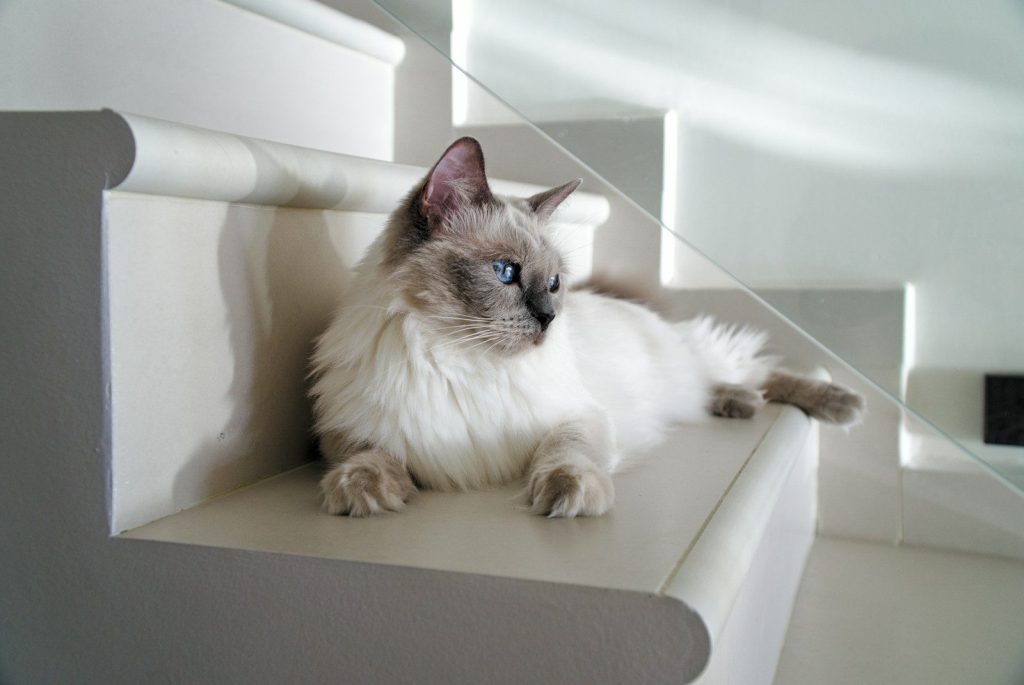
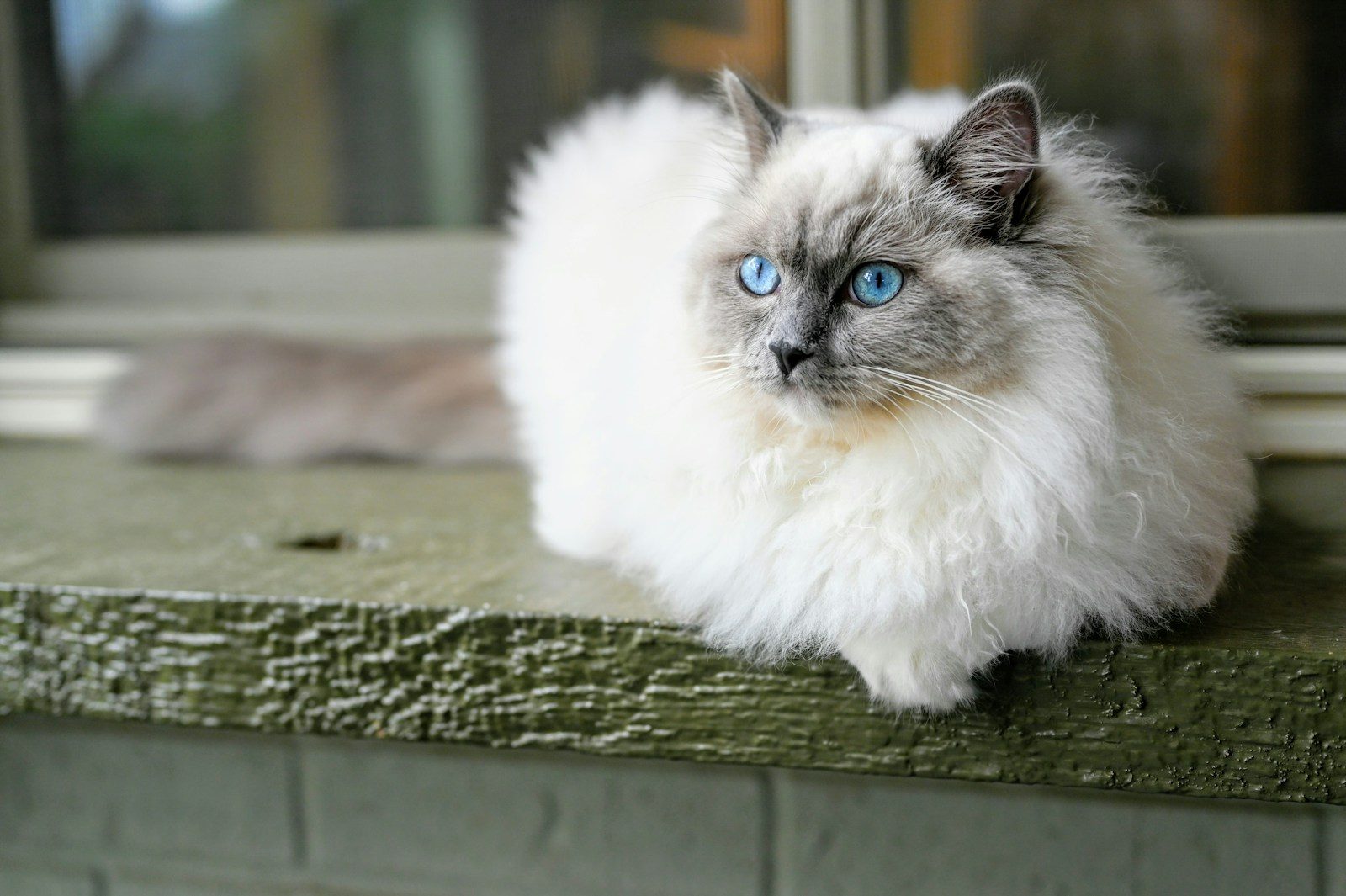
Ragdolls are gentle and affectionate companions that often form strong bonds with their owners. However, the breed has been associated with inherited heart conditions that can affect longevity.
Regular cardiac evaluations may help detect issues before symptoms become severe. Many Ragdolls still enjoy long and fulfilling lives with proper care.