Skip to content

Recent Posts

  • The Surprisingly Powerful Owl That Is Larger Than Most People Expect
  • How Seahorses Made a Comeback in Mozambique Waters
  • This Is What Happens When You Get Too Close to a Shoebill
  • True Stories of Children Raised by Animals Who Defied Human Logic
  • What To Do If You Spot a Fox in Your Yard

Most Used Categories

  • Nature & Wildlife (185)
  • Risk (38)
  • Human Interest (18)
  • Hunting (17)
  • Survival (14)
  • Bees/Swarms fear (13)
  • Exotic Animals (7)
  • Suspense (6)
  • Adventure (3)
  • Gears (2)
Skip to content
  • About Us
  • Contact Us
  • Disclaimer
  • Privacy Policy
  • Terms & Conditions

Hive Hunters Tales

  • Suspense
  • Nature & Wildlife
  • Human Interest
  • Hunting
  • Bees/Swarms fear
  • Exotic Animals
  • Risk
  • Survival
  • Adventure
  • Gears
  • Home
  • Nature & Wildlife
  • A Little Poop Could Help Save Forests From Overgrazing Deer
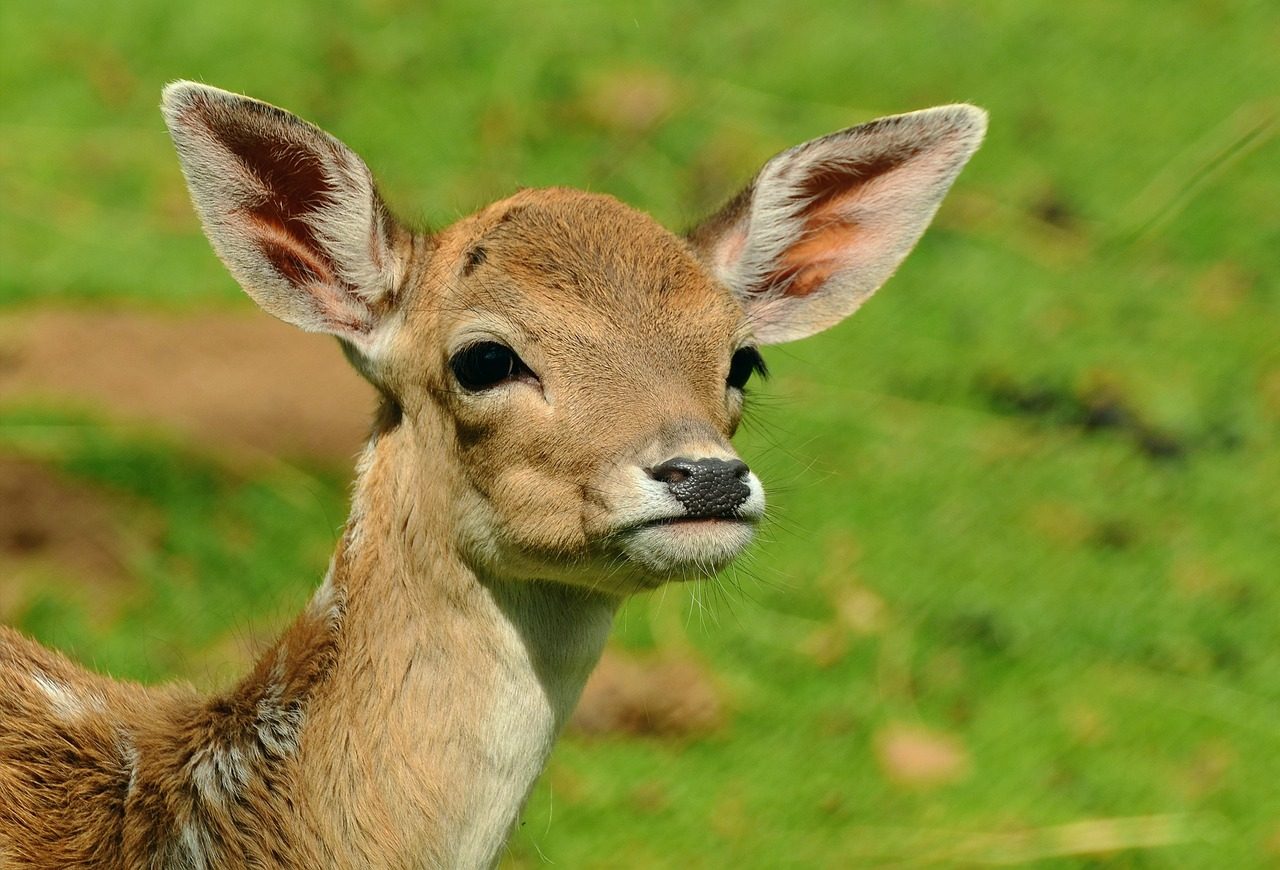
deer, fawn, young deer, wild, bambi, fallow deer, cub, forest animal, roe deer, deer, deer, deer, deer, deer

A Little Poop Could Help Save Forests From Overgrazing Deer

JakeJune 5, 2026June 5, 2026

Forests around the world are struggling with growing deer populations that eat young trees faster than they can regrow. But scientists may have found a surprisingly simple and natural way to protect forests, using predator scent, including materials derived from animal waste.

Deer Are a Major Challenge for Forest Recovery
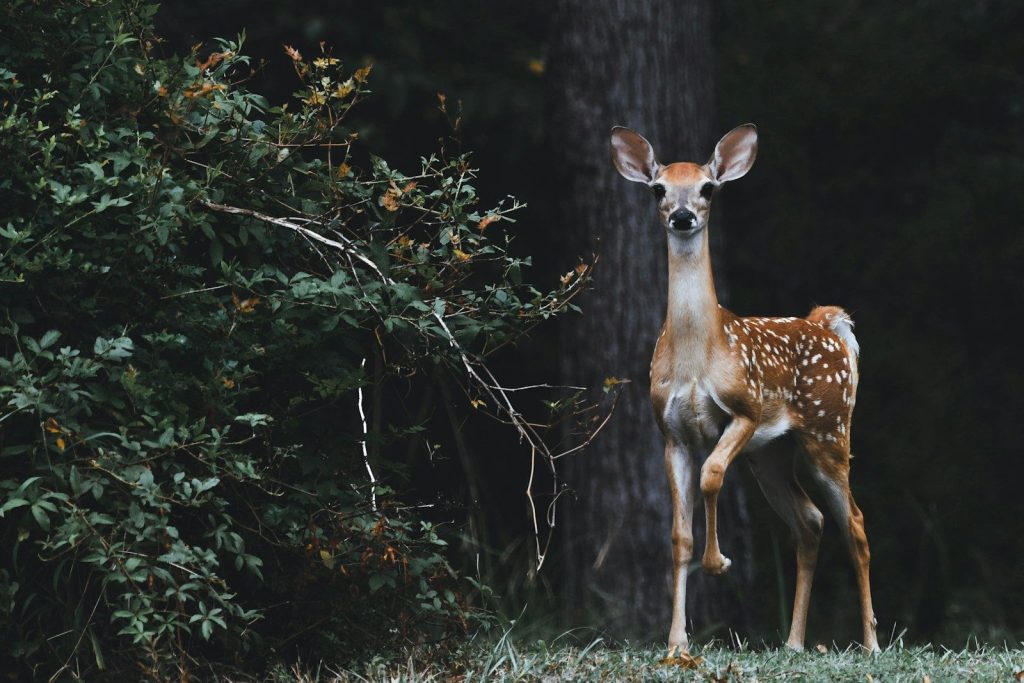
brown deer beside plants
Photo by Scott Carroll on Unsplash

In many regions, deer populations have grown so large that they are preventing forests from regenerating. Young saplings are often eaten before they can mature, slowing down or completely halting forest recovery.

This overbrowsing can change entire ecosystems by reducing tree diversity and weakening forest structure. As a result, land managers have been searching for low-cost, natural solutions to reduce deer damage.

A Surprisingly Simple Idea: Fear
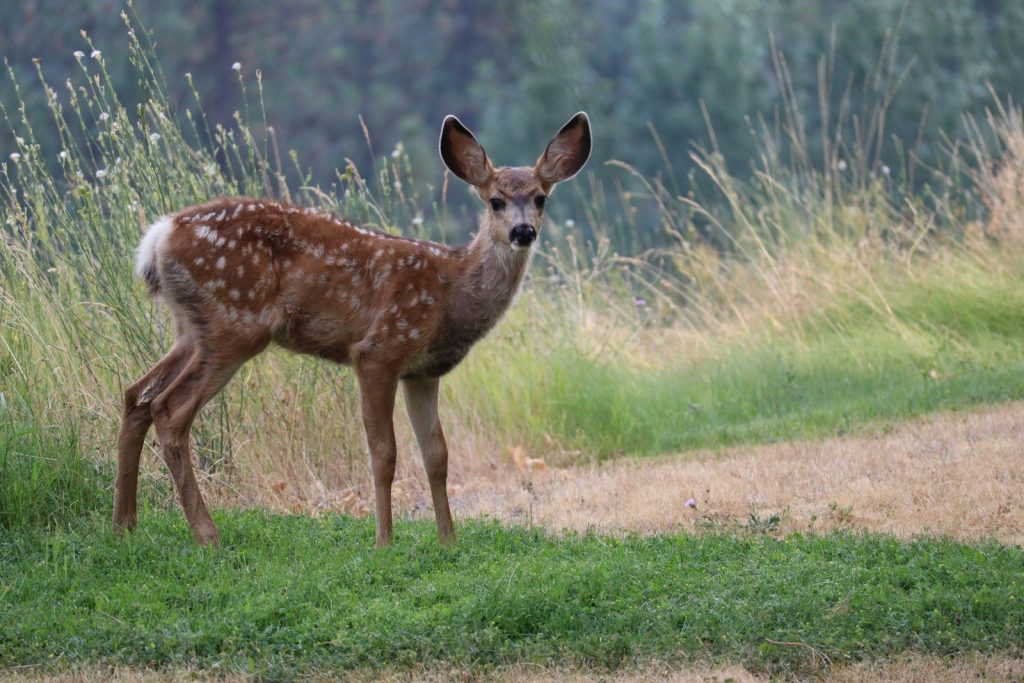
brown deer standing on green grass field
Photo by Divide By Zero on Unsplash

Instead of physically removing deer, researchers tested whether fear alone could influence their behavior. Deer naturally avoid areas where predators are present, even if they do not directly see them.

Scientists used scents associated with predators such as wolves and lynx to simulate danger in forest areas. The goal was to make deer believe predators were nearby.

Predator Scent Reduced Deer Activity
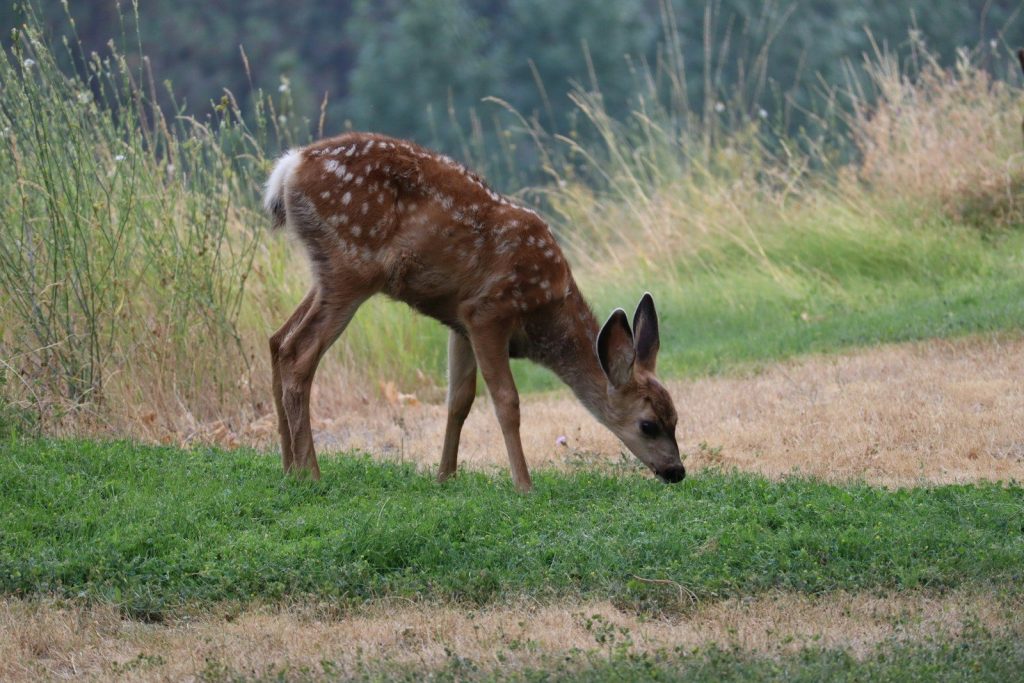
brown deer eating grass
Photo by Divide By Zero on Unsplash

In field experiments, researchers placed predator-related scents around young trees in experimental forest plots. These scents significantly reduced how often deer entered the areas.

When deer did enter, they spent less time feeding compared to untreated control areas. This resulted in noticeably less damage to young vegetation.

Lynx and Wolf Scents Show Different Effects
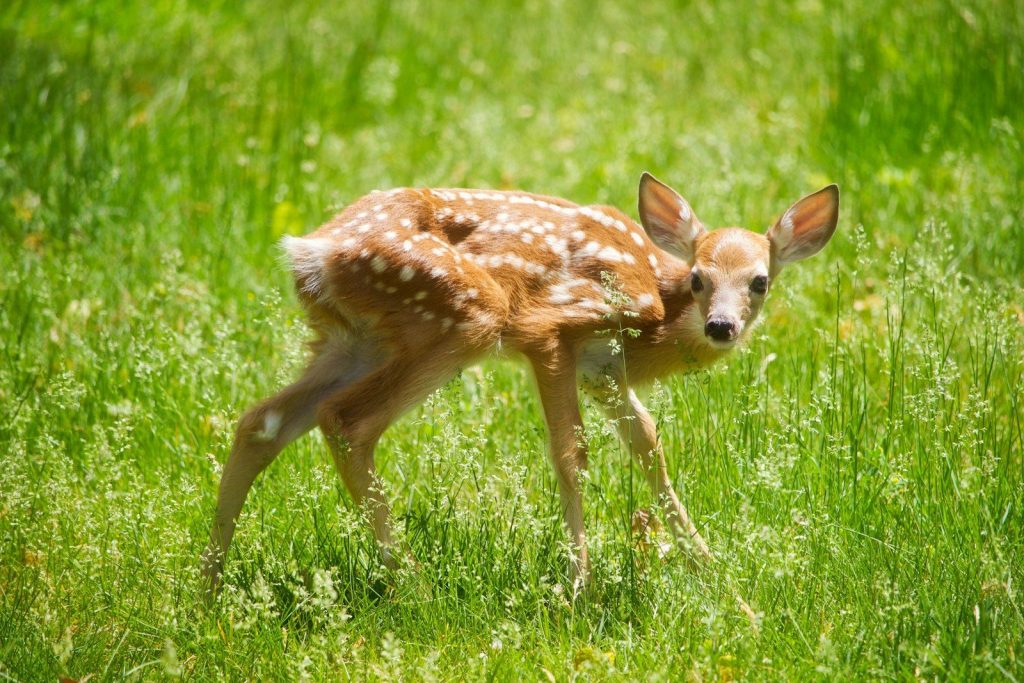
brown and white deer on green leafed grass during daytime
Photo by Julie Marsh 🇨🇦 on Unsplash

Among the tested scents, lynx-related signals appeared to be the most effective at deterring deer. Deer were more cautious in these areas, likely due to the hunting style of lynx as ambush predators.

Wolf scents also reduced deer activity, though slightly less strongly in some cases. Both, however, showed clear potential for influencing behavior.

A Low-Cost Tool for Forest Management
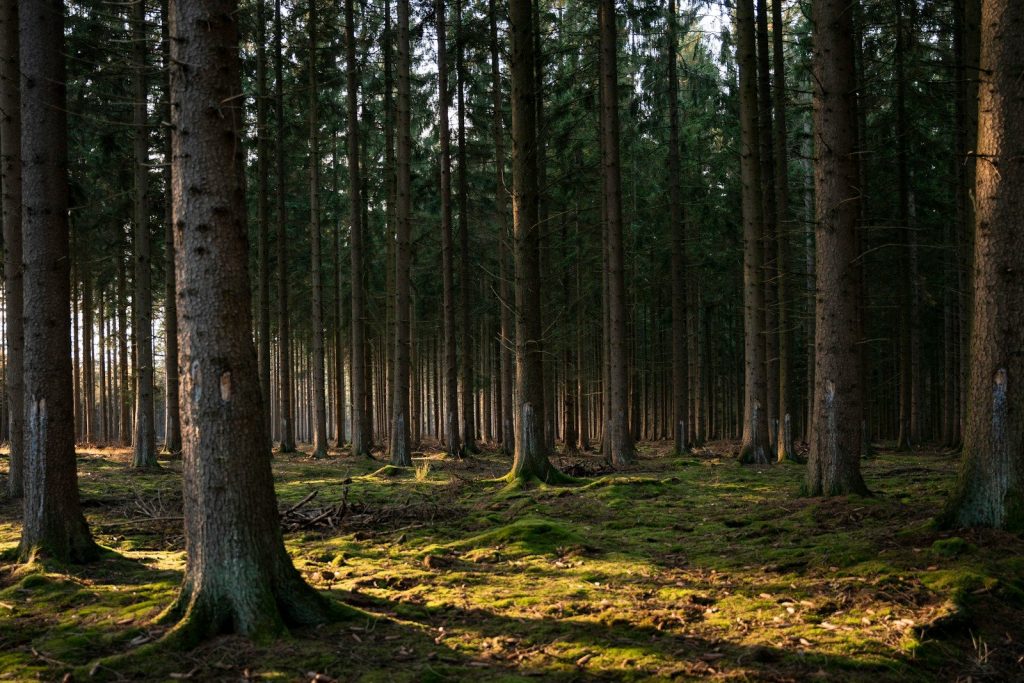
brown and green trees on brown grass field during daytime
Photo by Kat Closon on Unsplash

One of the key advantages of this approach is that it does not require fencing, hunting, or heavy infrastructure. Predator scent could potentially be applied in targeted areas where young forests need protection.

Researchers believe this could become a useful tool in reforestation projects and conservation efforts. It may be especially helpful in regions where natural predators have declined.

Nature’s Balance Through Behavior, Not Force
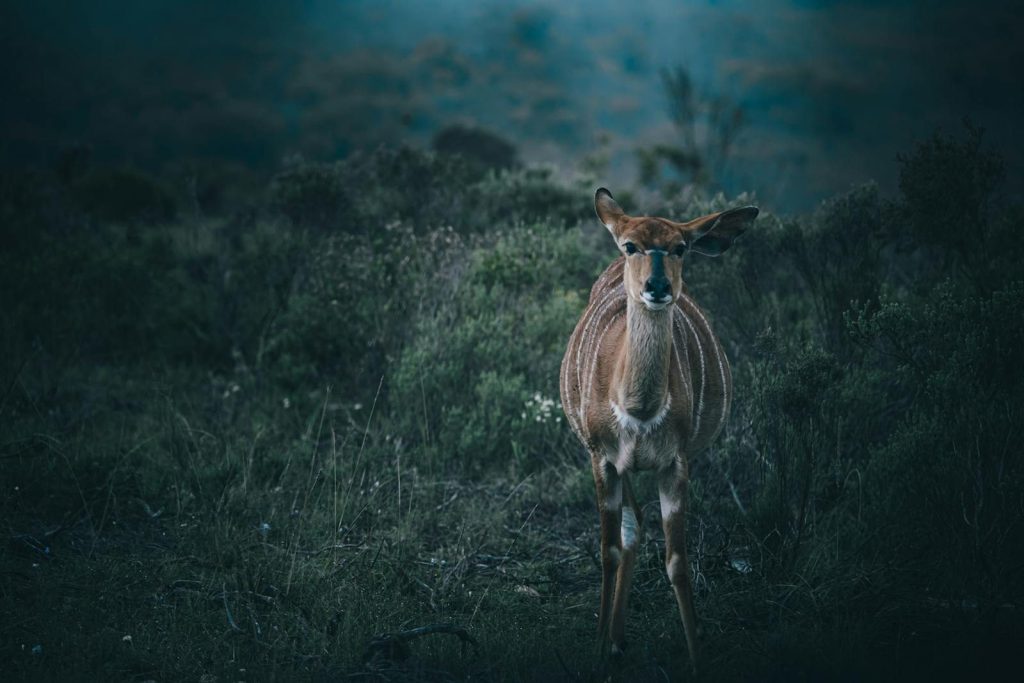
A serene antelope standing in an African grassland, captured during a moody daylight setting.
Photo by Edward Roets on Pexels

The study highlights an important ecological idea: animals often respond strongly to perceived risk. Even without direct encounters, the presence of predator cues can shape feeding patterns.

By restoring these “fear signals” in ecosystems, scientists may be able to rebalance areas where deer have become too dominant. It is a reminder that sometimes, nature can be guided with subtle cues rather than force.

Post navigation

Previous: The Most Protective Parents in the Animal Kingdom
Next: The Island Deer Found Nowhere Else on Earth Is Hanging on by a Thread

Related Posts

brown and white owl

The Surprisingly Powerful Owl That Is Larger Than Most People Expect

June 11, 2026June 11, 2026 Jake
shoebill, balaeniceps rex, african bird, a large african bird, the african wilderness, prague zoo, shoebill, shoebill, shoebill, shoebill, shoebill

This Is What Happens When You Get Too Close to a Shoebill

June 11, 2026June 11, 2026 Jake
A child lovingly embraces a goat, showcasing companionship in a lush Bangladesh setting.

True Stories of Children Raised by Animals Who Defied Human Logic

June 11, 2026June 11, 2026 Jake

Leave a Reply Cancel reply

Your email address will not be published. Required fields are marked *

Recent Posts

  • The Surprisingly Powerful Owl That Is Larger Than Most People Expect
  • How Seahorses Made a Comeback in Mozambique Waters
  • This Is What Happens When You Get Too Close to a Shoebill
  • True Stories of Children Raised by Animals Who Defied Human Logic
  • What To Do If You Spot a Fox in Your Yard
Copyright All Rights Reserved | Theme: BlockWP by Candid Themes.