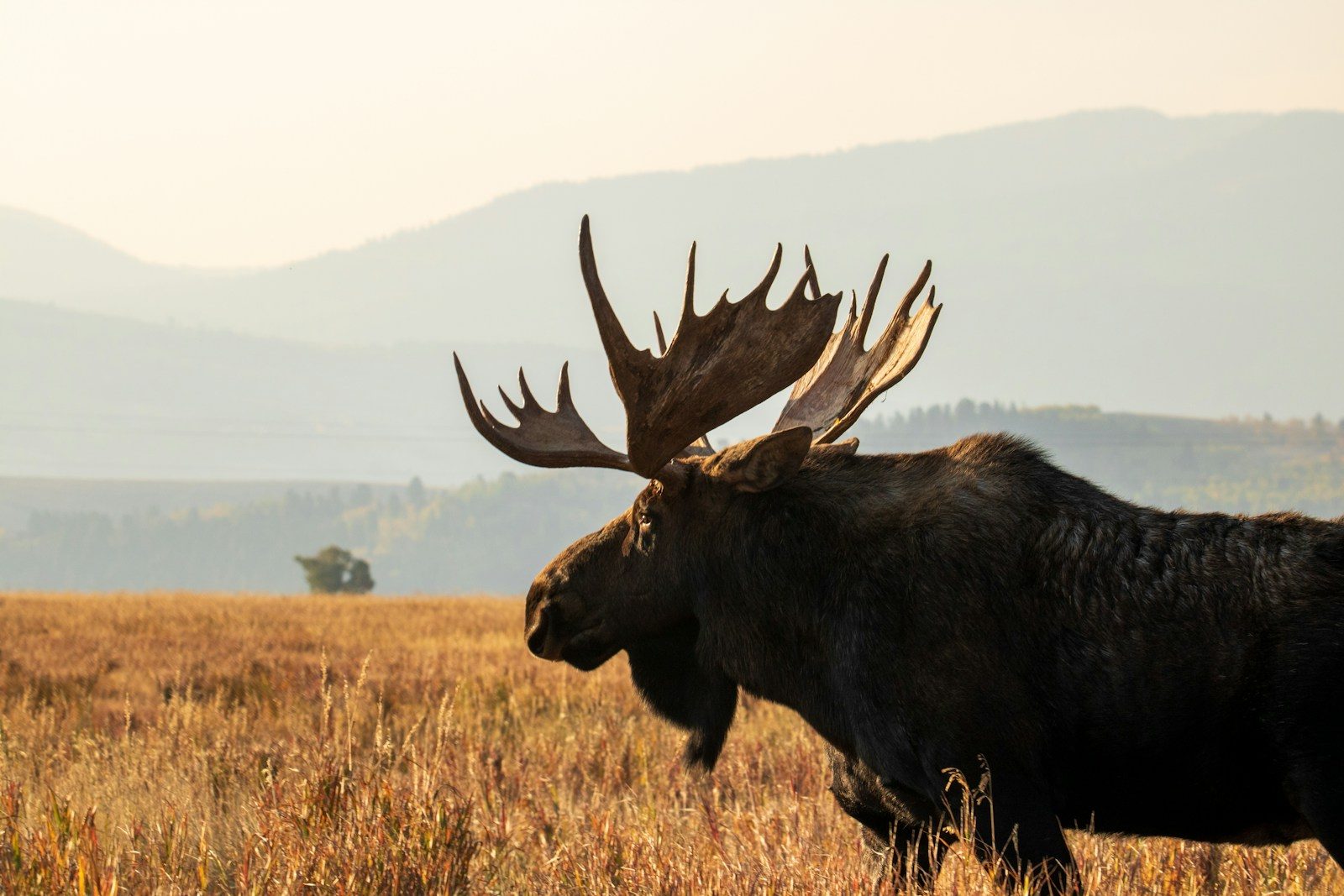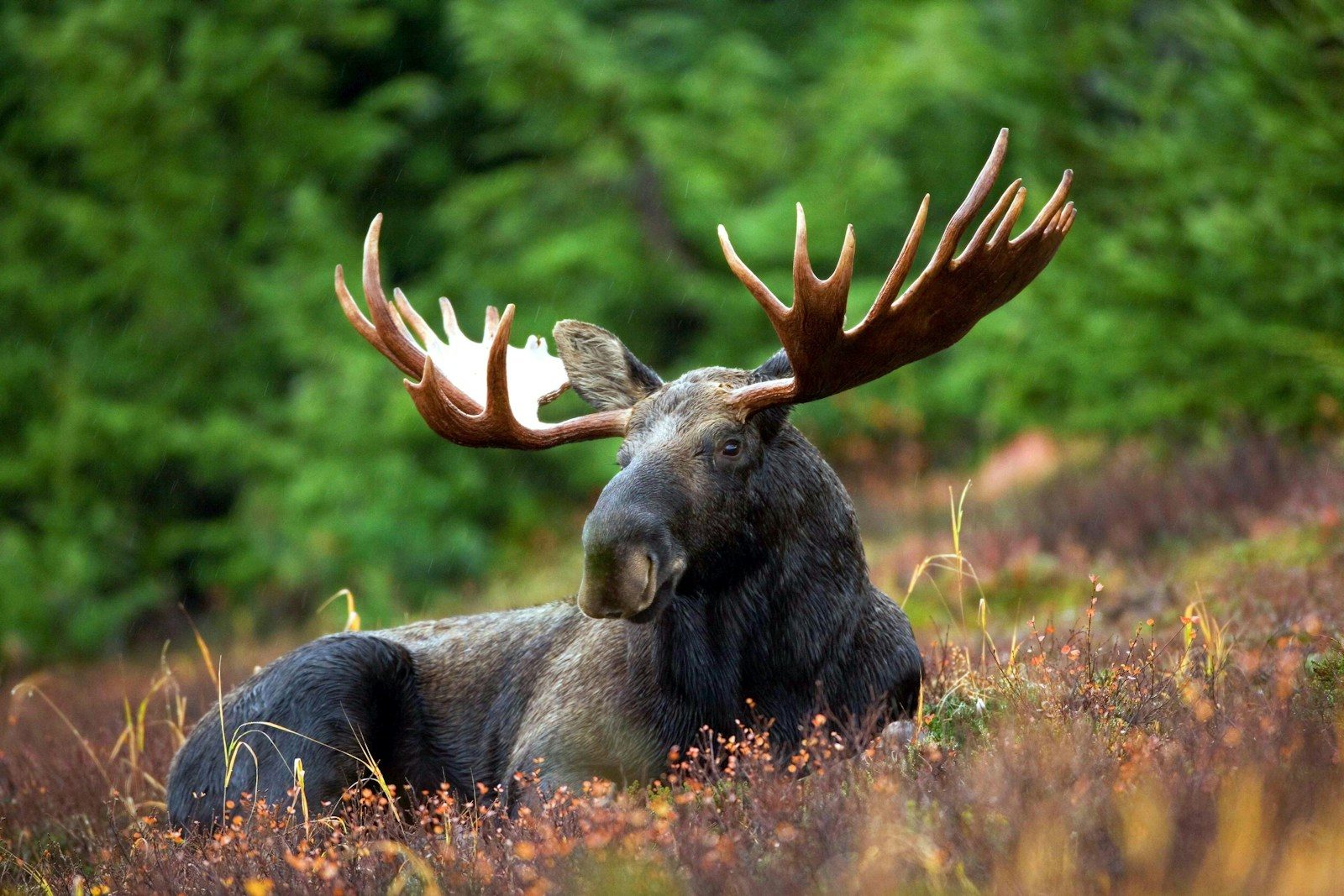
Seeing a moose in the wild can be an unforgettable experience, but it’s important to remember that these massive animals can be unpredictable. Adult moose can weigh well over 1,000 pounds and are capable of running faster than many people expect. Although they aren’t naturally aggressive, they will defend themselves if they feel threatened, especially mothers with calves and bulls during the breeding season. Knowing how to react during an encounter can help protect both you and the animal.
Keep a Safe Distance
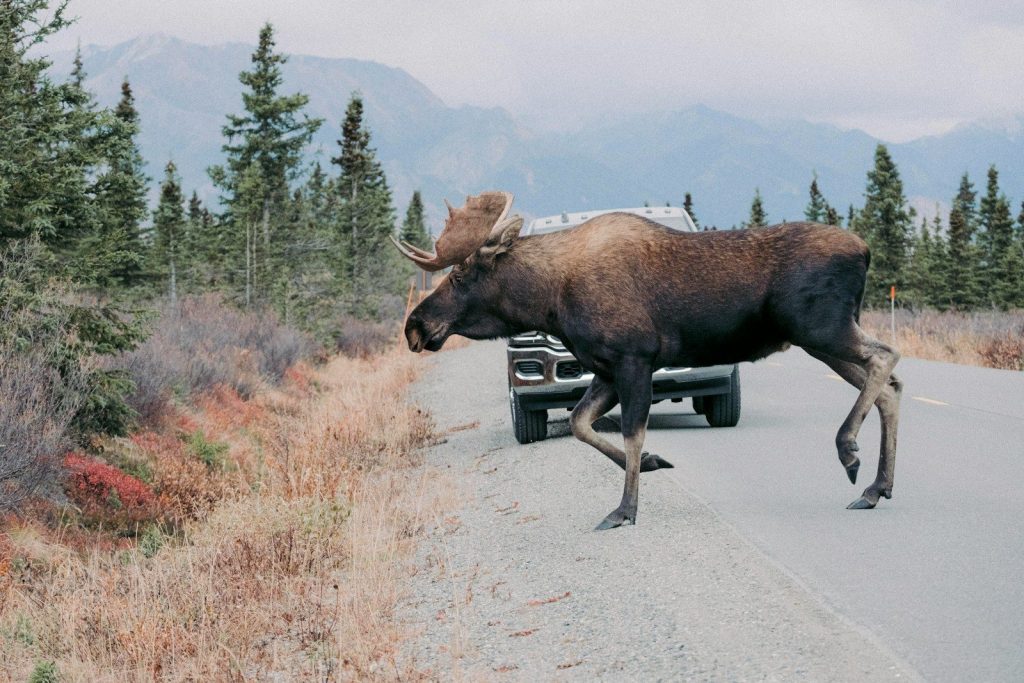
The best way to avoid a dangerous encounter is to give moose plenty of space. Wildlife experts recommend staying at least 25 yards (about 23 meters) away, and even farther if the animal appears agitated or has calves nearby.
Never approach a moose for photographs or attempt to feed it. If the animal changes its behavior because of your presence, you’re already too close.
Watch for Warning Signs
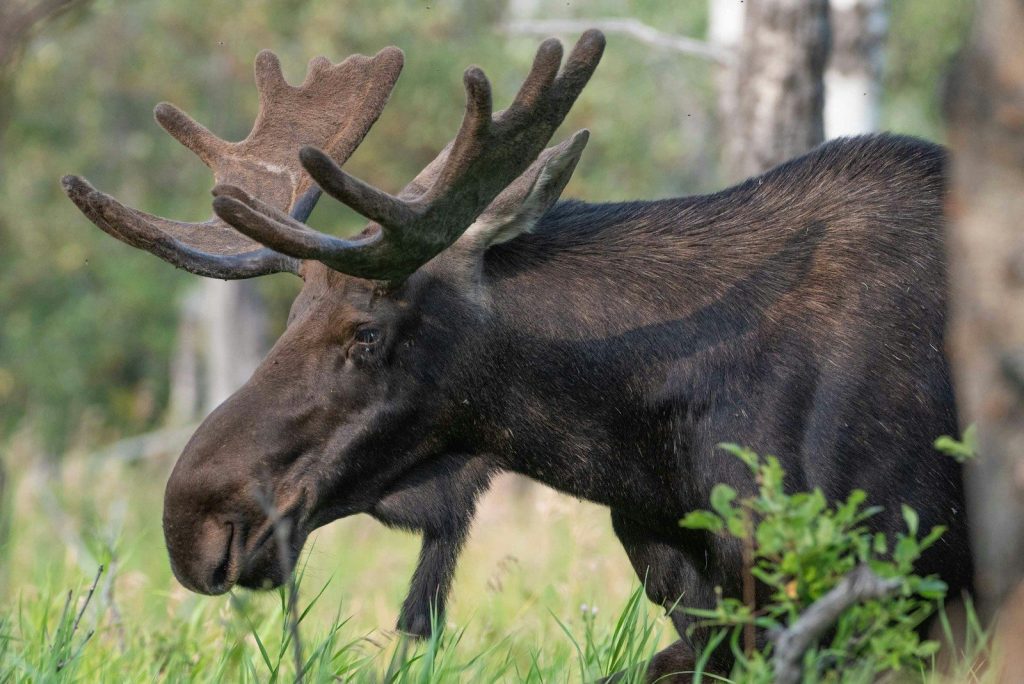
Moose usually give clear signals when they’re becoming uncomfortable. Warning signs include ears pinned back, raised hair on the hump or neck, lip licking, head lowering, foot stomping, or making short bluff charges.
If you notice any of these behaviors, leave the area immediately without making sudden movements that could further alarm the animal.
Back Away Calmly
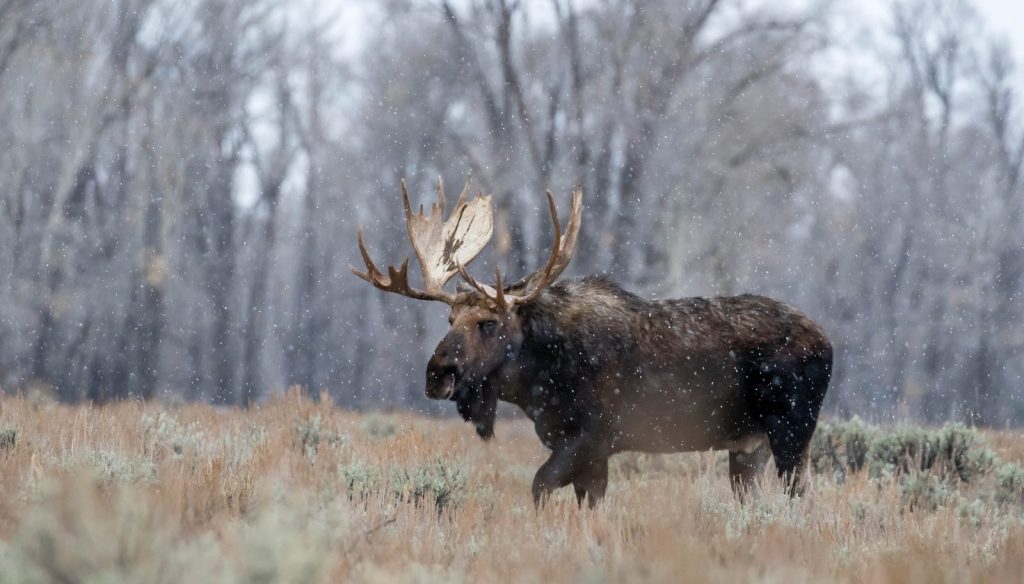
If a moose notices you, remain calm and avoid acting aggressively. Speak softly if necessary and slowly back away while keeping your eyes on the animal. Do not block its path or try to force it to move.
Giving the moose a clear escape route often helps reduce tension and allows it to continue on its way.
Run if a Moose Charges
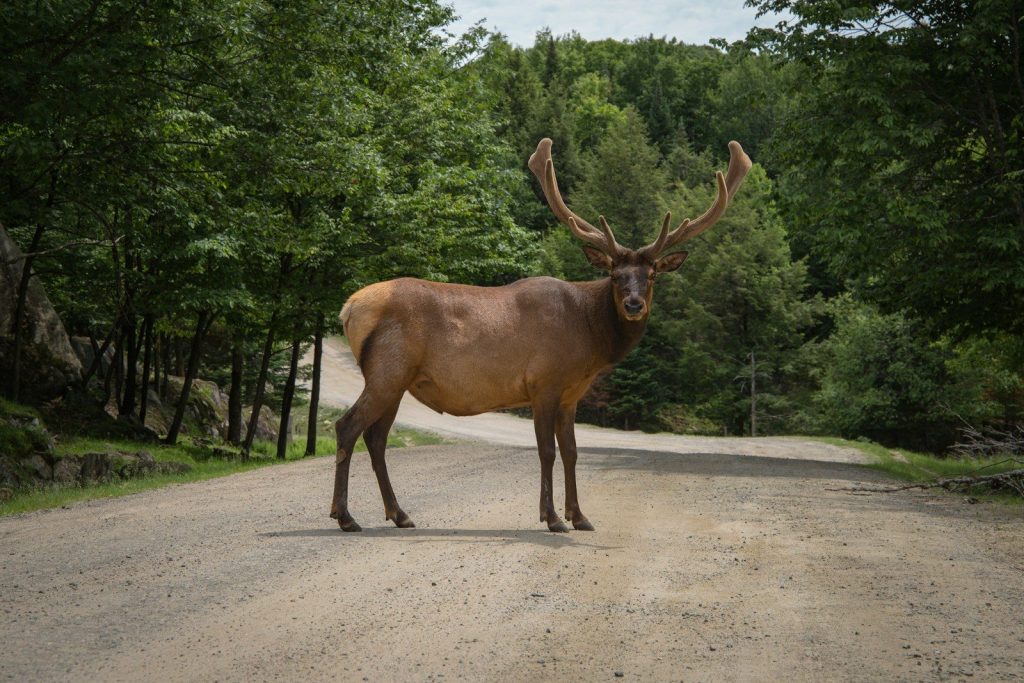
Unlike encounters with some large predators, running away from a charging moose is recommended. Moose typically charge to drive away a perceived threat rather than to pursue it over long distances.
If possible, put a large tree, boulder, vehicle, or building between yourself and the animal to create a barrier.
Protect Yourself if You’re Knocked Down
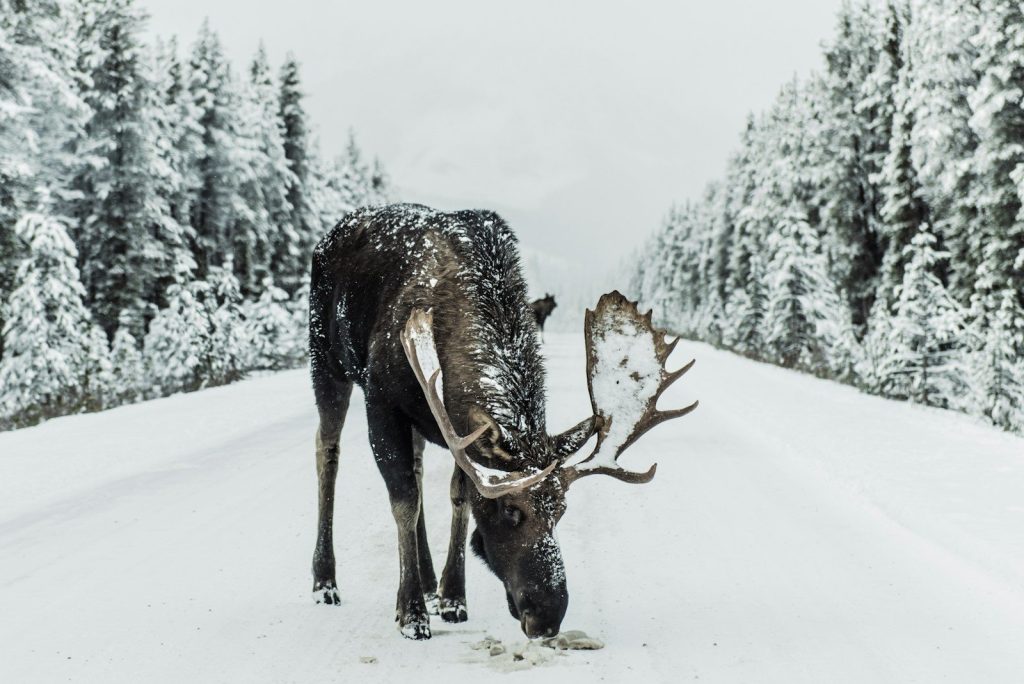
If a moose catches you and knocks you to the ground, curl into a ball, protect your head and neck with your arms, and remain still until the animal moves away. Fighting back may convince the moose that you still pose a threat and could prolong the attack.
Once the moose has retreated to a safe distance, leave the area as quickly and calmly as possible.
Be Extra Careful With Dogs
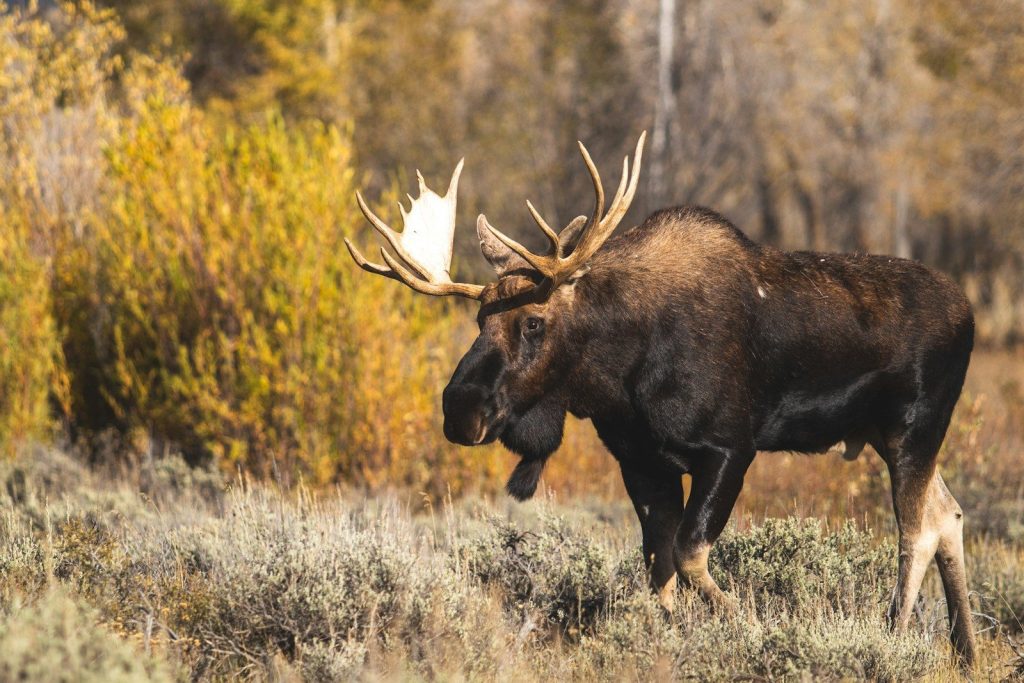
Moose often perceive dogs as predators because they resemble wolves. Even a friendly dog can trigger an aggressive response if it barks at or chases a moose.
Keep dogs leashed in areas where moose are known to live, and if you encounter one, calmly move away together. Preventing your dog from approaching wildlife is one of the most effective ways to avoid a dangerous situation for everyone involved.
Featured Image: Photo by Shivam Kumar on Unsplash