The ocean is home to millions of fascinating creatures, but some can pose a serious danger to humans. From venomous predators to creatures whose toxins can cause paralysis or even death, these five sea animals are among the most dangerous found beneath the waves.
Australian Box Jellyfish
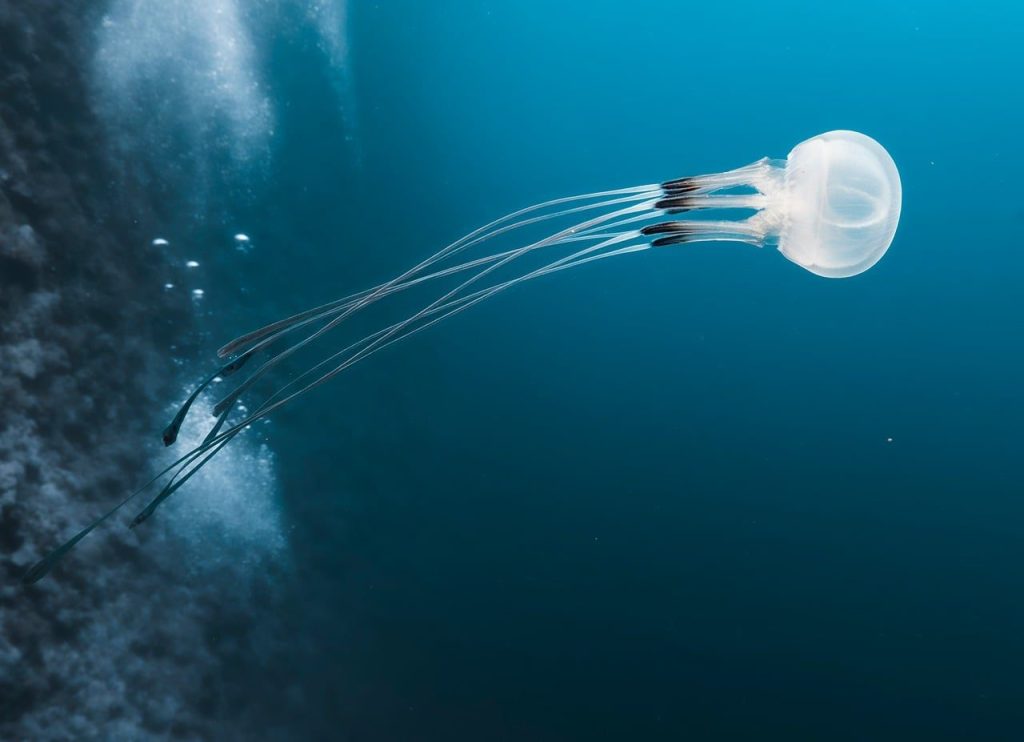
The Australian box jellyfish is widely considered one of the deadliest creatures in the ocean. Its long tentacles contain powerful venom that can attack the heart, nervous system, and skin.
In severe cases, a sting can cause paralysis and cardiac arrest within minutes. The species also has 24 eyes, helping it navigate through the water as it moves through coastal waters.
Saltwater Crocodile

Saltwater crocodiles are the world’s largest living reptiles, with males capable of growing more than 20 feet long and weighing up to 1,000 kilograms.
They are powerful predators with an enormous bite force and are responsible for hundreds of attacks on people worldwide. Their ability to move between rivers, coastal waters, and land makes them especially dangerous in areas where humans and crocodiles share the same environment.
Stonefish

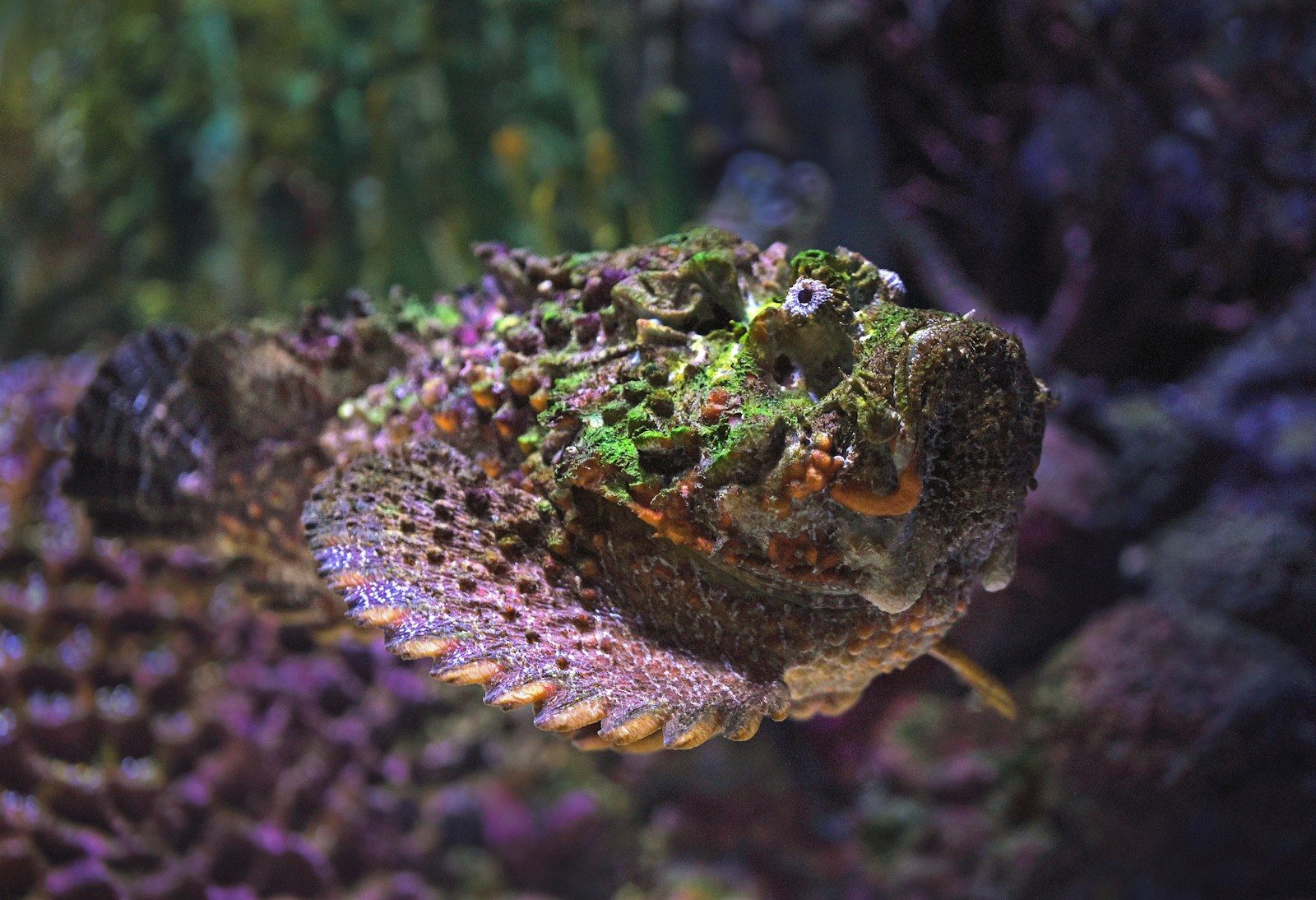
The stonefish is the world’s most venomous fish and is an expert at camouflage. Its appearance allows it to blend in almost perfectly with rocks and the ocean floor.
People can accidentally step on a stonefish, triggering its venomous dorsal spines. The sting can cause excruciating pain, paralysis, tissue damage, and potentially fatal heart problems if medical treatment is not received quickly.
Blue-Ringed Octopus
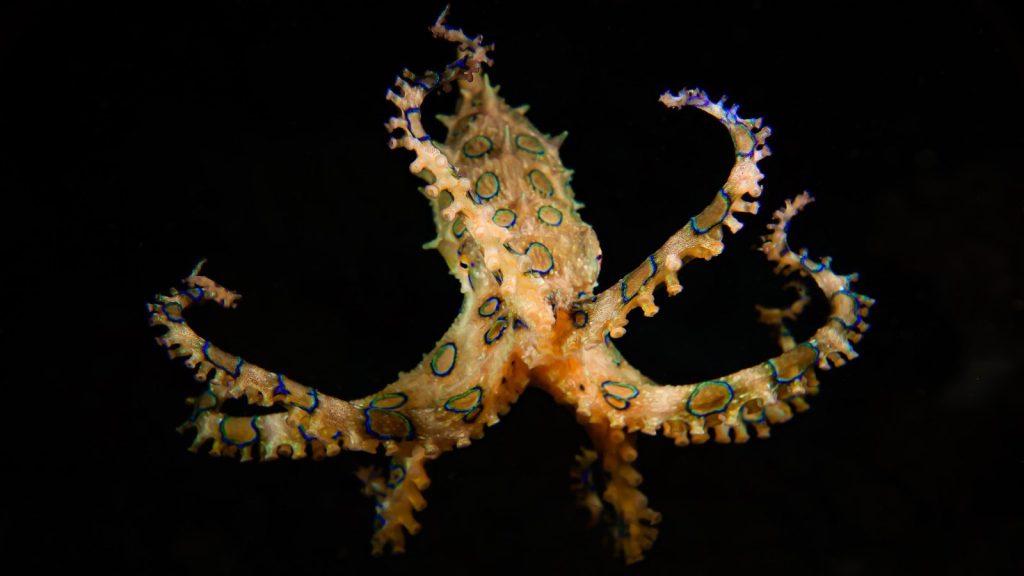
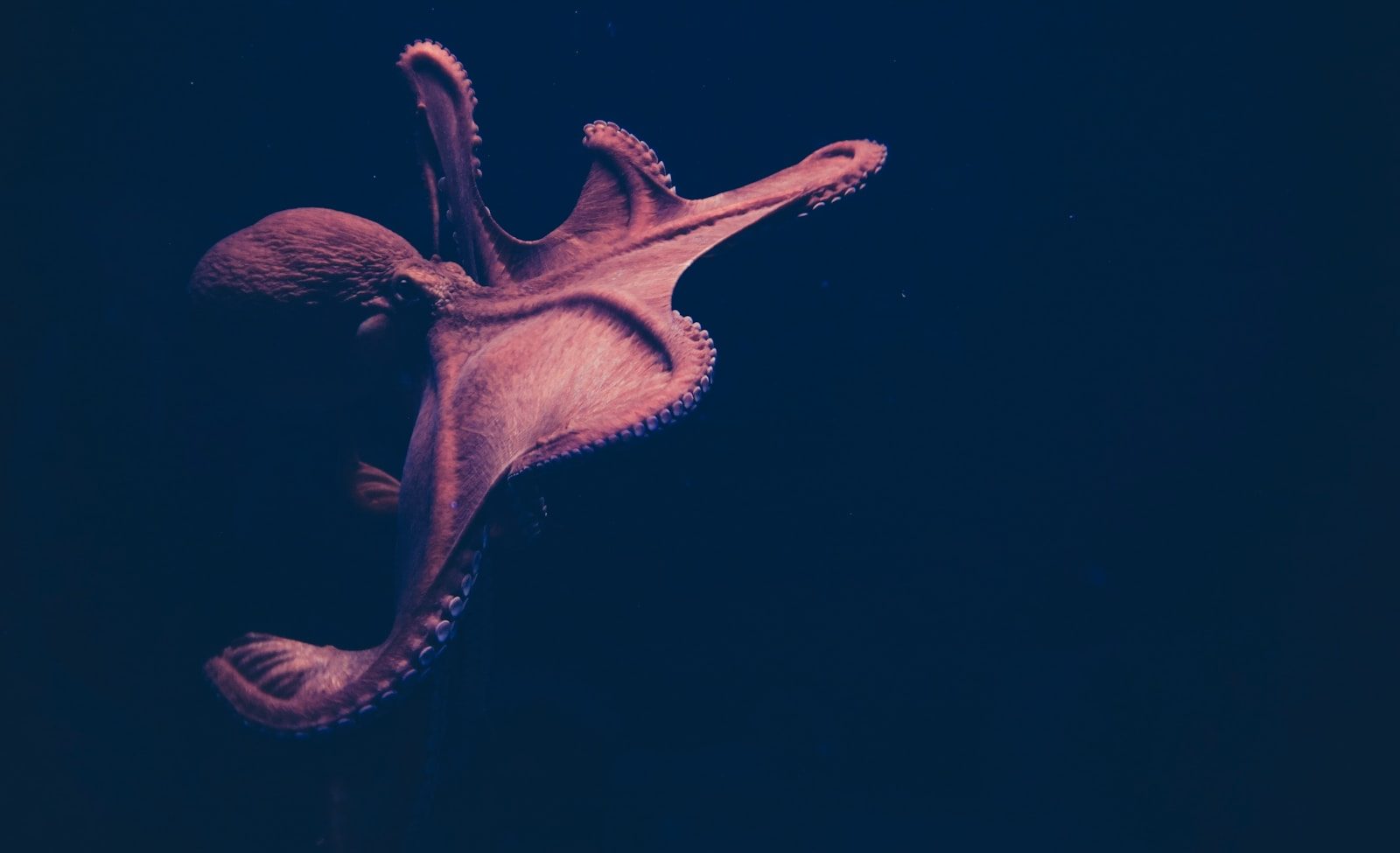
The blue-ringed octopus may be small and beautiful, but its bite can be deadly. Its bright blue rings appear when the animal feels threatened and serve as a warning.
Its venom can cause paralysis and respiratory failure within minutes. One of the most frightening aspects of the toxin is that victims may remain conscious while being unable to move or breathe.
Geography Cone Snail

The geography cone snail is one of the most dangerous venomous animals in the ocean. Its venom contains powerful toxins that can cause paralysis, respiratory failure, and death.
The snail uses a harpoon-like tooth to inject venom into its prey. Although encounters with humans are uncommon, the species has been linked to recorded fatalities, and there is no known antidote for its venom.
Featured Image: Photo by David Clode on Unsplash