Skip to content

Recent Posts

  • Scientists Extract DNA From Ice Age Wolf’s Last Meal, Revealing Why Woolly Rhinos Went Extinct
  • Giant 62-Foot ‘Kraken-Like’ Octopus Once Ruled Ancient Oceans, Scientists Discover
  • New Study Reveals Most Dogs Show Signs of Anxiety
  • Bizarre Animal Behaviors That Actually Have a Scientific Explanation
  • How Dangerous Are Ostriches and What Should You Do During an Encounter?

Most Used Categories

  • Nature & Wildlife (527)
  • Risk (57)
  • Human Interest (28)
  • Hunting (18)
  • Survival (16)
  • Exotic Animals (16)
  • Bees/Swarms fear (13)
  • Suspense (8)
  • Adventure (3)
  • Gears (2)
Skip to content
  • About Us
  • Contact Us
  • Disclaimer
  • Privacy Policy
  • Terms & Conditions

Hive Hunters Tales

  • Suspense
  • Nature & Wildlife
  • Human Interest
  • Hunting
  • Bees/Swarms fear
  • Exotic Animals
  • Risk
  • Survival
  • Adventure
  • Gears
  • Home
  • Risk
  • The “Birds From Hell” That Fishermen Can’t Stand
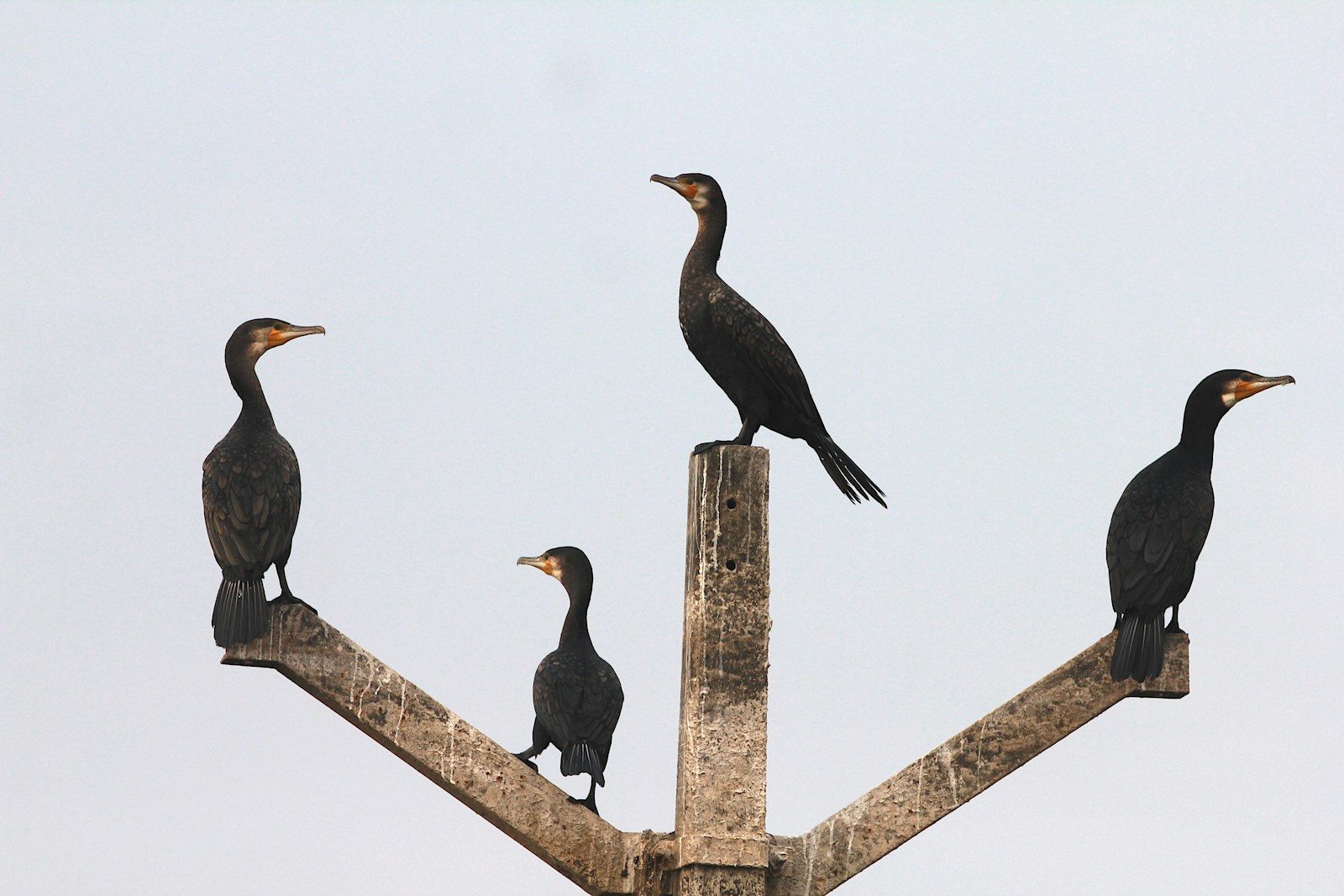
a group of birds sitting on top of a pole

The “Birds From Hell” That Fishermen Can’t Stand

JakeMay 25, 2026May 25, 2026

Few birds frustrate fishermen more than cormorants. These dark water birds are famous for their fishing skills, huge appetites, and ability to empty lakes and rivers of fish faster than many people expect.

While bird lovers admire their hunting ability and survival skills, many fishermen see them as serious competition. In some areas, the birds have even earned the nickname “birds from hell” because of the problems they can create near popular fishing spots.

Cormorants Are Expert Fish Hunters
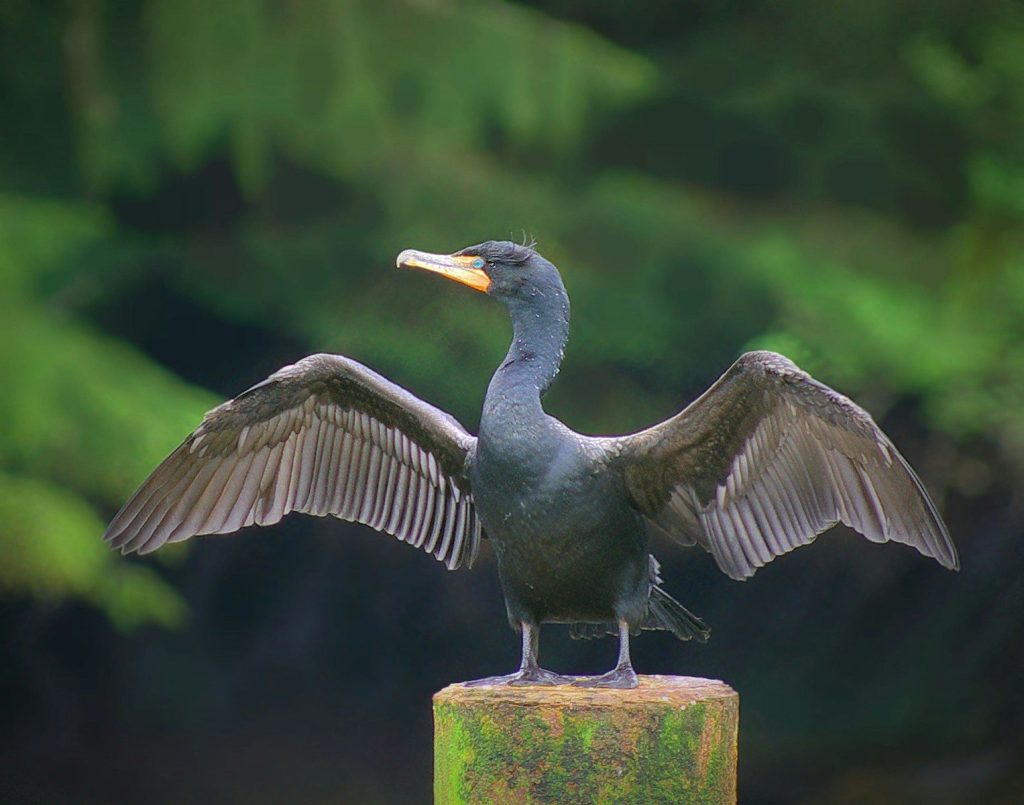
gray bird on brown wooden log during daytime
Photo by Shlomo Shalev on Unsplash

Cormorants are built for catching fish. They dive underwater with incredible speed and can stay submerged long enough to chase fish through deep water.

Their sharp hooked beaks and strong swimming ability make them highly effective predators. Large groups of cormorants can catch enormous amounts of fish in a single day.

Fishermen Blame Them for Declining Fish Populations
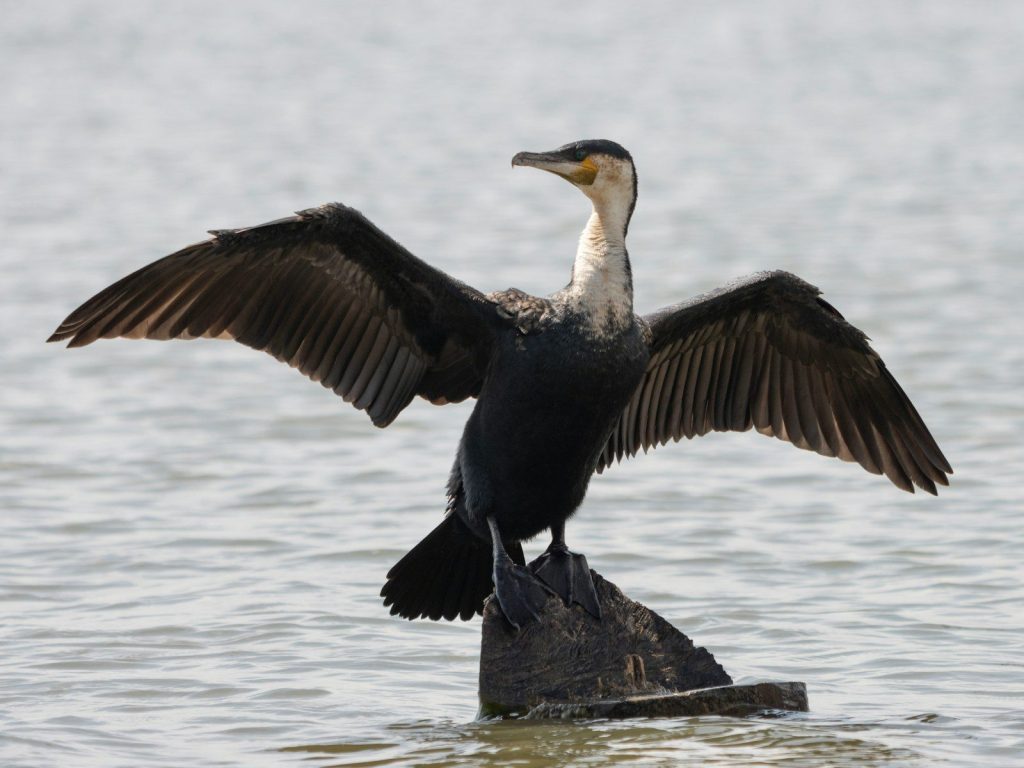
A large bird standing on top of a rock in the water
Photo by Hongbin on Unsplash

Many commercial and recreational fishermen believe growing cormorant populations are reducing fish numbers in lakes and rivers. The birds often target the same species that humans want to catch.

In heavily populated fishing areas, large flocks may gather around docks, rivers, and hatcheries where fish are easier to find.

Their Colonies Can Damage Trees and Shorelines
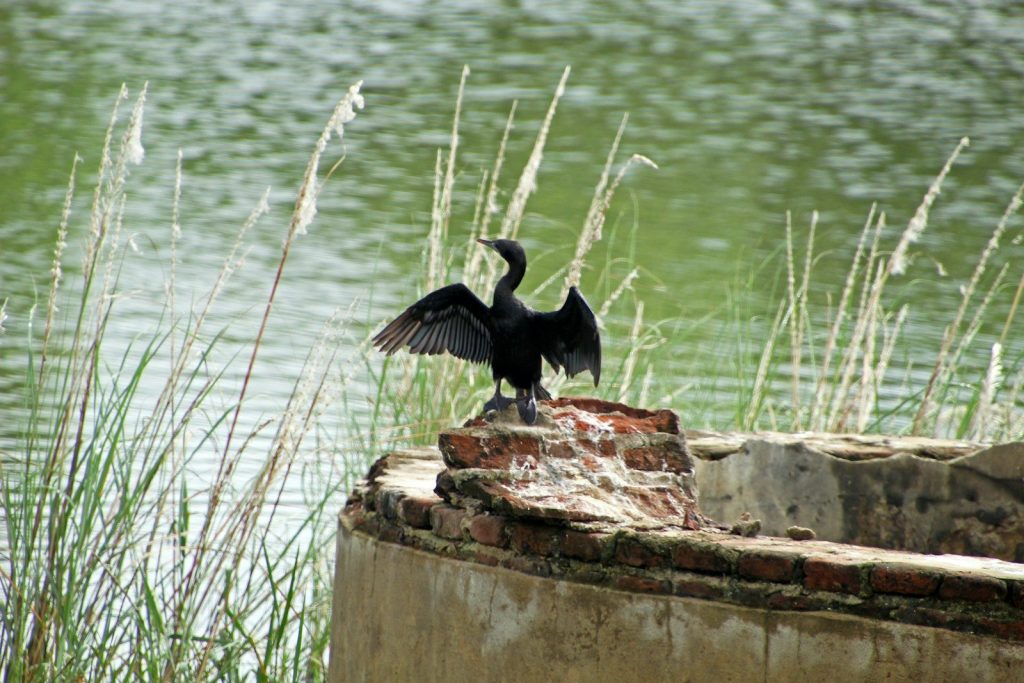
a black bird sitting on top of a brick wall next to a body of water
Photo by viswaprem anbarasapandian on Unsplash

Cormorants often nest in large colonies near water. Over time, their droppings can kill trees and damage vegetation because of the high acidity and nutrient buildup.

Some islands and shorelines have reportedly lost large sections of plant life after years of heavy cormorant nesting activity.

They Are Surprisingly Powerful Underwater
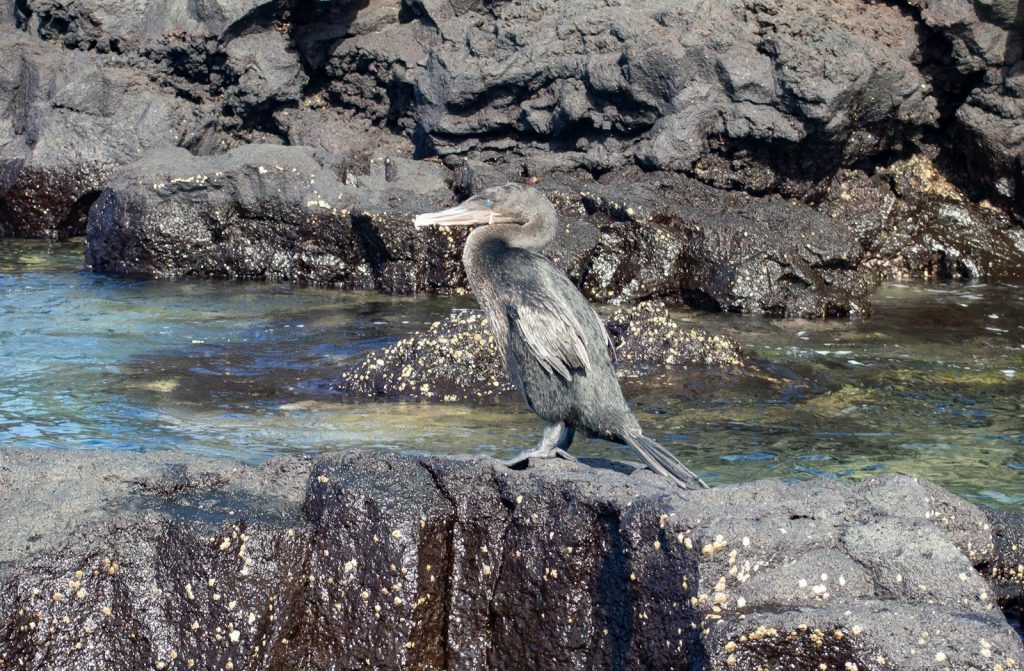
a bird sitting on a rock in the water
Photo by Heidi Bruce on Unsplash

Although cormorants may appear awkward on land, they become extremely fast and agile once underwater. Their bodies are designed for diving rather than floating like ducks.

Unlike many water birds, cormorants do not have fully waterproof feathers. This helps them dive deeper and move faster beneath the surface.

Not Everyone Sees Them as a Problem
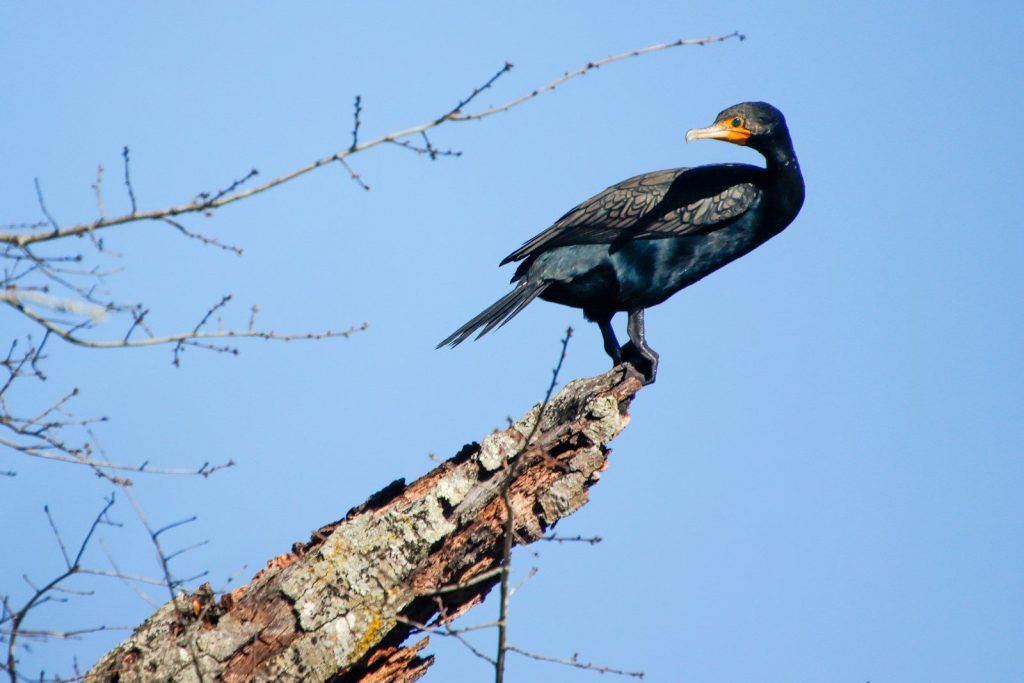
a bird sitting on top of a tree branch
Photo by Alla Kemelmakher on Unsplash

Wildlife experts argue that cormorants are a natural part of aquatic ecosystems. They point out that overfishing, pollution, and habitat destruction also play major roles in fish population declines.

Some scientists believe the birds are unfairly blamed for environmental problems caused mainly by human activity.

Cormorants Have Recovered After Population Declines
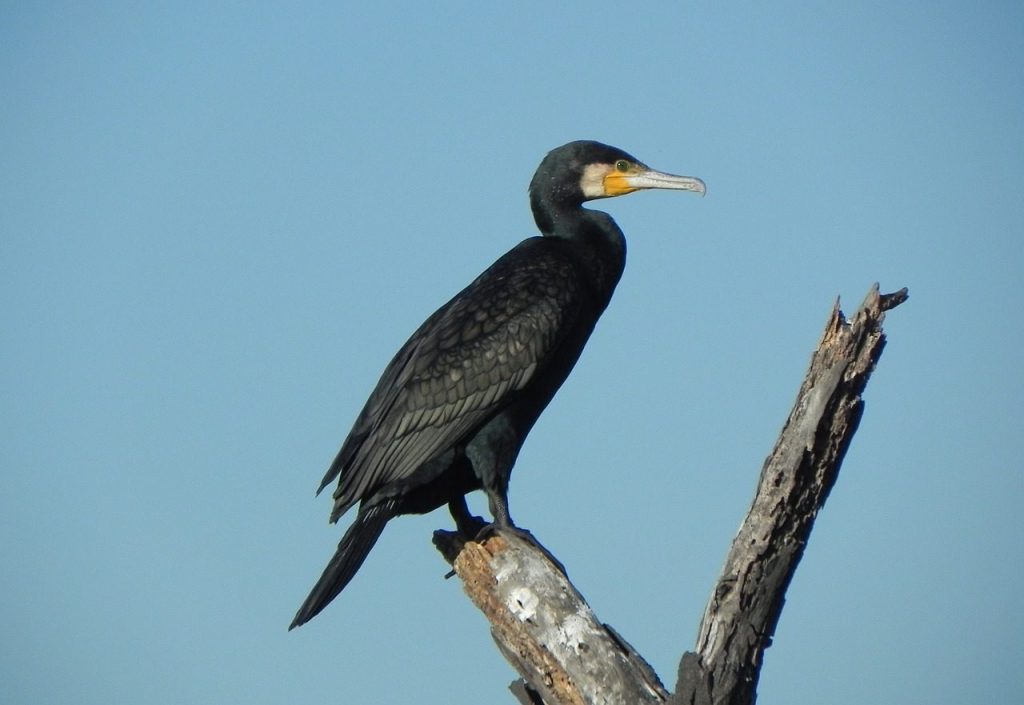
bird, great cormorant, phalacrocorax carbo, great black cormorant, black cormorant, large cormorant, black shag, aves, suliformes, phalacrocoracidae, nature, bharatpur, india
Photo by sarangib on Pixabay

Cormorant populations once dropped sharply in parts of North America because of pollution and pesticide use. Conservation efforts and environmental protections later helped many populations recover.

As their numbers increased again, conflicts between birds and fishermen became more common.

Why These Birds Continue To Divide Opinions
birds, cormorant, ornithology, species, fauna, avian, nature, animal, ardea alba, great egret
Photo by johnNaturePhotos on Pixabay

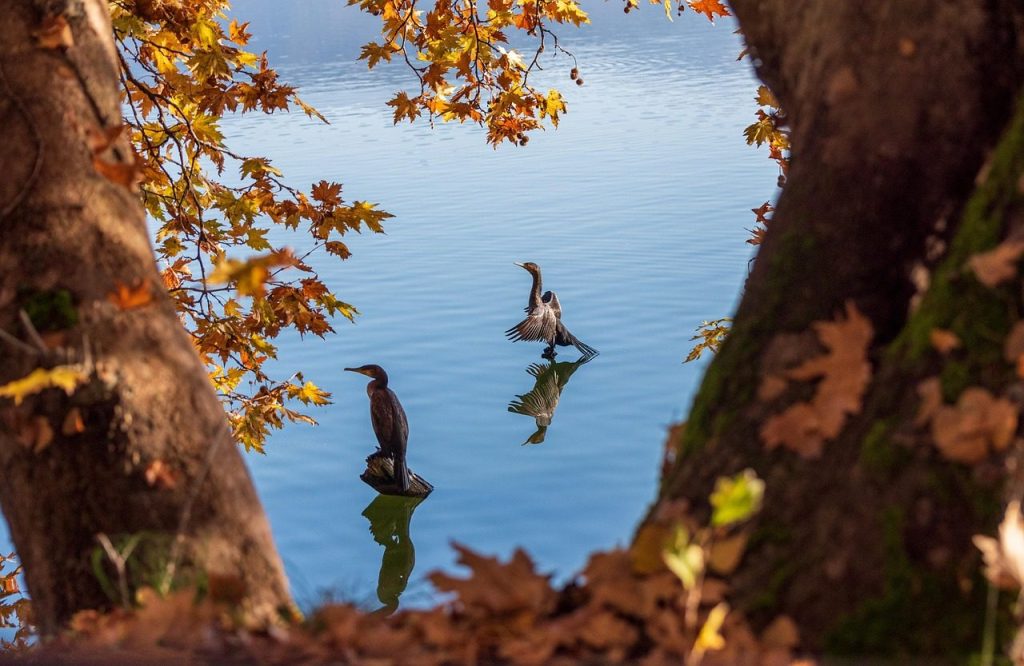
Cormorants represent the ongoing balance between wildlife conservation and human industries. To some people, they are fascinating and highly skilled birds that deserve protection.

To others, they are aggressive fish hunters that create problems for local fishing communities. Either way, these powerful birds continue to spark debate anywhere they appear in large numbers.
Post navigation

Previous: Wild Animals That Made America’s Roads Feel Much Smaller
Next: The Deadly Cassowary Attack That Shocked Animal Experts

Related Posts

selective focus photography of green insect

Are We Facing an Insect Apocalypse?

July 11, 2026July 11, 2026 Jake
brown spider on green leaf

Tick Populations Are Rising This Summer: Here’s How to Protect Your Yard and Your Family

July 11, 2026July 11, 2026 Jake
bear, grizzly, animal, wildlife, grizzly bear, brown bear, male bear, predator, mammal, beast, nature, bear, grizzly, grizzly bear, grizzly bear, grizzly bear, grizzly bear, grizzly bear

Father Protects Daughter During Grizzly Bear Encounter

July 3, 2026July 3, 2026 Jake

Leave a Reply Cancel reply

Your email address will not be published. Required fields are marked *

Recent Posts

  • Scientists Extract DNA From Ice Age Wolf’s Last Meal, Revealing Why Woolly Rhinos Went Extinct
  • Giant 62-Foot ‘Kraken-Like’ Octopus Once Ruled Ancient Oceans, Scientists Discover
  • New Study Reveals Most Dogs Show Signs of Anxiety
  • Bizarre Animal Behaviors That Actually Have a Scientific Explanation
  • How Dangerous Are Ostriches and What Should You Do During an Encounter?
Copyright All Rights Reserved | Theme: BlockWP by Candid Themes.