Deep inside forests and mountains around the world, some people still risk their lives to collect wild honey using traditional methods passed down for generations. These honey hunters climb towering trees, steep cliffs, and dangerous rock faces while surrounded by aggressive bees and harsh natural conditions.
For many communities, wild honey collection is more than a tradition. It is a source of survival, income, and cultural identity that continues despite the serious dangers involved.
Why Wild Honey Is So Valuable
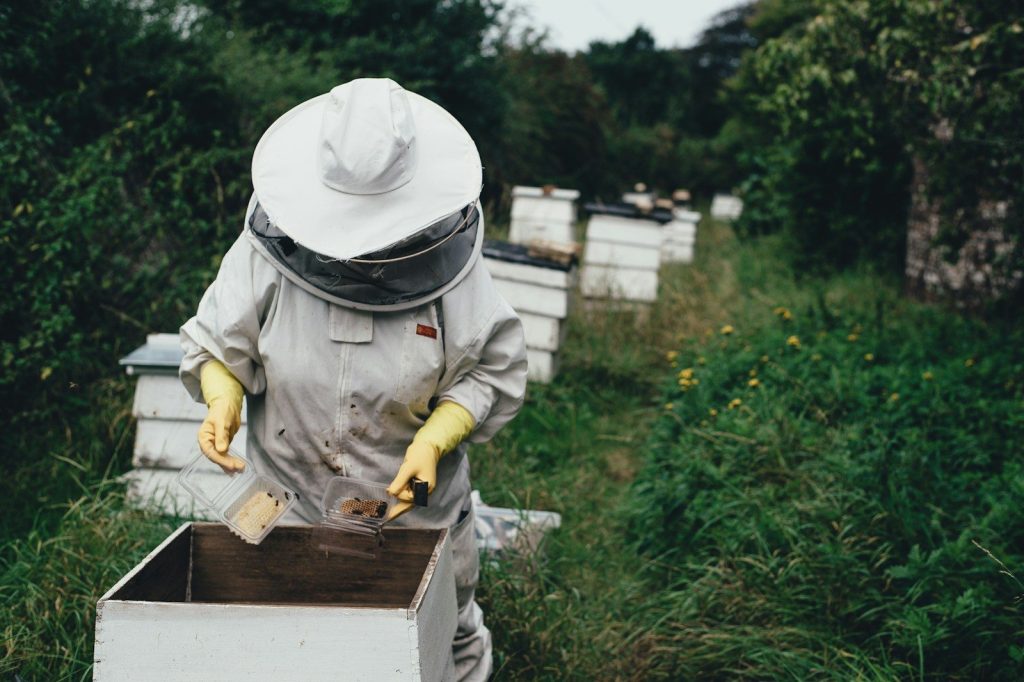
Wild honey is prized for its rich taste, medicinal value, and natural purity. Because it comes directly from untouched forests and wild bee colonies, many people consider it more valuable than commercially produced honey.
In some regions, honey hunting has been practiced for centuries and remains deeply connected to local traditions and rituals.
Climbing Trees and Cliffs Without Protection
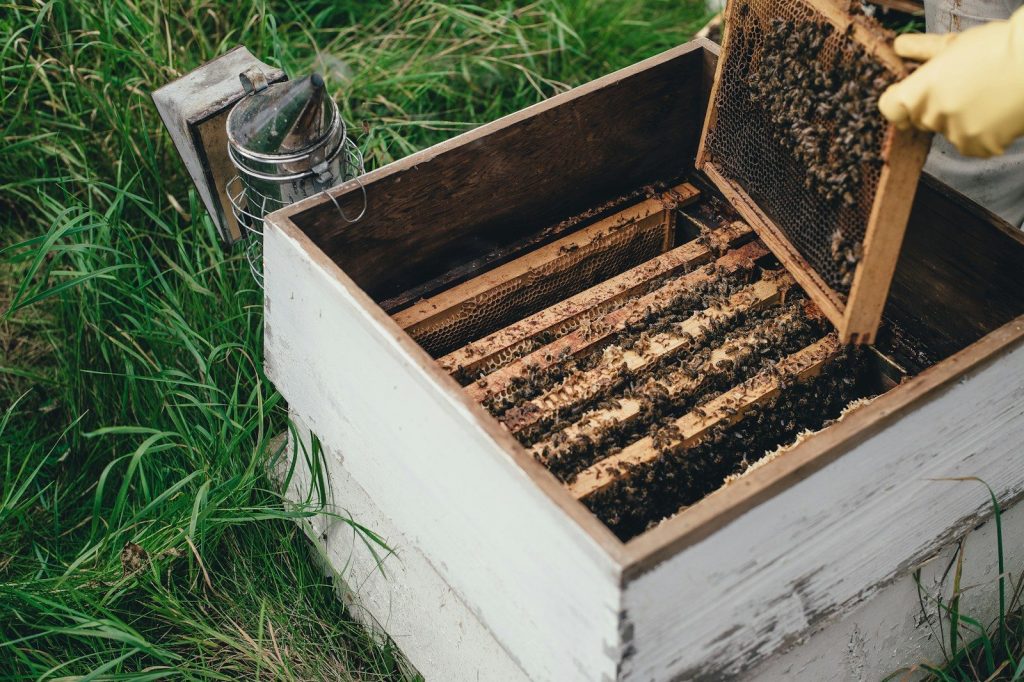
One of the most dangerous parts of honey hunting is reaching the hive itself. Hunters often climb massive trees or descend steep cliffs using handmade ladders, ropes, or vines.
Many traditional honey hunters work with little or no modern safety equipment. A single mistake during the climb can lead to severe injury or death.
Facing Thousands of Aggressive Bees
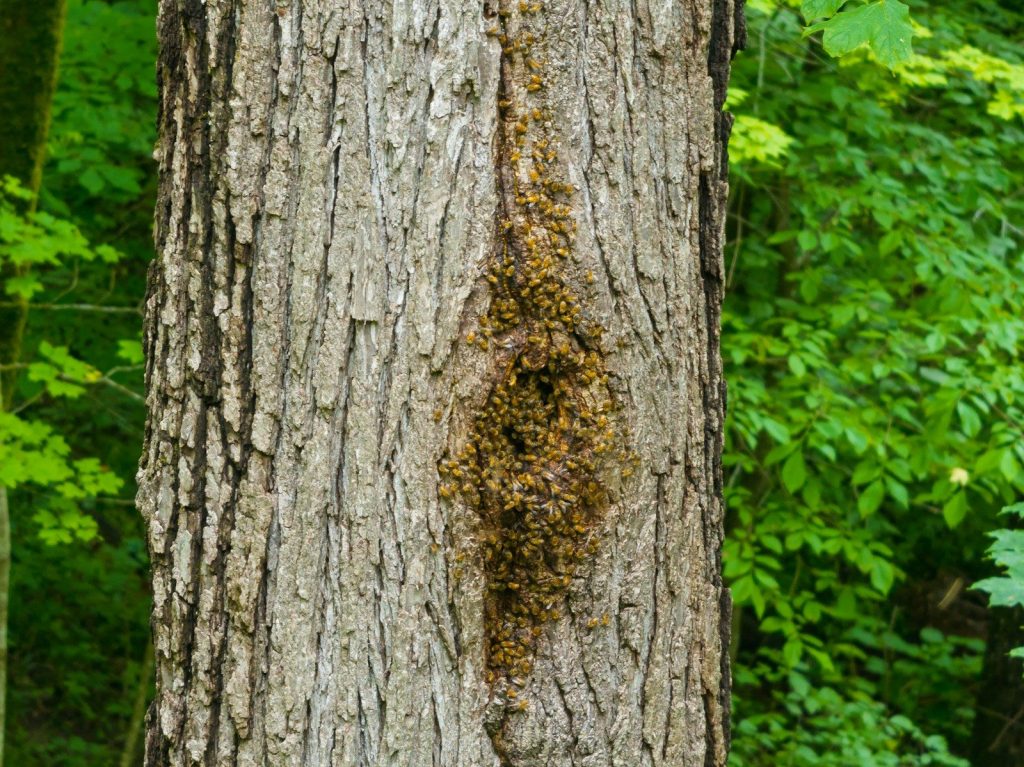
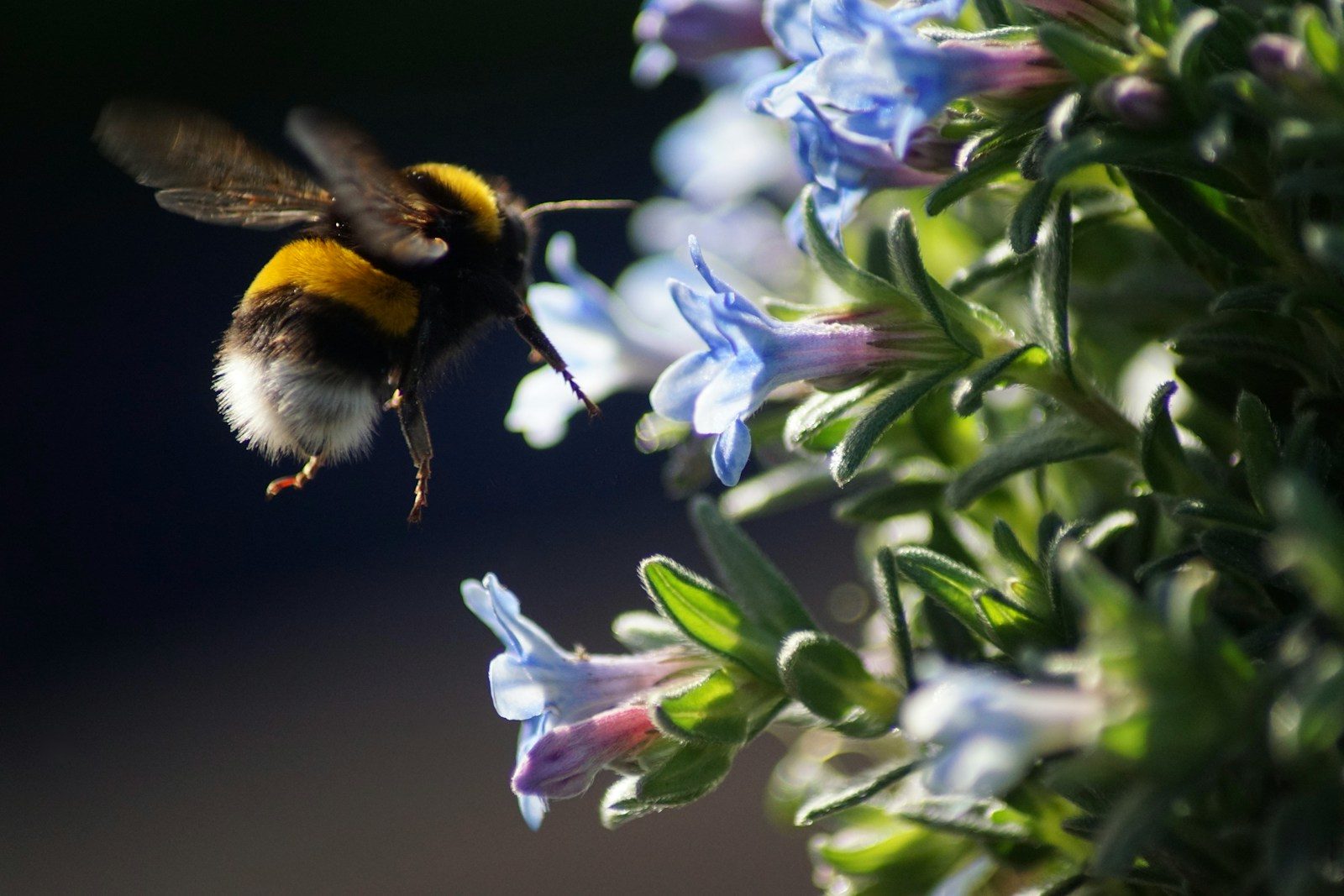
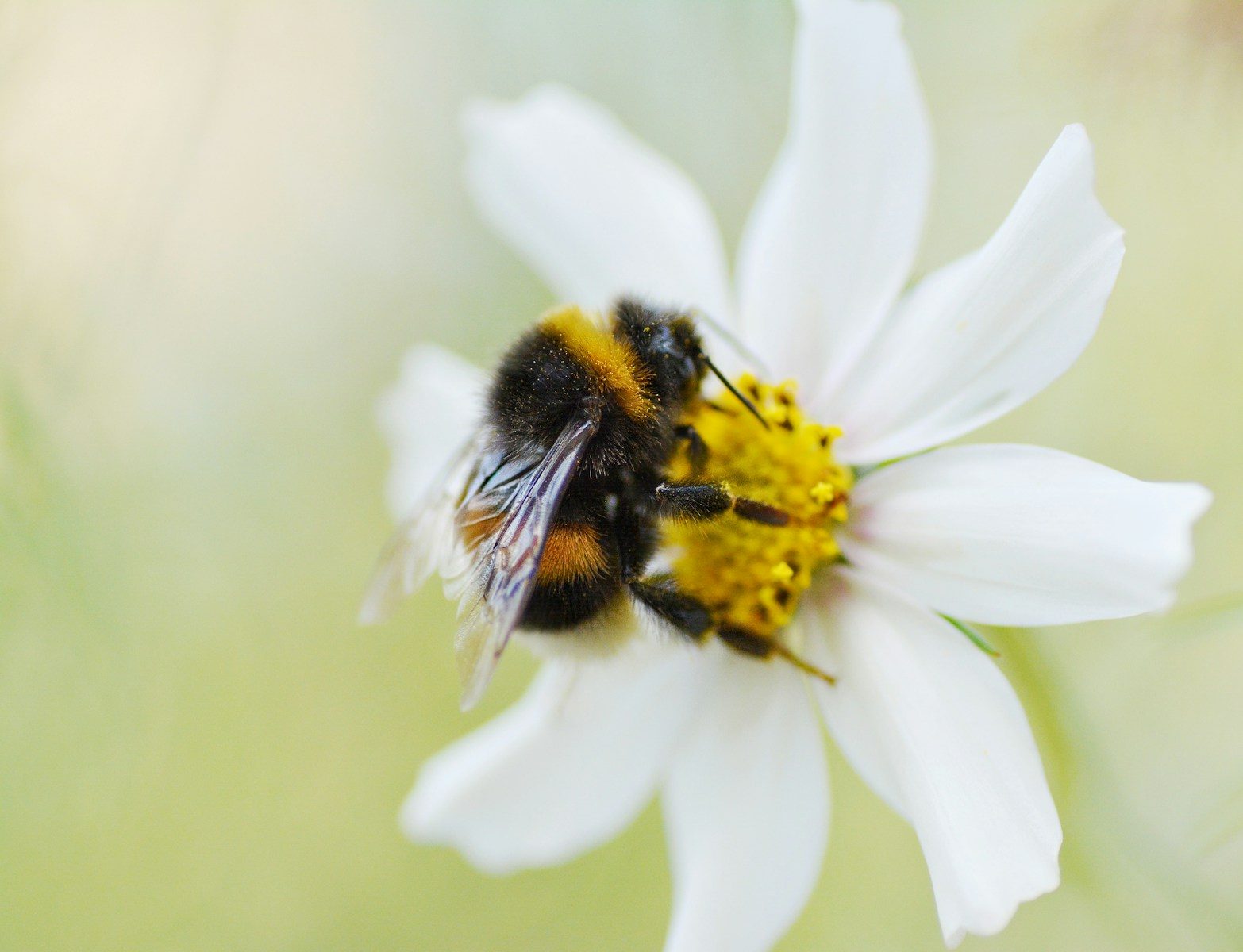
Wild bee colonies defend their hives aggressively when disturbed. Honey hunters can be swarmed by thousands of bees while trying to remove honeycombs.
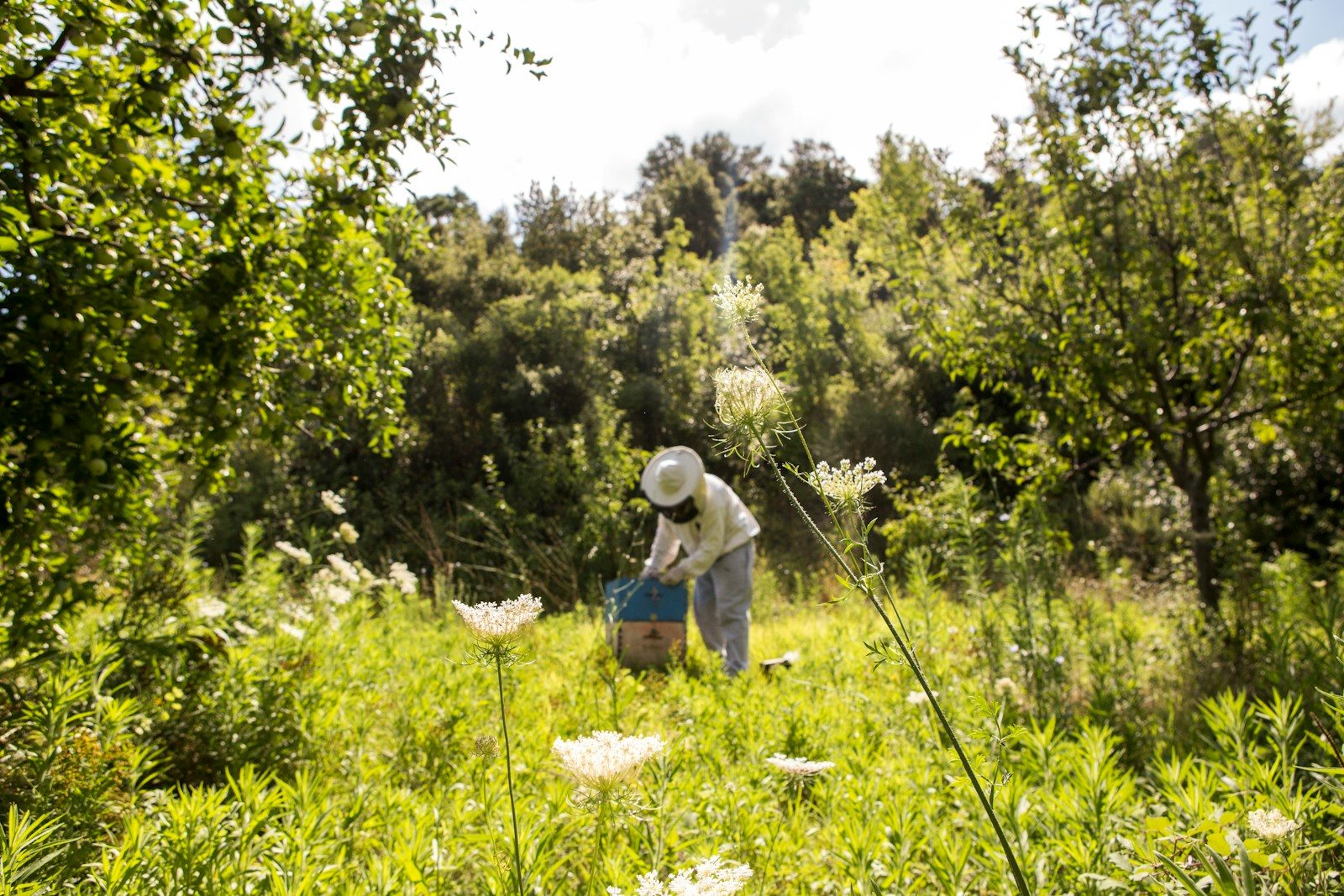
To reduce attacks, hunters often use smoke from burning plants or torches to calm the bees before approaching the hive. Even then, painful stings are extremely common during harvesting.
Forests Bring Even More Dangers
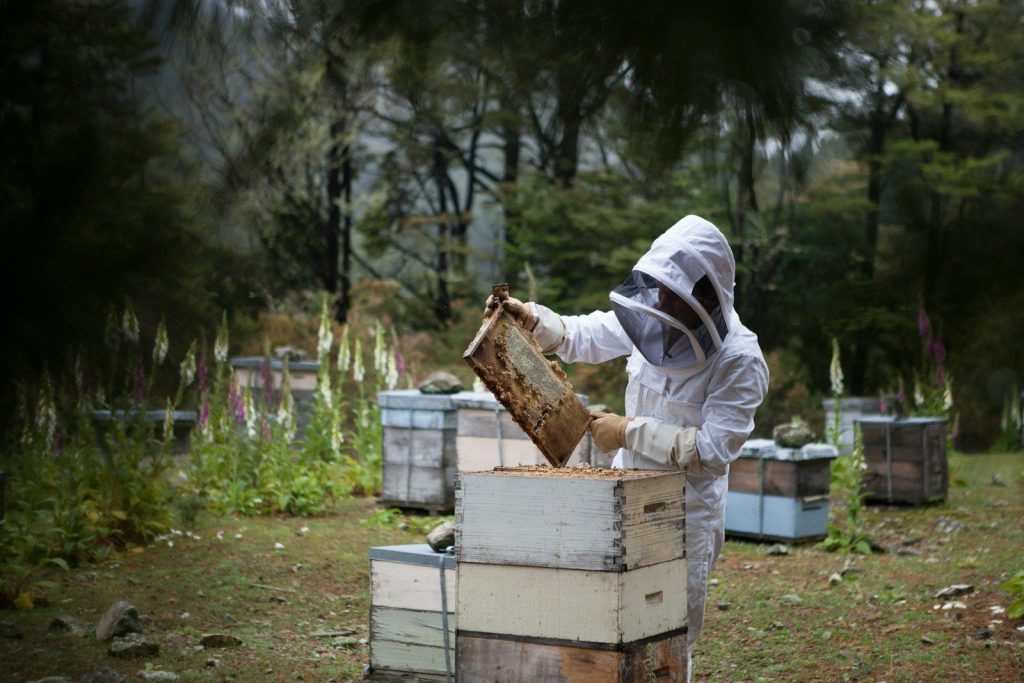
In places like the Sundarbans mangrove forests, honey hunters face dangers beyond bees. The forests are home to tigers, crocodiles, venomous snakes, and difficult terrain.
Collectors may spend days or weeks inside remote forests while sleeping in small boats or temporary camps. Many rely on experience and instinct to survive these risky journeys.
A Tradition Passed Through Generations
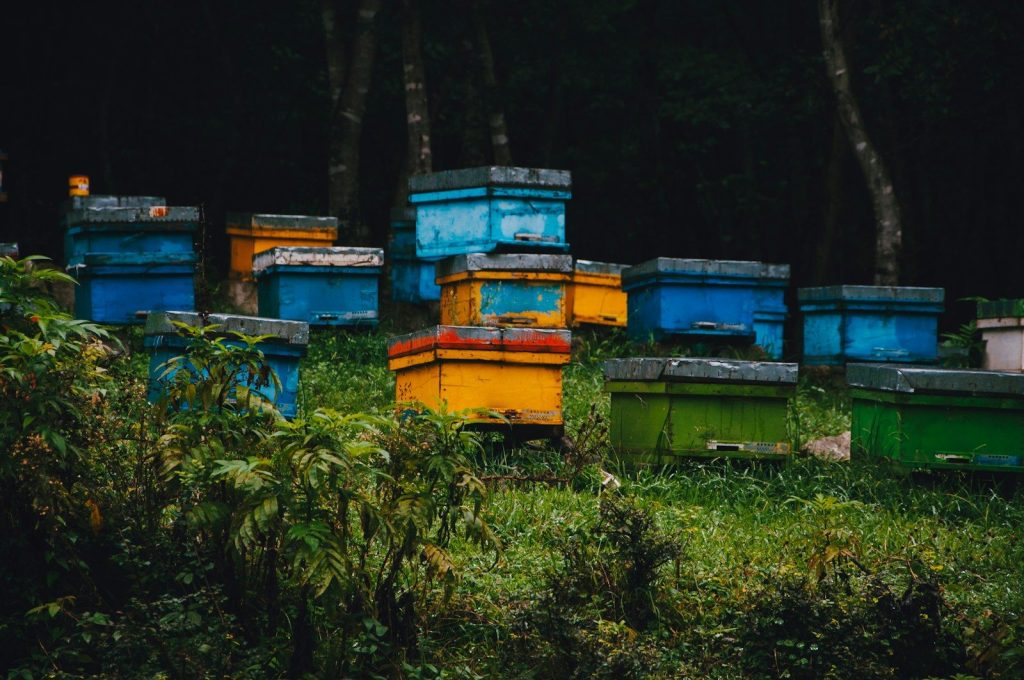
Honey hunting skills are usually learned from older family members and community elders. Knowledge about bee behavior, climbing methods, weather, and forest survival is passed down over many years.
In some communities, special prayers or rituals are performed before entering the forest, reflecting the respect hunters have for nature and the risks involved.
Why People Still Take the Risk
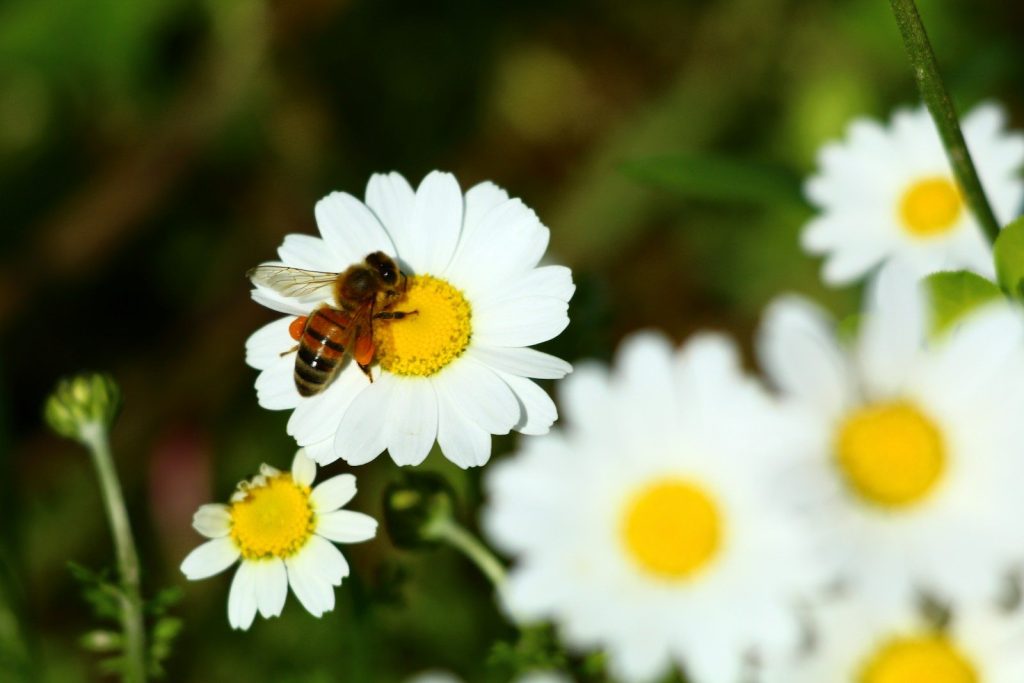
Despite the danger, many communities continue harvesting wild honey because it provides an important source of income and food. In remote regions, there are often very few other economic opportunities available.
The growing global demand for raw and natural honey has also increased interest in traditionally harvested honey products.
The Balance Between Humans and Nature
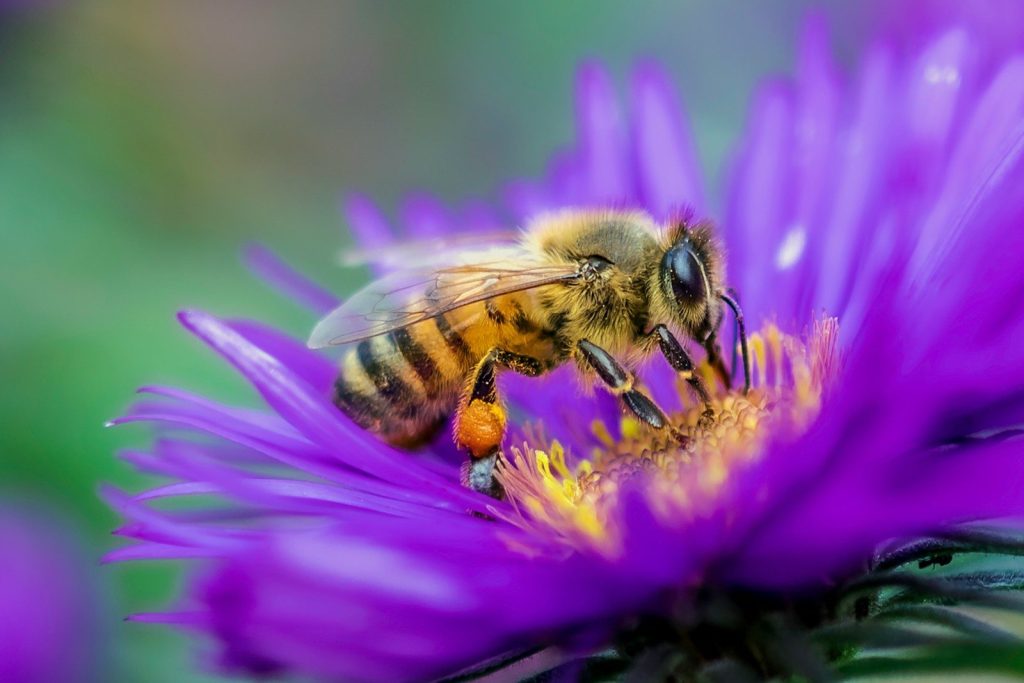
Wild honey collection shows how closely some communities still live alongside nature. Honey hunters depend on forests and bee colonies while also understanding the risks these environments bring.
Although the work is extremely dangerous, it reflects centuries of survival, adaptation, and traditional knowledge that continue to exist in some of the world’s most remote places.