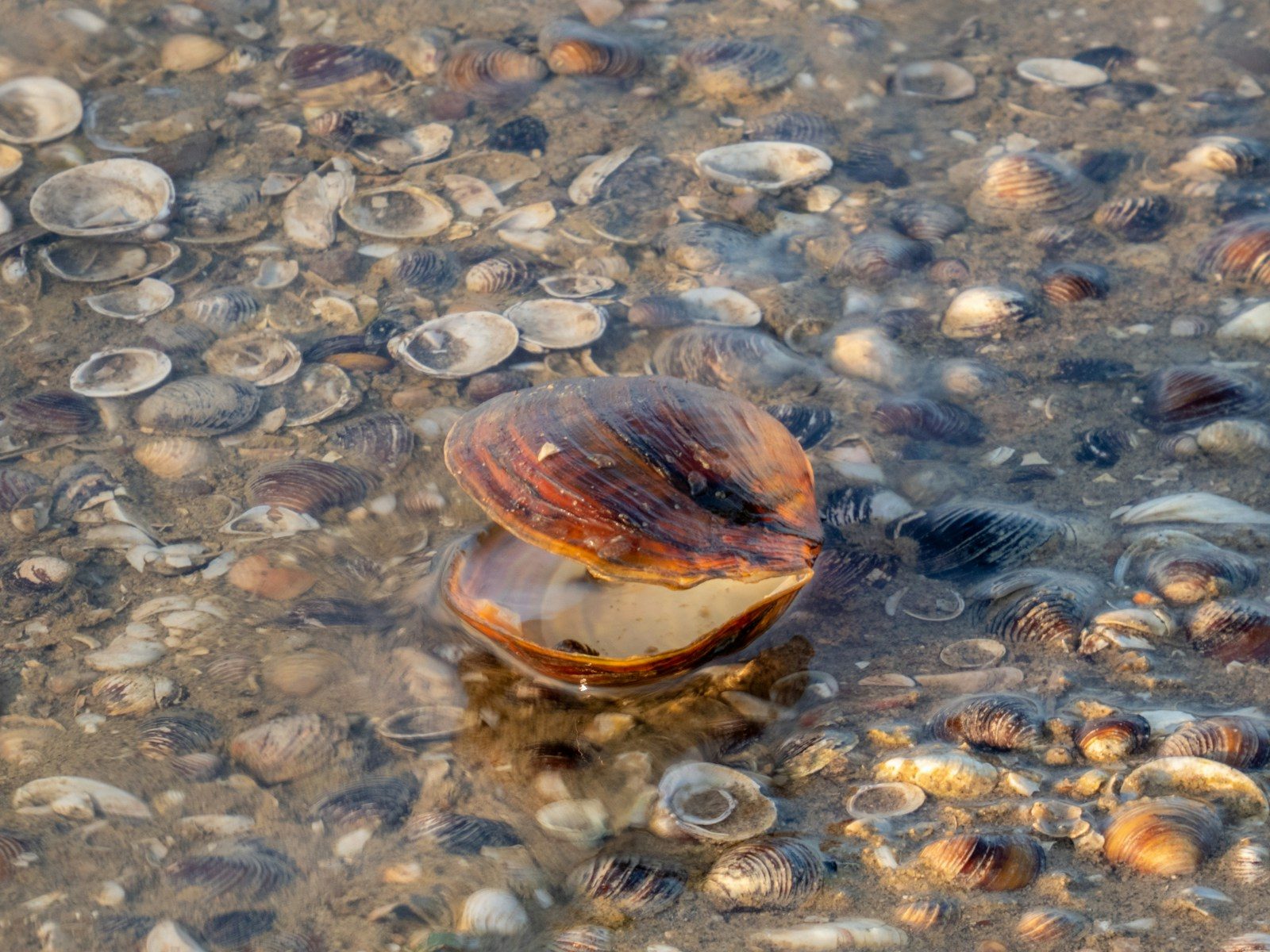
Freshwater mussels may not get much attention, but scientists say they are among the most important animals for keeping rivers healthy. The U.S. Fish and Wildlife Service recently designated thousands of miles of rivers across multiple states as “critical habitat” areas to help protect several endangered mussel species.
The decision highlights growing concerns about water pollution, habitat destruction, and the decline of freshwater ecosystems across the United States.
Rivers in Illinois and Missouri Received Protection
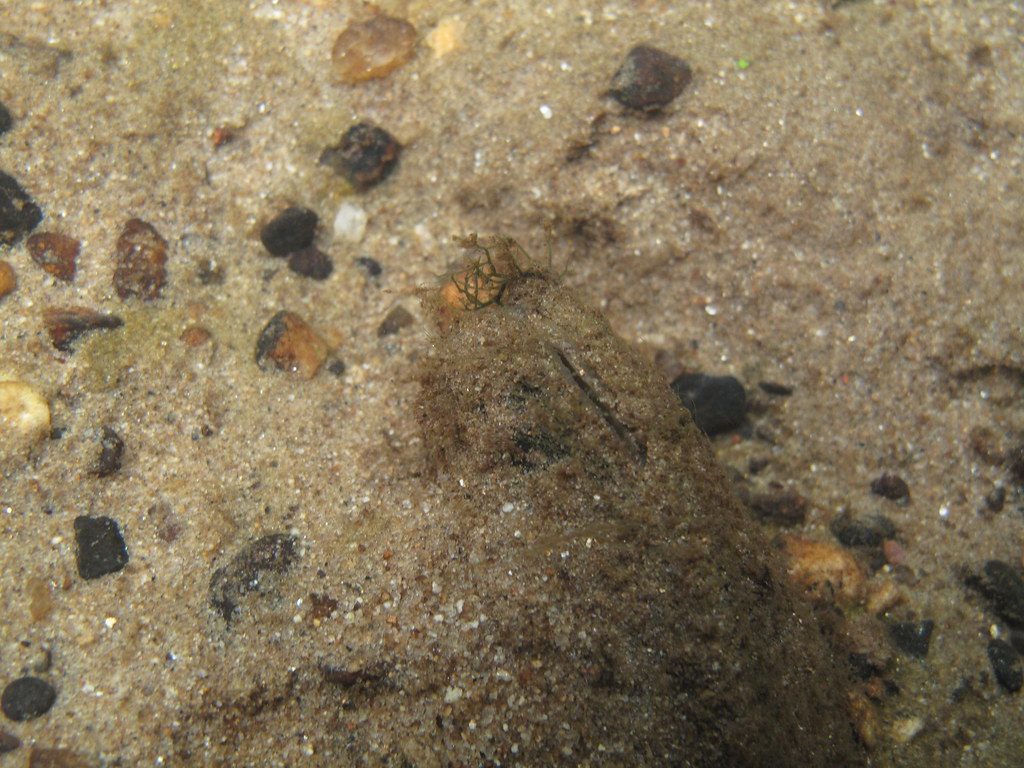
The federal government designated parts of several rivers in Illinois and Missouri as critical habitats for endangered mussel species. In Illinois, the protected waterways include parts of the Kankakee River, Embarras River, and the Mississippi River.
The Meramec River in Missouri also received protections for multiple endangered mussel species. These habitats are considered essential for the survival and recovery of the animals.
Why Freshwater Mussels Matter
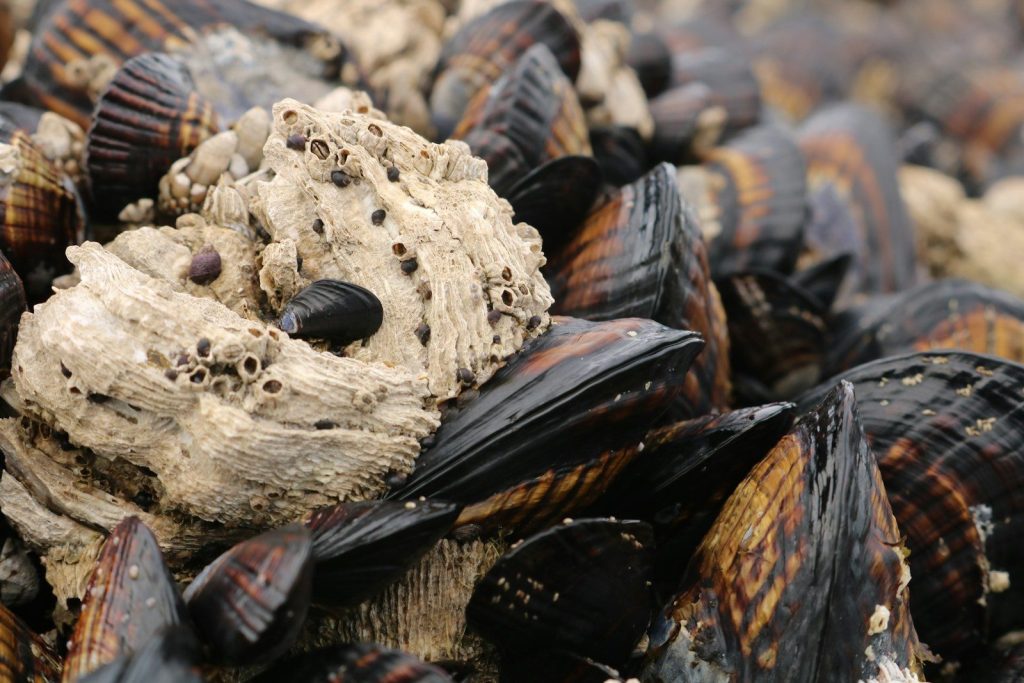
Freshwater mussels play a major role in keeping rivers clean. They naturally filter water by removing sediment, bacteria, pollutants, and tiny particles as they feed.
Some scientists estimate that a single mussel can filter up to 20 gallons of water every day. Because of this, mussels are often described as the “livers of the river.”
The Mussel Species Facing Decline
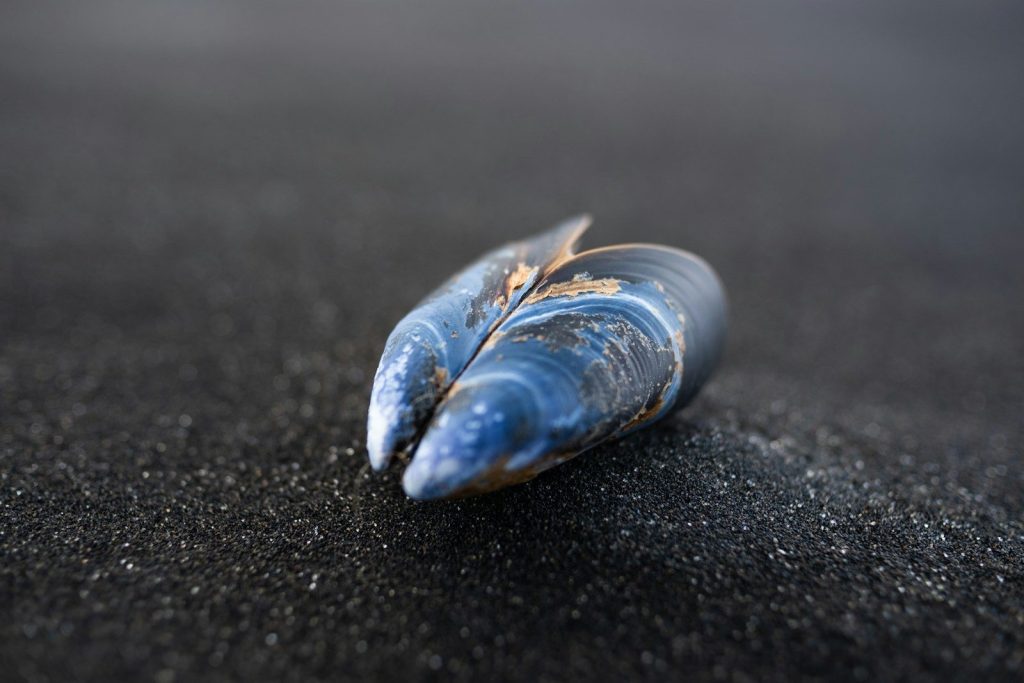
The protections focus on four endangered species: the rayed bean, sheepnose mussel, snuffbox mussel, and spectaclecase mussel.
Over the years, these species have disappeared from many rivers where they once lived. Some now survive in only a fraction of their historic habitats due to pollution, dam construction, invasive species, and habitat destruction.
Pollution and Invasive Species Are Major Threats
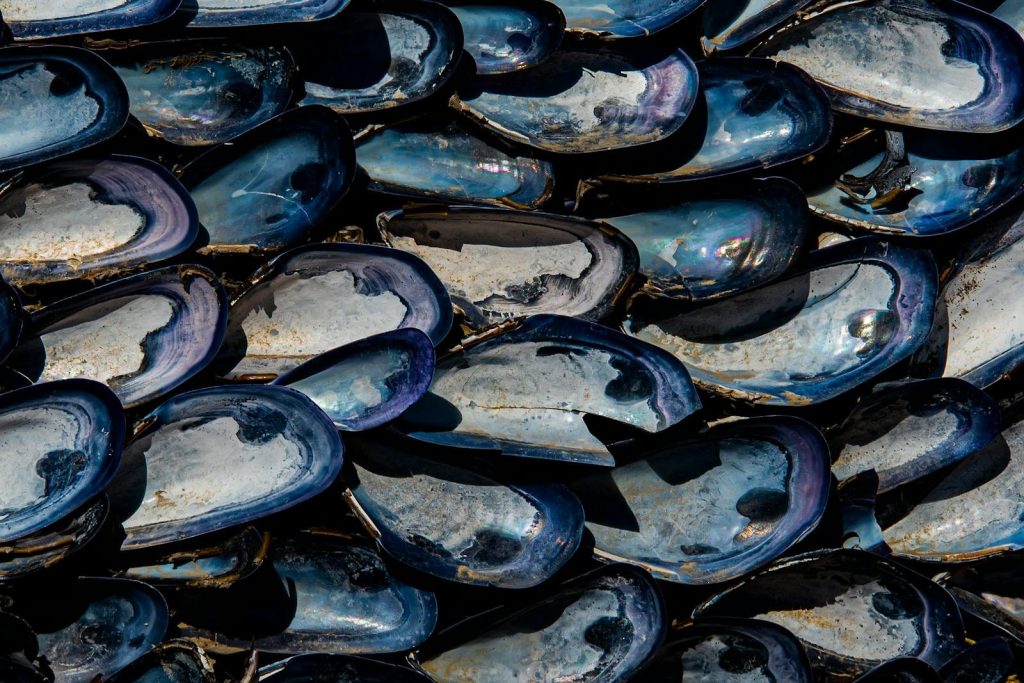
Freshwater mussels need clean, flowing water to survive. Pollution, shoreline damage, and wetland destruction can quickly make rivers unsuitable for them.
Invasive zebra mussels are another major threat because they attach themselves to native mussels and compete for food. This can weaken or kill native species over time.
Critical Habitat Does Not Mean Public Land
Officials explained that “critical habitat” status does not create public parks or change private land ownership. Instead, it mainly affects projects involving federal agencies.
Federal agencies must now consider how construction, development, or environmental changes could affect these endangered species before moving forward with projects.
One Illinois Mussel Species Is Already Gone
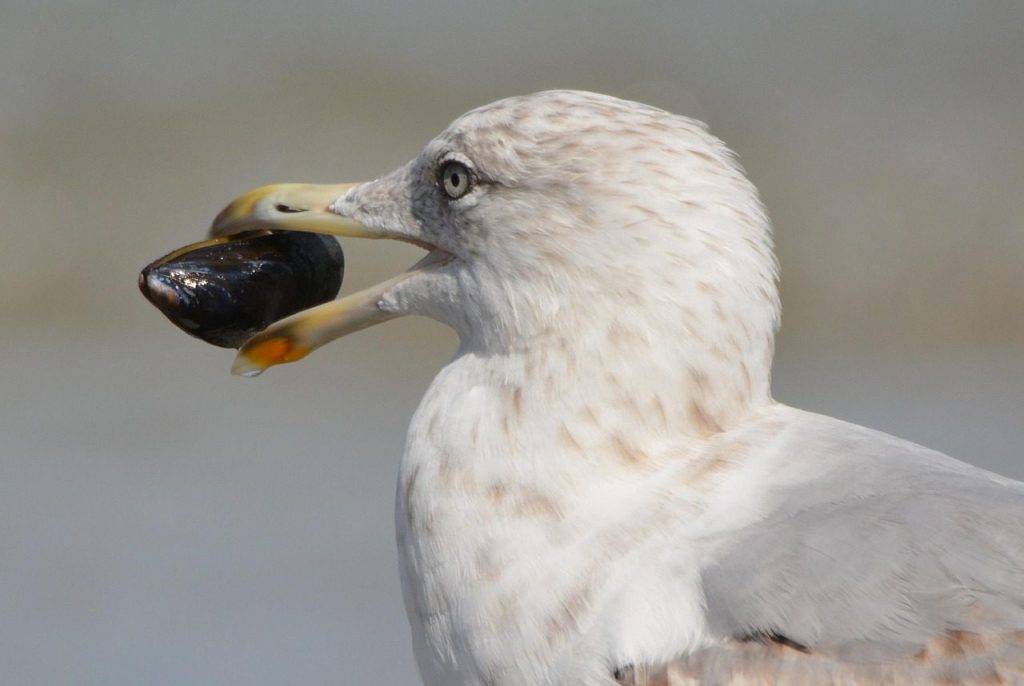
In 2023, officials declared the tubercled-blossom pearly mussel extinct in Illinois. Conservation experts say this shows how serious freshwater species decline has become across North America.
Biologists continue working on breeding and conservation programs to prevent more native mussel species from disappearing.
Simple Ways People Can Help Mussel Populations
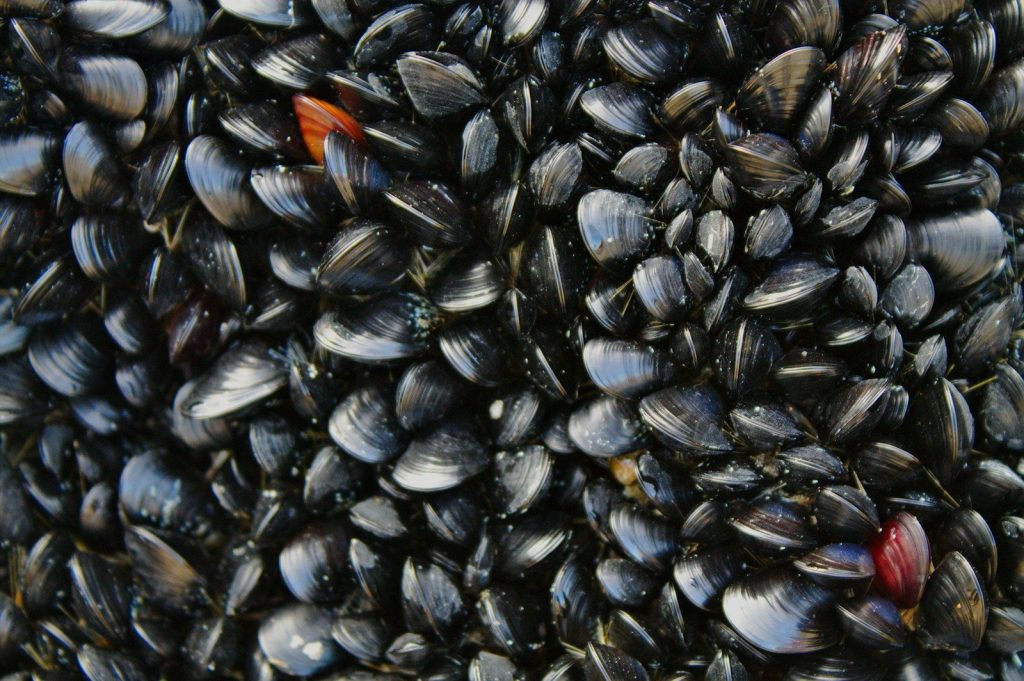
Wildlife experts say ordinary people can help protect mussels by reducing fertilizer use, protecting stream vegetation, and avoiding damage to shallow river habitats.
Cleaning boats properly and preventing the spread of invasive species can also make a major difference in protecting freshwater ecosystems for the future.