Skip to content

Recent Posts

  • 8 Jungle Animals That Can Seriously Harm People
  • Seven Giant Snakes and Their Verified Size Records
  • 8 of the Oldest Animals Ever Documented
  • 8 Animals With Extraordinary Physical Power
  • 9 of the Loudest Animals Ever Measured

Most Used Categories

  • Nature & Wildlife (709)
  • Risk (61)
  • Human Interest (36)
  • Exotic Animals (22)
  • Hunting (19)
  • Survival (18)
  • Bees/Swarms fear (14)
  • Suspense (10)
  • Adventure (3)
  • Gears (2)
Skip to content
  • About Us
  • Contact Us
  • Disclaimer
  • Privacy Policy
  • Terms & Conditions

Hive Hunters Tales

  • Suspense
  • Nature & Wildlife
  • Human Interest
  • Hunting
  • Bees/Swarms fear
  • Exotic Animals
  • Risk
  • Survival
  • Adventure
  • Gears
  • Home
  • Bees/Swarms fear
  • Simple Ways to Help Save Bees
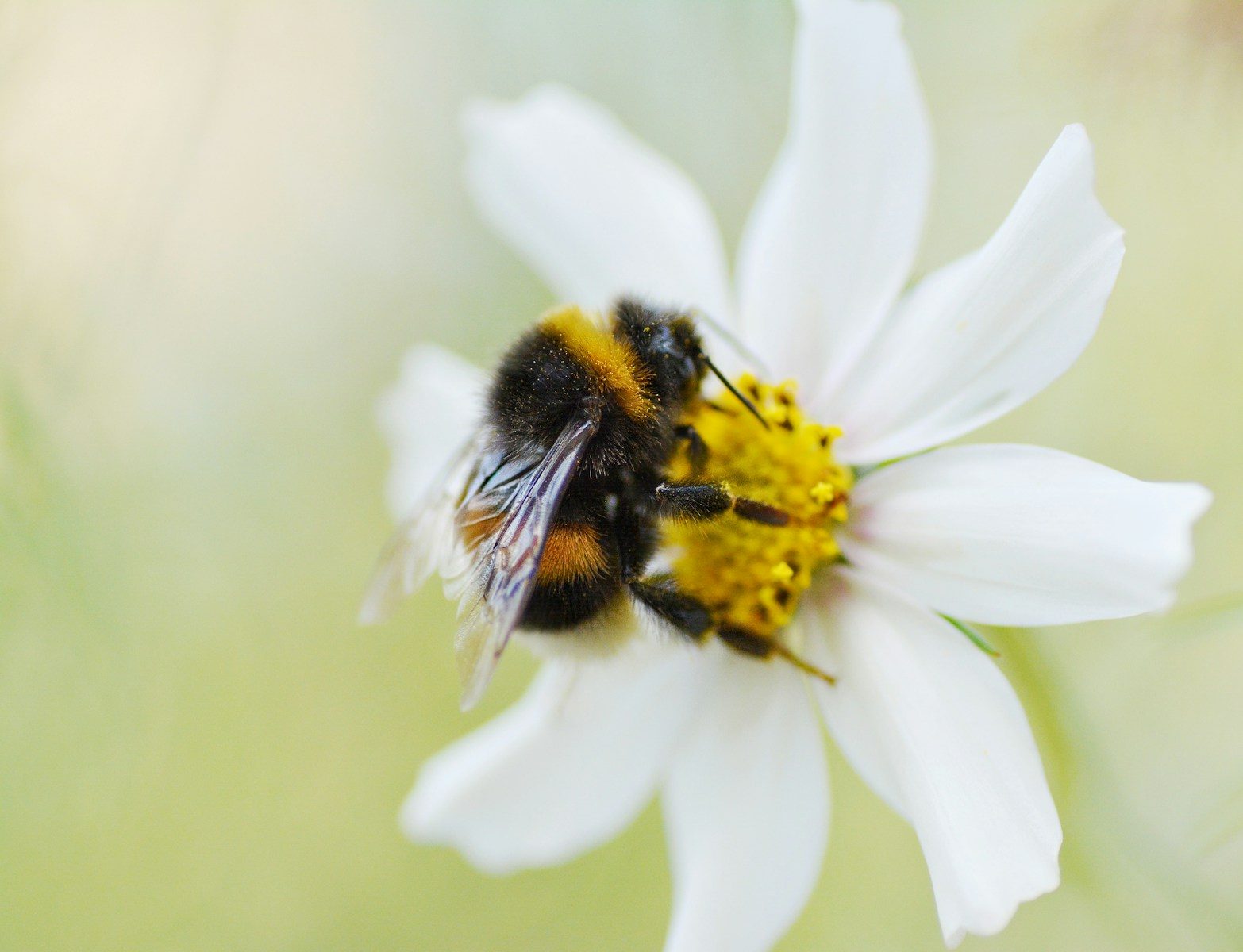
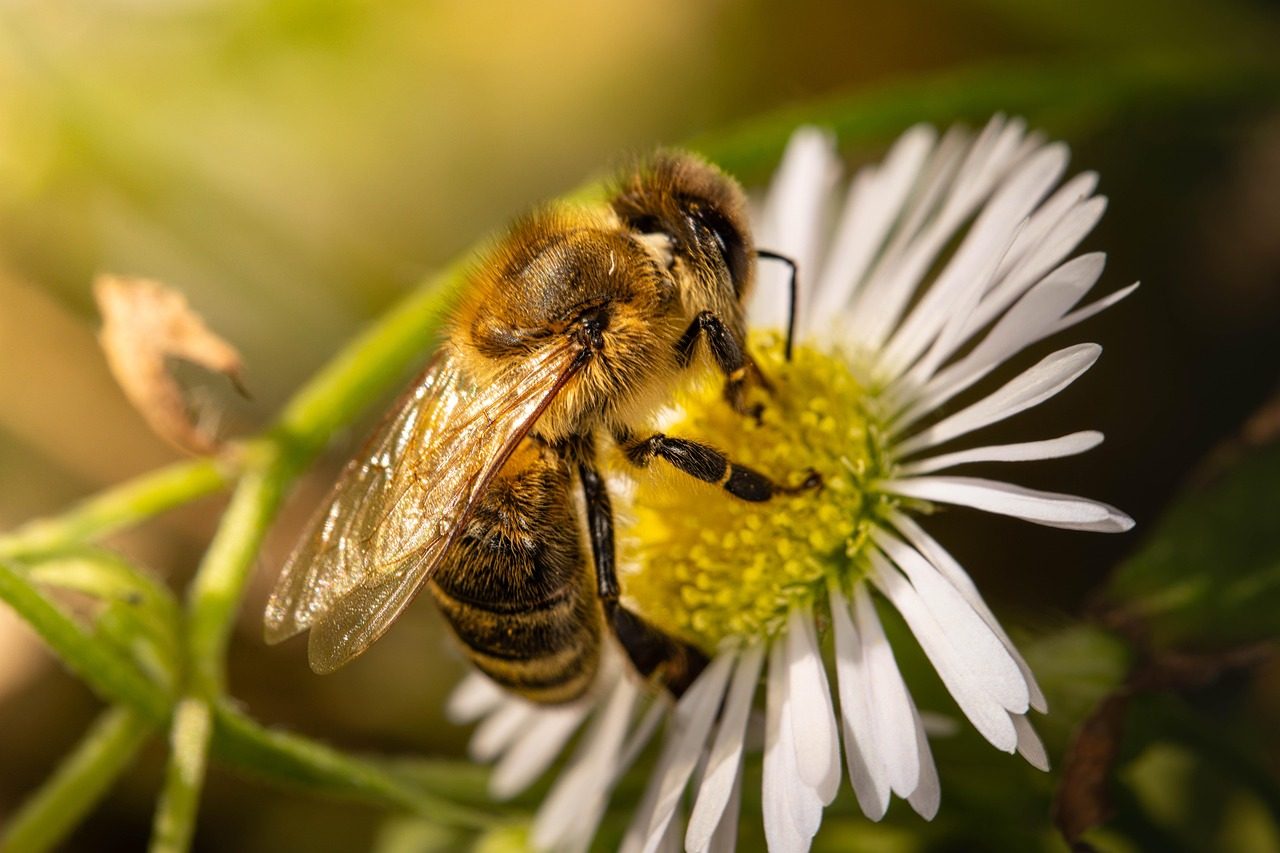
bee, nature, flower background, flower, insect, flower wallpaper, close up, nectar, beautiful flowers, honey bees

Simple Ways to Help Save Bees

JakeJuly 23, 2026July 23, 2026

Bees are essential pollinators that support ecosystems, agriculture, and biodiversity. They help plants grow, produce food, and maintain healthy natural environments. However, bee populations are declining due to habitat loss, pesticide use, and climate-related changes. Fortunately, small everyday actions can help protect them.

Support and Protect Natural Habitats
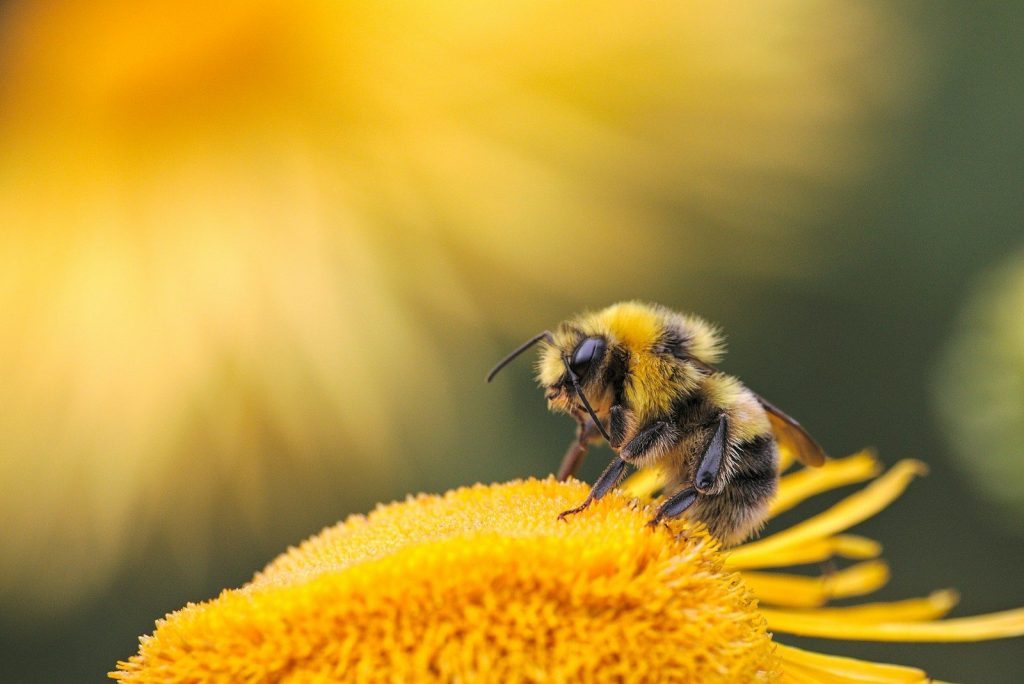
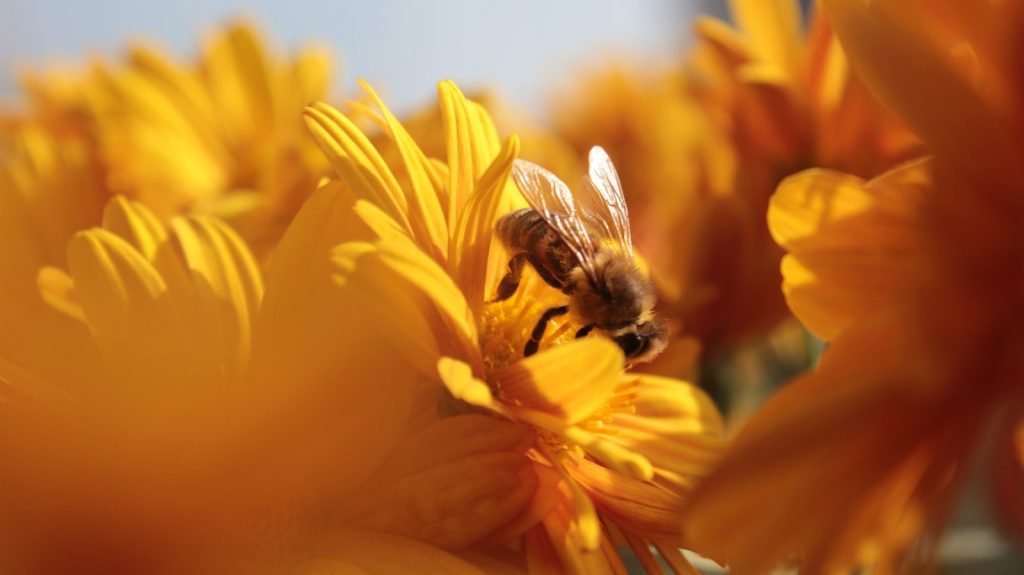
honeybee perching on yellow flower
Photo by Dmitry Grigoriev on Unsplash

One of the most effective ways to help bees is to preserve and restore natural spaces. Parks, gardens, meadows, and wild areas provide food and nesting sites for pollinators. Even small green spaces can make a difference when planted with native flowering plants.

Avoid Harmful Chemicals
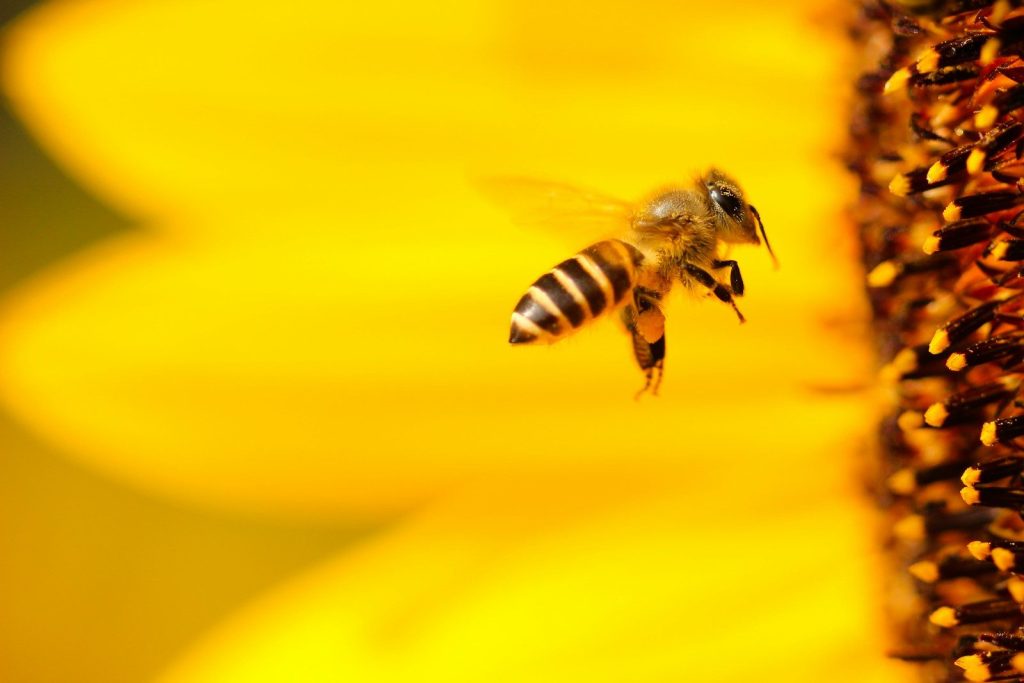
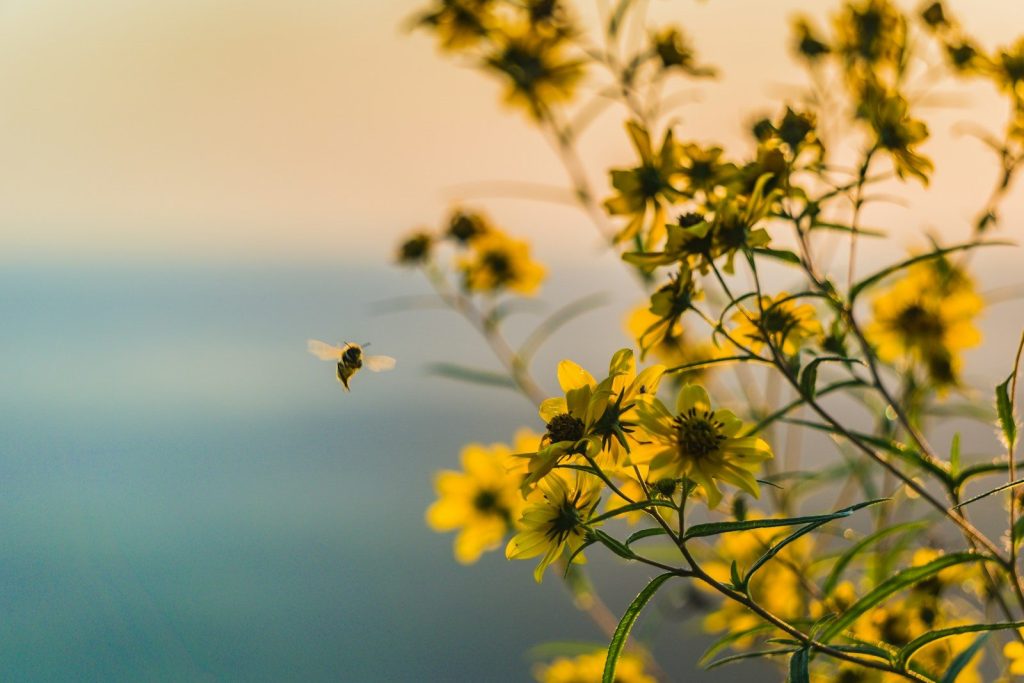
black and white honey bee hovering near yellow flower in closeup photography
Photo by Boris Smokrovic on Unsplash

Pesticides, herbicides, and other synthetic chemicals can be dangerous to bees and other pollinators. Reducing or eliminating their use in gardens helps create a safer environment. Natural gardening methods also support healthier soil and ecosystems.

Plant Bee-Friendly Flowers and Trees
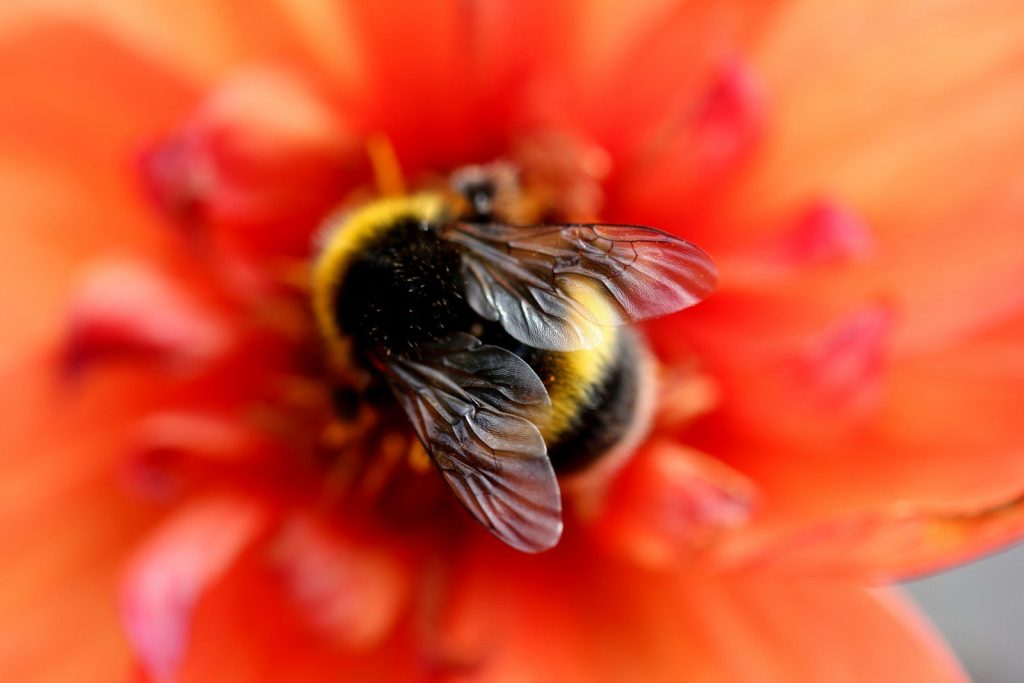
bee on flowers
Photo by İbrahim Özdemir on Unsplash

Native plants that produce nectar and pollen are the best food sources for bees. Choosing a variety of flowers that bloom at different times of the year ensures a steady supply of food. Trees are especially valuable, offering large numbers of blossoms and early-season nutrition.

Create Safe Nesting Spaces
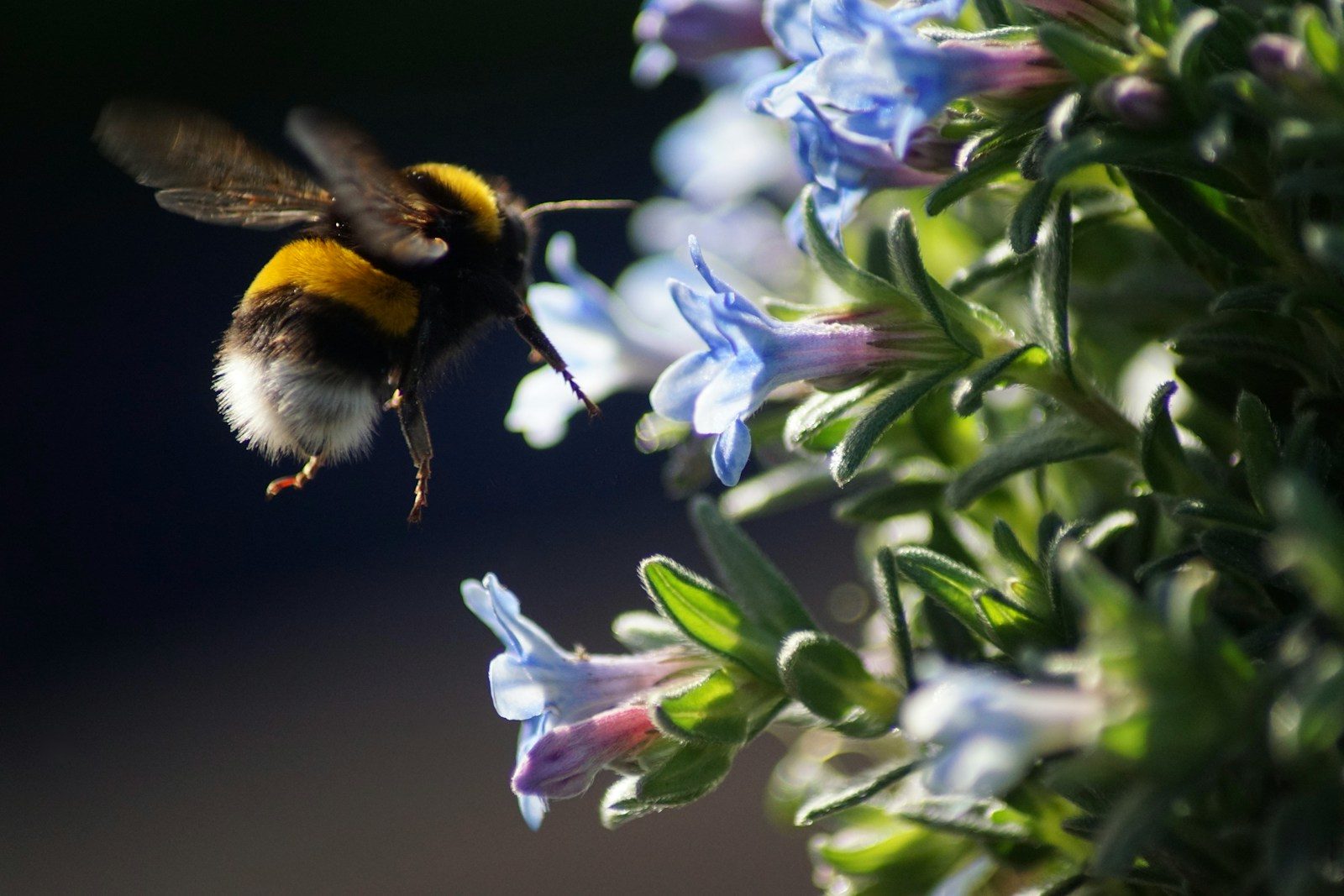
brown bee flying near yellow petaled flower
Photo by Brad Huchteman on Unsplash

Many bee species nest in soil, stems, or tree cavities. Leaving small patches of bare ground, avoiding heavy mulch in certain areas, and allowing plant stems to remain can provide important nesting habitats. These simple choices help support wild bee populations.

Educate and Support Conservation Efforts
selective focus photography of bee
Photo by Sandy Millar on Unsplash

Learning about bees and sharing knowledge with others helps raise awareness of their importance. Supporting conservation organizations, participating in community projects, and encouraging pollinator-friendly practices all contribute to long-term protection efforts.
Post navigation

Previous: Dog Who Spent His Entire Life in a Dark Garage Finally Discovers the Joy of Walking
Next: Why Do Hummingbirds Hover While Feeding? The Science Behind Their Incredible Flight

Related Posts

black and yellow bee on purple flower

Bumblebees Can Use Tools to Solve Complex Problems, Study Finds

July 3, 2026July 3, 2026 Jake
brown insect

The “Cow Killer” Wasp Has One of the Most Painful Stings in Nature

June 8, 2026June 7, 2026 Jake
bee perching on white flower

Why Native Bees Matter More Than Most People Realize

May 29, 2026May 29, 2026 Jake

Leave a Reply Cancel reply

Your email address will not be published. Required fields are marked *

Recent Posts

  • 8 Jungle Animals That Can Seriously Harm People
  • Seven Giant Snakes and Their Verified Size Records
  • 8 of the Oldest Animals Ever Documented
  • 8 Animals With Extraordinary Physical Power
  • 9 of the Loudest Animals Ever Measured
Copyright All Rights Reserved | Theme: BlockWP by Candid Themes.