North America is home to thousands of native plants and animals, but many ecosystems are now under pressure from invasive species brought in from other parts of the world. These organisms spread rapidly, outcompete native wildlife, and often cause serious environmental damage. Some were introduced accidentally, while others arrived through trade, travel, or even the pet industry.
Here are some of the most destructive invasive species changing North America’s landscapes and waterways.
Burmese Python
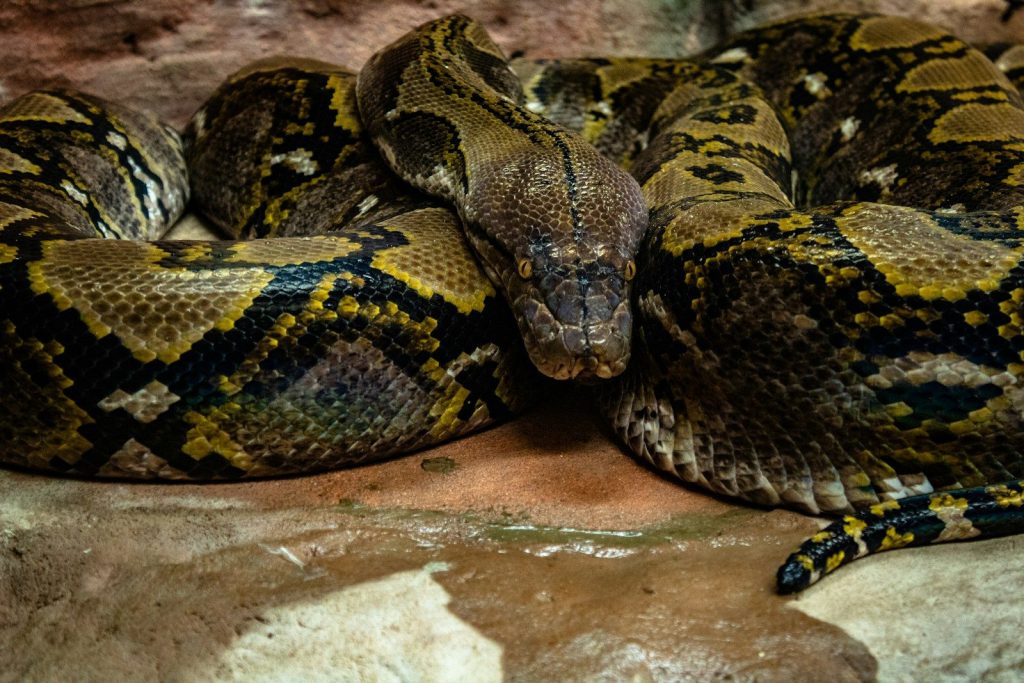
The Burmese python has become one of the most infamous invasive predators in the United States, especially in Florida’s Everglades. Originally brought in through the exotic pet trade, many escaped or were released into the wild.
These giant snakes now prey on birds, rabbits, raccoons, and even deer, severely disrupting local ecosystems.
Zebra Mussel
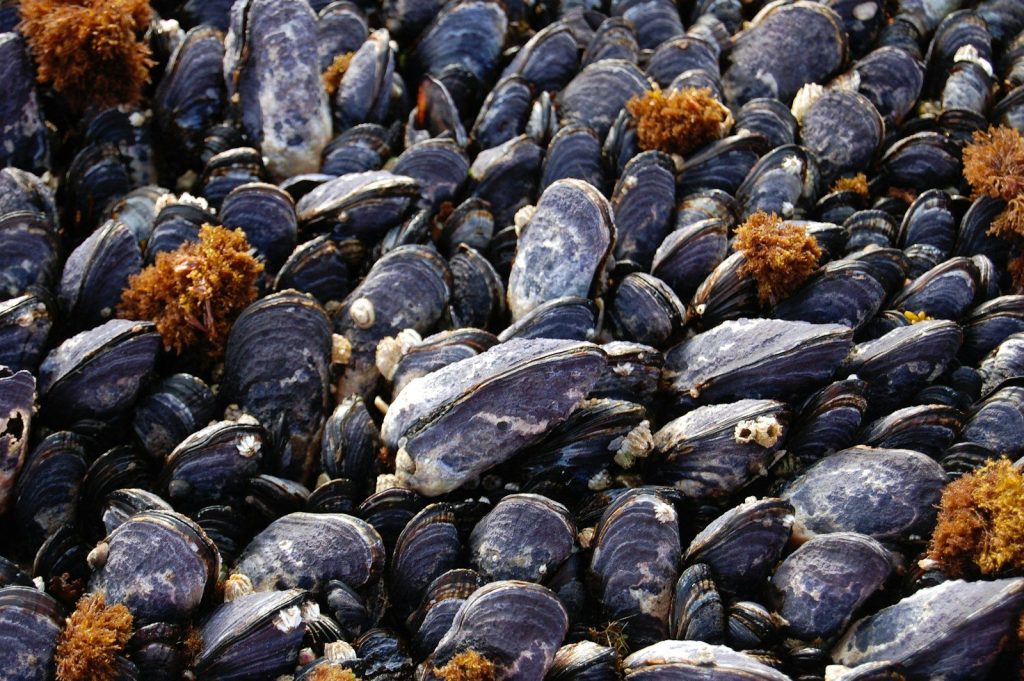
Zebra mussels are small freshwater shellfish that spread aggressively through lakes and rivers. They attach themselves to boats, pipes, and underwater structures in huge numbers.
Their rapid spread damages infrastructure and harms native aquatic species by filtering enormous amounts of plankton from the water.
Feral Hogs
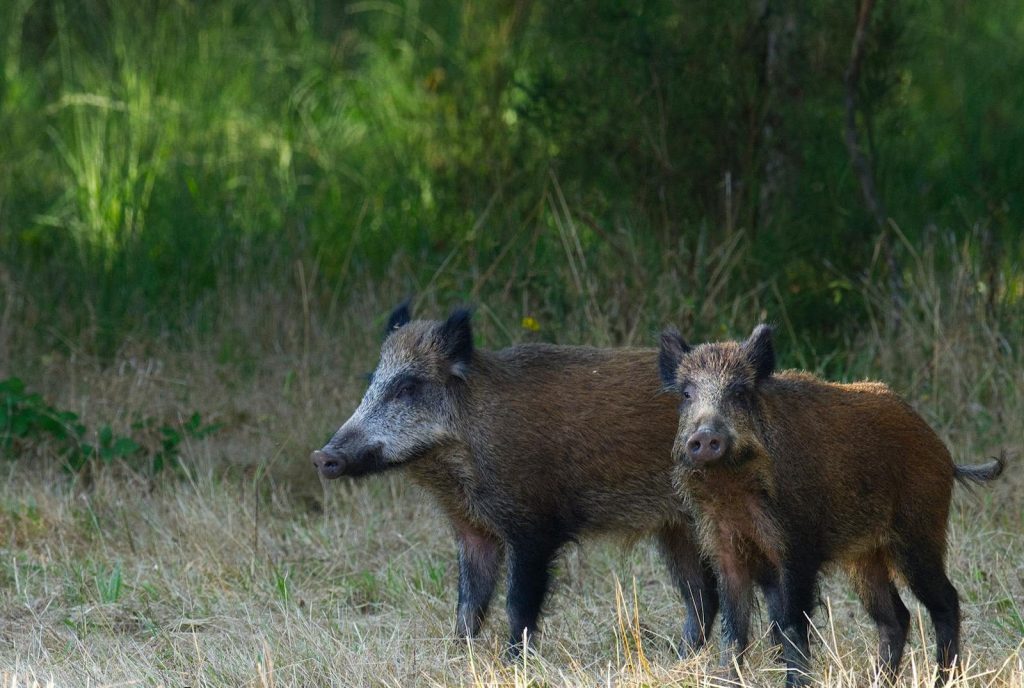
Feral hogs are highly destructive animals found across many parts of North America. They tear up farmland, damage forests, and compete with native wildlife for food.
These animals reproduce quickly and are extremely difficult to control once populations become established.
Lionfish
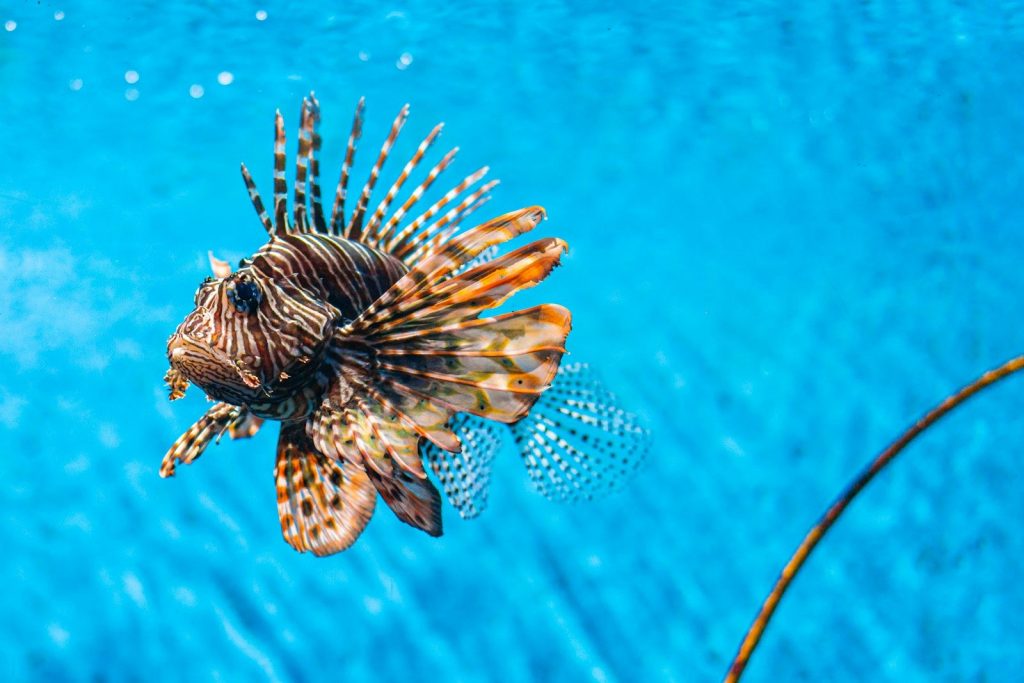
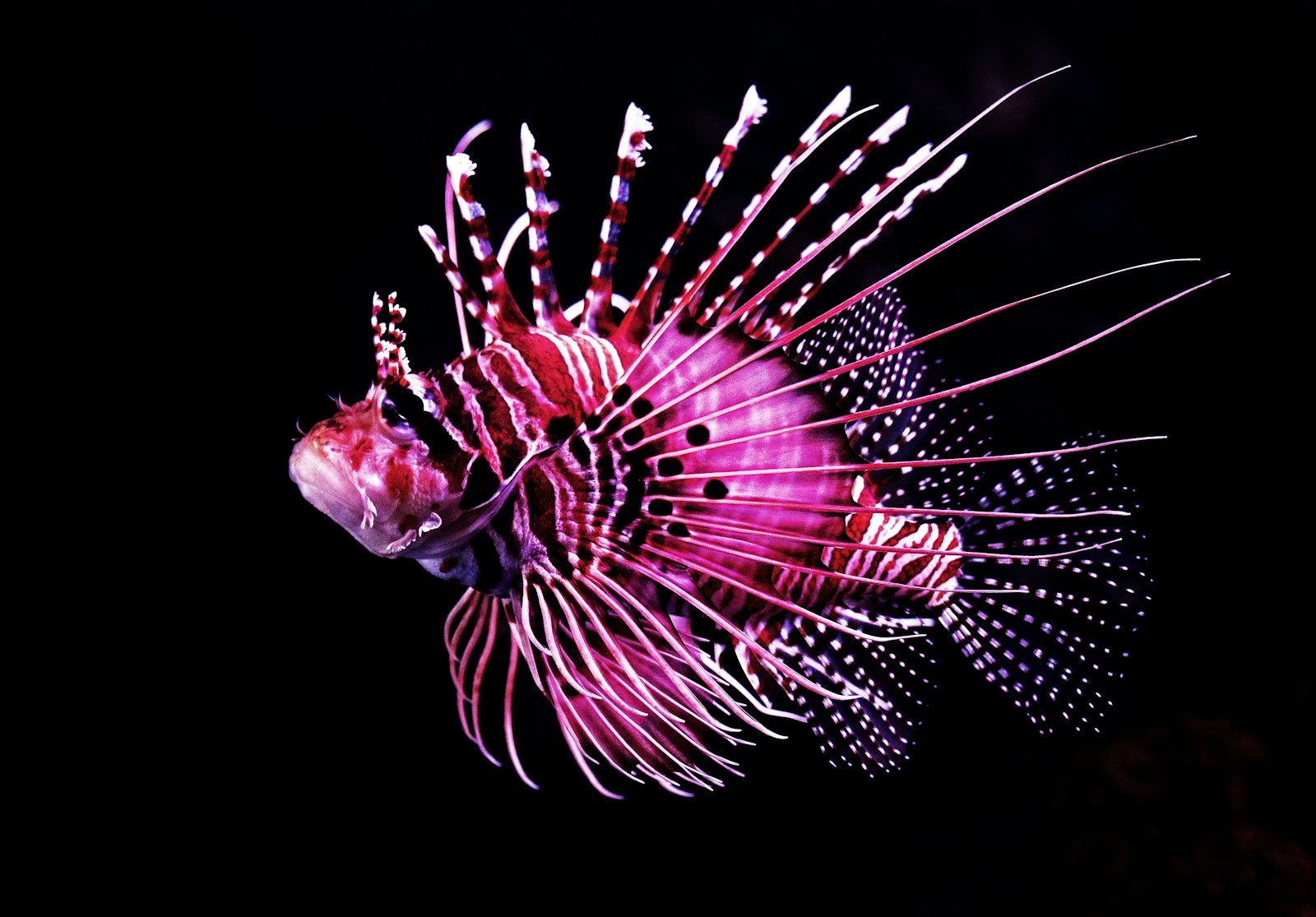
Lionfish are beautiful but dangerous invaders now common in Atlantic and Caribbean waters. Native to the Indo Pacific region, they likely entered local waters through aquarium releases.
They consume huge numbers of small fish and have few natural predators in their new environment.
Emerald Ash Borer
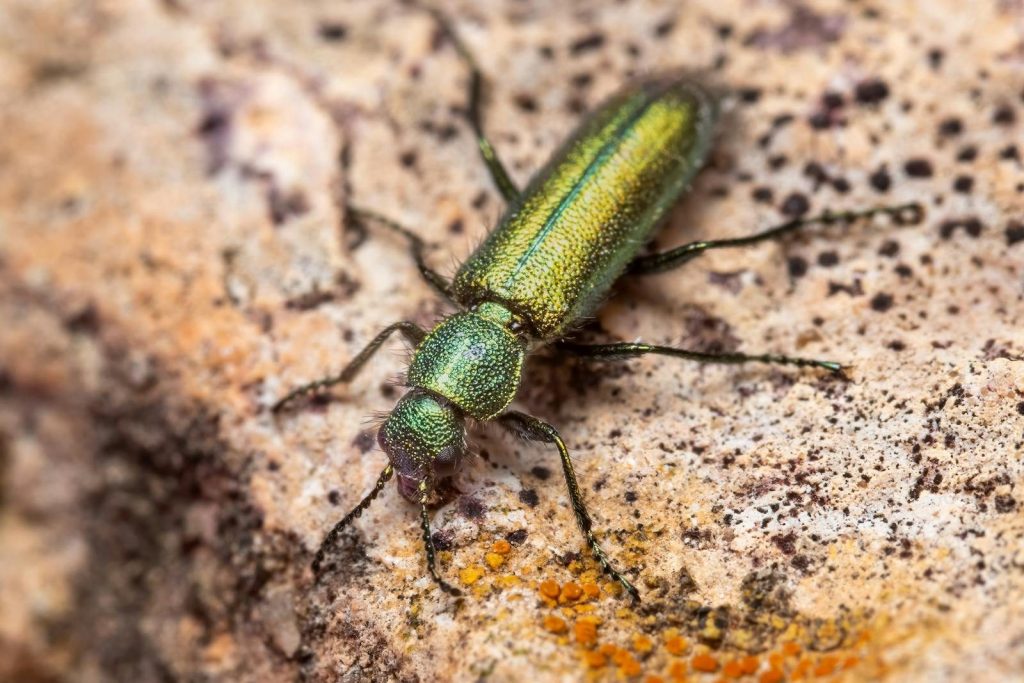
This tiny green beetle has devastated ash tree populations across North America. Originally from Asia, the insect burrows beneath tree bark and disrupts the flow of nutrients.
Millions of ash trees have already died because of this invasive pest.
European Starling
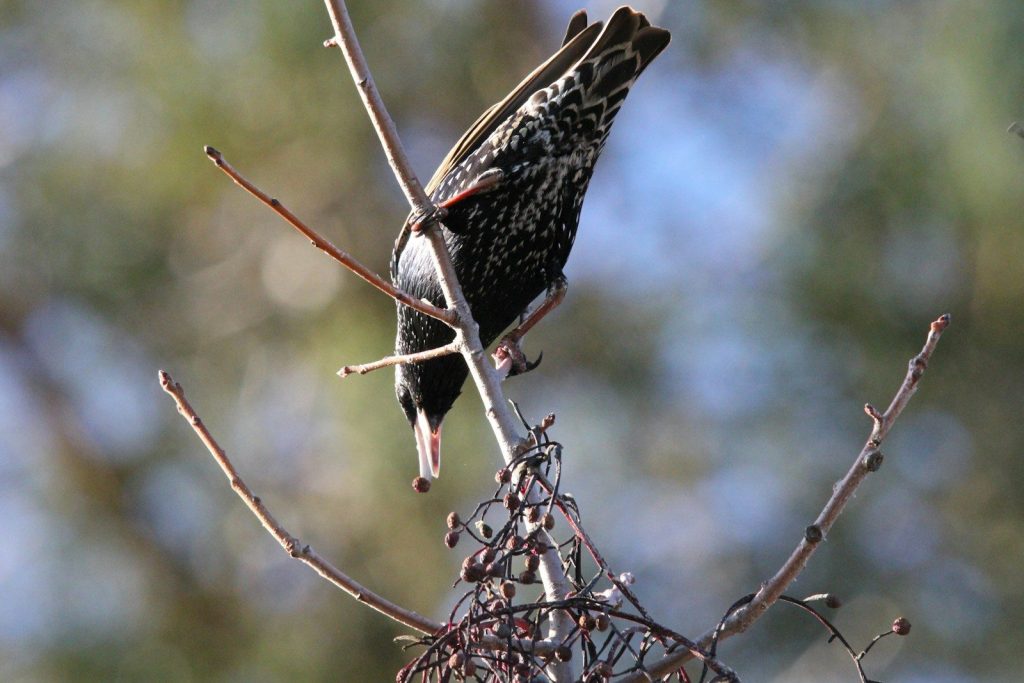
European starlings were introduced intentionally to North America in the 1800s. Today they number in the hundreds of millions.
These aggressive birds compete with native species for nesting spaces and often overwhelm local bird populations.
Asian Carp
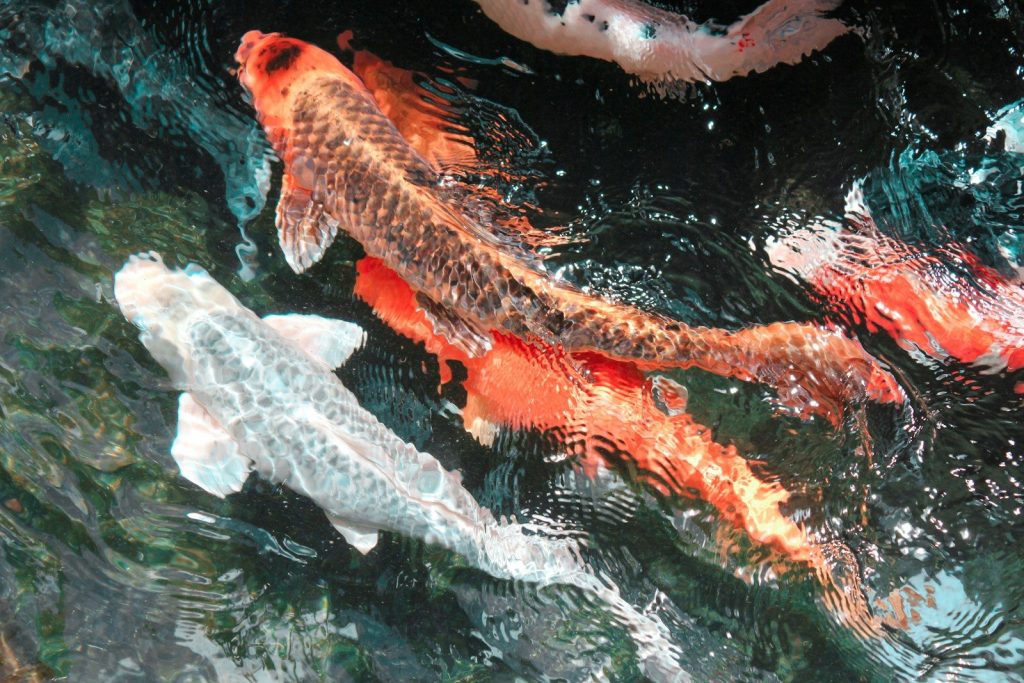
Several species of Asian carp were introduced to help control algae in fish farms but escaped into rivers and lakes. They grow rapidly and consume massive amounts of food.
Their spread threatens native fish populations and disrupts freshwater ecosystems.