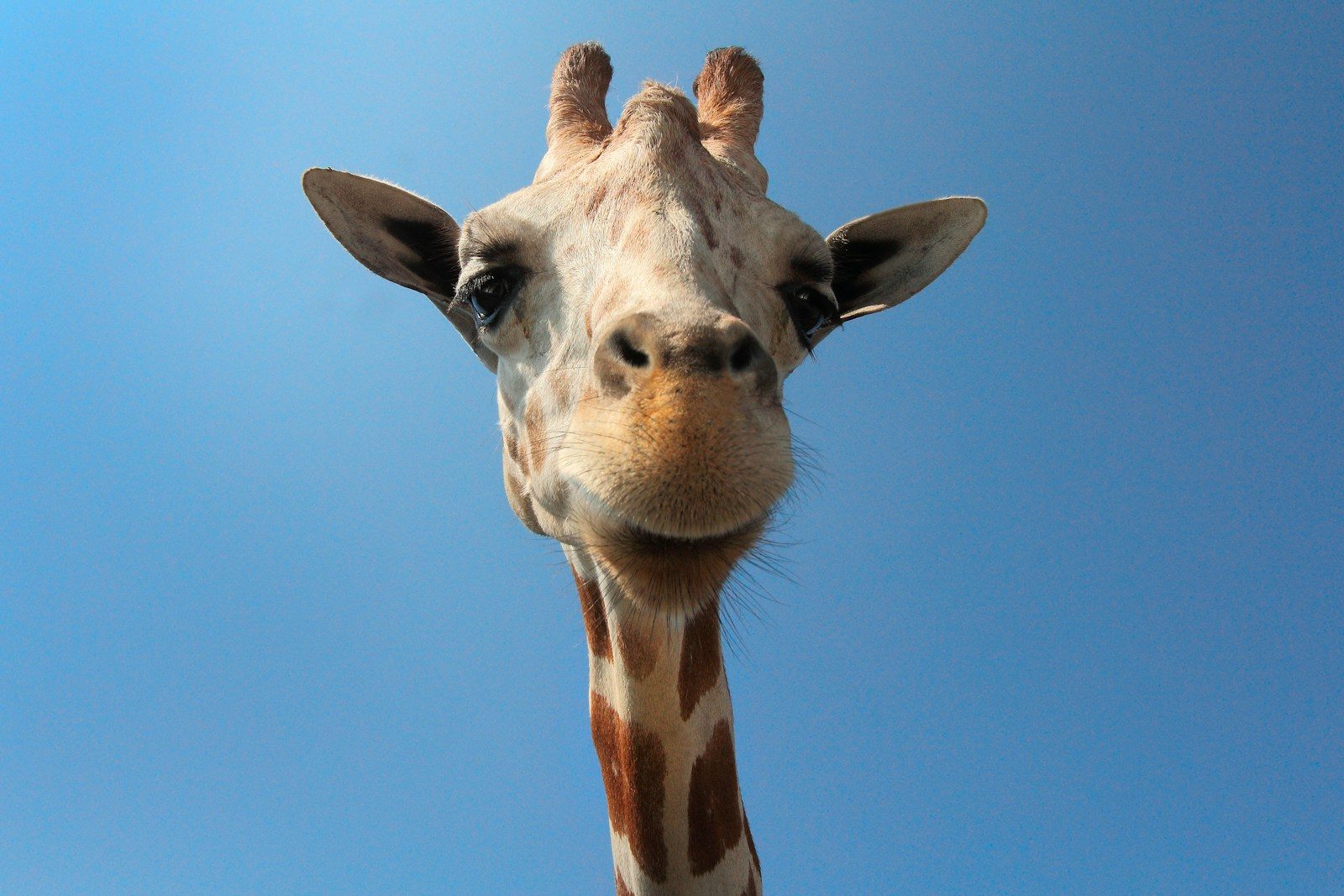
After nearly two weeks of uncertainty, Gracie the giraffe has finally been found safe in Texas, bringing relief to wildlife officials, her caretakers, and the many people who followed her unusual journey.
The young giraffe’s disappearance sparked widespread attention, with search teams using helicopters, drones, and ground crews to track her across rural Texas. Her successful recovery marks the end of an extraordinary wildlife search that captured national interest.
Gracie Disappeared During Transport
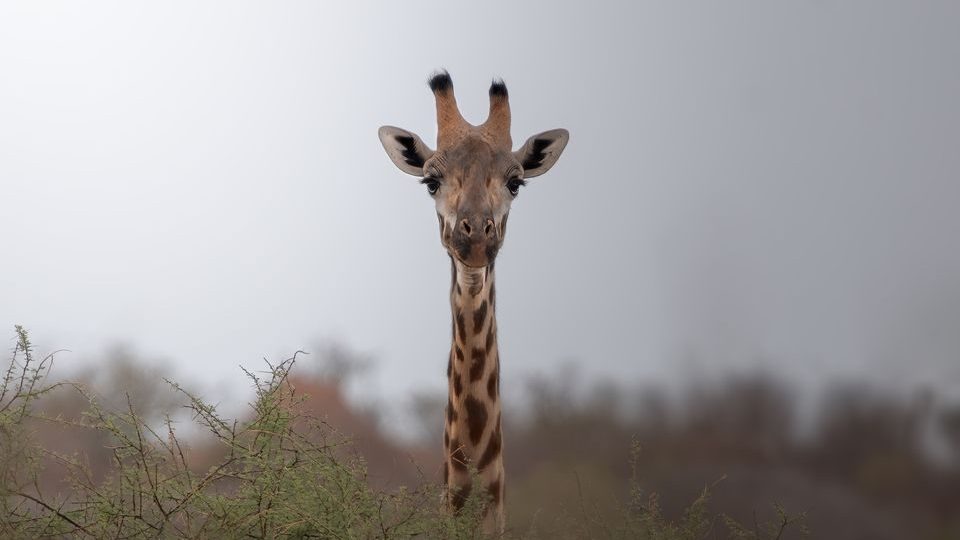
Gracie escaped while being transported through Texas, prompting an extensive search operation across the surrounding countryside.
Because giraffes are naturally cautious and can cover surprising distances, locating her proved to be a significant challenge. Officials worked tirelessly to monitor reported sightings while ensuring the search did not further stress the young animal.
Massive Search Effort Spanned Nearly Two Weeks
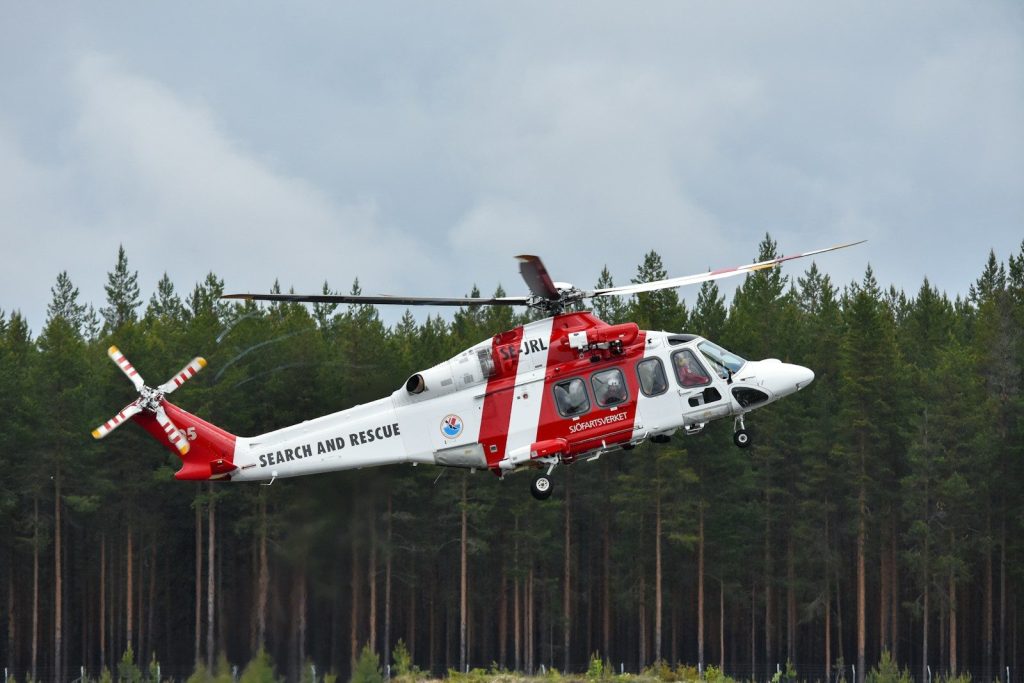
Wildlife experts, local authorities, and volunteers coordinated an intensive search that included:
- Helicopter surveillance
- Drone flights over remote areas
- Ground search teams
- Reports from local residents and landowners
Despite numerous sightings, Gracie managed to avoid capture as she wandered through the Texas landscape.
Gracie Finally Located Safe
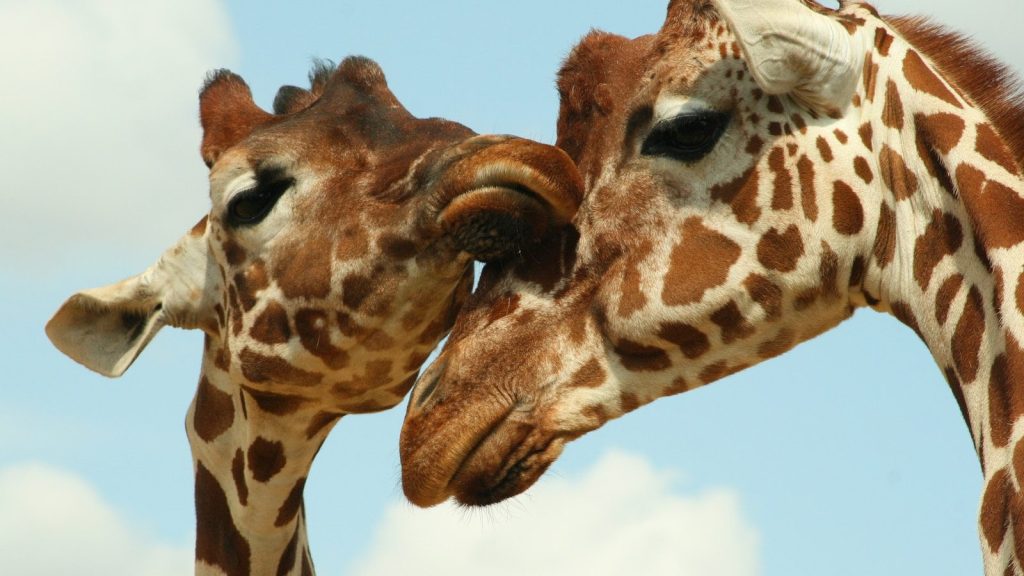
After nearly two weeks on the run, search crews successfully located Gracie alive and in good condition.
Officials confirmed that she was found safely and that recovery efforts were carried out carefully to minimize stress and reduce the risk of injury.
The announcement brought relief to both her caretakers and the thousands of people who had been following updates on social media.
Health Assessment Underway
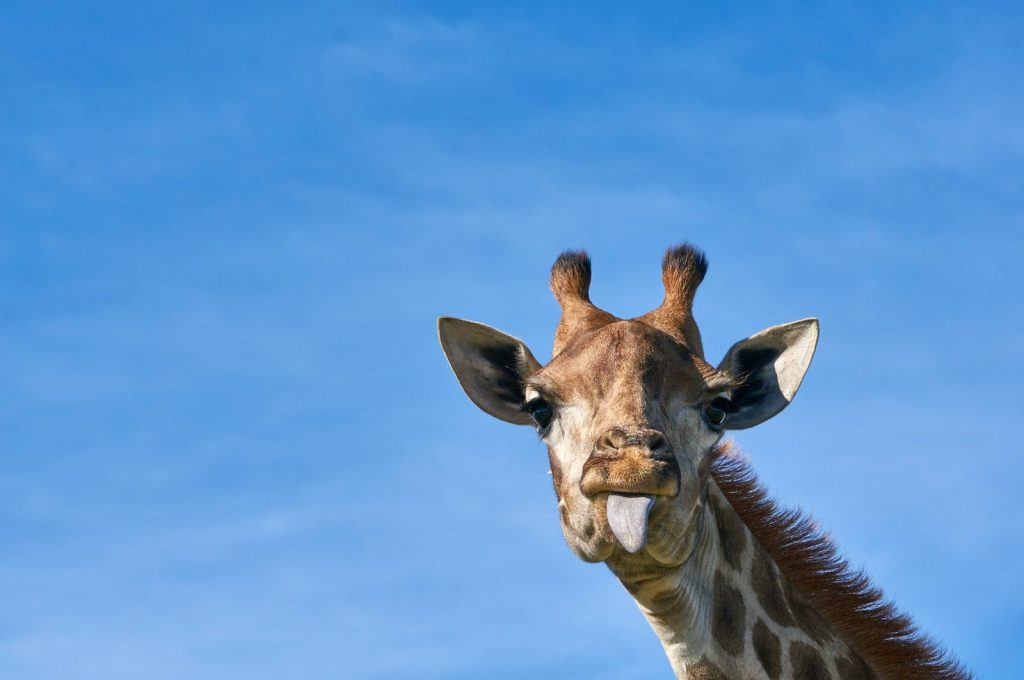
Following her recovery, Gracie underwent veterinary evaluations to ensure she had not suffered injuries or health complications during her time in the wild.
Experts will continue monitoring her condition as she recovers from the stressful experience.
Why Capturing a Loose Giraffe Is So Difficult
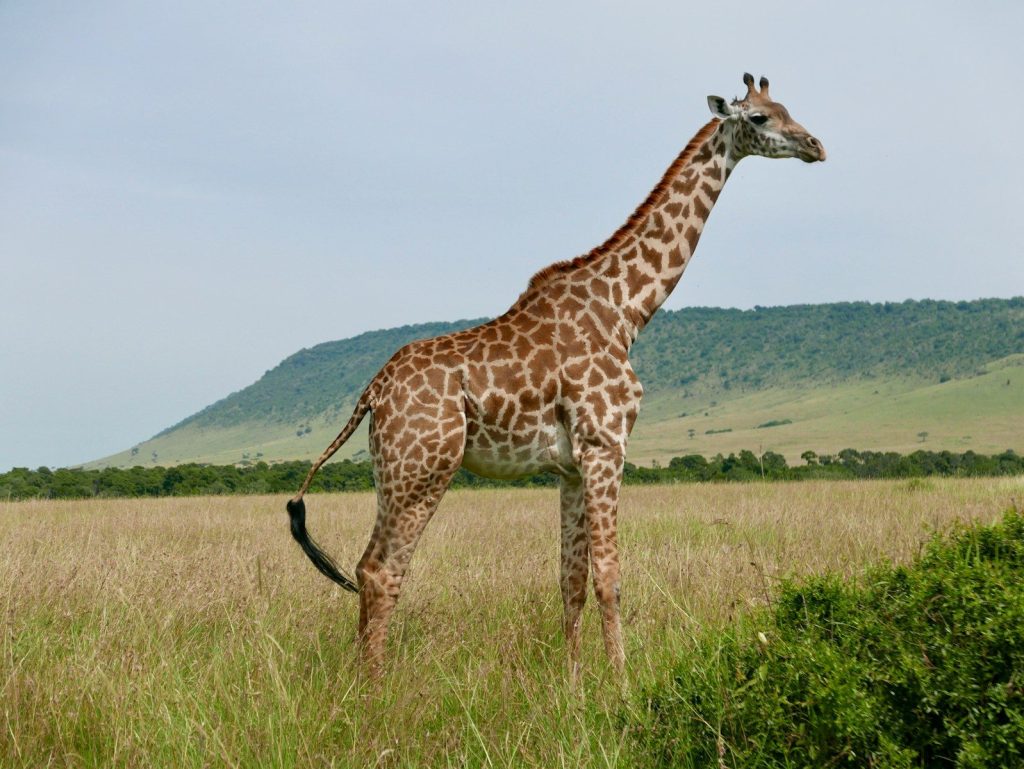
Although giraffes are gentle animals, rescuing one is far from simple.
Several factors make recovery operations especially challenging:
- Their height makes transportation and capture more complicated.
- They can run surprisingly fast when frightened.
- Sedation carries additional risks because of their unique anatomy and long necks.
- Stress can lead to dangerous health complications if not managed carefully.
For these reasons, wildlife teams typically prioritize patience and careful planning over rushing a capture.