For years, scientists and environmental groups have warned that Earth is entering another mass extinction, with species disappearing at an increasingly rapid pace. Many studies have suggested that biodiversity loss is accelerating due to human activity, climate change, and habitat destruction. However, new research from the University of Arizona offers a more detailed perspective on the issue.
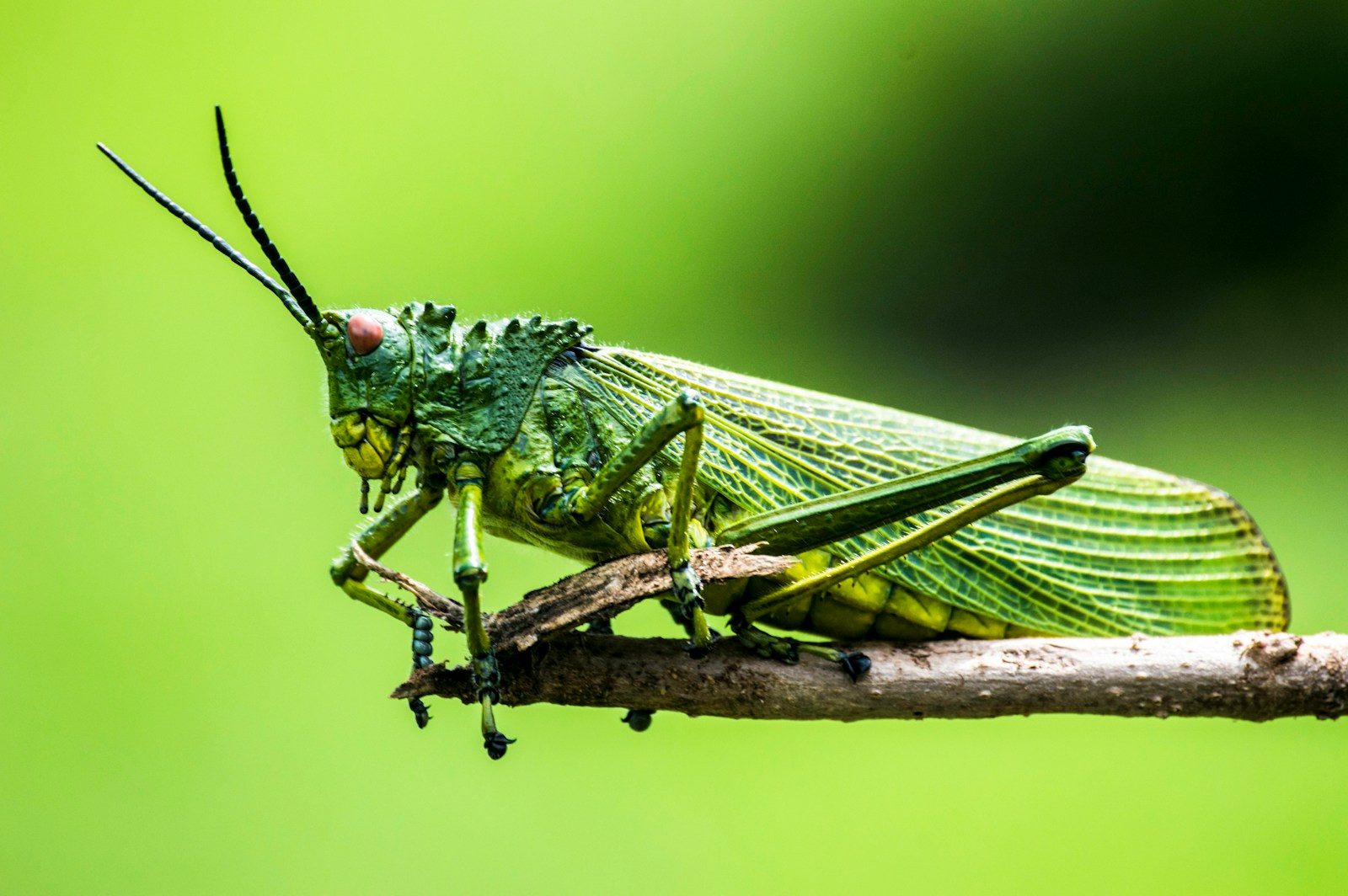
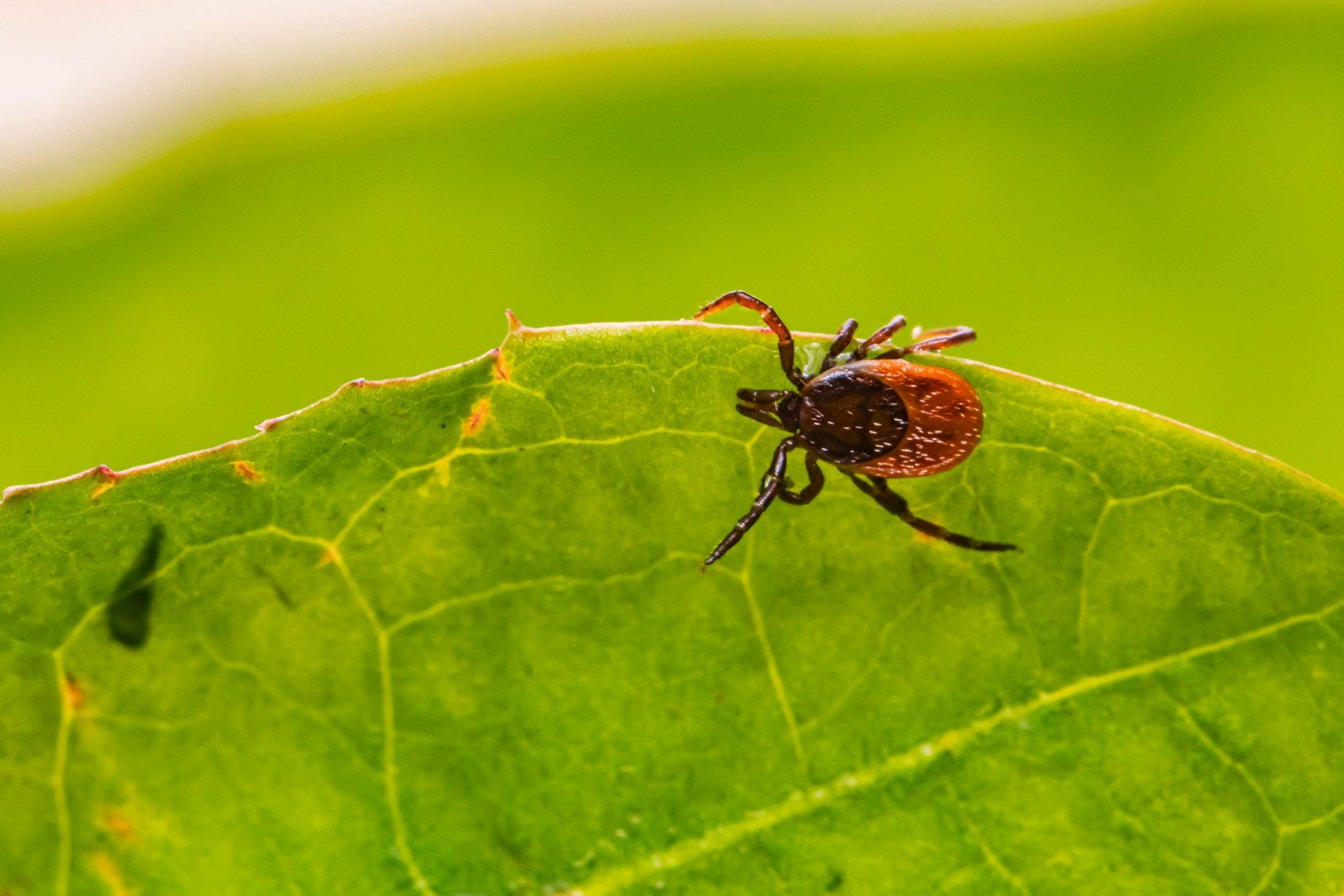
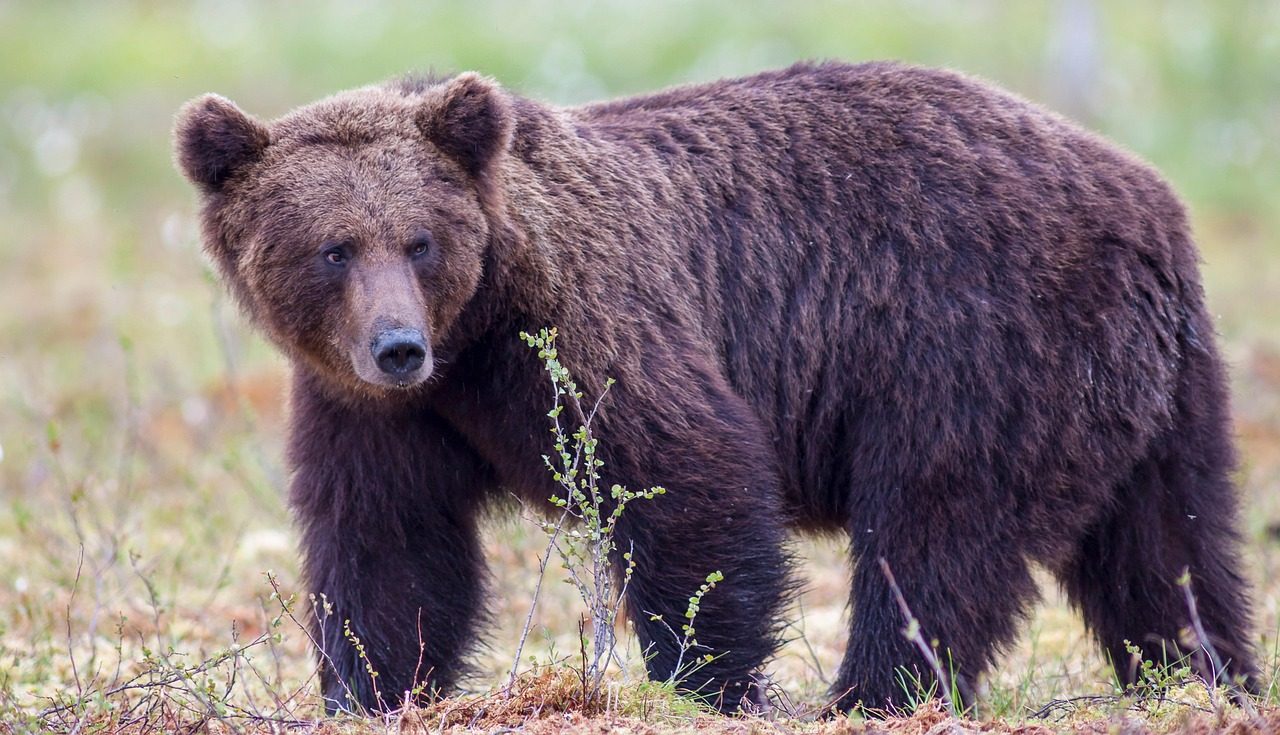
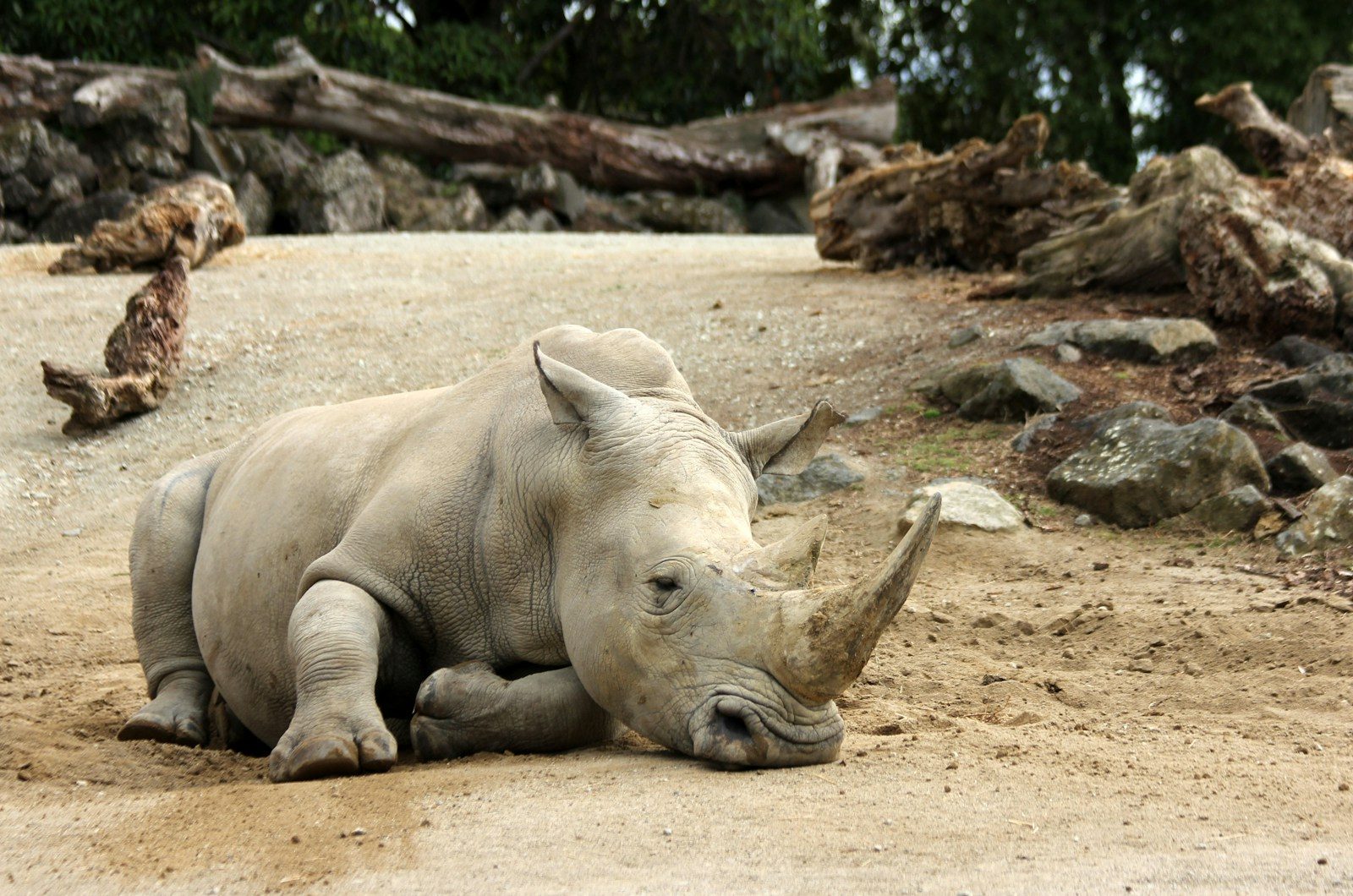
The study found that extinction rates across many plants and animal groups may not be speeding up as previously believed. Instead, researchers discovered that extinction rates peaked around a century ago and have gradually slowed in several major groups, including plants, arthropods, and land vertebrates.
A New Analysis of 500 Years of Extinction Data
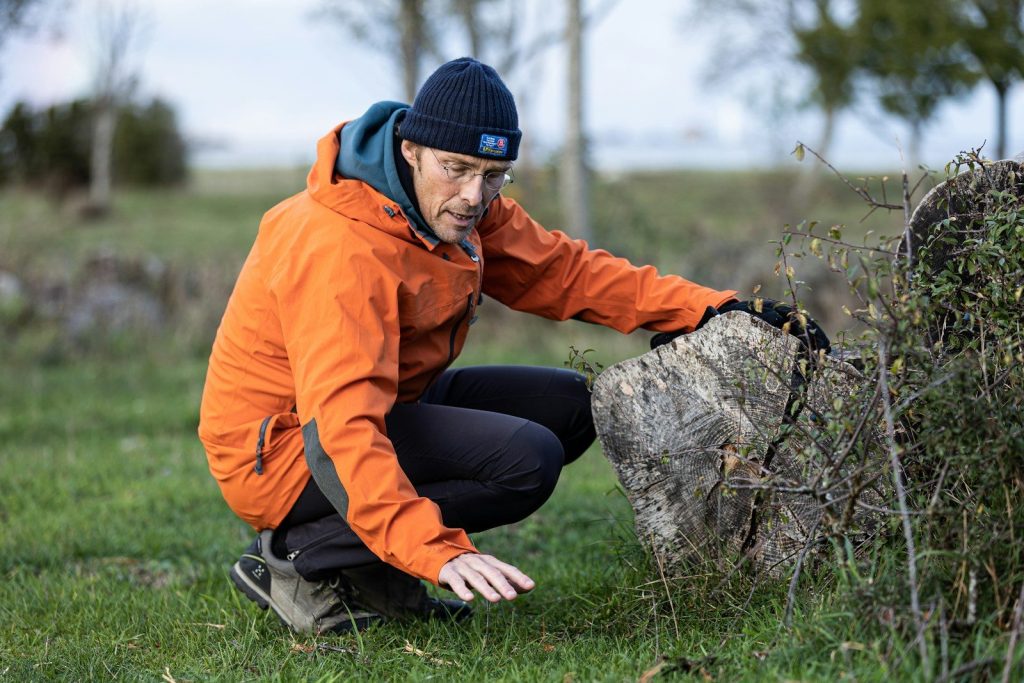
Researchers Kristen Saban and John Wiens analyzed extinction patterns from the last 500 years. Their work examined 912 species known to have gone extinct while also considering data from nearly two million living species.
According to the study, extinction rates increased significantly in earlier centuries, particularly during periods of human expansion into isolated ecosystems, but later began to decline.
Past Extinction Patterns May Not Predict the Future

One of the key findings was that many historical extinctions occurred on islands. Species living in isolated places such as the Hawaiian Islands were especially vulnerable after humans introduced invasive animals like rats, pigs, and goats. These invasive species disrupted fragile ecosystems and often preyed on native animals that had evolved without natural predators.
Researchers argue that past extinction trends may not accurately predict future biodiversity loss because the causes behind extinctions have changed over time. In the past, invasive species on islands were the main drivers of extinction. Today, however, habitat destruction across mainland regions has become the greatest threat to wildlife.
Island Ecosystems Experienced the Greatest Losses

The study found that mollusks and vertebrates experienced some of the highest extinction rates. Freshwater habitats on continents were also heavily affected due to pollution, habitat destruction, and environmental disturbance.
Urban growth, agriculture, deforestation, and industrial expansion continue to reduce natural habitats worldwide. The researchers believe these modern pressures differ greatly from the conditions responsible for many historical extinctions.
Climate Change Was Not a Major Historical Cause

Another surprising finding from the study was that historical extinction records showed little evidence of climate change directly driving extinction rates over the last two centuries. However, the researchers stressed that this does not mean climate change is harmless. Instead, they explained that climate impacts often develop gradually and may not yet be fully reflected in extinction data.
Climate change can affect ecosystems by altering migration patterns, breeding cycles, food availability, and habitat stability over long periods. Because of this, scientists believe future biodiversity risks linked to climate change may still become more severe in coming decades.
Conservation Efforts Could Be Making a Difference
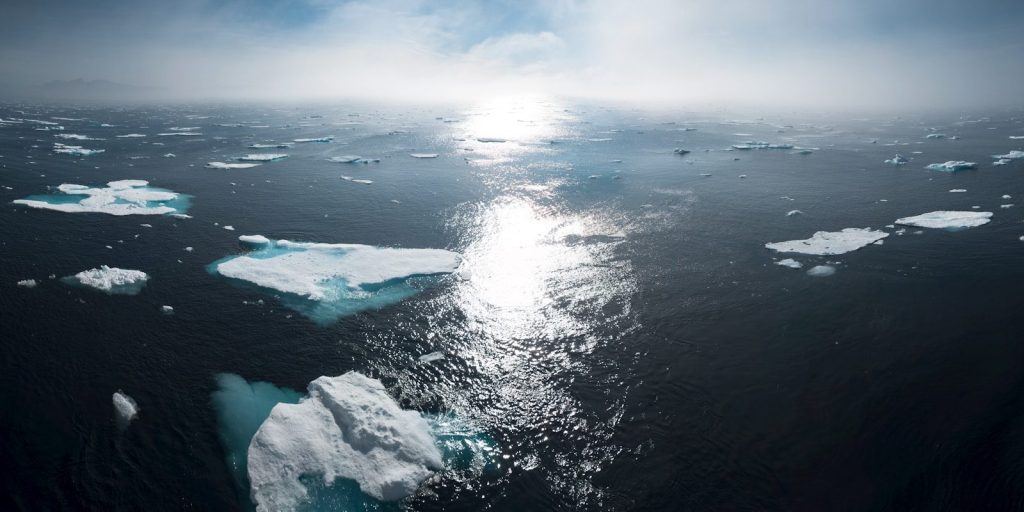
The research also offers some encouraging signs regarding conservation efforts. According to the study, extinction rates for several groups have declined since the early 1900s, suggesting that conservation programs, habitat protection, and wildlife recovery projects may be helping prevent further species loss.
Why Accurate Scientific Communication Matters

The researchers emphasized that biodiversity loss remains a serious global issue, but they also argued that environmental discussions should be based on accurate scientific evidence rather than purely catastrophic predictions.
By understanding how extinction drivers have changed over time, scientists and policymakers may be able to develop more effective strategies to protect vulnerable species and ecosystems in the future.