Skip to content

Recent Posts

  • The Cutest Cat Breeds People Love Most
  • Why Orange Cats Often Have a Distinct Personality
  • Dog Breeds That Suit a Calm and Quiet Lifestyle
  • Cat Breeds Known for Longer Lifespans and Healthy Aging
  • Things You Should Never Say Around Cats (According to Behavior Insights)

Most Used Categories

  • Nature & Wildlife (415)
  • Risk (50)
  • Human Interest (23)
  • Survival (19)
  • Hunting (19)
  • Bees/Swarms fear (13)
  • Exotic Animals (11)
  • Suspense (6)
  • Adventure (3)
  • Gears (2)
Skip to content
  • About Us
  • Contact Us
  • Disclaimer
  • Privacy Policy
  • Terms & Conditions

Hive Hunters Tales

  • Suspense
  • Nature & Wildlife
  • Human Interest
  • Hunting
  • Bees/Swarms fear
  • Exotic Animals
  • Risk
  • Survival
  • Adventure
  • Gears
  • Home
  • Nature & Wildlife
  • Nature’s Ultimate Baby Carriers: How Animal Moms Transport Their Young
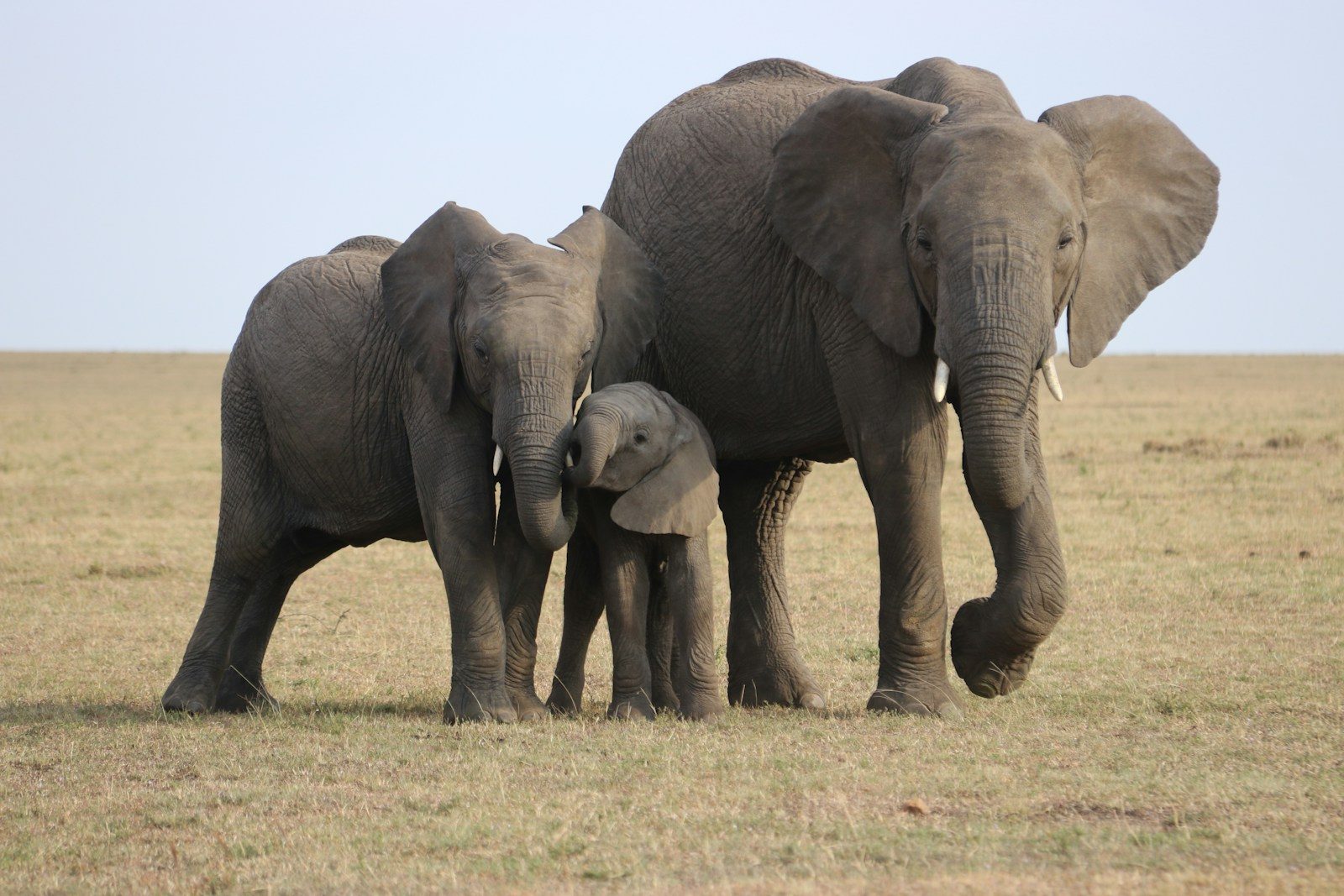
three gray elephants on green grass field during daytime

Nature’s Ultimate Baby Carriers: How Animal Moms Transport Their Young

JakeJune 26, 2026June 25, 2026

Across the animal kingdom, mothers have developed remarkable ways to carry and protect their babies. From pouches and backs to mouths and even tails, these adaptations help ensure survival in dangerous environments.

These carrying methods are often shaped by habitat, mobility, and predator threats. Each species has evolved a unique parenting strategy that best suits its way of life.

Kangaroo
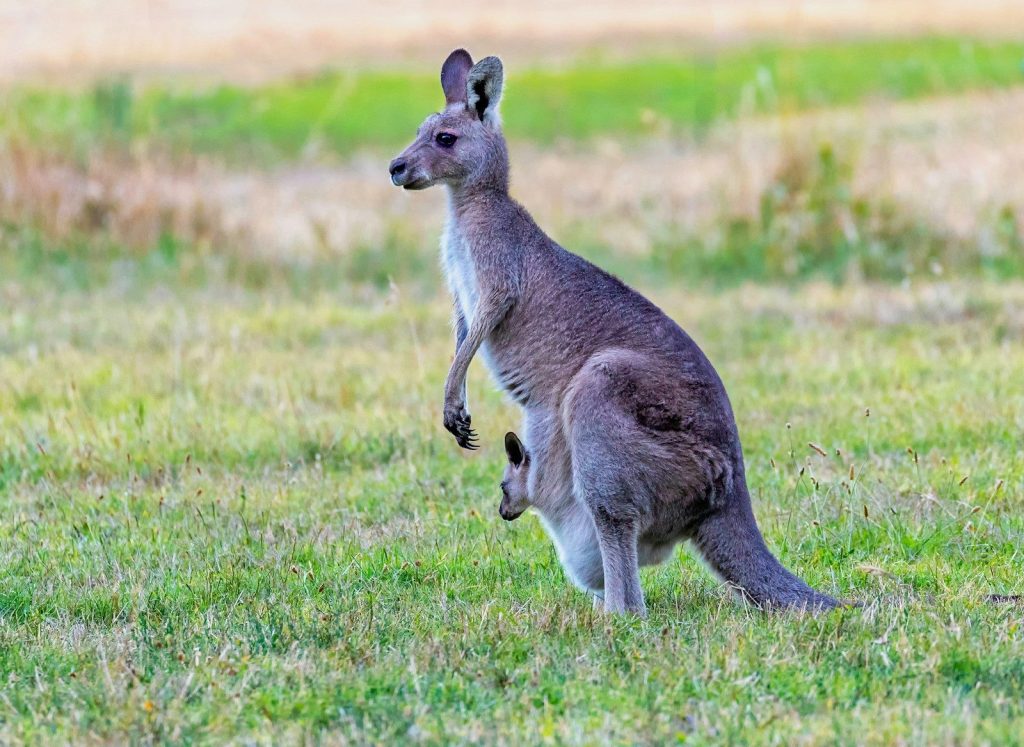
brown kangaroo with kid on pouch at green grass field
Photo by John Torcasio on Unsplash

Kangaroos carry their young in a forward-facing pouch. The baby, called a joey, continues to develop and feed inside the pouch for months after birth.

This system allows the mother to move freely while still protecting her vulnerable offspring. It is one of the most well-known examples of marsupial parenting.

Koala
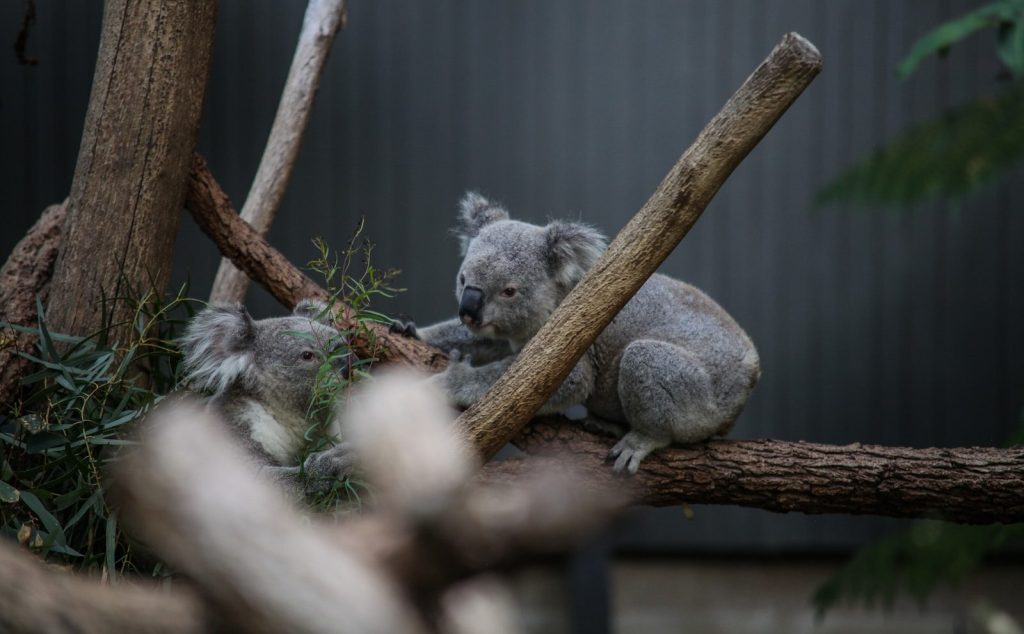
koala on brown tree branch
Photo by Patrick McGregor on Unsplash

Koalas also use a pouch to carry their young. After birth, the tiny joey crawls into the pouch where it continues to grow and feed on milk.

Even after leaving the pouch, young koalas often ride on their mother’s back for protection. This helps them stay safe while learning to survive in trees.

Gorilla
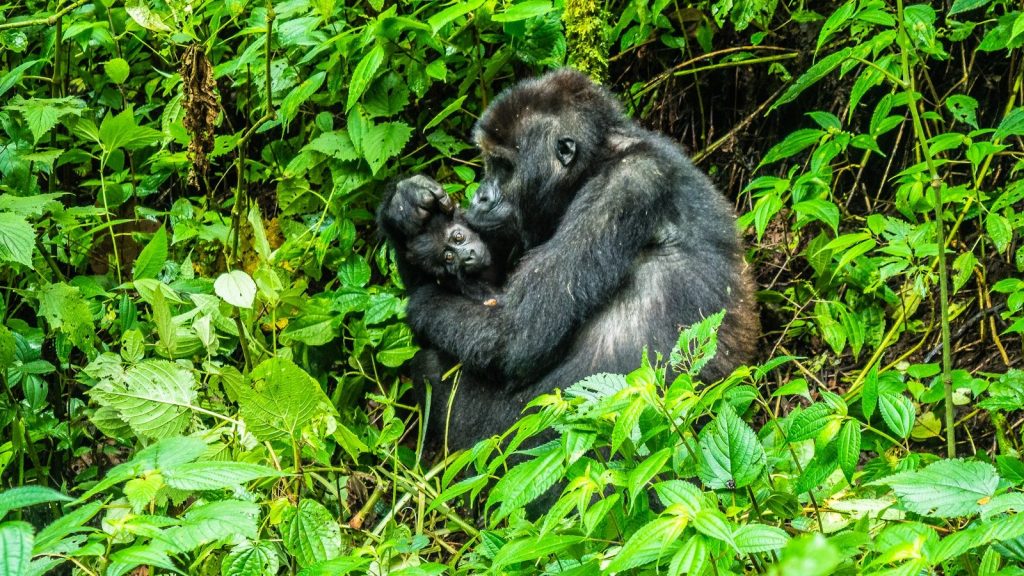
monkey holding cub
Photo by Johnny Africa on Unsplash

Gorilla infants cling tightly to their mother’s fur as she moves through the forest. This constant contact keeps the baby secure and close for feeding.

As they grow stronger, young gorillas begin riding on their mother’s back. This physical bond also strengthens social learning within the group.

Cheetah
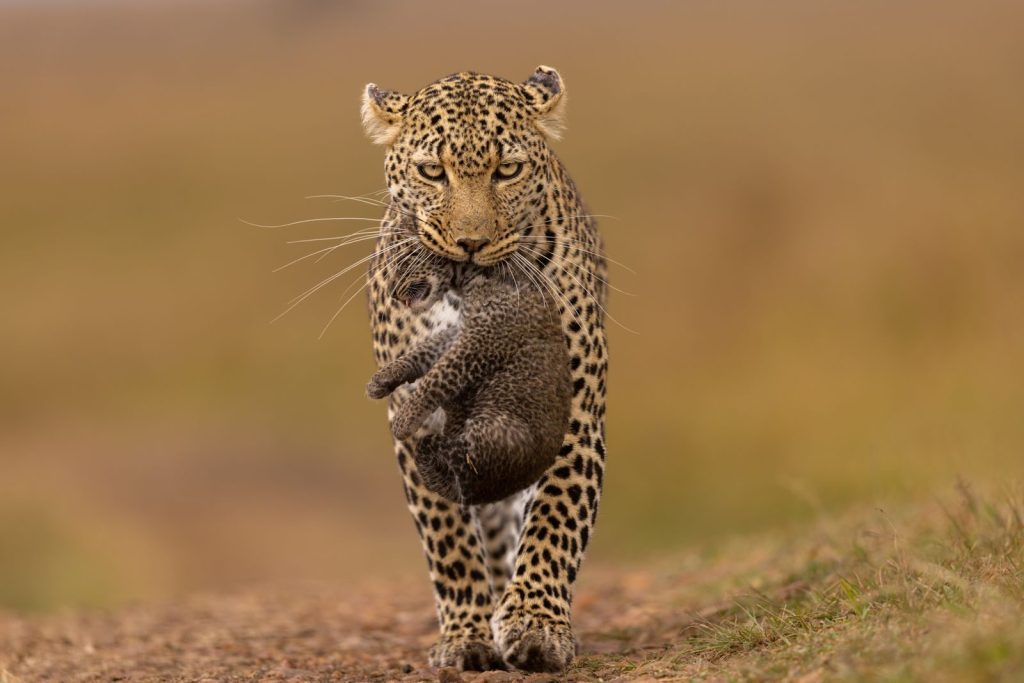
A mother African leopard carrying her cub in the Maasai Mara, Kenya, showcasing wildlife care.
Photo by Bharath Kumar Venkatesh on Pexels

Cheetah mothers often carry their cubs by gently holding them in their mouths. This helps relocate them to safer hiding spots when predators are nearby.

Cubs are frequently moved between dens to reduce the risk of detection. This behavior improves their chances of survival in the wild.

Elephant
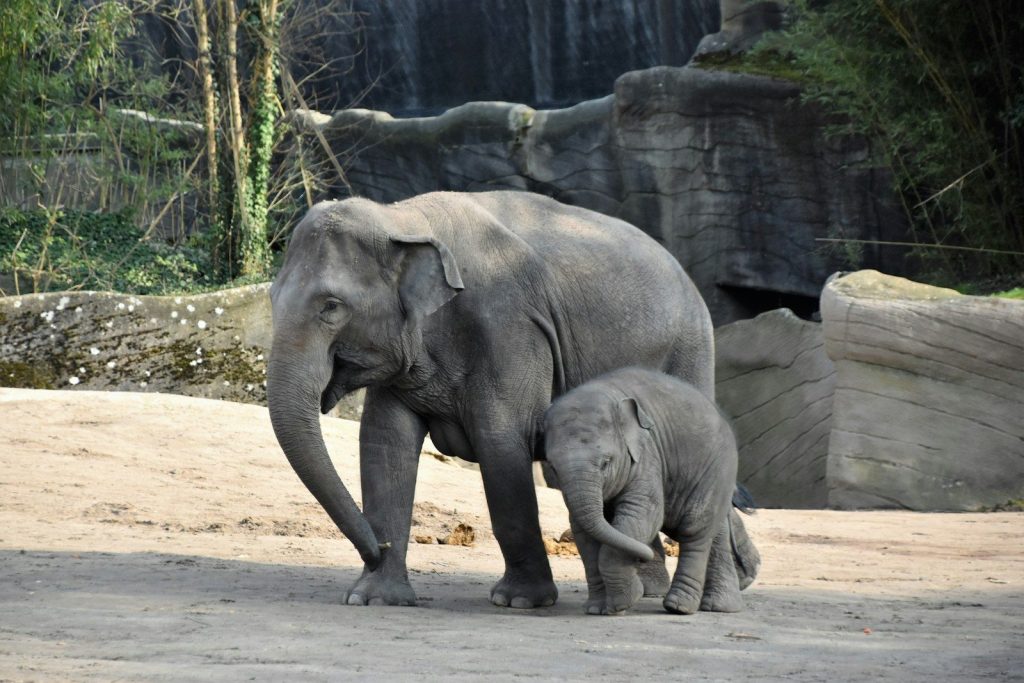
two elephants near trees
Photo by Waldemar Brandt on Unsplash

Elephant calves stay very close to their mothers and are sometimes guided or physically supported by them. While not “carried” in the traditional sense, they are constantly protected within the herd.

The entire herd often helps guard and shield young elephants from danger. This strong social structure is key to their survival.

Frog
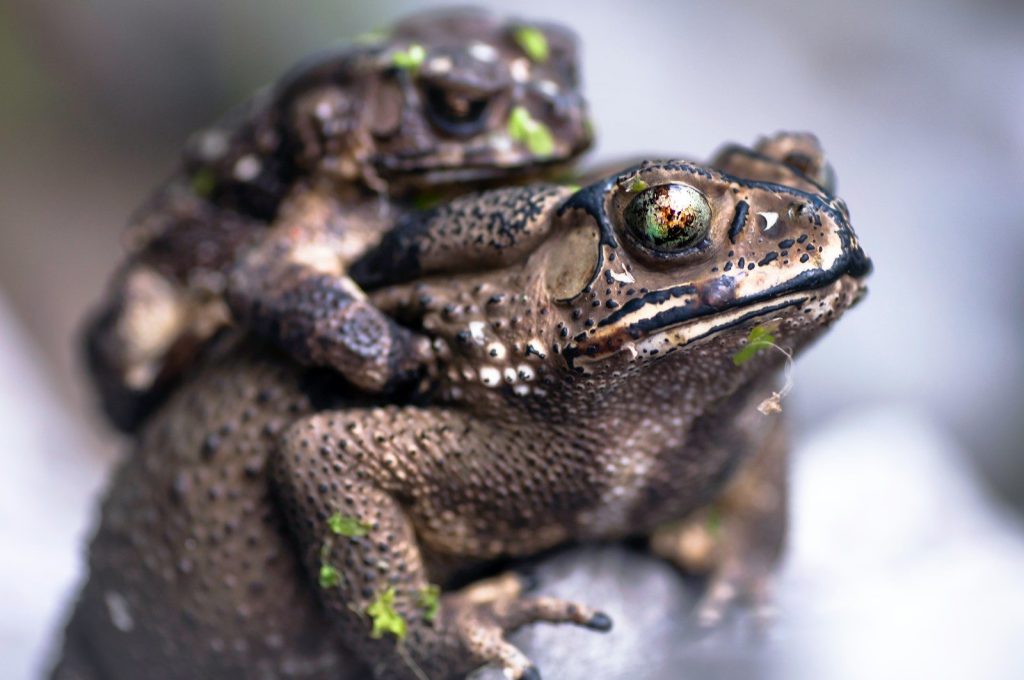
a couple of frogs sitting on top of each other
Photo by Thomas Oxford on Unsplash

Some frog species carry their young in unusual ways, including on their backs. In certain species, males are even responsible for transporting eggs or tadpoles.

This ensures that offspring stay in moist and safe environments until they are ready to survive independently. Amphibians show some of the most diverse parenting styles.
Post navigation

Previous: The Science Behind Why Mosquitoes Always Choose You
Next: Firefighters Thought They Were Saving a Dog, Then They Realized It Was a Coyote Pup

Related Posts

Cornish Rex cat wearing black dress with red bow indoors, showcasing unique feline fashion.

The Cutest Cat Breeds People Love Most

June 29, 2026June 29, 2026 Jake

Why Orange Cats Often Have a Distinct Personality

June 29, 2026June 29, 2026 Jake
a dog running through a forest

Dog Breeds That Suit a Calm and Quiet Lifestyle

June 29, 2026June 29, 2026 Jake

Leave a Reply Cancel reply

Your email address will not be published. Required fields are marked *

Recent Posts

  • The Cutest Cat Breeds People Love Most
  • Why Orange Cats Often Have a Distinct Personality
  • Dog Breeds That Suit a Calm and Quiet Lifestyle
  • Cat Breeds Known for Longer Lifespans and Healthy Aging
  • Things You Should Never Say Around Cats (According to Behavior Insights)
Copyright All Rights Reserved | Theme: BlockWP by Candid Themes.