Skip to content

Recent Posts

  • What To Do If You Discover a Skunk Living in Your Yard
  • What Happens When a Hungry Polar Bear Approaches Humans in the Arctic
  • Are We Living Through Earth’s Sixth Mass Extinction?
  • Cows Shock Farmer by Protecting Wild Duck Eggs From Predators
  • The Snake Filled National Parks Every Hiker Should Know About

Most Used Categories

  • Nature & Wildlife (52)
  • Risk (19)
  • Hunting (15)
  • Bees/Swarms fear (10)
  • Survival (9)
  • Exotic Animals (7)
  • Suspense (6)
  • Human Interest (4)
  • Adventure (3)
  • Gears (2)
Skip to content
  • About Us
  • Contact Us
  • Disclaimer
  • Privacy Policy
  • Terms & Conditions

Hive Hunters Tales

  • Suspense
  • Nature & Wildlife
  • Human Interest
  • Hunting
  • Bees/Swarms fear
  • Exotic Animals
  • Risk
  • Survival
  • Adventure
  • Gears
  • Home
  • Suspense
  • Why Animals Rarely Cross the Mysterious Wallace Line
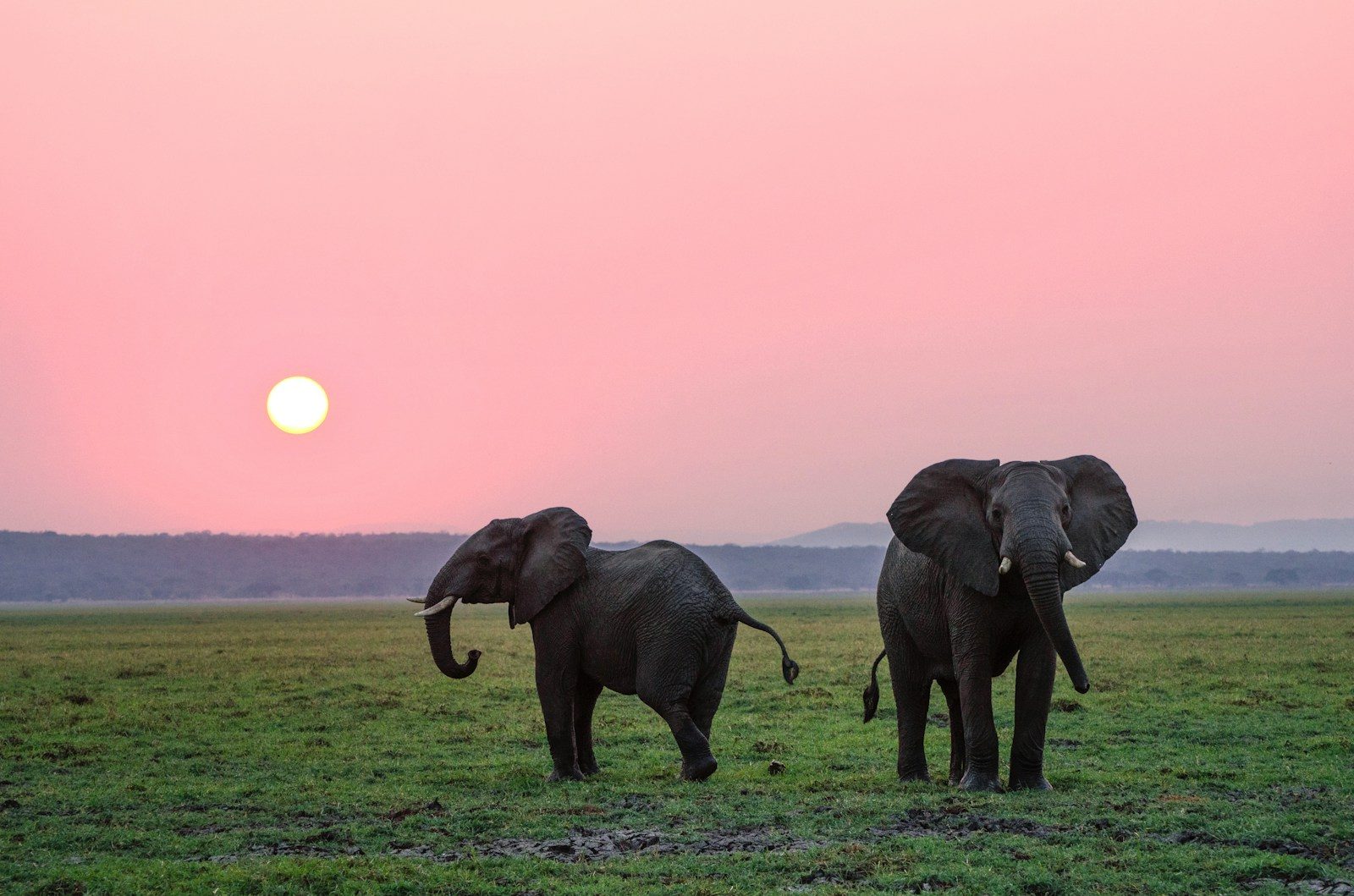
two grey elephants on grass plains during sunset

Why Animals Rarely Cross the Mysterious Wallace Line

JakeMay 18, 2026May 18, 2026

Deep within the Indonesian archipelago lies one of the strangest invisible boundaries on Earth. On one side live elephants, tigers, monkeys, and rhinos connected to Asia. On the other side, kangaroos, cockatoos, and marsupials linked to Australia dominate the landscape.

This invisible divide is known as the Wallace Line, and it has shaped animal evolution for millions of years.

The Discovery That Shocked Scientists
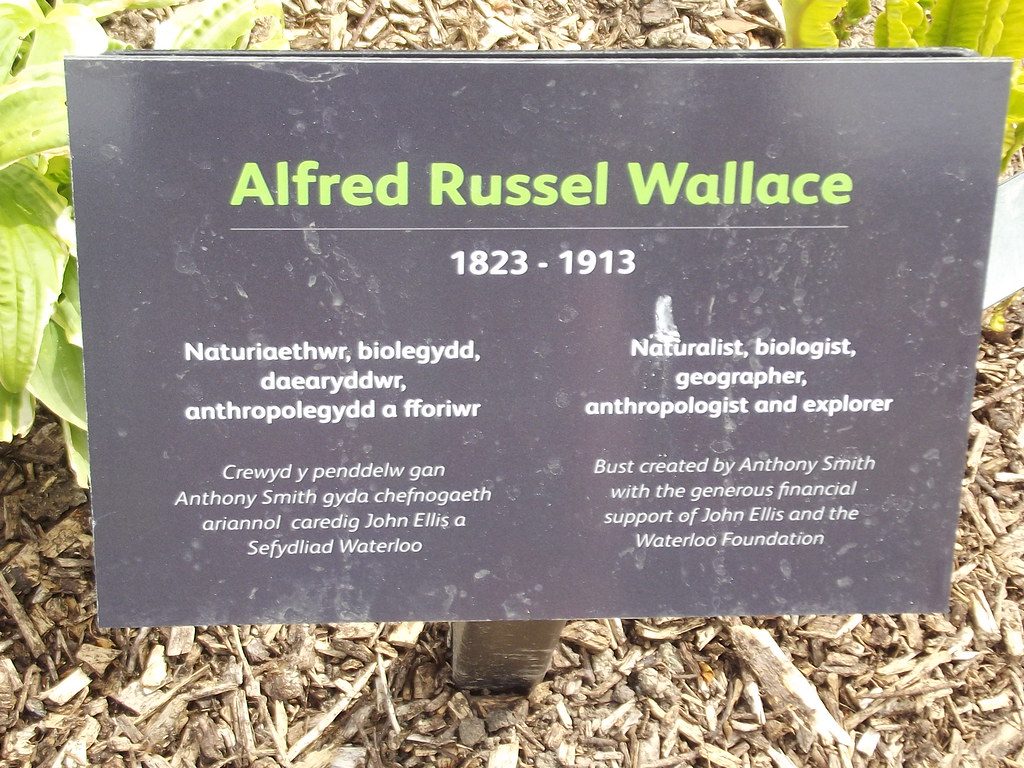
Alfred Russel Wallace
Image by ell brown is licensed under CC BY-SA 2.0

The Wallace Line was identified in the 1800s by British naturalist Alfred Russel Wallace during his travels through Southeast Asia.

He noticed that animals changed dramatically between nearby islands, even when separated by only narrow stretches of ocean.

A Tiny Stretch of Water Changes Everything
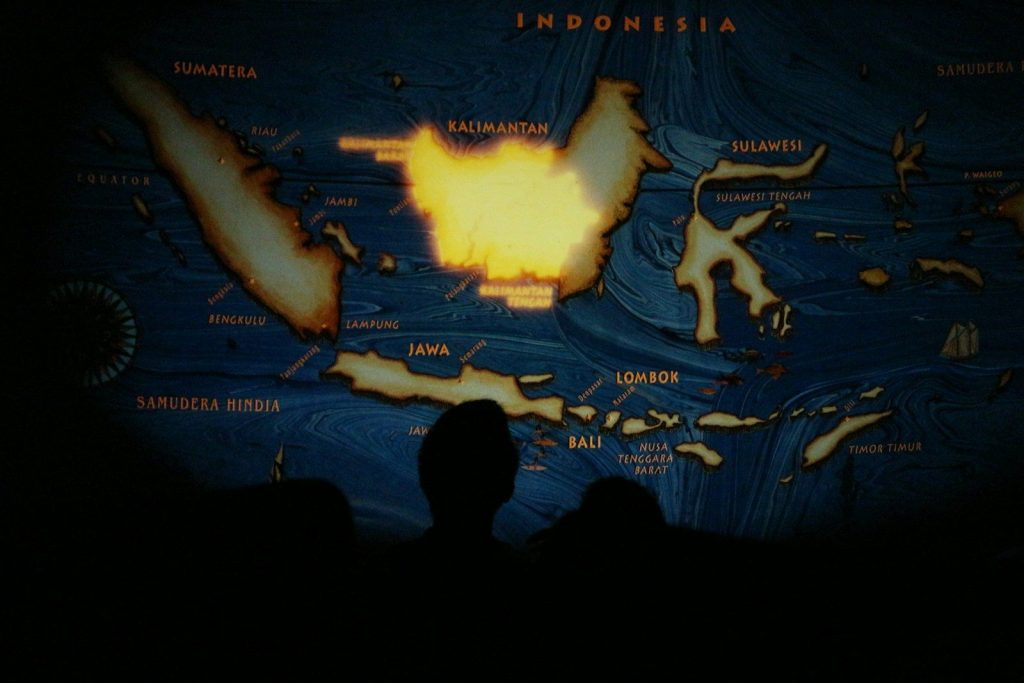
Map
Photo by Rizki Oceano on Unsplash

One of the most famous examples occurs between Bali and Lombok in Indonesia. The islands sit surprisingly close together, yet their wildlife is drastically different.

Asian mammals dominate Bali, while animals connected to Australia appear farther east.

Deep Ocean Channels Created the Barrier
a close up of a map of asia
Photo by Road Ahead on Unsplash

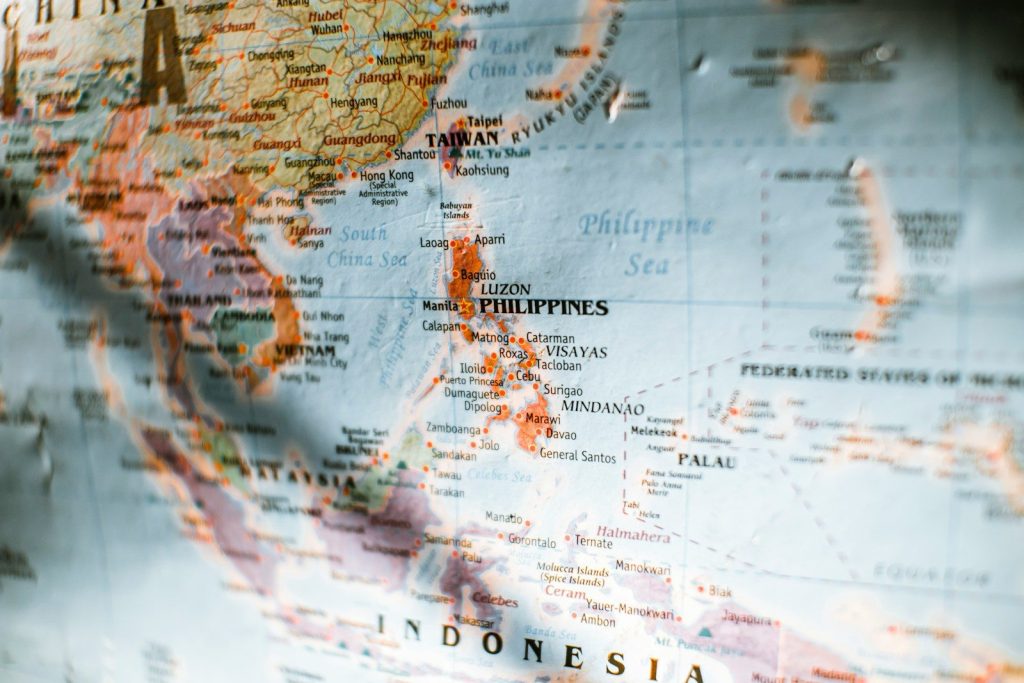
The reason behind the Wallace Line is hidden beneath the ocean surface. Deep-water channels between islands prevented animals from crossing, even during ancient ice ages when sea levels were lower.

These underwater barriers stopped land bridges from forming between Asian and Australian ecosystems.

Evolution Split Two Animal Worlds Apart
elephant walking during daytime
Photo by Nam Anh on Unsplash

Because species remained isolated for millions of years, evolution followed completely different paths on each side of the line.

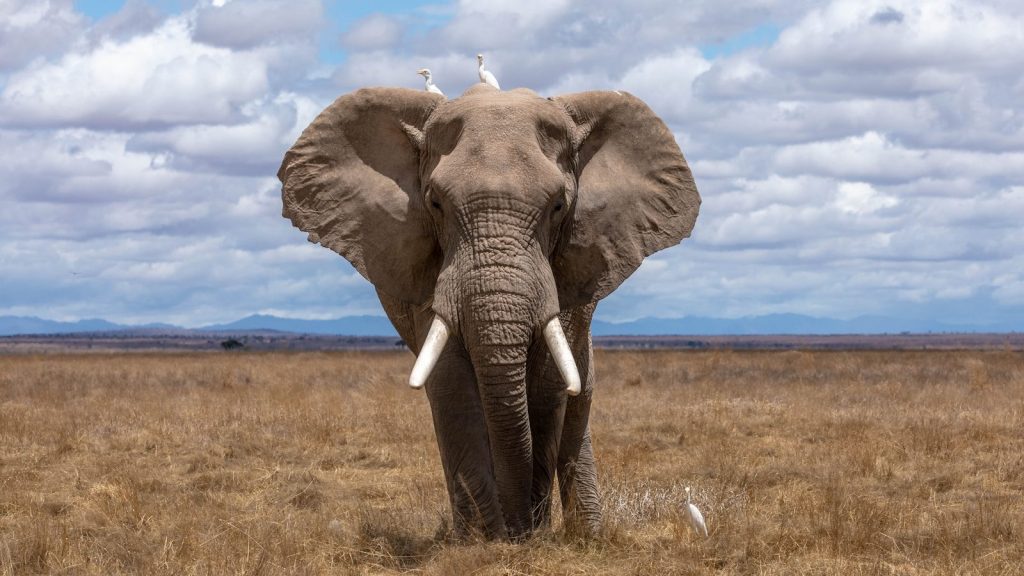
To the west, placental mammals like elephants, tigers, and apes evolved. To the east, marsupials, cockatoos, and unique reptiles became dominant.

Even Birds Often Avoid Crossing
low angle photography of flock of silhouette of bird illustration
Photo by Mehdi Sepehri on Unsplash

At first, scientists assumed birds would easily cross the boundary, but many species surprisingly remain on one side.

Researchers believe different ecosystems, predators, climates, and food sources discourage many birds from permanently settling across the divide.

Wallacea: The World Between Two Continents
A vibrant globe highlighting Indonesia and surrounding countries in Southeast Asia and Australia.
Photo by Nothing Ahead on Pexels

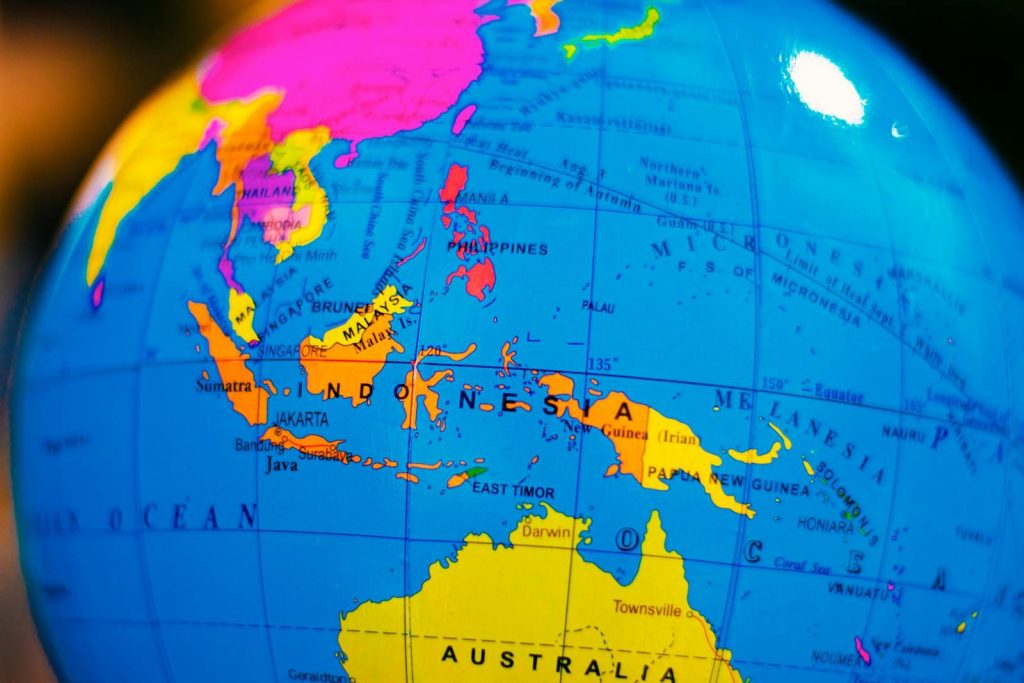
The region between Asia and Australia is now called Wallacea, a transitional zone filled with unusual species from both sides.

Animals like Komodo dragons and rare island birds evolved here under isolated conditions unlike anywhere else on Earth.

The Wallace Line Still Fascinates Scientists Today

people inside room
Photo by Trust “Tru” Katsande on Unsplash

More than 160 years after its discovery, the Wallace Line remains one of the clearest examples of how geography shapes life on Earth.

It proves that even invisible natural barriers can influence evolution, biodiversity, and the survival of entire species across generations.
Post navigation

Previous: This Harmless-Looking Snail Is Linked to Thousands of Human Deaths
Next: 5 Backyard Animals That Look Scary but Actually Help Your Garden

Related Posts

white and brown duck on water

Strange Creatures Hidden Deep Beneath Texas

May 22, 2026May 22, 2026 Jake
person swimming underwater

Why Killer Whales Almost Never Attack Humans

May 15, 2026May 14, 2026 Jake
a fake shark with its mouth open in front of a rock wall

The Disturbing Reason Orcas Keep Targeting Yachts

May 15, 2026May 14, 2026 Jake

Leave a Reply Cancel reply

Your email address will not be published. Required fields are marked *

Recent Posts

  • What To Do If You Discover a Skunk Living in Your Yard
  • What Happens When a Hungry Polar Bear Approaches Humans in the Arctic
  • Are We Living Through Earth’s Sixth Mass Extinction?
  • Cows Shock Farmer by Protecting Wild Duck Eggs From Predators
  • The Snake Filled National Parks Every Hiker Should Know About
Copyright All Rights Reserved | Theme: BlockWP by Candid Themes.