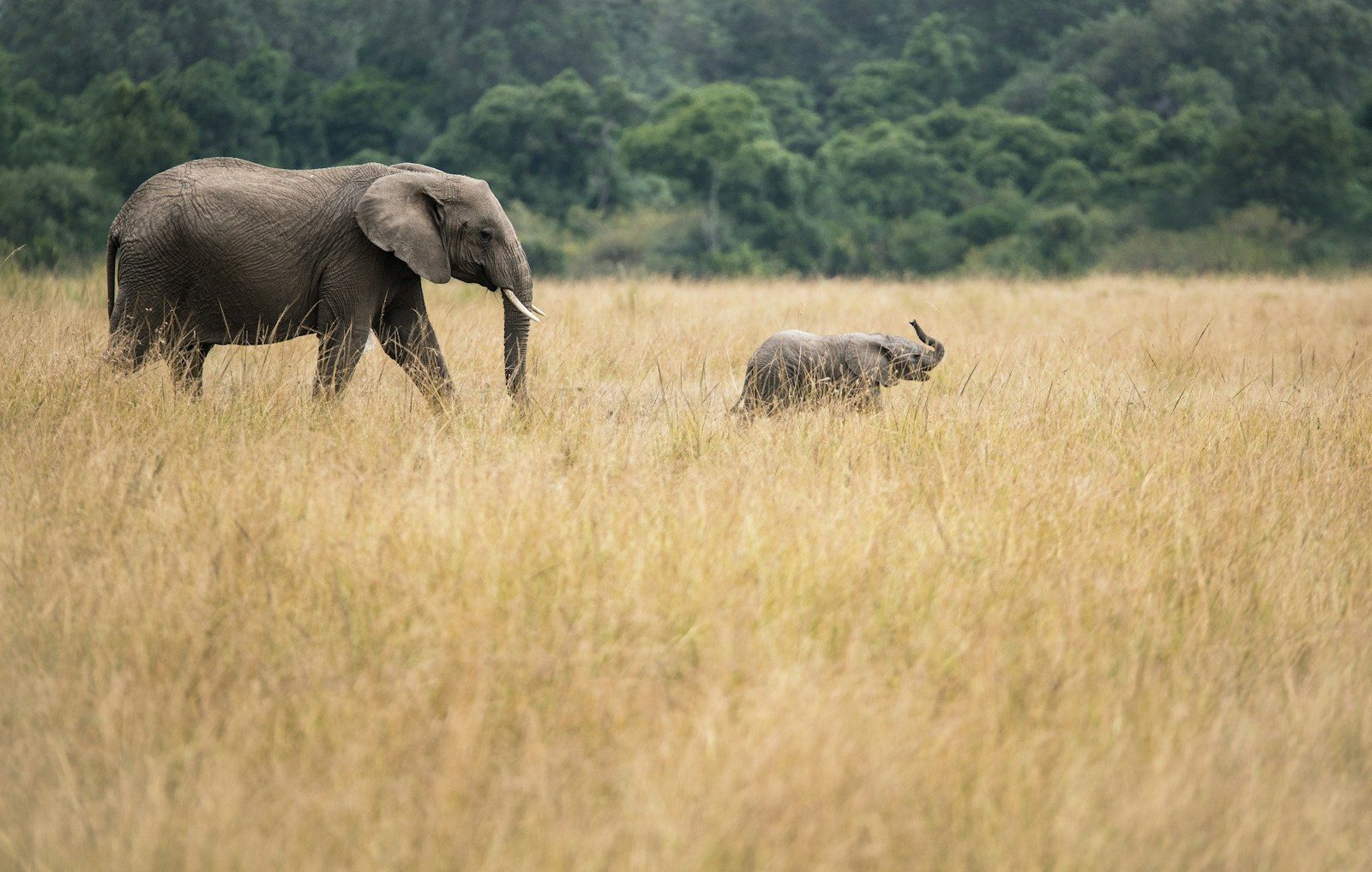
A heartbreaking but heartwarming story from the Smithsonian’s National Zoo has captured attention after a baby elephant who was rejected by her biological mother was taken in by another female elephant. The young calf, Linh Mai, is now thriving under the care of her adoptive “aunt,” Swarna.
A Difficult Start For A Newborn Calf
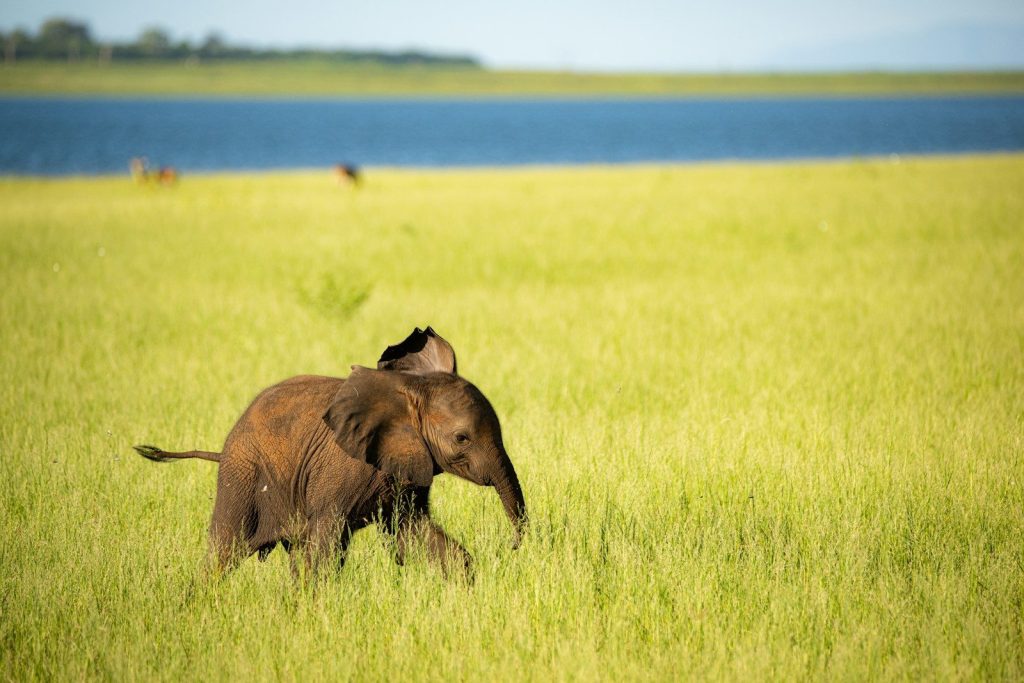
Linh Mai was born in February and weighed around 308 pounds at birth. Despite the joyful arrival, her early life took a difficult turn when her mother rejected her shortly after delivery.
In elephant herds, maternal rejection is rare but can happen under stressful conditions. In this case, the calf needed immediate care and support from the rest of the herd.
A Surprising New Caregiver Steps In
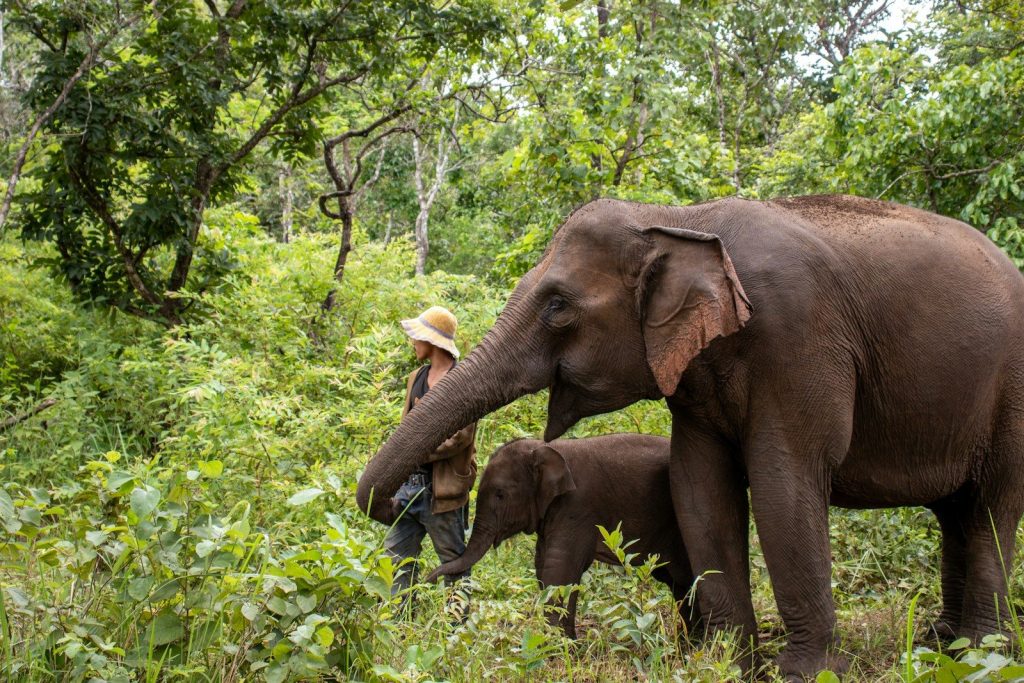
Swarna, an older female elephant at the zoo, stepped into the maternal role soon after the rejection. Even though she has never given birth herself, she showed strong nurturing instincts toward the newborn.
Zoo staff noted that Swarna quickly adapted to caring for Linh Mai. She balanced protective behavior with allowing the calf enough independence to explore and grow.
A Bond That Quickly Took Shape
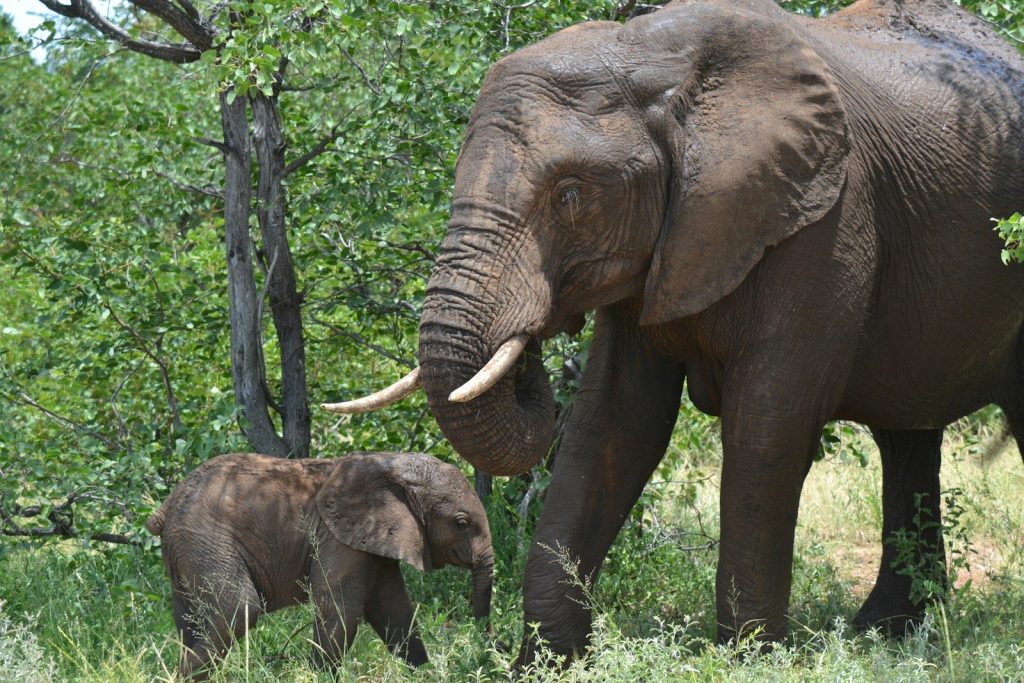
A viral TikTok video showed Linh Mai walking closely alongside Swarna, rarely straying far from her side. The pair appeared comfortable and deeply connected, drawing admiration from viewers.
Many people in the comments expressed relief and happiness at seeing the calf safe and active. The bond between the two elephants was described as natural and heartwarming.
Why Some Mothers Reject Their Young
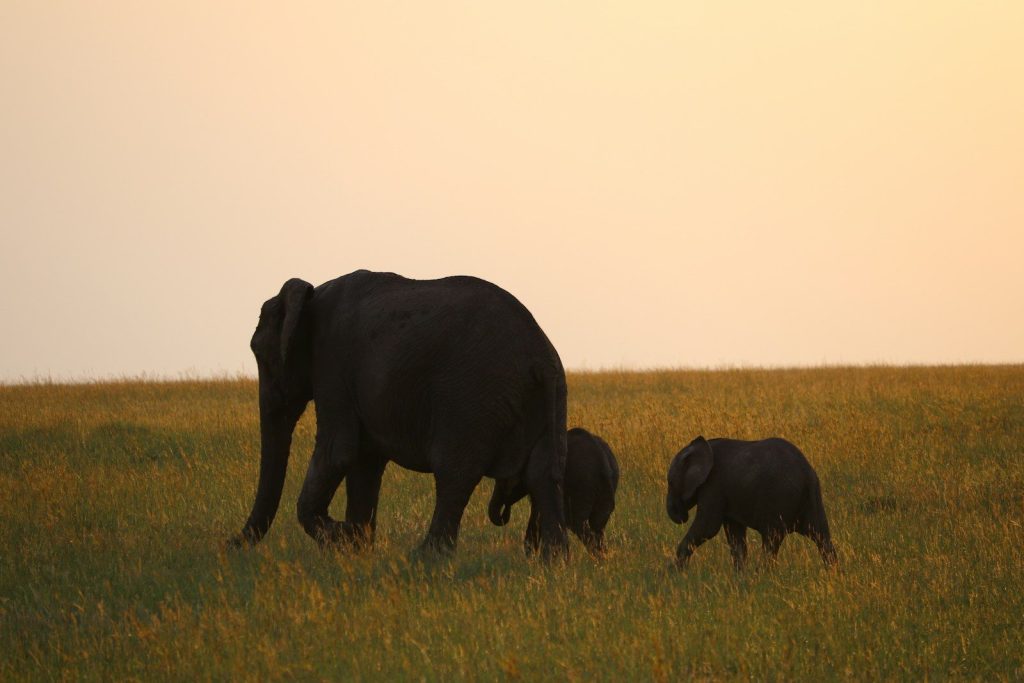
Although it may seem shocking, maternal rejection in animals can sometimes occur as a survival strategy. When resources are limited or conditions are stressful, mothers may prioritize survival over full care of every offspring.
Experts explain that this behavior, while rare, is influenced by natural selection. In some cases, it helps ensure that at least part of the offspring or herd survives under difficult conditions.
Elephant Parenting Is Normally Deeply Protective
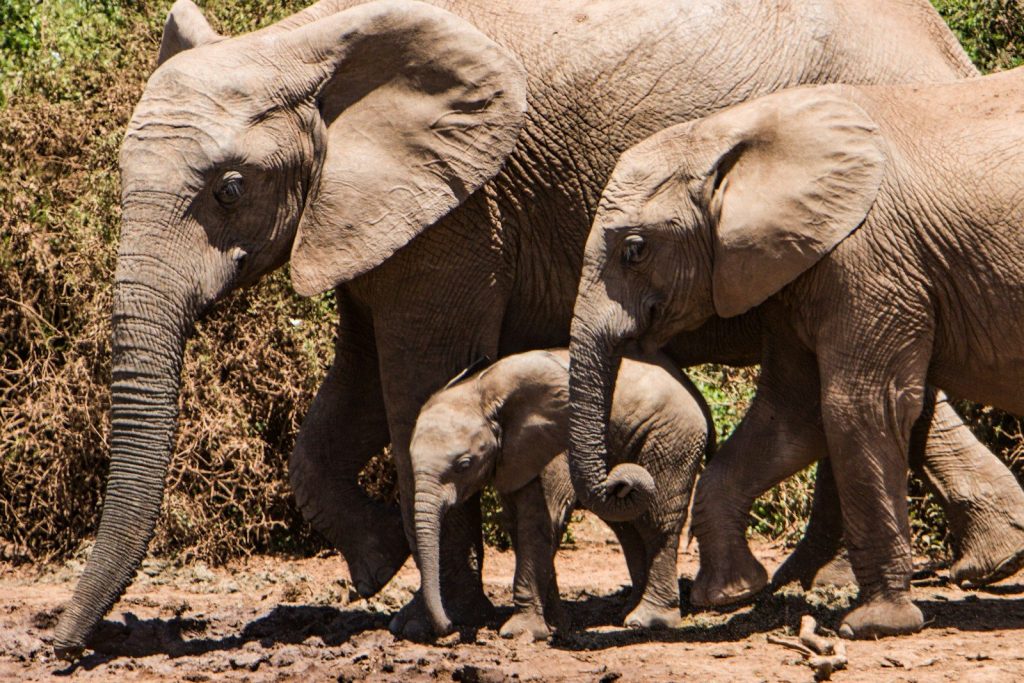
Elephants are known for their strong maternal instincts and long-term care of their young. Their long gestation period and extended dependency make strong family bonds essential for survival.
Because of this, abandonment is considered highly unusual. When it does occur, it is often linked to stress, environmental pressure, or herd instability.