Orcas are among the smartest and most efficient predators in the ocean, but one of their strangest hunting behaviors has stunned marine scientists worldwide. In several documented attacks, killer whales have hunted great white sharks, removed a single organ with remarkable precision, and ignored the rest of the body.
That organ is the liver, a massive, energy-rich prize packed with nutrients that orcas appear to target deliberately.
The Ocean’s Ultimate Predator Battle
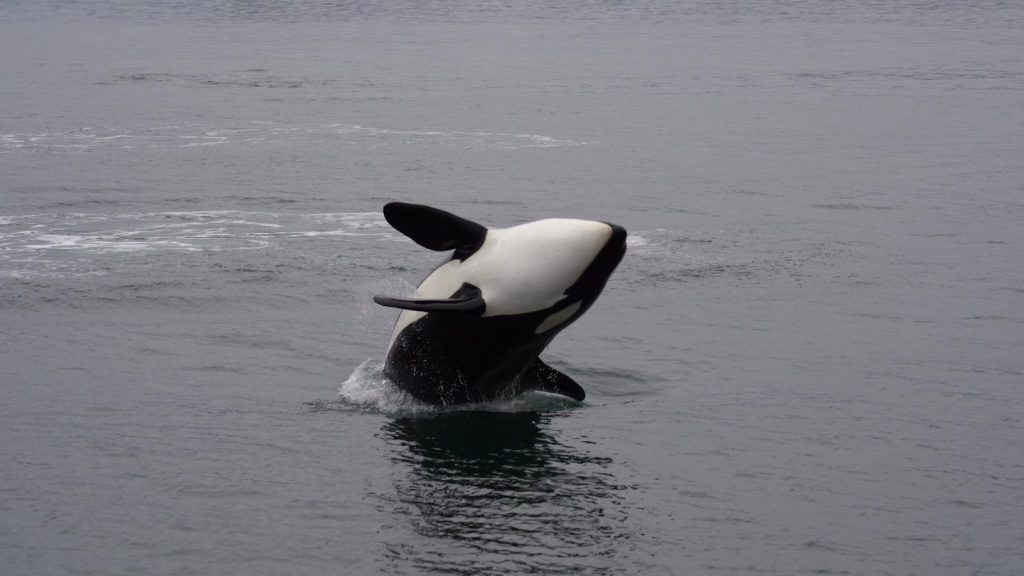
Great white sharks are often viewed as apex predators, feared across the marine world. Yet orcas have repeatedly proven they can overpower even these powerful hunters.
Researchers have documented orcas chasing, flipping, and immobilizing great whites before extracting the liver with near-surgical accuracy.
Why the Liver Is the Main Target
A shark’s liver contains huge amounts of oil, fat, and stored energy. In some species, the liver can make up nearly a quarter of the shark’s body weight.
Marine experts believe orcas focus on this organ because it delivers maximum calories with minimal effort compared to consuming the entire shark.
Orcas Use a Stunning Hunting Technique
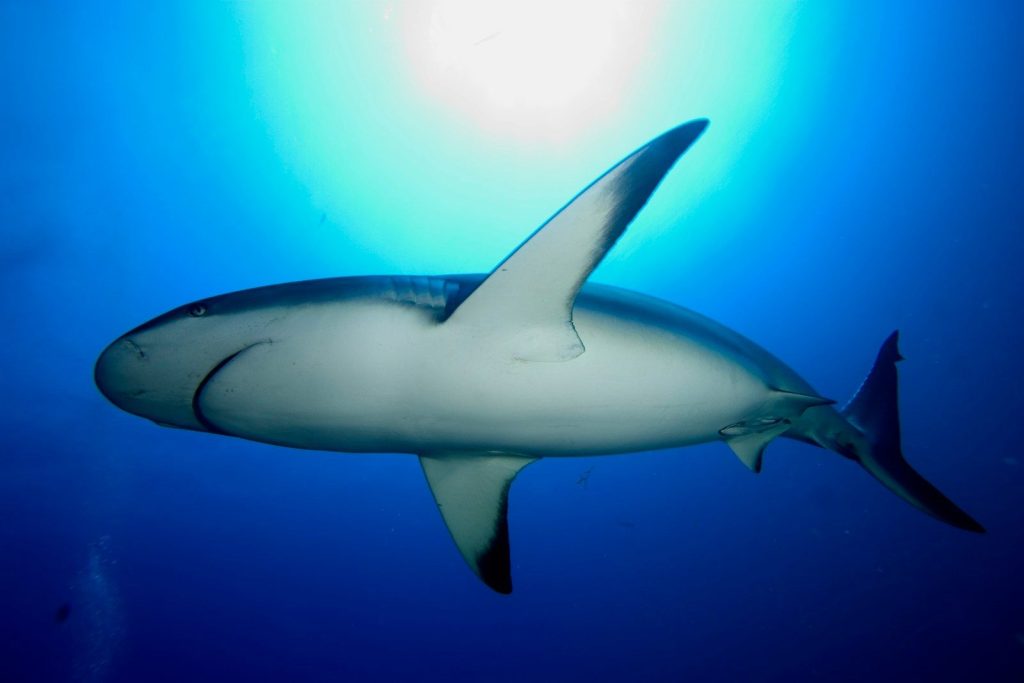
One of the most fascinating parts of these attacks is the hunting strategy itself. Orcas often flip sharks upside down, triggering a condition called tonic immobility.
This temporary paralysis leaves the shark helpless and unable to defend itself while the orcas move in for the kill.
Teamwork Makes the Attack Deadly
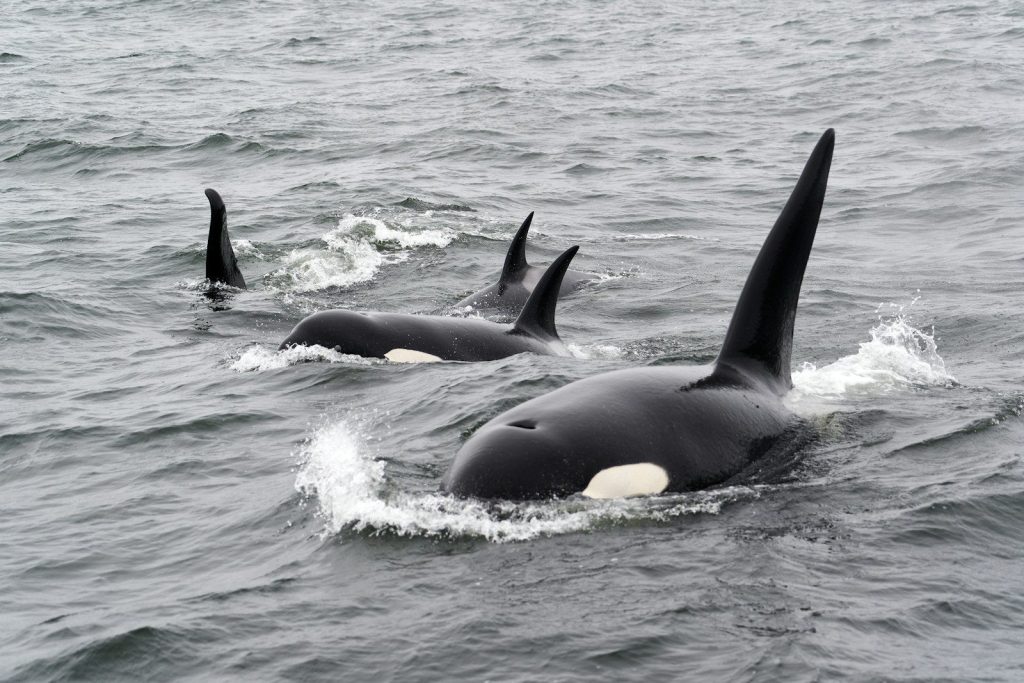
Unlike solitary sharks, orcas hunt cooperatively in highly organized pods. During attacks, different whales may take turns controlling the shark and sharing the liver afterward.
Scientists believe these advanced hunting techniques are passed between generations through social learning.
Great Whites Are Changing Their Behavior
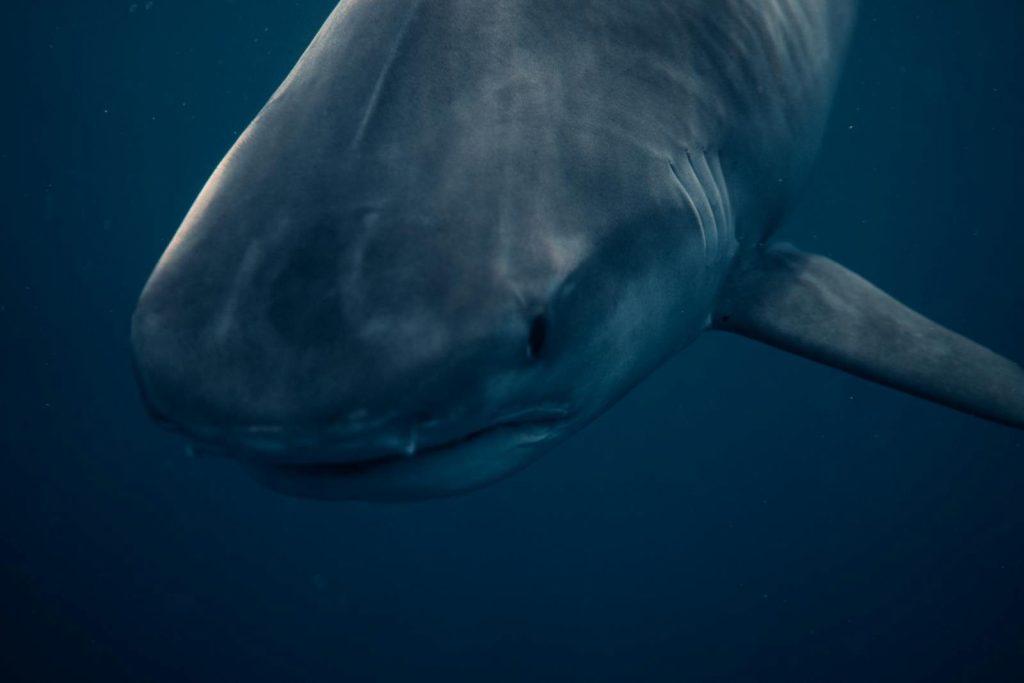
In regions like South Africa, researchers noticed great white sharks abandoning traditional hunting grounds after orca attacks increased.
Some scientists suspect sharks can recognize danger from the scent of injured sharks or previous encounters with killer whales.
Orcas Continue Expanding This Hunting Pattern
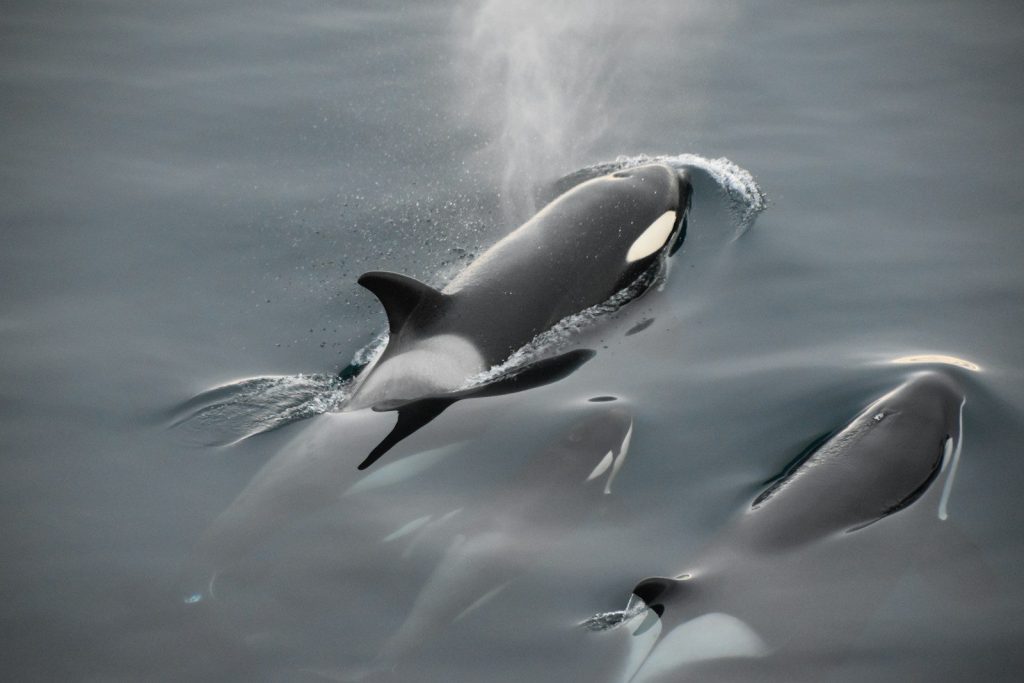
This behavior was once considered rare, but sightings have now been documented in South Africa, Australia, California, and Mexico.
Marine researchers think warming oceans and shifting shark habitats may increase future encounters between the two predators.
Nature’s Most Intelligent Marine Hunters
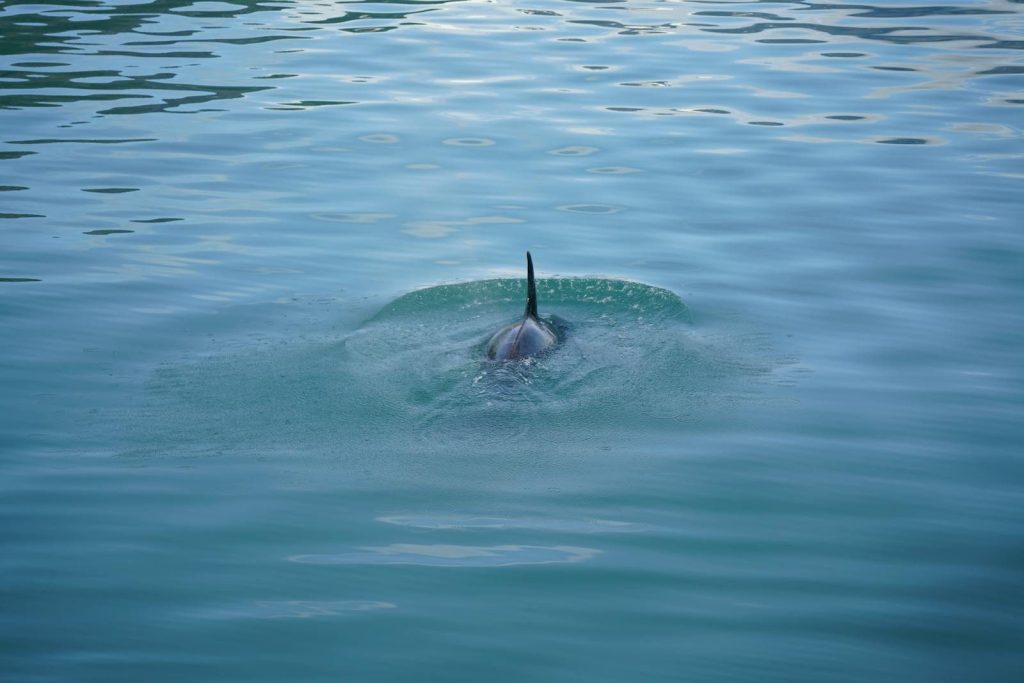
The precision and strategy behind these hunts reveal how intelligent orcas truly are. They are not attacking randomly, they are selecting the most valuable part of one of the ocean’s top predators.
These encounters are reshaping how scientists understand marine food chains and proving that even great white sharks are not untouchable in the wild.