Laughter is often thought of as a uniquely human trait, but research in animal behavior suggests that several species produce vocalizations that resemble laughter during play or social bonding Animal. These sounds are usually linked to excitement, communication, or stress release rather than humor in the human sense.
Scientists study these behaviors to better understand emotional expression in animals and how social species communicate positive feelings. Here are some animals known for producing laughter like sounds or playful vocalizations.
Great Apes
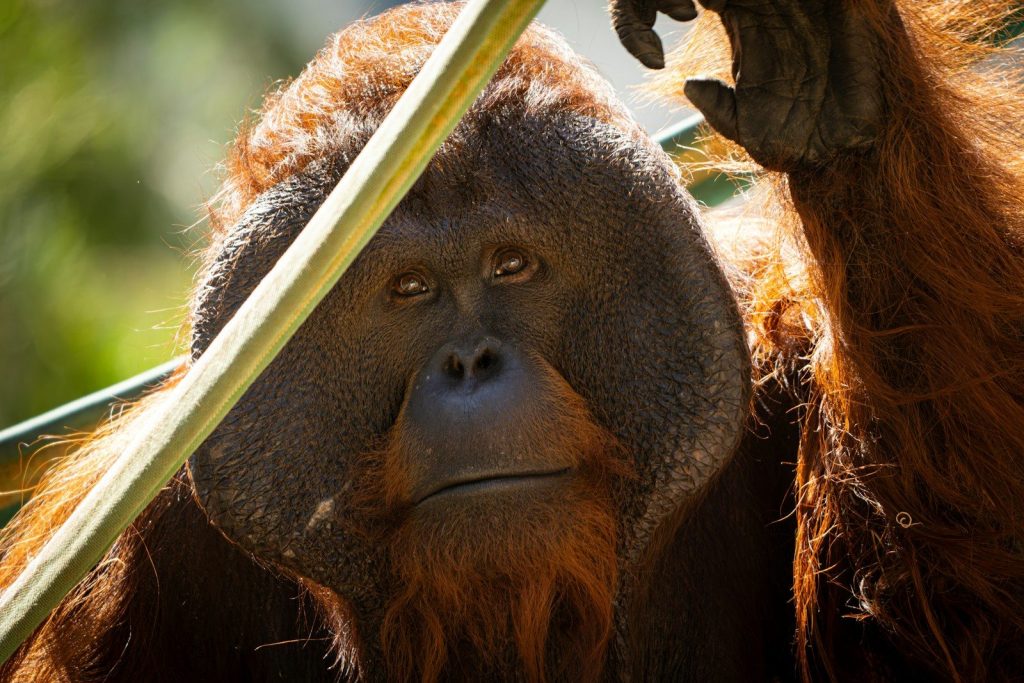
Great apes such as chimpanzees and bonobos produce panting vocalizations during play that closely resemble human laughter. These sounds often occur during tickling or social interaction.
These vocalizations help strengthen social bonds within groups. They are considered one of the closest evolutionary parallels to human laughter.
Rats
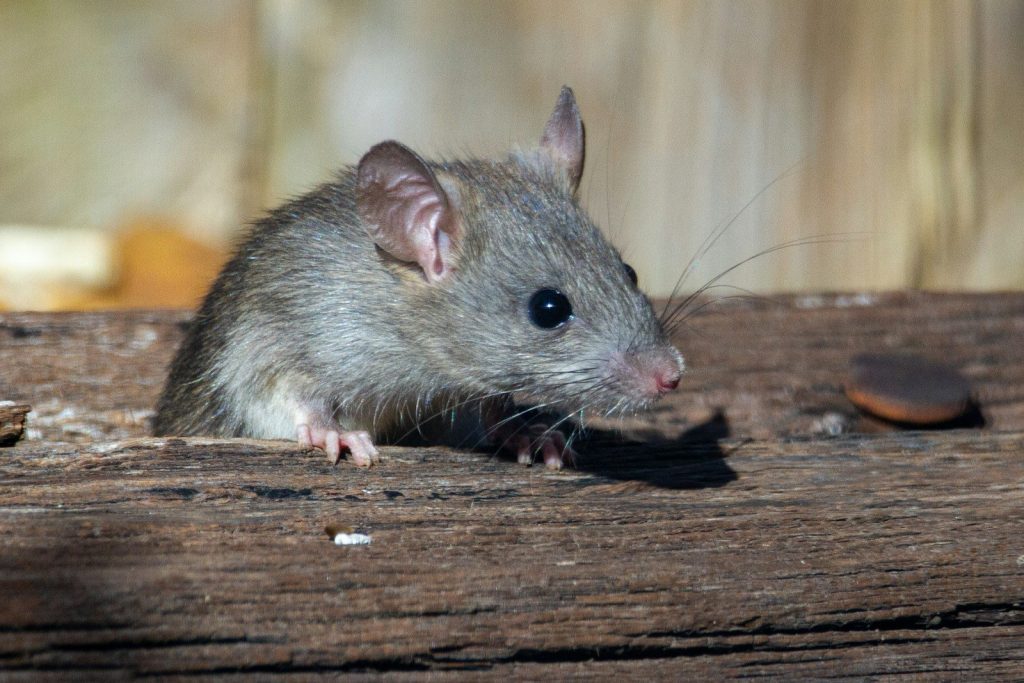
Rats emit high frequency chirping sounds during play, which are often interpreted as a form of laughter. These sounds are usually too high pitched for humans to hear without specialized equipment.
Research suggests that these vocalizations are associated with positive emotional states. Rats often produce them when interacting socially or being tickled.
Dolphins
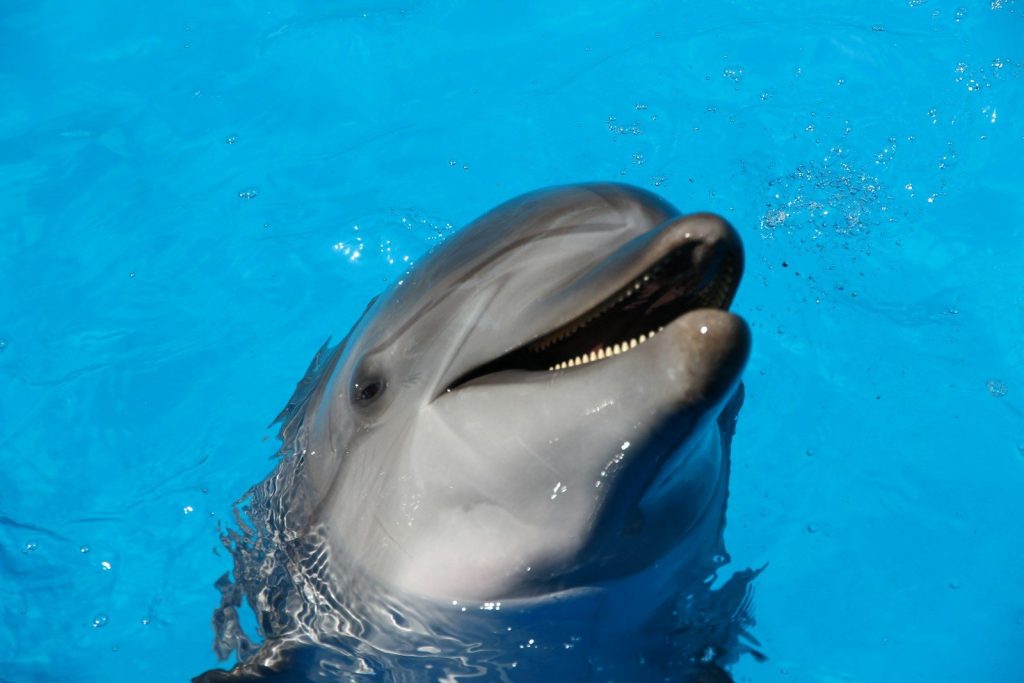
Dolphins are highly social marine mammals that use a variety of sounds for communication, including playful clicks and whistles Dolphin. Some of these vocalizations are associated with social bonding and play.
While not laughter in the human sense, these sounds often occur during playful interactions. Dolphins are known for their complex emotional behavior.
Dogs

Dogs sometimes produce breathy panting sounds during play that resemble laughter. These “play puffs” are often used as signals to other dogs that interactions are friendly Dog.
This behavior helps reduce tension and encourage continued play. It is an important part of canine social communication.
Hyenas
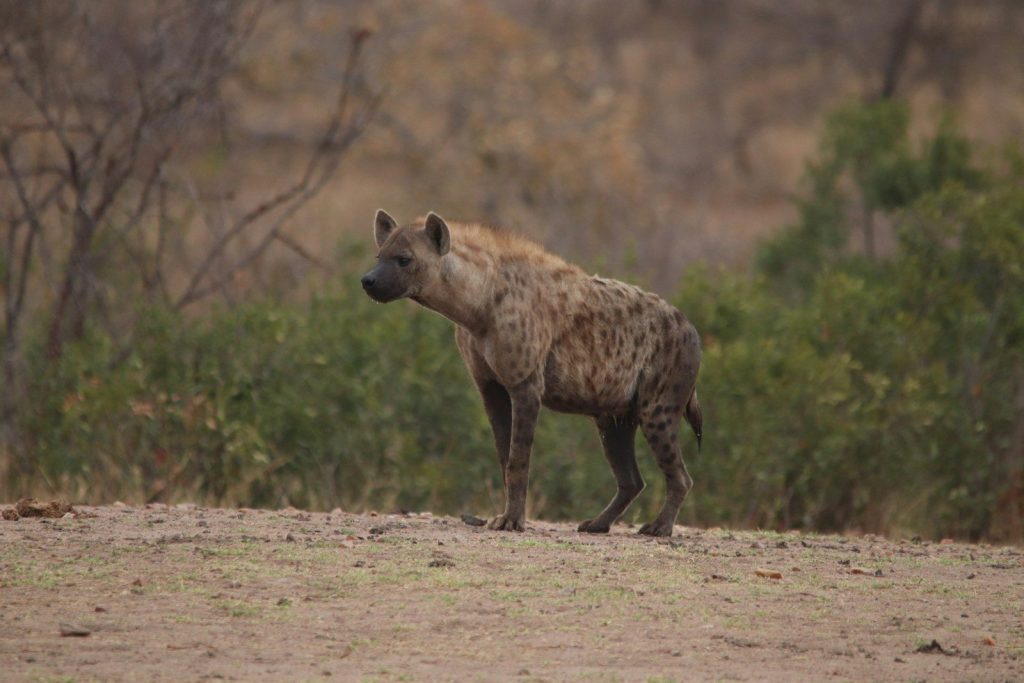
Hyenas are known for their distinctive vocalizations that sound like high pitched giggles. These sounds are often produced during social interactions or when animals are excited or stressed.
Despite the association with laughter, these vocalizations serve complex communication purposes. Hyenas are highly social and intelligent predators.
Foxes
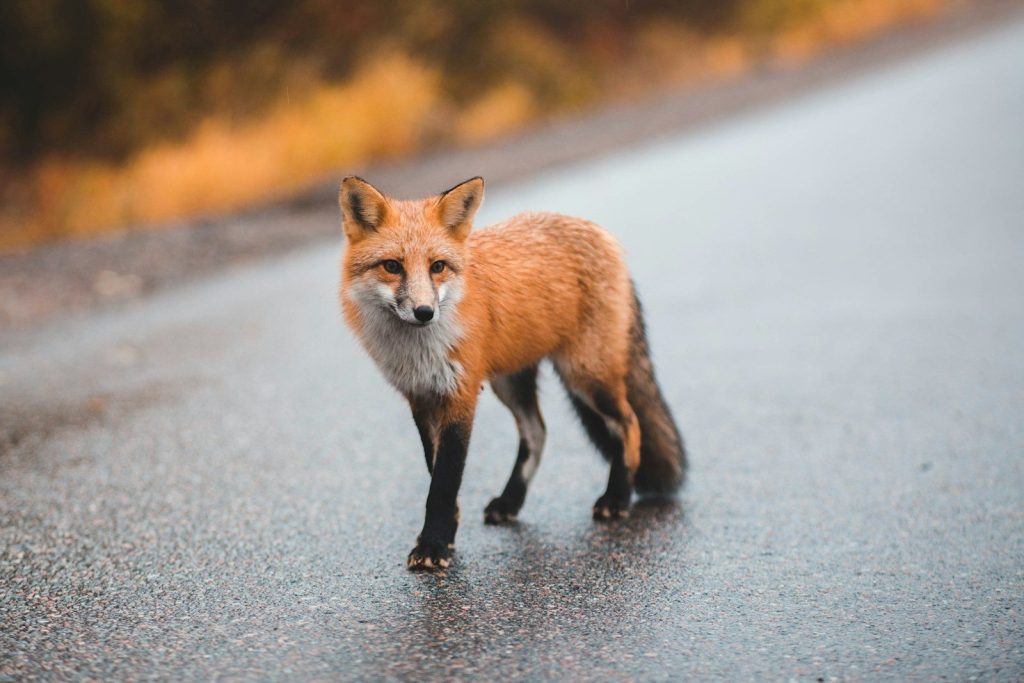
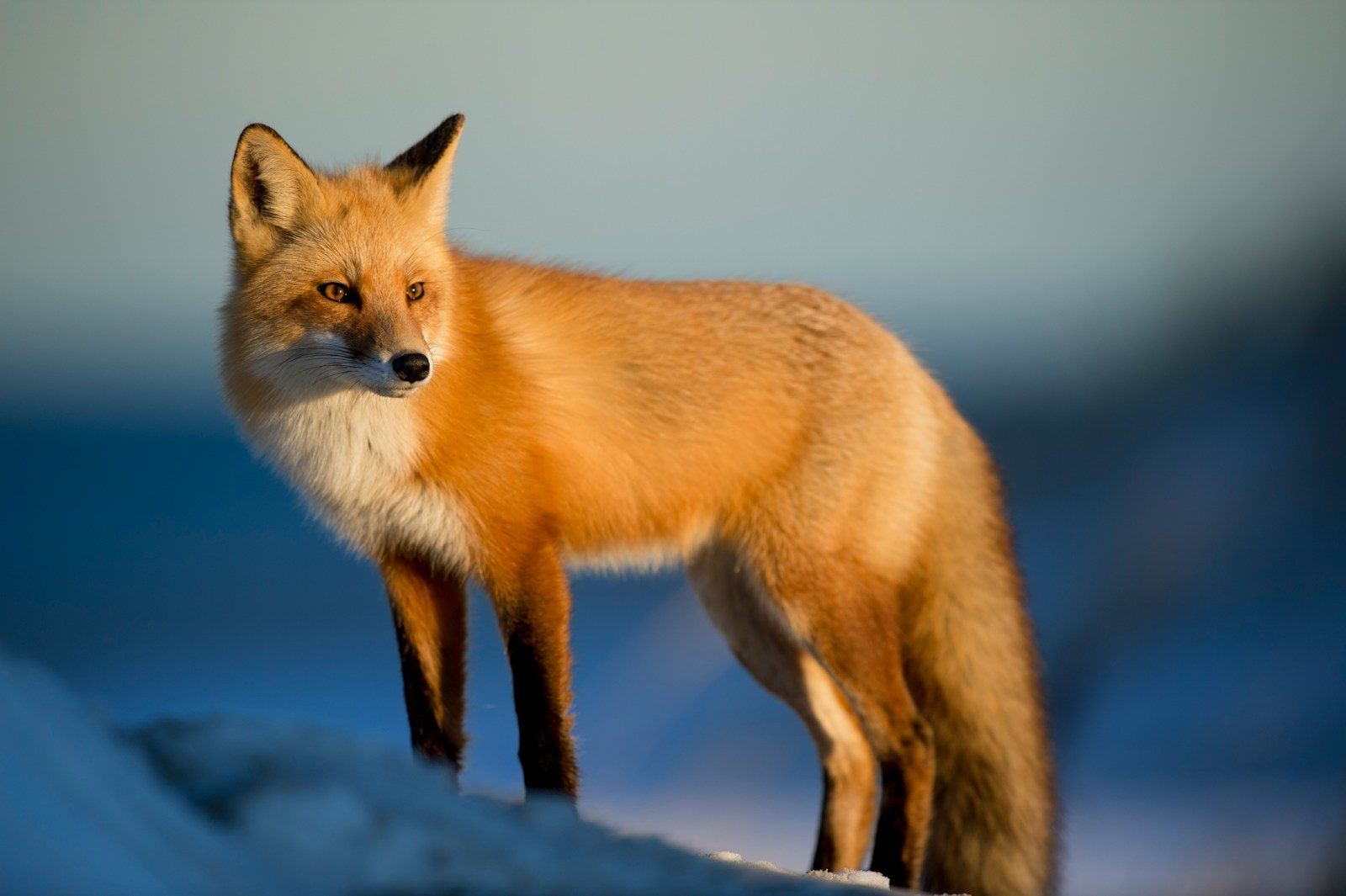
Foxes sometimes produce short, sharp vocalizations during playful or social behavior. In some contexts, these sounds may resemble laughter to human ears.
These vocalizations help with communication among individuals. Foxes are adaptable animals with a wide range of expressive sounds.