Many dog owners are surprised when they find their pets hiding food in corners of the house or burying treats in the garden Dog. While this behavior can seem odd in a modern home environment, it is actually deeply rooted in natural instincts inherited from wild ancestors.
In most cases, food hiding is not a sign of illness or behavioral problems. Instead, it reflects survival instincts that once helped animals cope with uncertain food availability.
Natural Instinct to Store Food
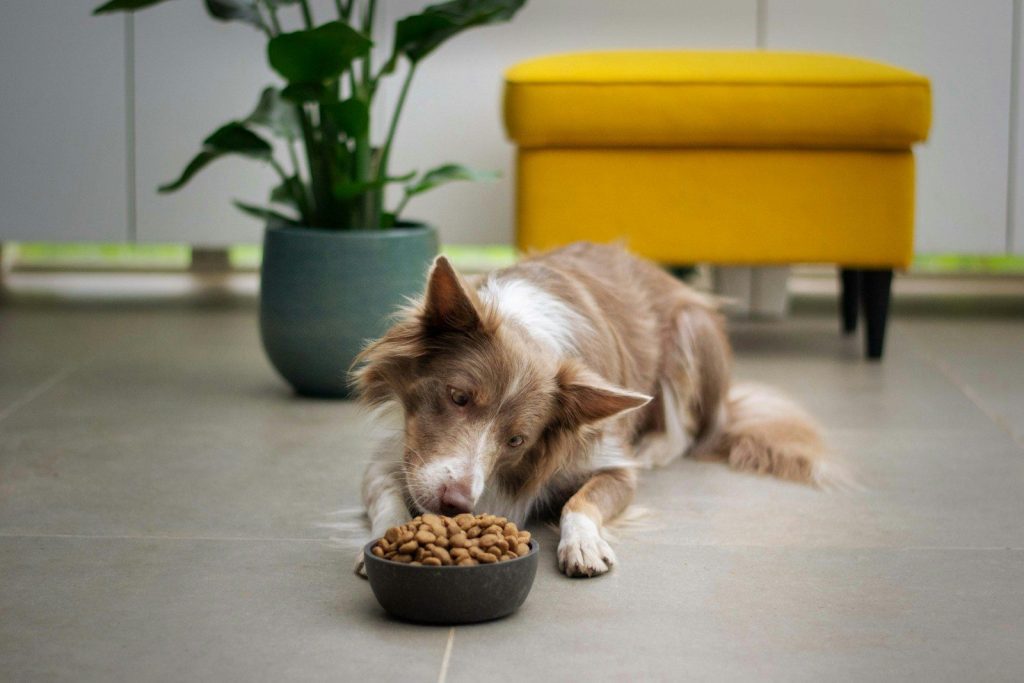
Dogs may hide food as a leftover instinct from their wild ancestors, who often had to compete for meals. By saving food for later, they increased their chances of survival during times of scarcity.
Even domesticated dogs retain this behavior today. It is especially common in breeds or individuals with strong food driven instincts.
Overabundance of Food at Home
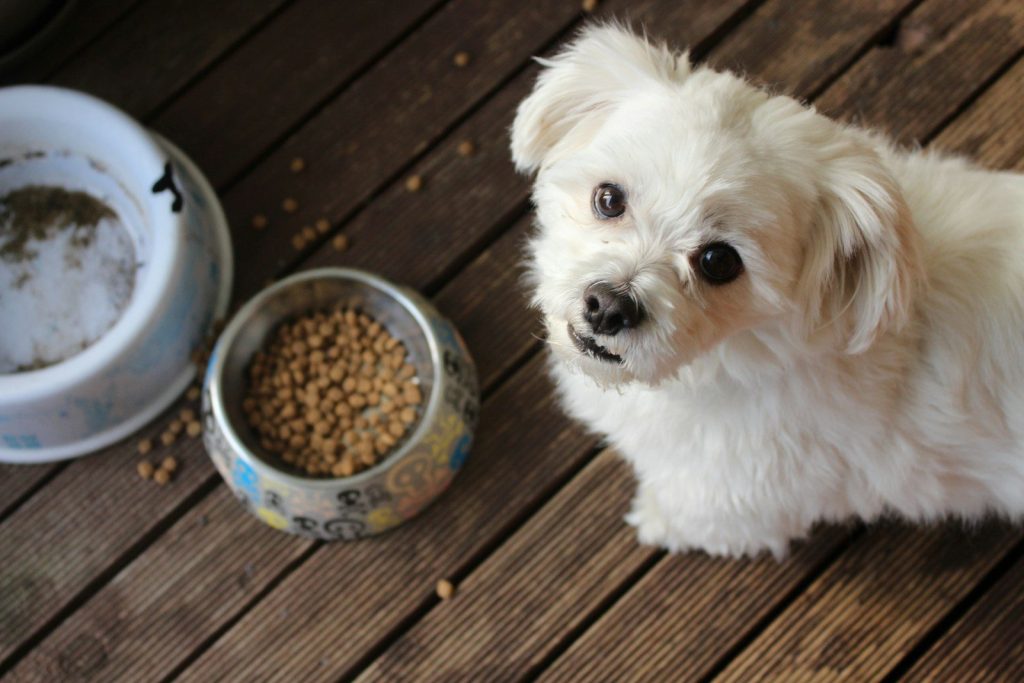
In modern households, dogs are often given more food than they can immediately consume. This can trigger natural “storage” behavior where they attempt to save excess food for later.
The behavior is more noticeable when dogs are given treats or large portions. It is usually harmless in well fed pets.
Anxiety or Resource Guarding
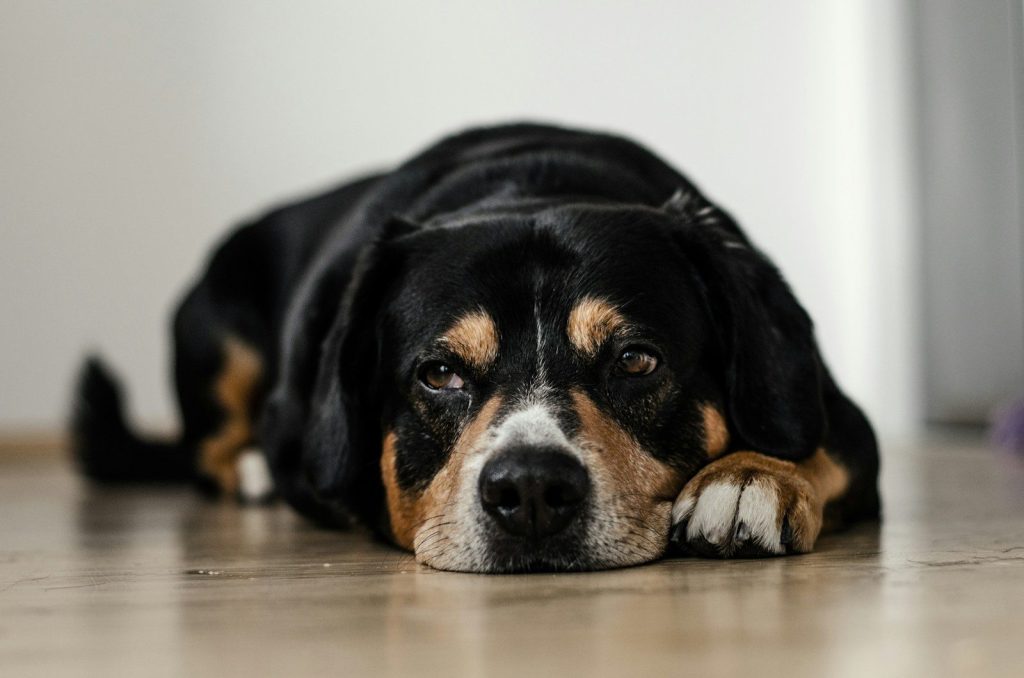
Some dogs hide food because they feel insecure about when their next meal will come. This can be linked to anxiety or resource guarding behavior.
Dogs with this tendency may become protective of their food hiding spots. Understanding the emotional cause is important for addressing it properly.
Breed and Personality Differences
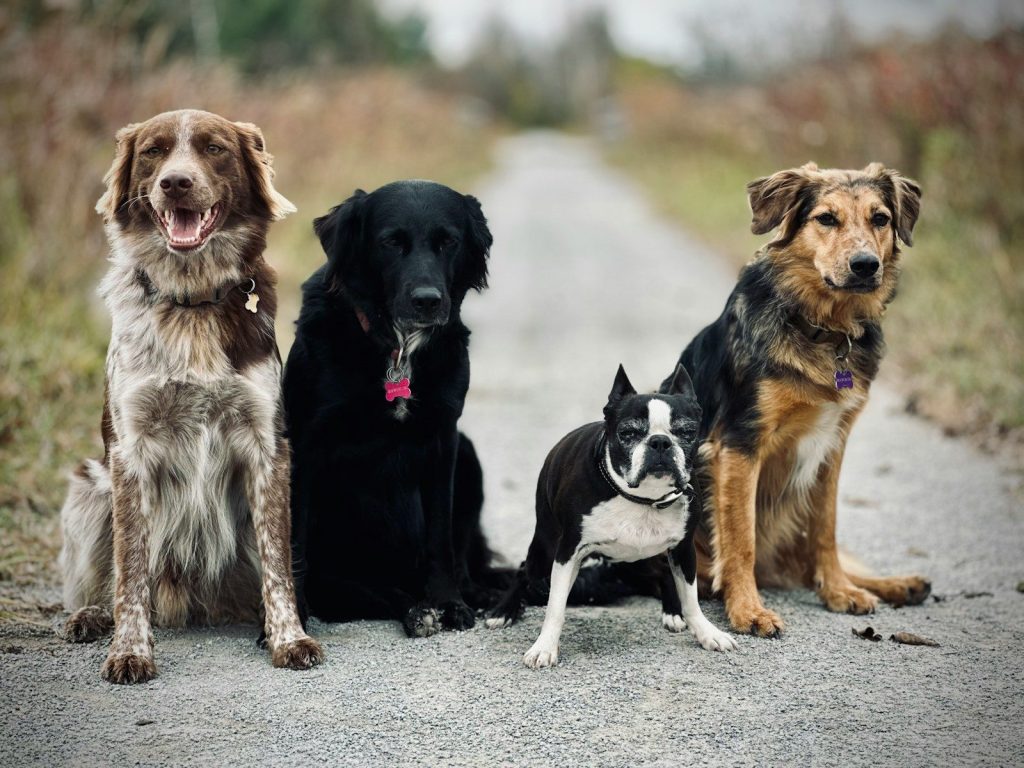
Certain dogs are more prone to food hiding behavior due to their breed characteristics or individual temperament Dog. Working and hunting breeds, in particular, may display stronger instinctual caching behaviors.
Each dog has a unique personality that influences how strongly this behavior appears. Some may never do it, while others do it frequently.
When Food Hiding Becomes a Problem
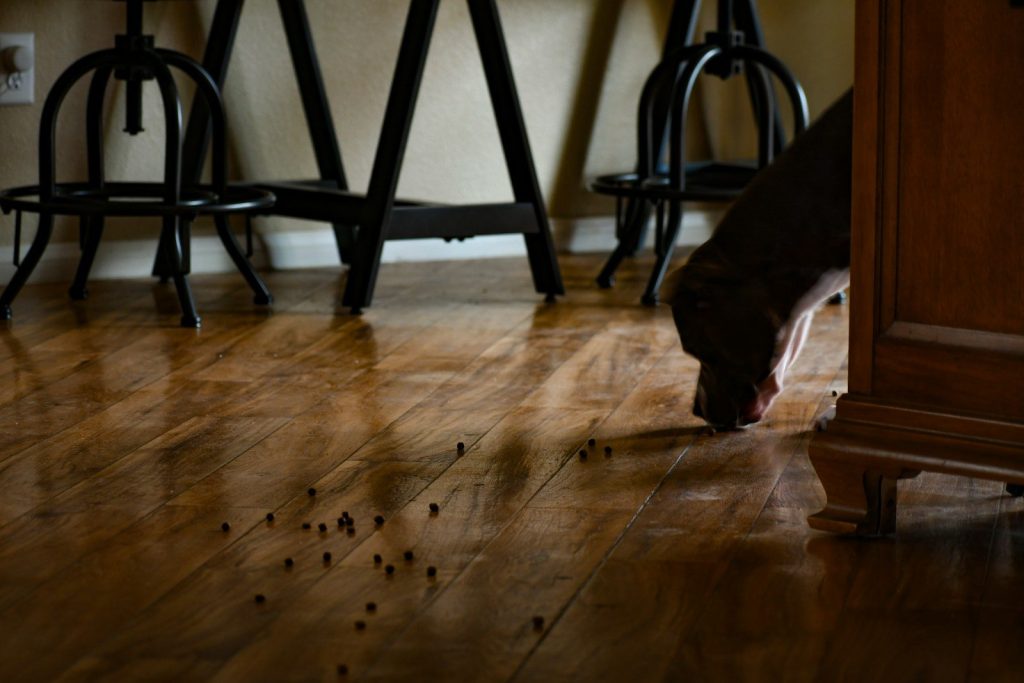
Food hiding becomes a concern when it is linked with anxiety, excessive guarding, or refusal to eat normally. It may also indicate stress in the household environment.
If a dog suddenly starts hiding large amounts of food or becomes defensive, it may be worth consulting a veterinarian or behavior specialist. Sudden behavioral changes should always be monitored.
How Owners Can Manage the Behavior
Providing consistent feeding schedules can help reduce the urge to hide food. Removing uneaten food after meals can also discourage storing behavior.
Ensuring a calm and predictable environment helps reduce anxiety driven behaviors. Mental stimulation and regular exercise are also important for balanced behavior.