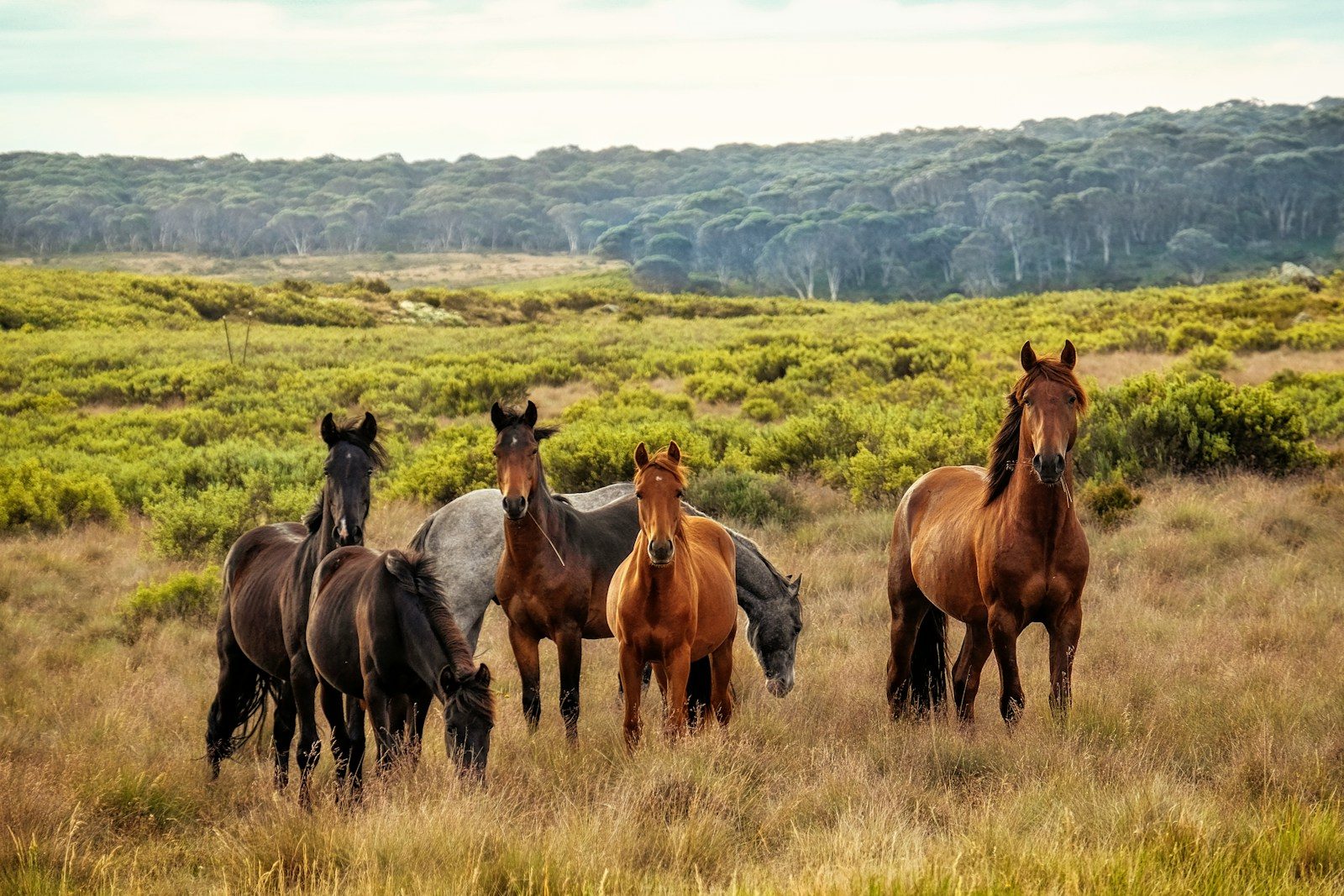
Along the windswept shores of Maryland’s coast, wild horses still roam freely across sandy beaches, marshes, and dunes. These famous horses have survived storms, harsh winters, and centuries of changing landscapes while becoming one of the most unique wildlife attractions in the United States.
Their presence creates a rare scene where untamed animals walk calmly through one of America’s most scenic coastal environments.
A Coastal Tradition That Never Disappeared
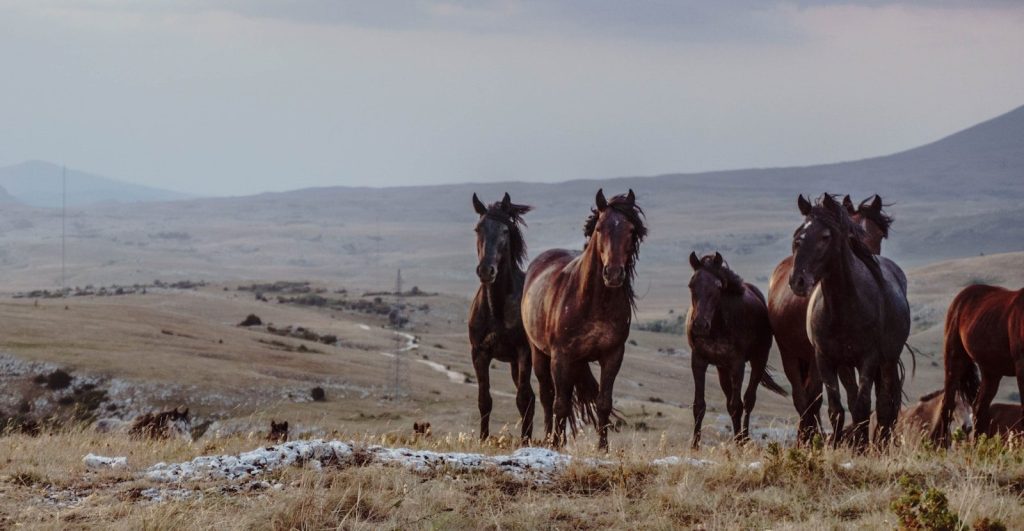
The wild horses of Maryland have lived near the Atlantic coastline for centuries. Legends suggest their ancestors may have arrived from shipwrecked Spanish horses long ago.
Over time, the animals adapted to harsh coastal conditions and became part of the region’s identity and history.
Life on the Edge of the Atlantic
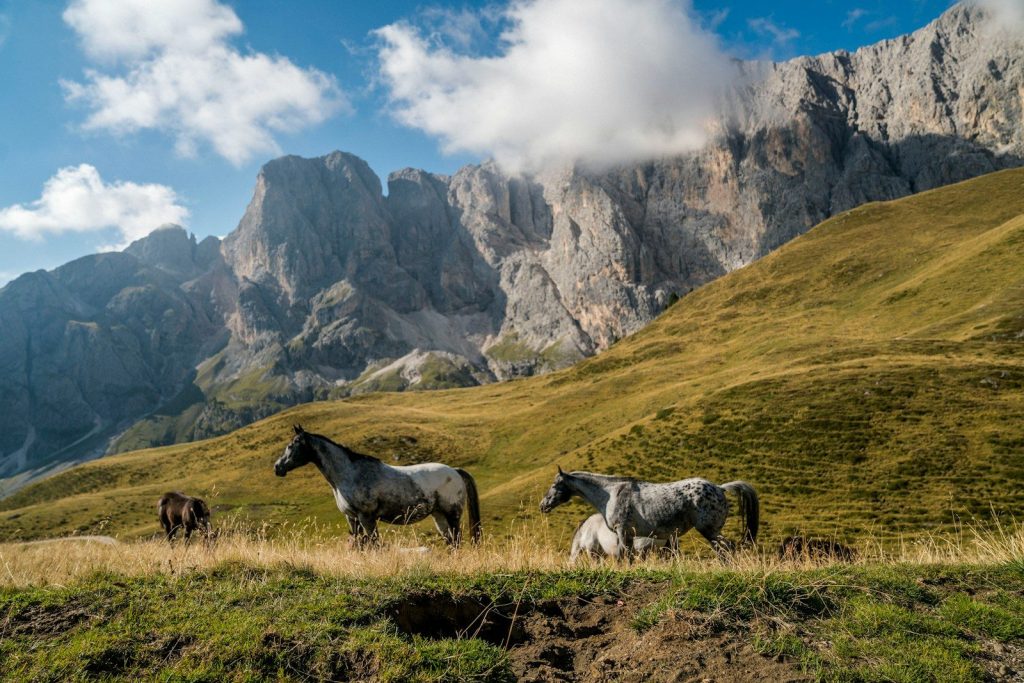
Living near the ocean is not easy for large animals. Strong winds, saltwater exposure, and limited freshwater sources create constant survival challenges.
Despite this, the horses have learned to survive by grazing on salt-tolerant grasses and navigating marshlands with ease.
Assateague Island’s Famous Wild Herds
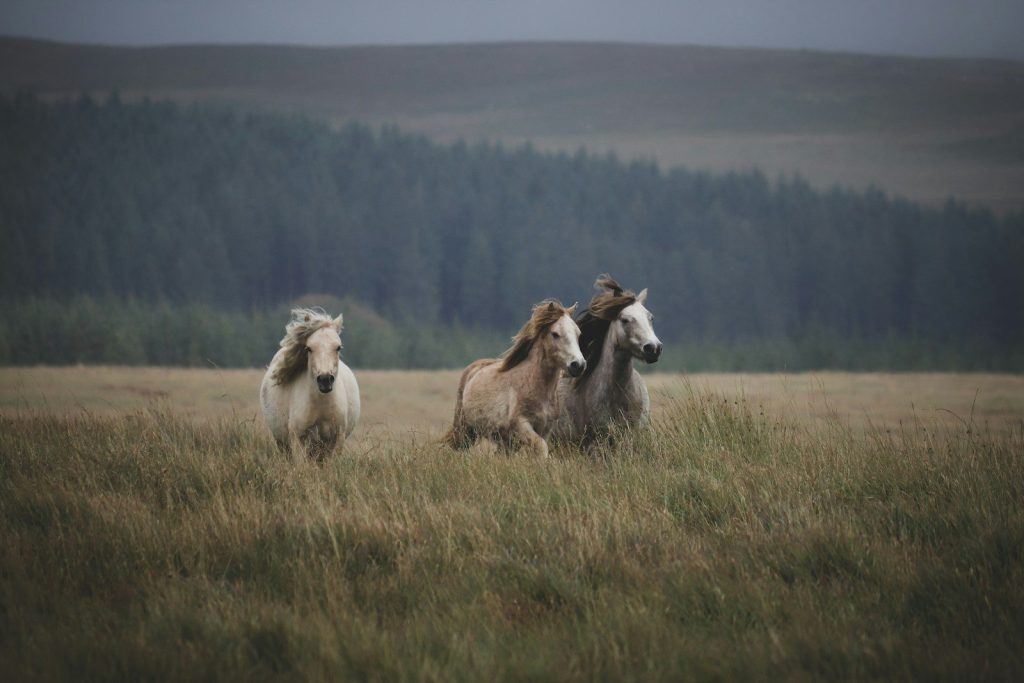
Many of these horses are associated with Assateague Island, a barrier island known for its beaches and protected wildlife habitats.
Visitors often spot horses wandering near dunes, crossing roads, or resting along the shoreline during calmer hours of the day.
Why Tourists Must Keep Their Distance
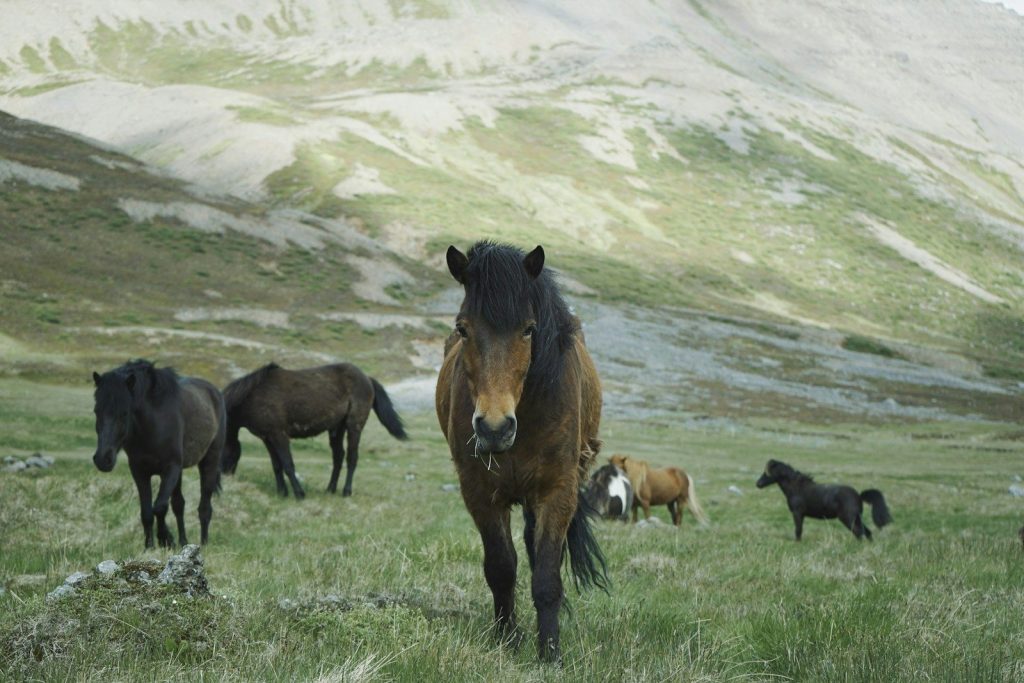
Although the horses appear calm, they are still wild animals. Park officials warn visitors not to feed or approach them too closely.
Human food can seriously harm the horses, and sudden interactions may stress animals that are used to surviving independently.
Storms and Harsh Weather Shape Their Survival
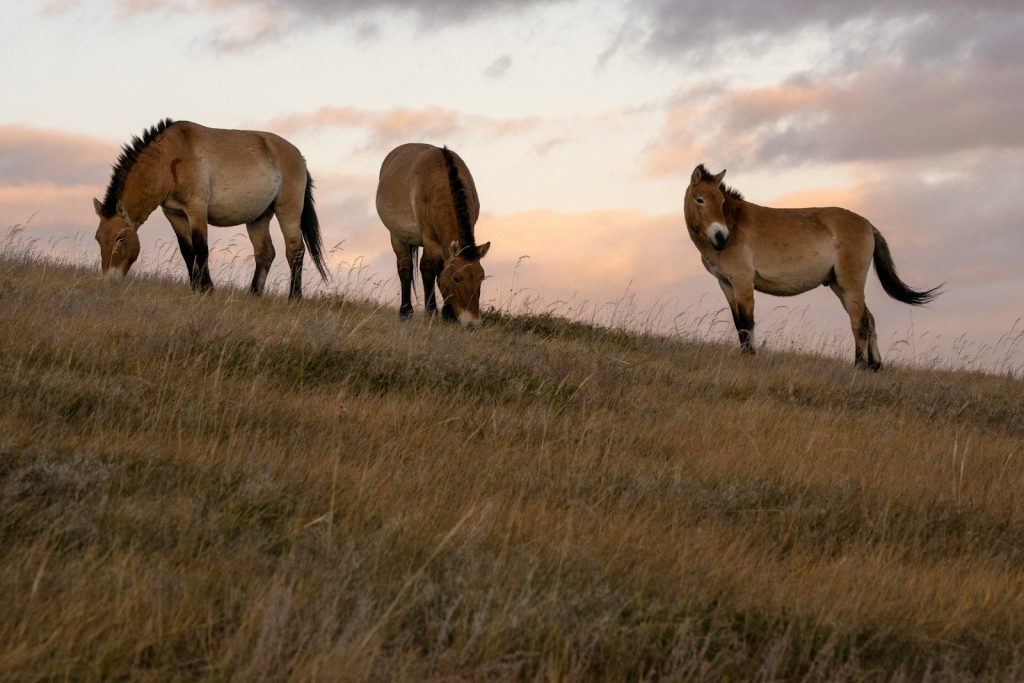
Coastal storms regularly flood parts of the island, forcing horses to move quickly between safer areas. Hurricanes and winter weather test the herd’s resilience every year.
Their survival depends on instinct, mobility, and generations of adaptation to unpredictable coastal environments.
The Horses Help Define the Landscape
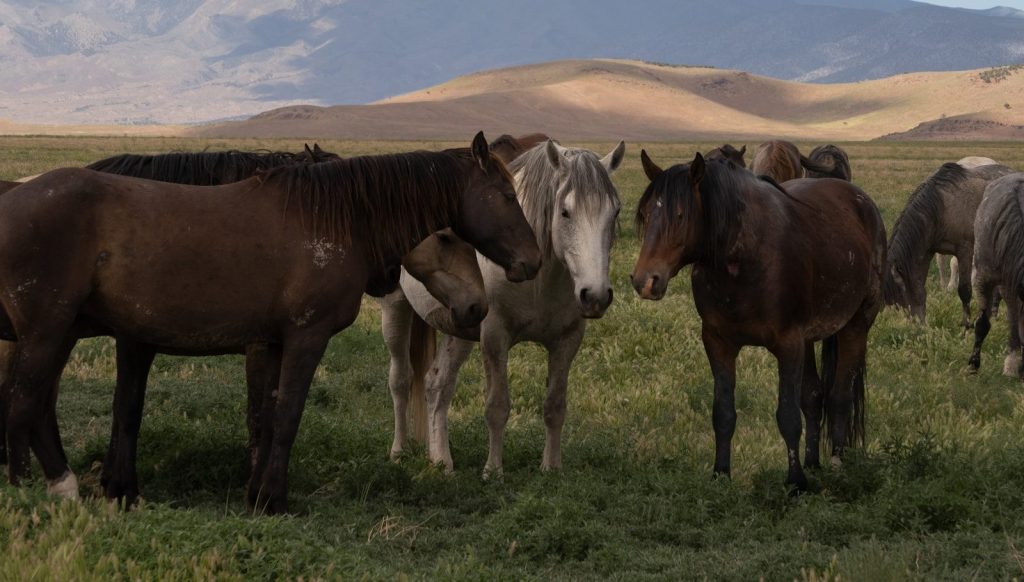
The grazing habits of the horses influence vegetation and open areas across the island. Their movement also contributes to the unique appearance of the coastal ecosystem.
Scientists continue studying how the herds interact with fragile beach habitats and native wildlife.
A Rare Sight in the Modern World
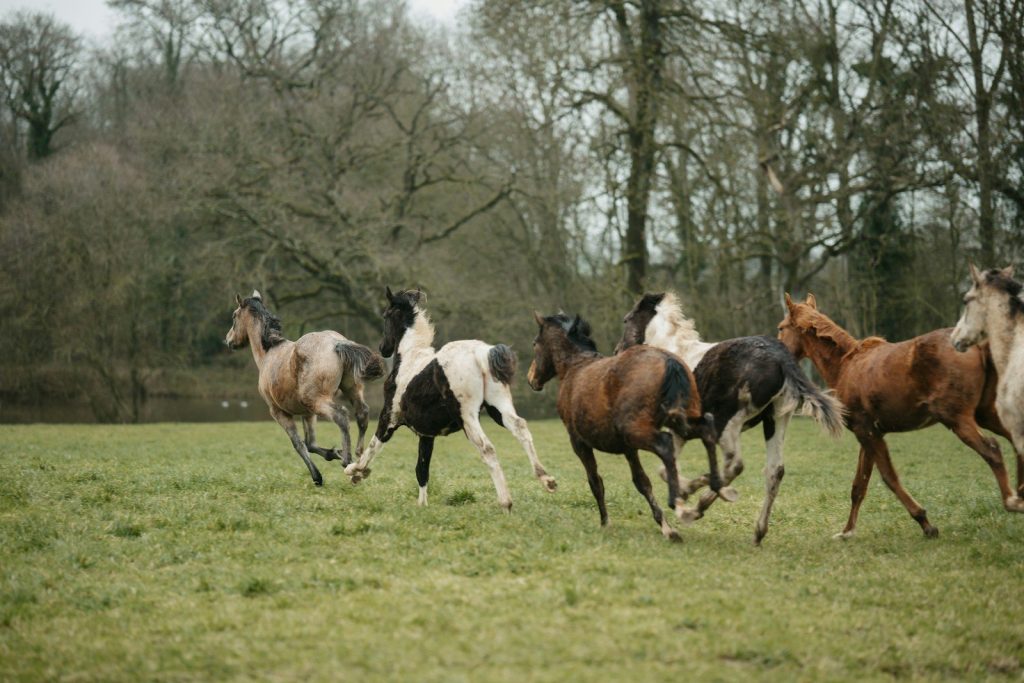
Few places in America still allow people to witness wild horses freely roaming ocean beaches. The Maryland herds represent a living connection between wildlife, history, and coastal survival.
For many visitors, seeing these animals emerge through ocean mist and sand dunes feels like stepping into another era untouched by modern life.