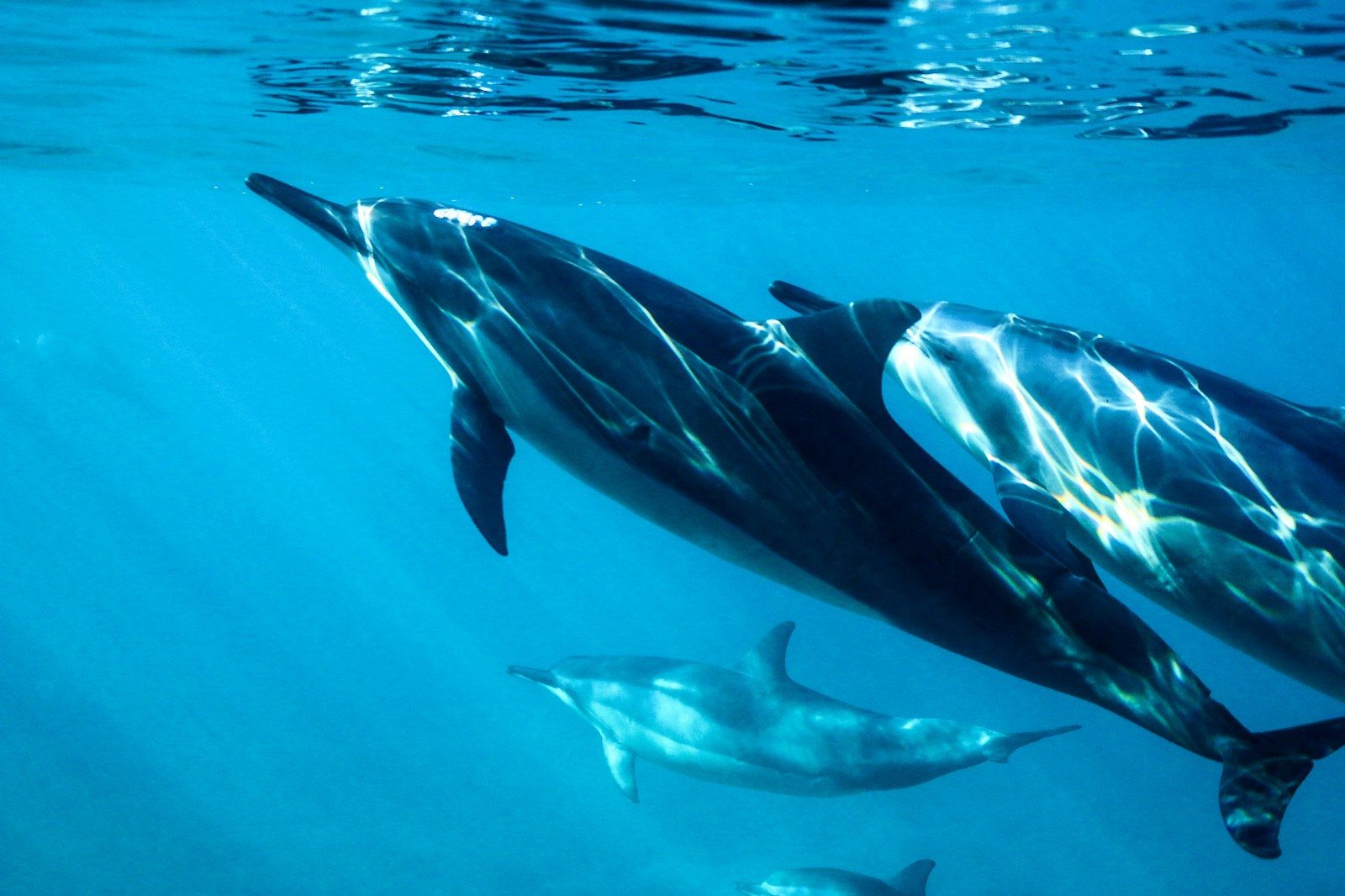
A sweeping citizen science effort has brought thousands of eyes to Australia’s coastline in a bid to better understand dolphin populations like never before. From cliffs, boats, kayaks, and beaches, volunteers united for a simple mission: watch, count, and report every dolphin they could see. The result is a rare snapshot of marine life across an entire state. Early encounters already hint at healthy pods, active social groups, and complex coastal ecosystems still largely uncharted.
A Coastal Mission Powered by Citizen Scientists
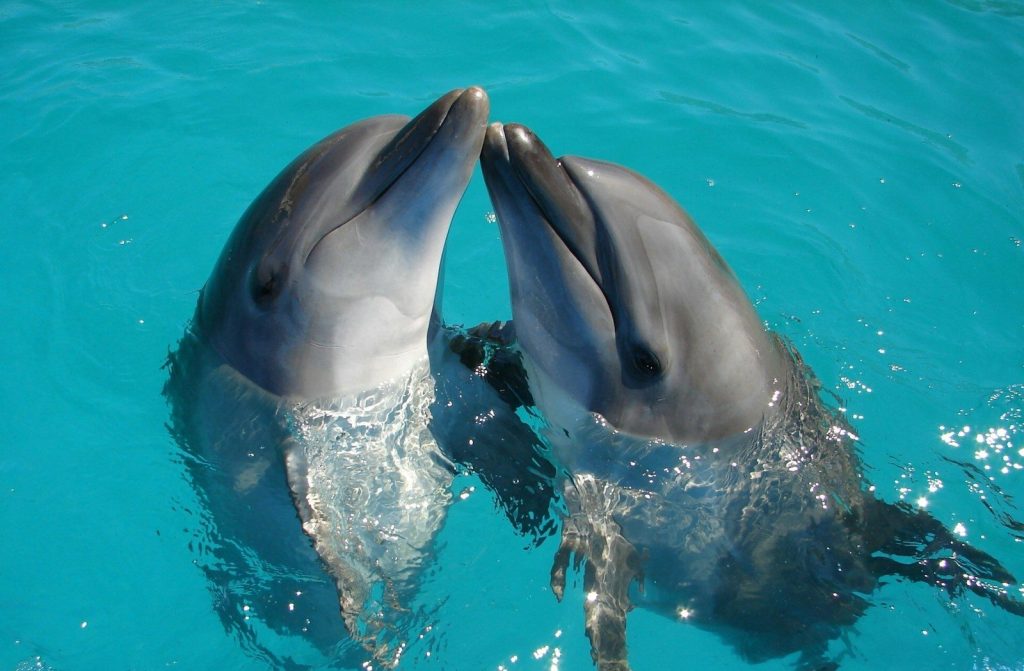
More than 500 volunteers signed up to take part in the first statewide dolphin census in New South Wales. After completing short training, they spent at least 15 minutes observing the ocean from wherever they stood. Some watched from high coastal cliffs while others paddled quietly in kayaks or joined boat teams offshore. Each sighting contributed to building a clearer picture of dolphin distribution along the vast coastline.
Up Close With the Dolphins
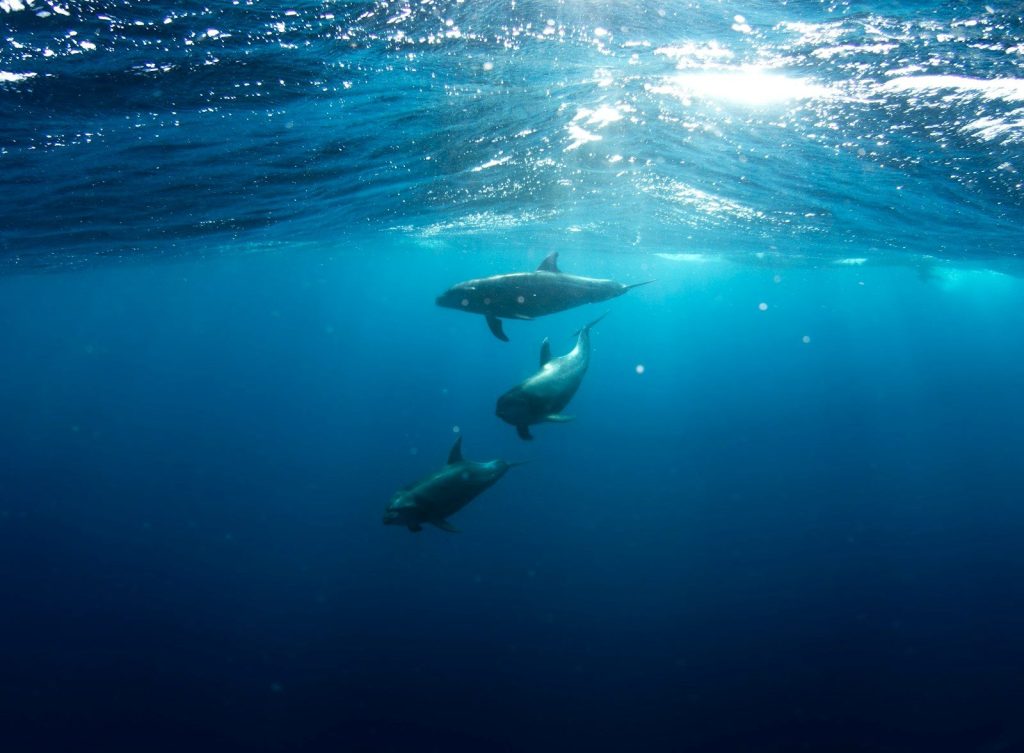
Researchers documented multiple pods during the effort, including groups of 11 and 14 dolphins, some with newborn calves. These close encounters offered more than just numbers—they revealed behavior, movement, and social bonds. Scientists use dorsal fin markings like fingerprints to identify individuals over time. These natural patterns help track dolphins across years, sometimes even decades.
Why Dolphins Matter to Ecosystems
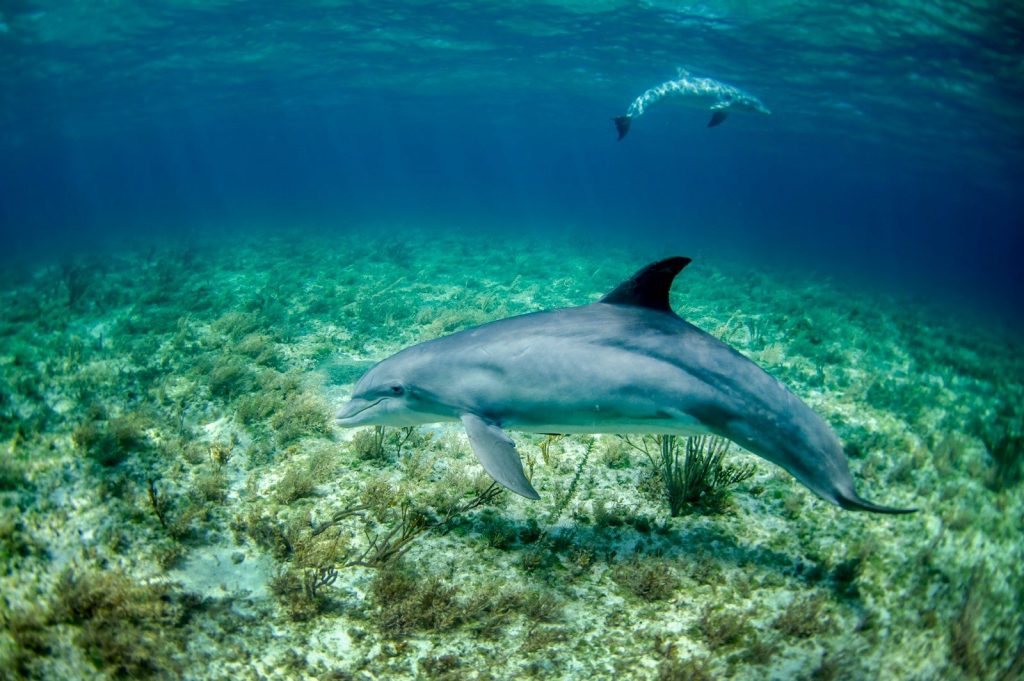
Experts describe dolphins as indicators of ocean health because they depend on stable food sources and clean waters. Their presence often reflects the overall condition of marine environments. If dolphin populations decline or disappear, it can signal deeper ecological problems. That is why monitoring them helps scientists detect environmental change early.
Climate Change and Coastal Pressures

Researchers warn that shifting ocean temperatures and currents could reshape dolphin habitats along the NSW coast. These changes may affect prey availability and migration patterns. Other threats include pollution, fishing activity, and disease. Together, they create a complex set of challenges for marine life survival.
What the Census Reveals About Dolphin Communities

Early observations suggest some areas may host 400 to 500 dolphins in regions like Byron Bay alone. Across the full coastline, however, total numbers remain uncertain. Different species also form distinct coastal communities tied to specific habitats. This makes local monitoring essential for understanding population structure.
A Growing Connection Between People and Sea Life
Many participants described a strong emotional connection while observing dolphins in the wild. Their curiosity and intelligence often leave lasting impressions on human observers. Scientists hope this connection will encourage long term stewardship of coastal ecosystems. Continued public involvement may be key to protecting marine life in the future.