Skip to content

Recent Posts

  • Invasive Tegu Lizards Are Expanding Across The South And Raising New Wildlife Concerns
  • Elusive Goblin Shark Captured Alive In The Deep Ocean For The First Time
  • Why Wyoming’s Wolves Appear Larger Than Many Other Gray Wolves In The Lower 48
  • Shark Attack Off Florida Coast Sparks Fresh Debate About Human Encounters With Wildlife
  • Bear Sightings Surge Across Japan As Hungry Animals Venture Closer To Communities

Most Used Categories

  • Nature & Wildlife (258)
  • Risk (45)
  • Human Interest (20)
  • Hunting (17)
  • Survival (15)
  • Bees/Swarms fear (13)
  • Exotic Animals (10)
  • Suspense (6)
  • Adventure (3)
  • Gears (2)
Skip to content
  • About Us
  • Contact Us
  • Disclaimer
  • Privacy Policy
  • Terms & Conditions

Hive Hunters Tales

  • Suspense
  • Nature & Wildlife
  • Human Interest
  • Hunting
  • Bees/Swarms fear
  • Exotic Animals
  • Risk
  • Survival
  • Adventure
  • Gears
  • Home
  • Nature & Wildlife
  • Why Albino Animals Struggle to Survive in the Wild
white cat on green grass during daytime

Why Albino Animals Struggle to Survive in the Wild

JakeJune 14, 2026June 14, 2026

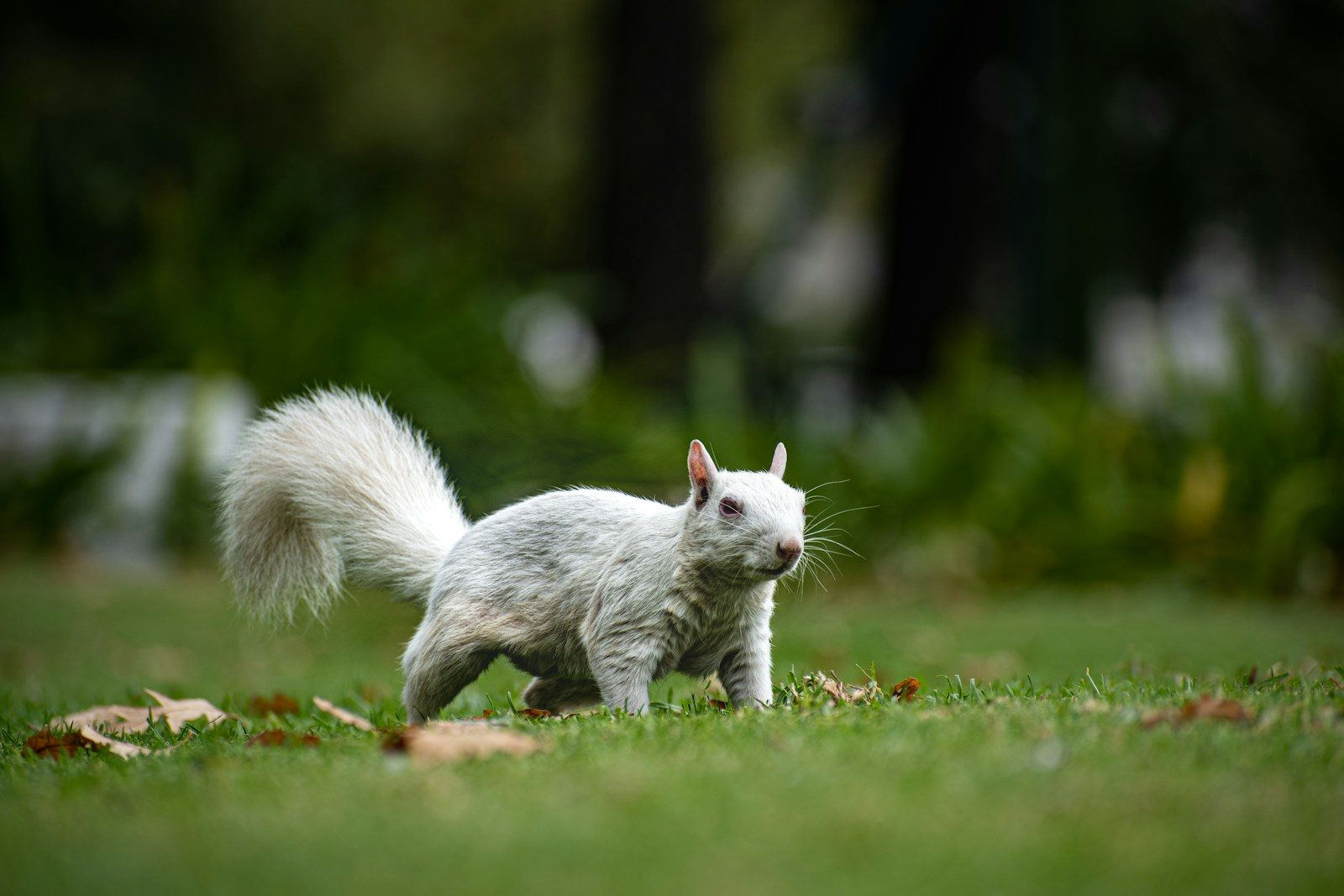
Albino animals often capture attention with their striking white appearance and pale features. While they may look unique and beautiful, albinism can create serious challenges in nature. From difficulty avoiding predators to problems with vision and social acceptance, albino animals face obstacles that make survival much harder than it is for their normally colored counterparts.

What Causes Albinism in Animals?
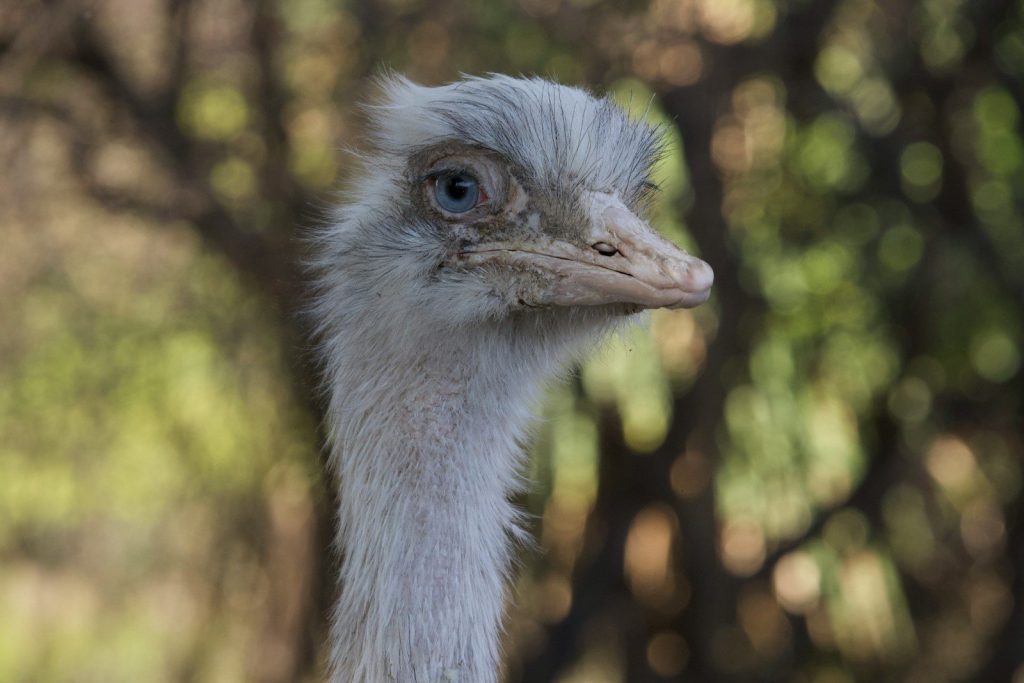
a close up of a bird
Photo by Chris Gouvernelle on Unsplash

Albinism is a genetic condition that prevents the body from producing enough melanin, the pigment responsible for coloring skin, fur, feathers, scales, and eyes. As a result, albino animals typically have white or pale coloration along with pink or light-colored eyes. The condition can occur in many species, including mammals, birds, reptiles, fish, and amphibians.

Camouflage Becomes a Major Challenge
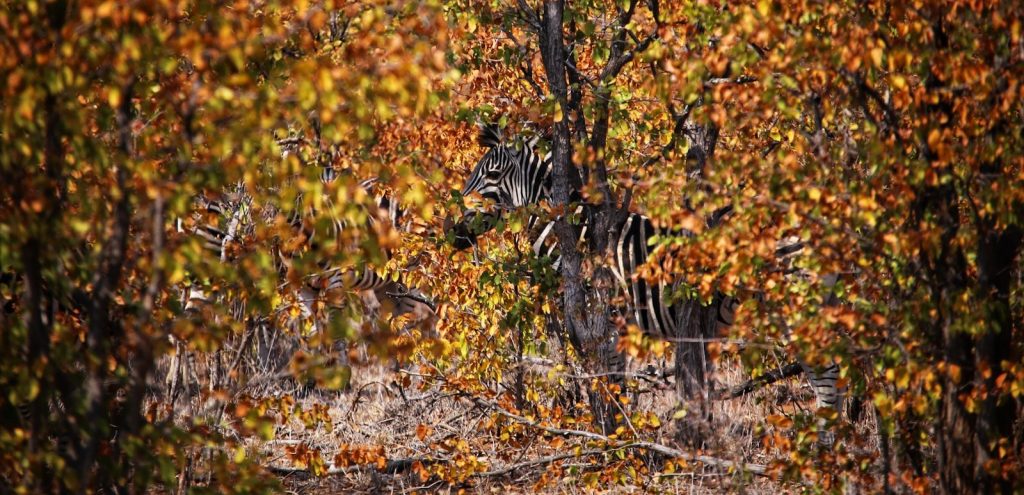
zebra standing on green grass during daytime
Photo by Bernd đź“· Dittrich on Unsplash

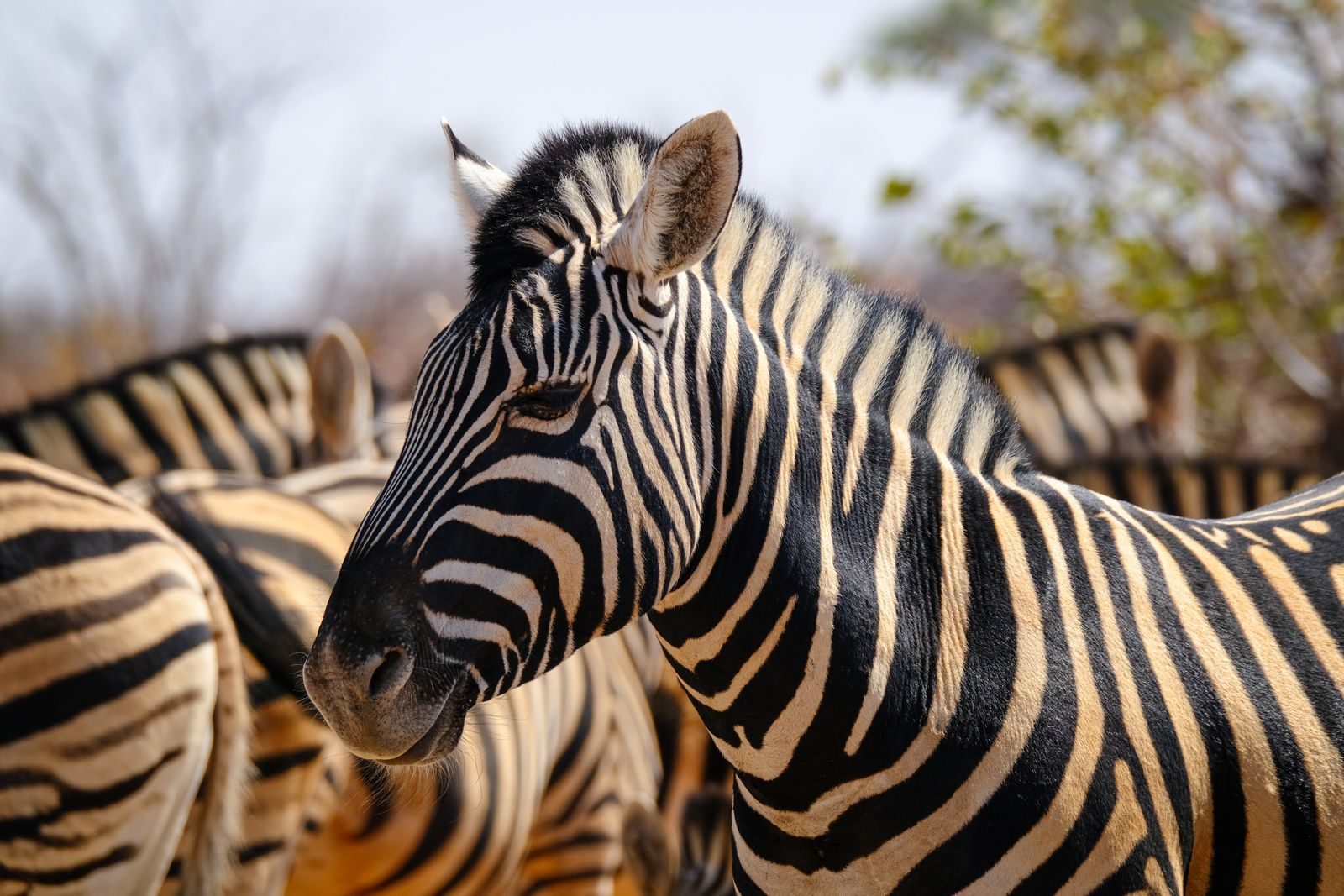
Many animals rely on their natural coloring to blend into their surroundings. Albino individuals stand out against forests, grasslands, deserts, and other habitats, making them easier for predators to spot. Predatory animals with albinism may also struggle to approach prey unnoticed, reducing their hunting success.

Vision Problems Can Affect Survival
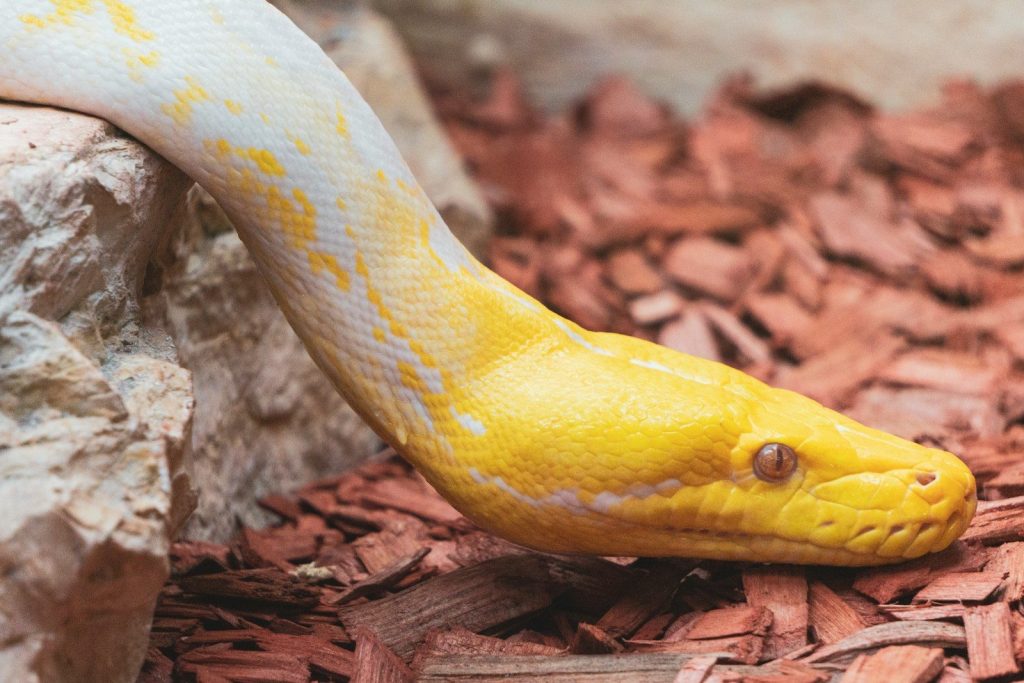
a yellow and white snake on a rock
Photo by Arnaud Padallé on Unsplash

Melanin plays an important role in healthy eye development. Many albino animals experience reduced vision, light sensitivity, or other eye-related issues. Poor eyesight can make it harder to locate food, avoid danger, navigate habitats, and interact with other members of their species.

Social Acceptance Is Not Always Guaranteed
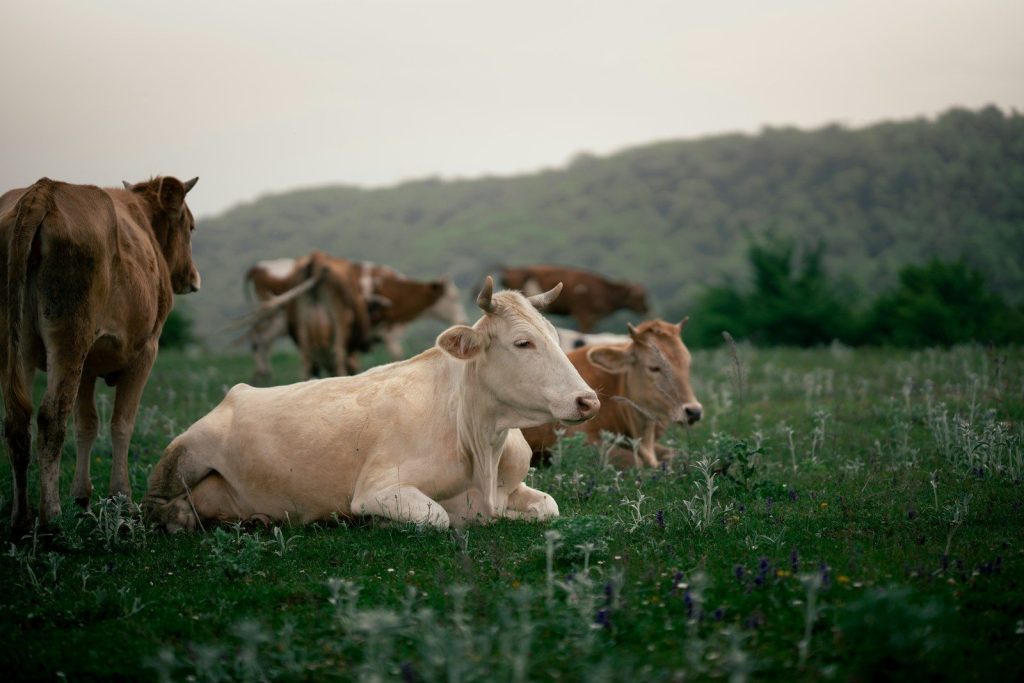
a herd of cattle standing and laying on a lush green field
Photo by Mushvig Niftaliyev on Unsplash

In some species, unusual coloration can influence social behavior. Albino animals may be treated differently by their own groups because they look unlike other individuals. This can affect mating opportunities, group integration, and overall social interactions, further reducing their chances of long-term survival.

Reaching Adulthood Can Be Difficult
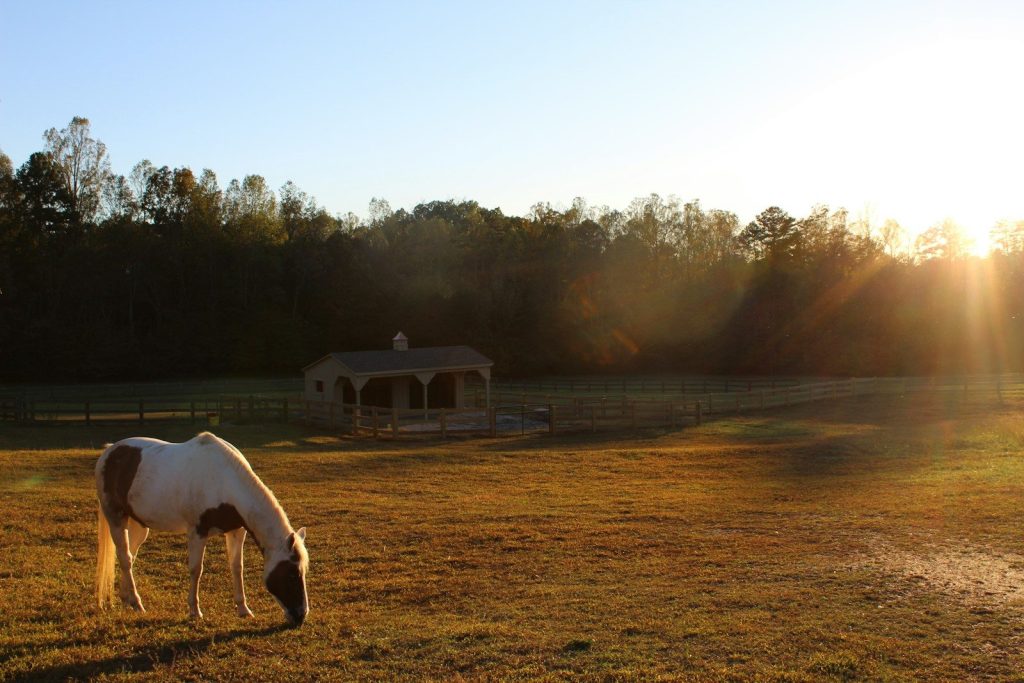
horse at the farm during daytime
Photo by Mauve W on Unsplash

Because of their visibility and physical challenges, many albino animals face lower survival rates in the wild. Predators often target them more easily, and environmental conditions such as intense sunlight can create additional health concerns. As a result, reaching maturity and reproducing can be more difficult than it is for animals with normal pigmentation.

Why Albino Animals Fascinate Scientists

woman in white medical scrub
Photo by DIANA HAUAN on Unsplash

Despite the challenges they face, albino animals provide valuable insights into genetics, evolution, and animal behavior. Researchers study these rare individuals to better understand how pigmentation affects survival and adaptation. Their appearance also reminds us of the incredible genetic diversity that exists throughout the natural world.
Post navigation

Previous: Can You Survive a Black Mamba Bite?
Next: Ethical Ways to Stop Animals Entering Your Yard

Related Posts

saw shark

Elusive Goblin Shark Captured Alive In The Deep Ocean For The First Time

June 18, 2026June 18, 2026 Jake
a lone wolf standing on top of a snow covered slope

Why Wyoming’s Wolves Appear Larger Than Many Other Gray Wolves In The Lower 48

June 18, 2026June 18, 2026 Jake
selective focus photography of shark

Shark Attack Off Florida Coast Sparks Fresh Debate About Human Encounters With Wildlife

June 18, 2026June 18, 2026 Jake

Leave a Reply Cancel reply

Your email address will not be published. Required fields are marked *

Recent Posts

  • Invasive Tegu Lizards Are Expanding Across The South And Raising New Wildlife Concerns
  • Elusive Goblin Shark Captured Alive In The Deep Ocean For The First Time
  • Why Wyoming’s Wolves Appear Larger Than Many Other Gray Wolves In The Lower 48
  • Shark Attack Off Florida Coast Sparks Fresh Debate About Human Encounters With Wildlife
  • Bear Sightings Surge Across Japan As Hungry Animals Venture Closer To Communities
Copyright All Rights Reserved | Theme: BlockWP by Candid Themes.