Skip to content

Recent Posts

  • Why You Should Never Take a Baby Wild Animal Home
  • Animals That Sometimes Become Intoxicated in the Wild
  • Could Your Pet Be Putting a Strain on Your Relationship?
  • First-Time Yak Mom Welcomes Adorable Baby Calf, and Her Shy First Hello Melts Hearts
  • Giant 3.2-Foot Scorpion Once Roamed Ancient Britain, Scientists Discover

Most Used Categories

  • Nature & Wildlife (515)
  • Risk (57)
  • Human Interest (28)
  • Hunting (18)
  • Survival (16)
  • Exotic Animals (14)
  • Bees/Swarms fear (13)
  • Suspense (7)
  • Adventure (3)
  • Gears (2)
Skip to content
  • About Us
  • Contact Us
  • Disclaimer
  • Privacy Policy
  • Terms & Conditions

Hive Hunters Tales

  • Suspense
  • Nature & Wildlife
  • Human Interest
  • Hunting
  • Bees/Swarms fear
  • Exotic Animals
  • Risk
  • Survival
  • Adventure
  • Gears
  • Home
  • Exotic Animals
  • Why Proper Husbandry Is Critical for Exotic Pet Survival
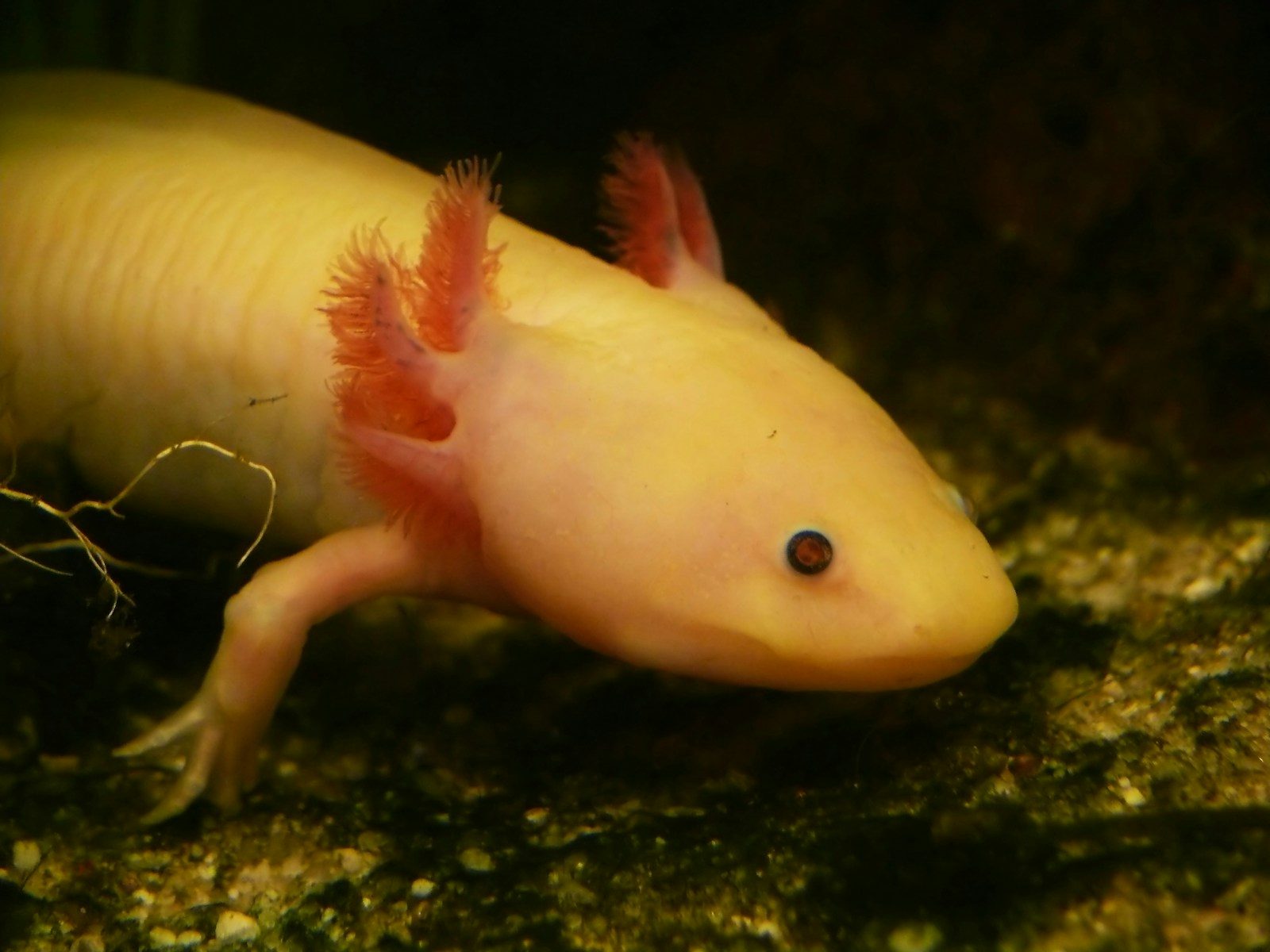
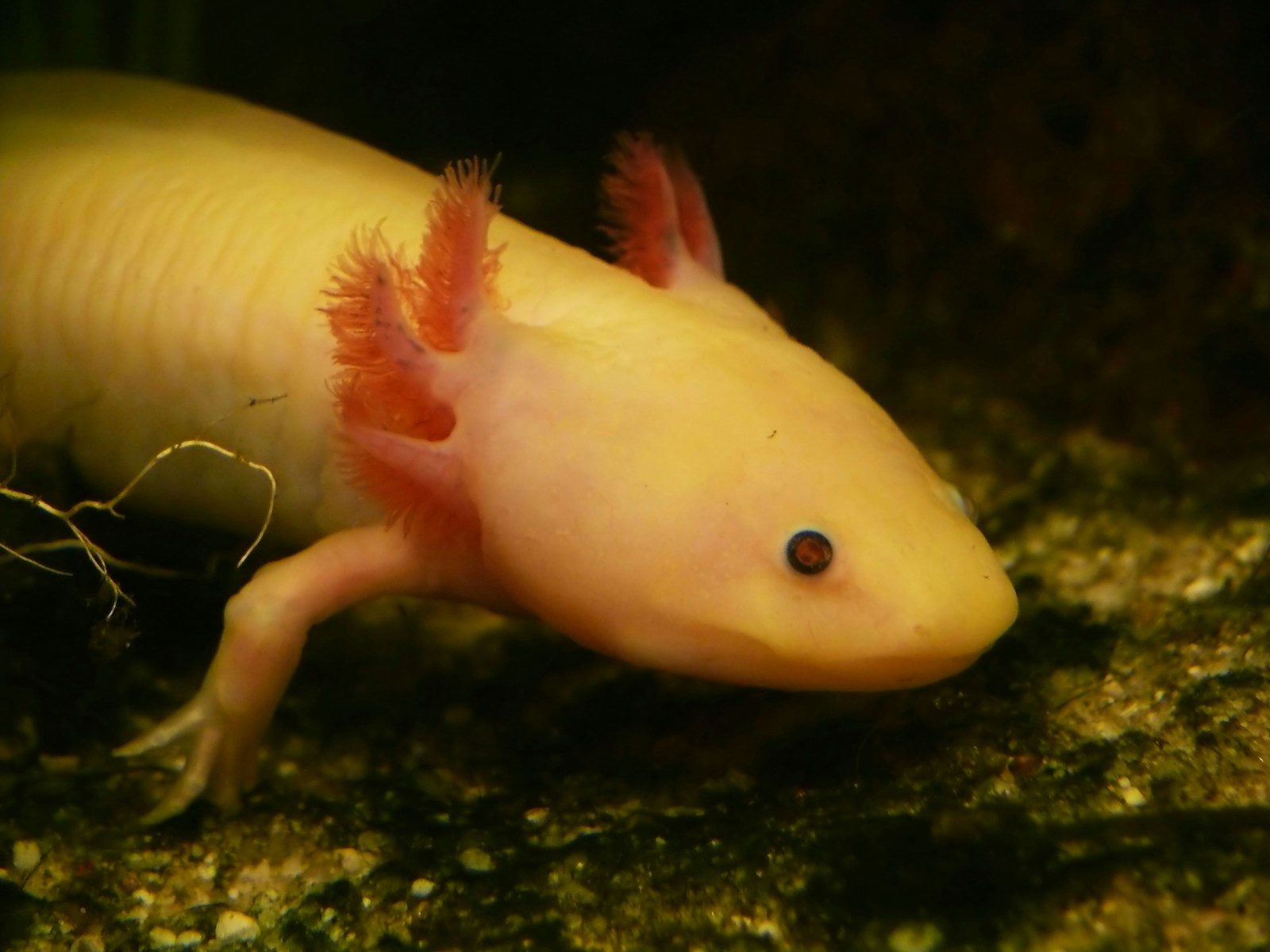
A pale axolotl with pink gills underwater.

Why Proper Husbandry Is Critical for Exotic Pet Survival

JakeMay 18, 2026

Exotic pets, from reptiles and birds to small mammals, require far more specialized care than traditional pets like cats and dogs. Their survival depends on precise environmental conditions, nutrition, and handling practices that closely match their natural habitats.

Without proper husbandry, even healthy exotic animals can quickly develop stress, illness, or long-term health problems that are often preventable.

What Proper Husbandry Really Means

Woman holding sugar gliders on the sofa indoors.
Photo by MART PRODUCTION on Pexels

Husbandry refers to the daily care of an animal, including its housing, diet, hygiene, and overall environment. For exotic pets, this concept is especially important because their needs are highly specific.

Each species has unique requirements that must be met consistently to ensure survival and long-term health.

Diet Is the Foundation of Health
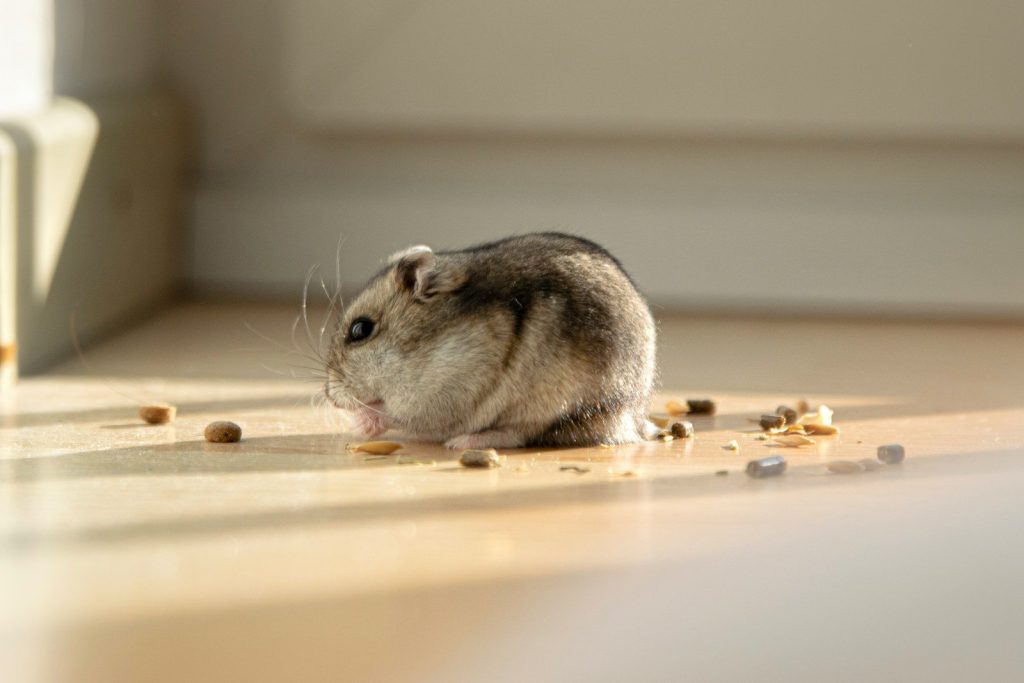
selective focus photography of rodent on white floor
Photo by Frenjamin Benklin on Unsplash

Nutrition plays a critical role in exotic pet care. Many species suffer when fed incorrect or incomplete diets.

Reptiles may require insects with supplements, birds need balanced pellets and fresh produce, and small mammals depend on high-fiber foods rather than processed diets. Small mistakes in feeding can lead to serious deficiencies over time.

Housing Must Mimic Natural Environments
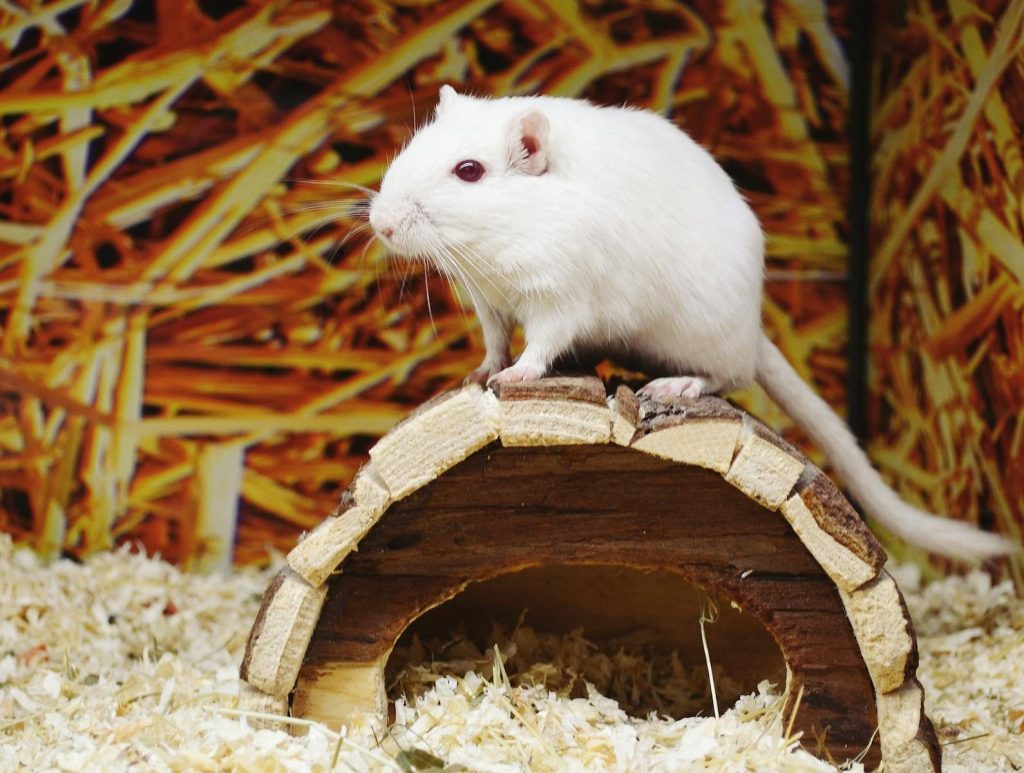
A cute white gerbil perched on a wooden hideout, showcasing its natural habitat in a pet store.
Photo by Crina Doltu on Pexels

Proper enclosures are not just cages, they are controlled habitats designed to replicate natural conditions. Temperature, humidity, lighting, and space all need to match species-specific requirements.

For reptiles especially, UVB lighting and heat gradients are essential for metabolism and immune health.

Enrichment Prevents Stress and Behavioral Issues
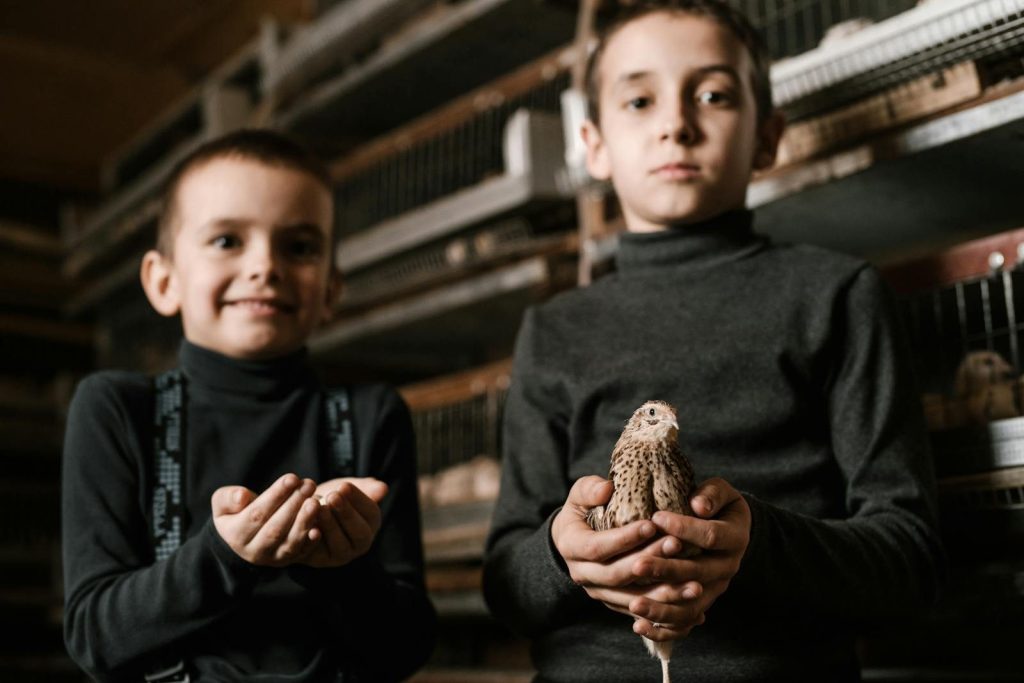
Blurred content little brothers wearing casual black turtleneck standing with cute quail and eggs in hands while visiting fowl farm and looking at camera happily
Photo by ArtHouse Studio on Pexels

Exotic animals are often intelligent and sensitive to boredom. Without stimulation, they may develop stress-related behaviors or stop eating properly.

Toys, climbing structures, hiding areas, and environmental variation help mimic natural behaviors and improve overall wellbeing.

Hygiene and Clean Environments Are Critical
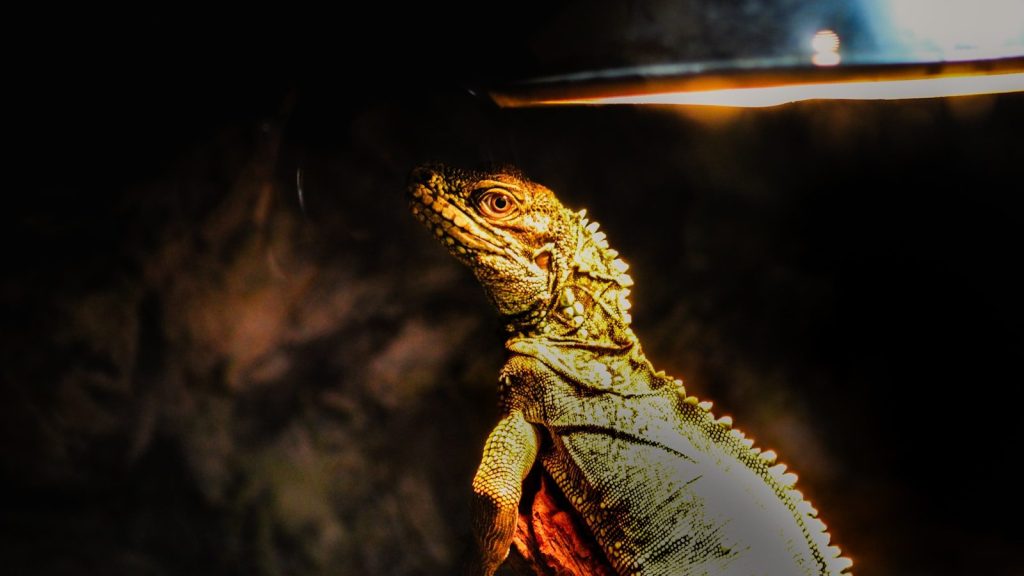
A close-up of a lizard under a heat lamp.
Photo by Arjun Raj on Unsplash

Dirty habitats can quickly lead to infections, parasites, and respiratory issues. Regular cleaning schedules and safe disinfectants are essential parts of responsible care.

Even small lapses in cleanliness can create serious health risks for sensitive exotic species.

Veterinary Care Is Often Specialized
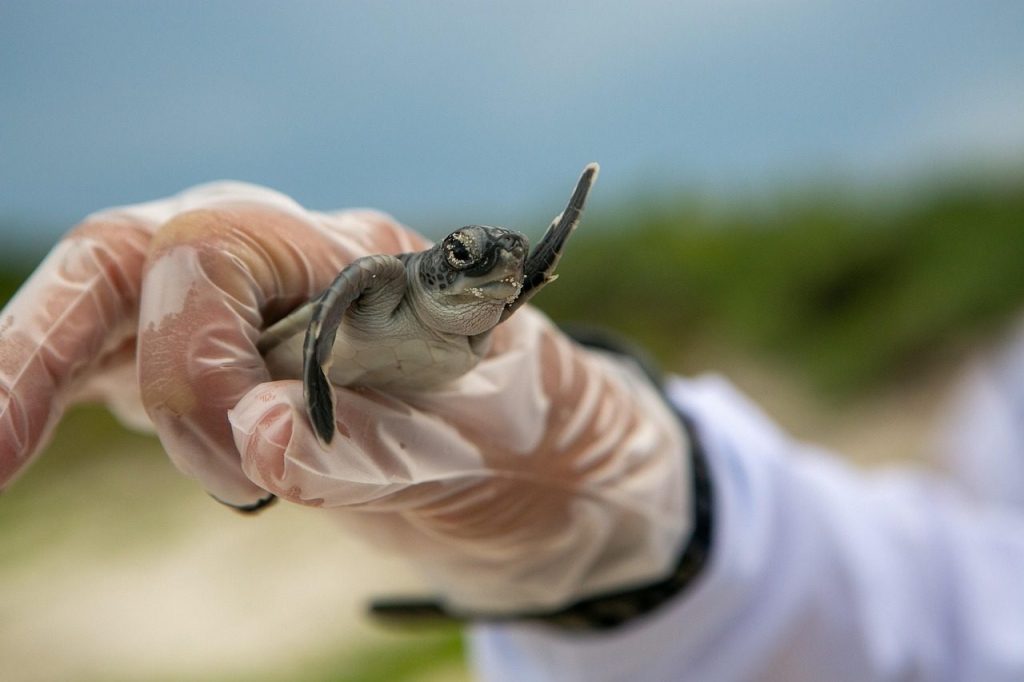
baby turtle, animal, hand, turtle, baby, young, reptile, wildlife, nature, closeup, wildlife recovery, turtle, turtle, turtle, turtle, turtle
Photo by MatrixDiver on Pixabay

Many exotic pets hide signs of illness until conditions become severe. This makes routine checkups essential for early detection of health problems.

Access to veterinarians trained in exotic species is also a key factor in responsible ownership and long-term survival.

Responsibility Before Ownership Matters Most
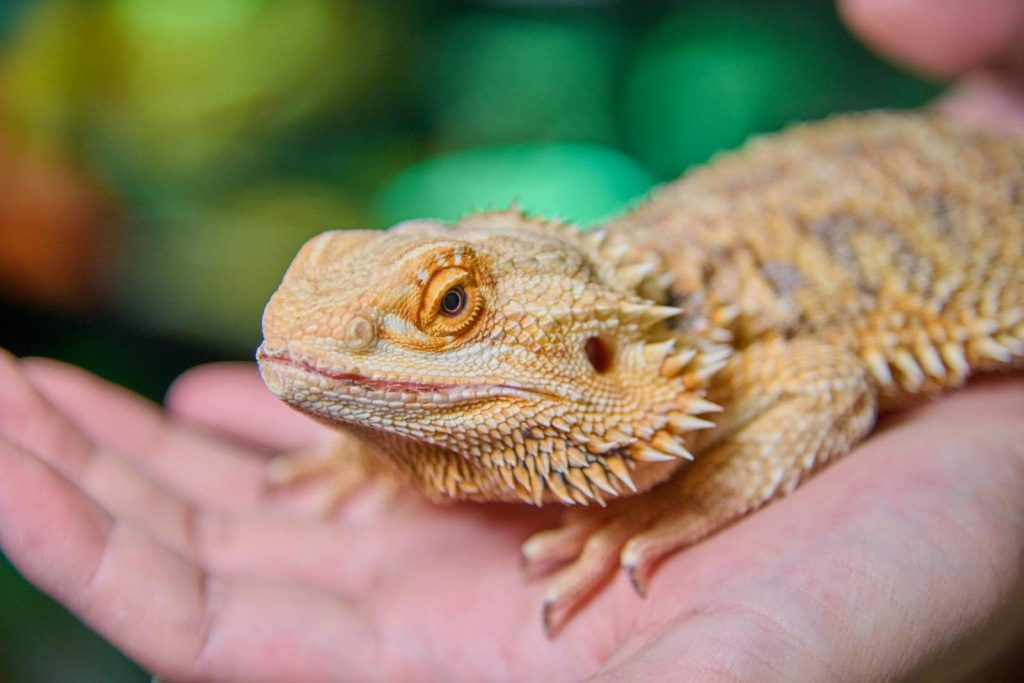
Vibrant bearded dragon lizard resting on a human hand, showcasing its unique texture.
Photo by Suki Lee on Pexels

Owning an exotic animal requires long-term commitment, research, and preparation before bringing it home. Many species live long lifespans and require consistent care for decades.

Understanding these needs in advance helps prevent neglect and improves welfare outcomes for animals that cannot adapt easily to incorrect environments.
Post navigation

Previous: Inside a Giant Wild Bee Colony Hidden in Trees
Next: Can Exotic Animals Survive in Captivity? Truth Revealed

Related Posts

a small alligator is sitting in the grass

Missing Alligator Safely Captured After Surprise Appearance at Missouri Lake

July 7, 2026July 7, 2026 Jake
macro photography of white and black rat

Why a Mother Possum Turned a Recycling Bin Into a Nursery

July 5, 2026July 5, 2026 Jake
A pale axolotl with pink gills underwater.

The Ugly Animals That Need Saving Too

July 5, 2026July 5, 2026 Jake

Leave a Reply Cancel reply

Your email address will not be published. Required fields are marked *

Recent Posts

  • Why You Should Never Take a Baby Wild Animal Home
  • Animals That Sometimes Become Intoxicated in the Wild
  • Could Your Pet Be Putting a Strain on Your Relationship?
  • First-Time Yak Mom Welcomes Adorable Baby Calf, and Her Shy First Hello Melts Hearts
  • Giant 3.2-Foot Scorpion Once Roamed Ancient Britain, Scientists Discover
Copyright All Rights Reserved | Theme: BlockWP by Candid Themes.