
A simple question from a scientist’s two-year-old son has led researchers to uncover a previously unknown type of worker honeybee. The discovery, published in Nature, sheds new light on how honeybee societies function and how even their architecture may play a role in creating queens.
A Hive Built on Precision and Order
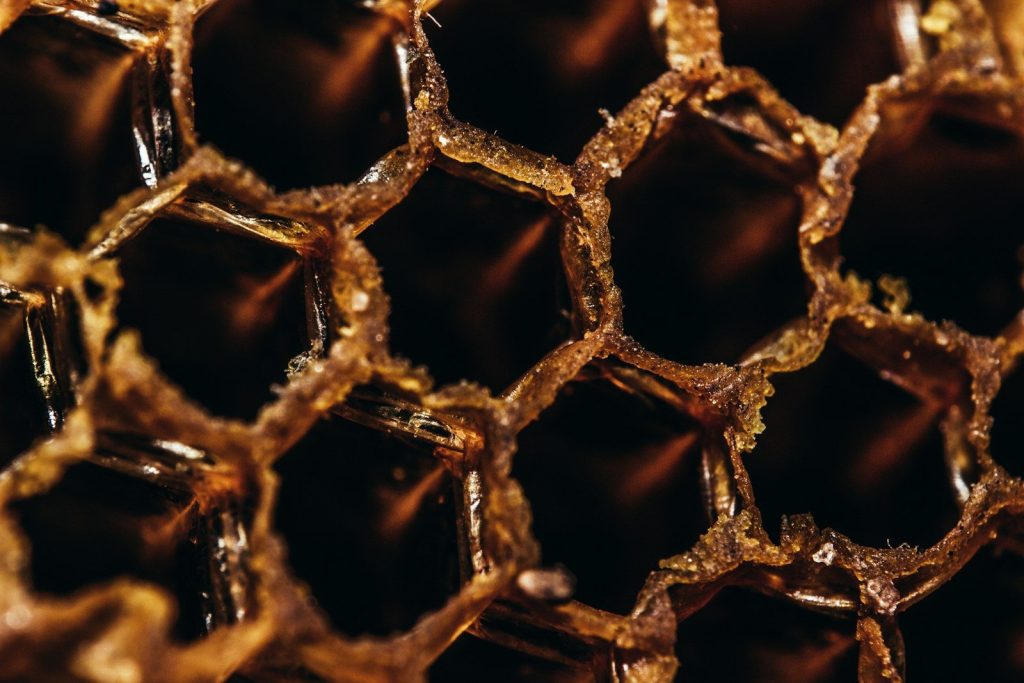
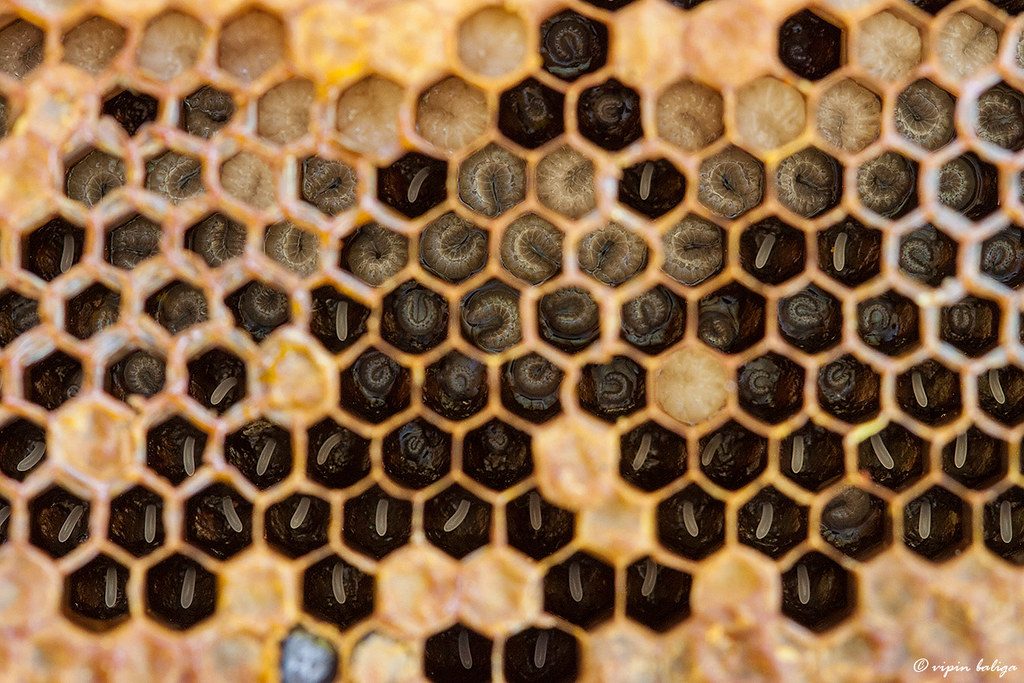
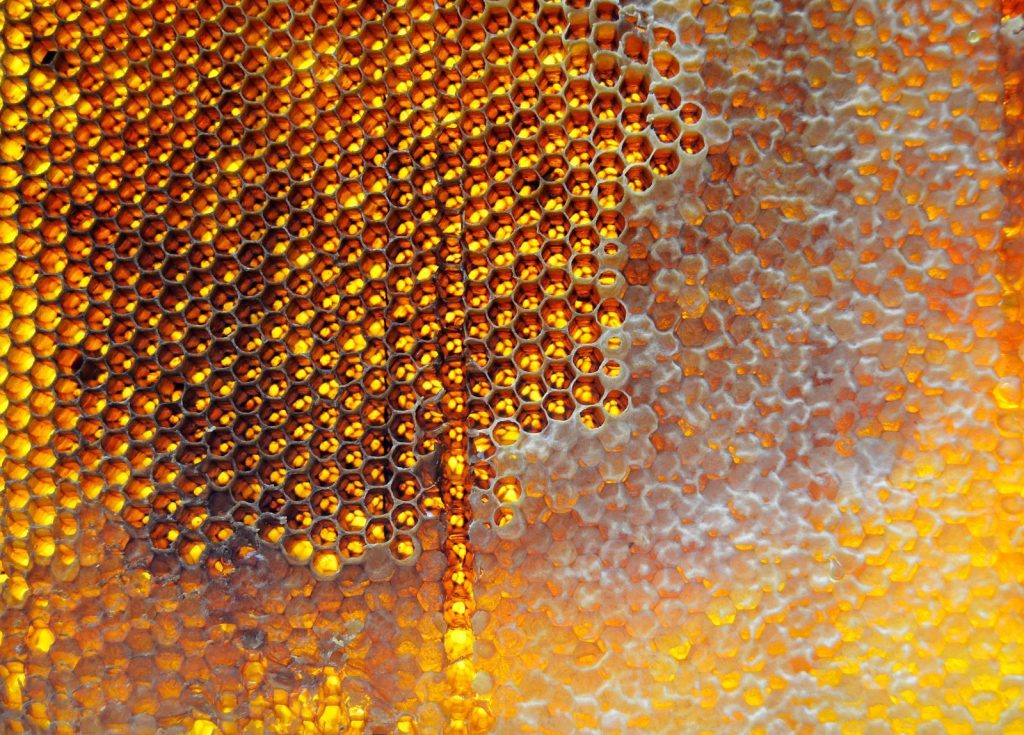
Honeybees live in highly organised colonies made up of a single queen, thousands of female worker bees, and male drones. Each group has a specific role. The queen reproduces, drones mate, and workers handle nearly every other task, from foraging and feeding larvae to guarding the hive and constructing its intricate hexagonal wax cells.
This tightly controlled social system has fascinated scientists for decades, but the new discovery suggests there is still much we do not fully understand.
A Child’s Question That Changed Everything
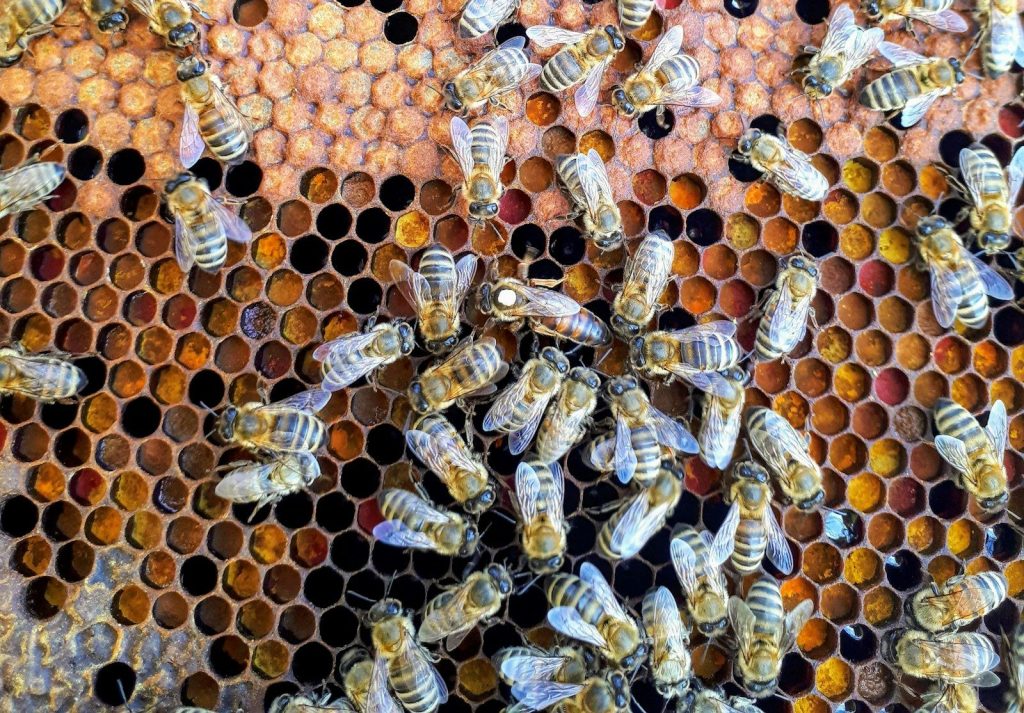
The breakthrough began when bee researcher Kai Wang from the Chinese Academy of Agricultural Sciences brought his young son into the lab. As they observed an artificial hive, the child noticed something unusual: queen cells did not look like the neat hexagons made by worker bees.
The toddler asked why the queen’s “house” looked different. That innocent question prompted Wang to take a closer look at how queen cells are built and whether workers were doing something more complex than previously believed.
Hidden Heat Builders Inside the Hive
Using infrared thermal imaging, Wang and his team observed something remarkable. Worker bees appeared to heat their thoraxes while constructing queen cells. In effect, they were using their bodies as miniature heat sources to soften and reshape wax during construction.
This behaviour suggests the existence of a specialised group of workers whose role is not just general hive maintenance but precise architectural engineering focused on queen development.
Researchers have referred to these insects as “royal engineers” due to their unique function in building and maintaining queen cells.
Queen Cells Are More Than Simple Cradles
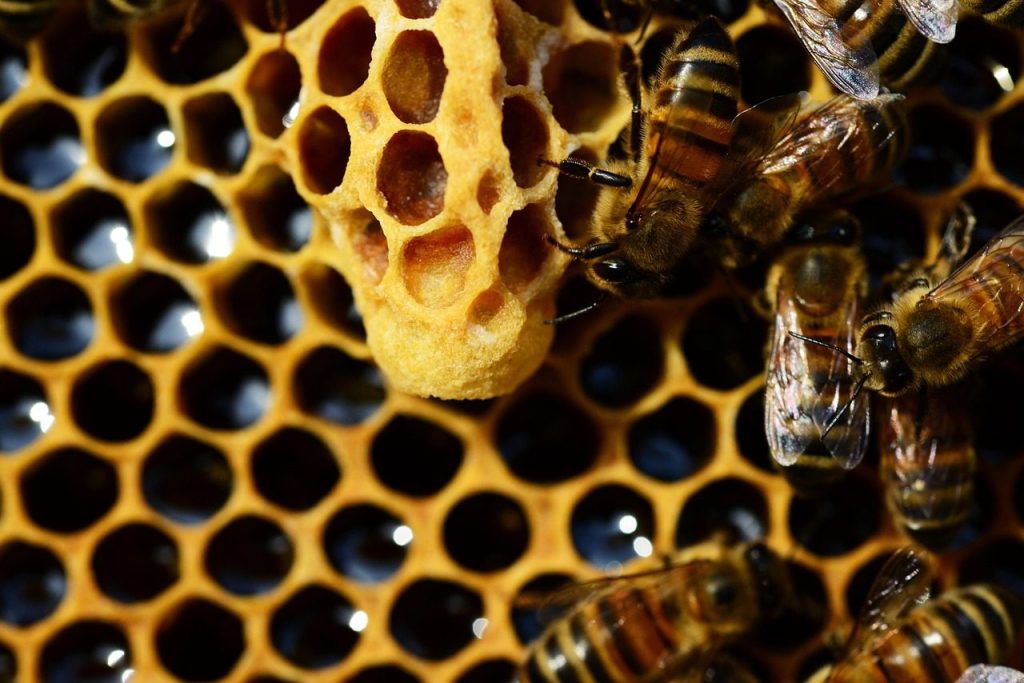
For years, scientists believed that queens were determined mainly by diet, specifically the consumption of royal jelly during the larval stage. The physical structure of the queen cell itself was not considered especially important.
However, new analysis using electron microscopy revealed that queen cell wax is chemically and physically different from worker cell wax. It is less dense, more flexible, and has a higher melting point, suggesting it is specially designed for royal development.
Experiments Reveal the Importance of Hive Architecture
To test the importance of these differences, researchers raised 172 queen larvae in artificial cells made from either queen cell wax or standard worker cell wax. The results were striking. Larvae raised in worker-style cells were smaller and had a higher mortality rate compared to those in queen cells.
This indicates that the physical environment inside the hive plays a direct role in shaping the development of future queens, not just nutrition or genetics alone.
Rethinking What We Know About Honeybee Intelligence
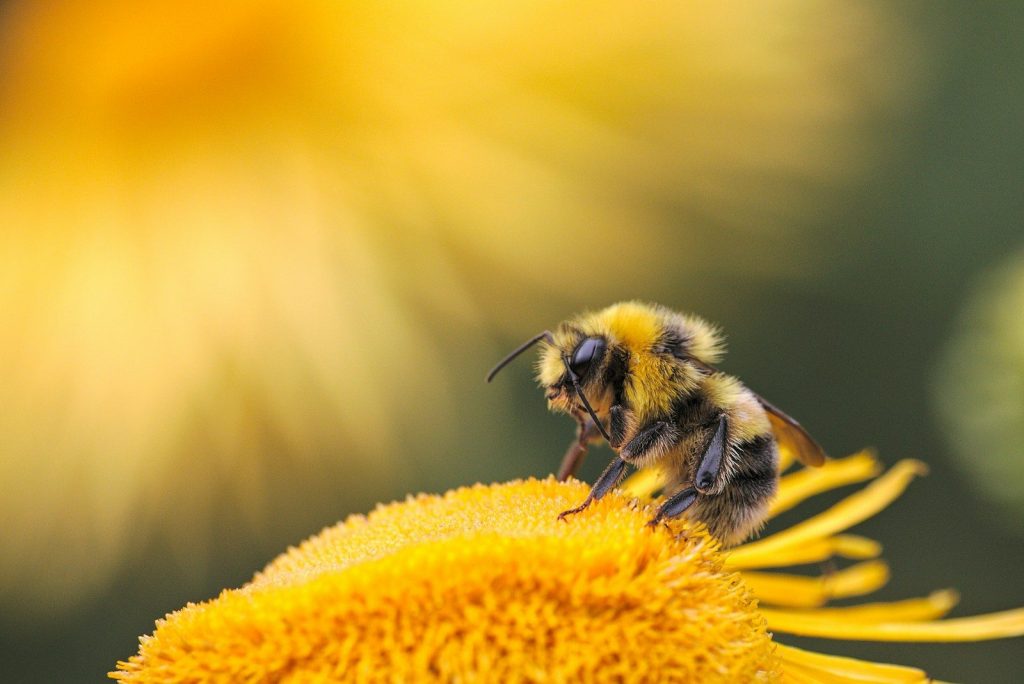
According to Wang, the discovery highlights just how sophisticated honeybee societies truly are. The combination of structural engineering, temperature control, and social coordination suggests a level of biological organisation that is still not fully understood.
As he puts it, bees may be far more strategic architects than previously believed, capable of shaping not just their homes but the future of their entire colony.