Skip to content

Recent Posts

  • What To Do If You Discover a Skunk Living in Your Yard
  • What Happens When a Hungry Polar Bear Approaches Humans in the Arctic
  • Are We Living Through Earth’s Sixth Mass Extinction?
  • Cows Shock Farmer by Protecting Wild Duck Eggs From Predators
  • The Snake Filled National Parks Every Hiker Should Know About

Most Used Categories

  • Nature & Wildlife (52)
  • Risk (19)
  • Hunting (15)
  • Bees/Swarms fear (10)
  • Survival (9)
  • Exotic Animals (7)
  • Suspense (6)
  • Human Interest (4)
  • Adventure (3)
  • Gears (2)
Skip to content
  • About Us
  • Contact Us
  • Disclaimer
  • Privacy Policy
  • Terms & Conditions

Hive Hunters Tales

  • Suspense
  • Nature & Wildlife
  • Human Interest
  • Hunting
  • Bees/Swarms fear
  • Exotic Animals
  • Risk
  • Survival
  • Adventure
  • Gears
  • Home
  • Bees/Swarms fear
  • Inside a Giant Wild Bee Colony Hidden in Trees
brown and black bee on brown wooden surface

Inside a Giant Wild Bee Colony Hidden in Trees

JakeMay 18, 2026

Deep in forests around the world, some of the most complex natural societies exist quietly inside hollow trees. A giant wild bee colony is not just a cluster of insects, it is a highly organized living system built for survival, protection, and constant work.

Hidden from view, these colonies operate with precision, turning a simple tree cavity into a fully functioning ecosystem.

A Tree Becomes a Living Fortress
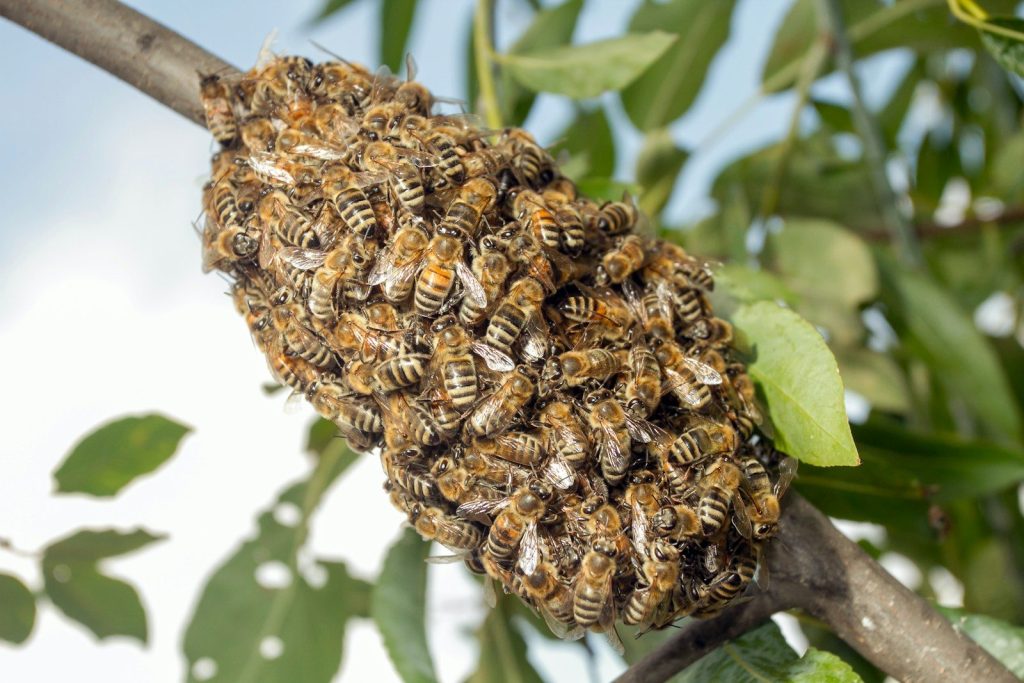
a bunch of bees on a tree branch
Photo by Kostiantyn Li on Unsplash

When bees move into a hollow tree, they transform it into a secure structure with a single controlled entrance. The interior is carefully organized into combs built from wax.

This enclosed space protects the colony from weather, predators, and external disturbances while maintaining stable temperature and humidity.

The Queen at the Center of Everything
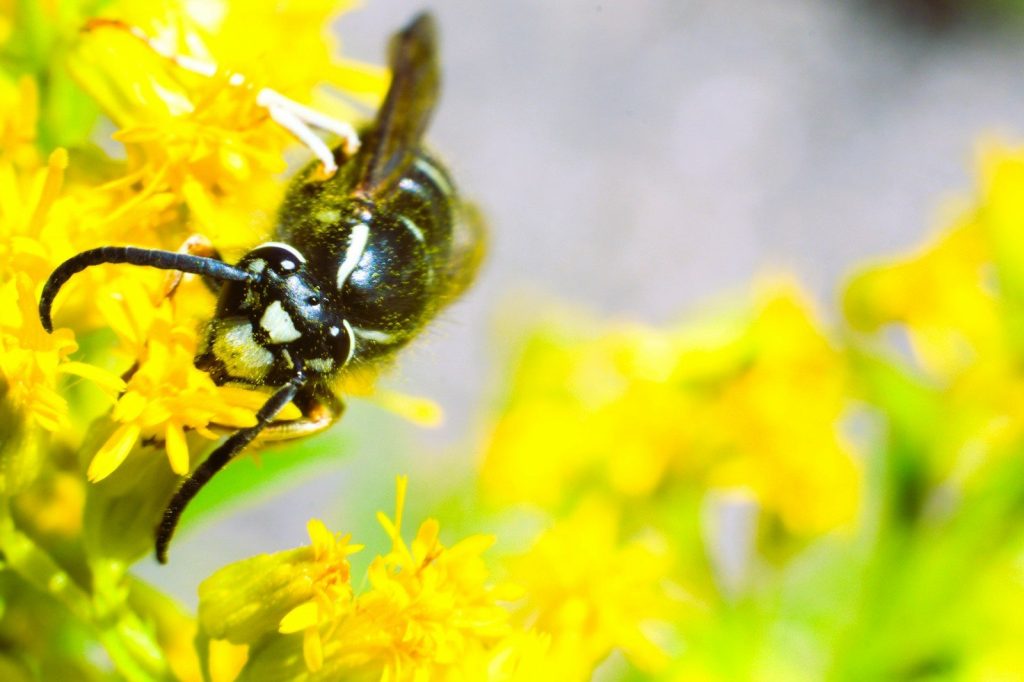
A wasp on yellow flowers
Photo by Richard Rivas on Unsplash

At the heart of the colony is the queen bee, the only reproductive female responsible for producing the next generation. Her presence ensures the survival and continuity of the hive.

Worker bees constantly attend to her needs, feeding and protecting her while maintaining perfect conditions around her chamber.

Constant Work in Complete Darkness
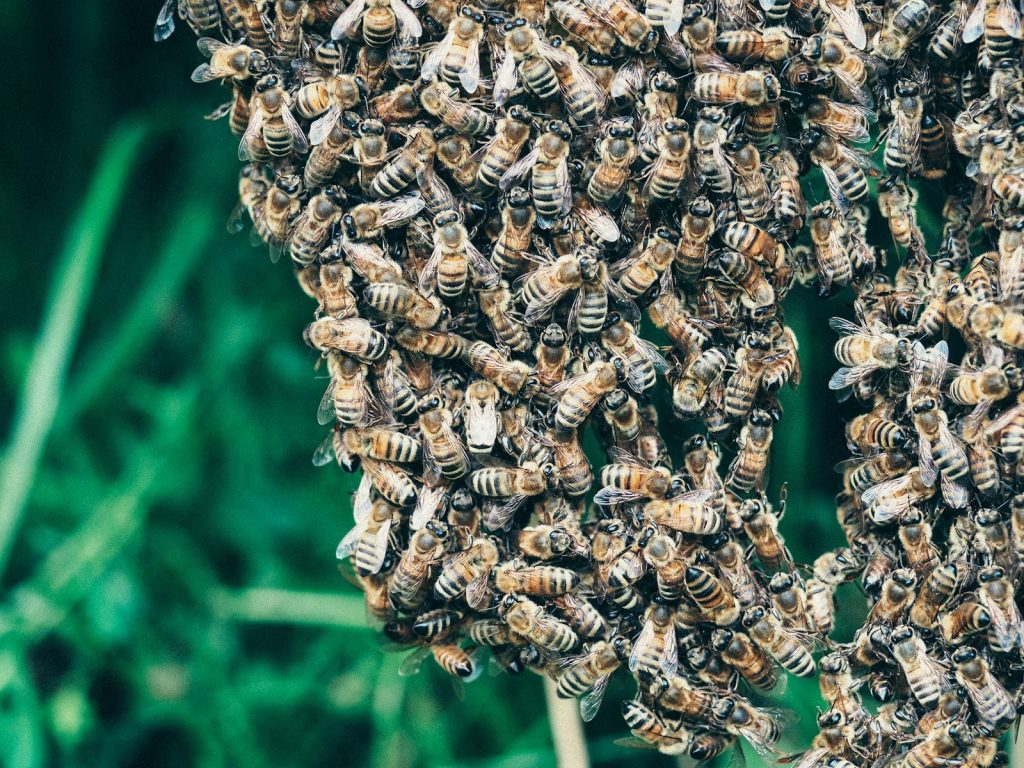
brown and black bee on brown plant stem during daytime
Photo by Ante Hamersmit on Unsplash

Inside the tree, thousands of worker bees operate in near darkness, relying on vibration, scent, and touch to communicate. Each bee has a specific role depending on its age and function.

Some collect nectar, others build wax combs, while others guard the entrance or care for developing larvae.

Perfect Temperature Control System
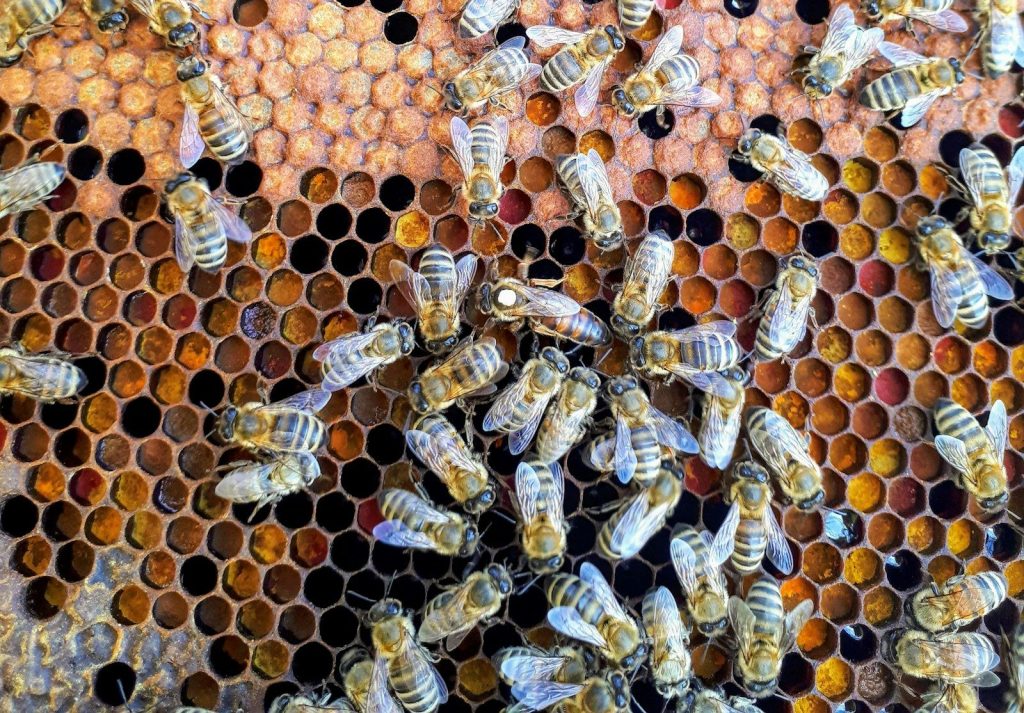
bees on honeycomb
Photo by Boba Jaglicic/Unsplash

Despite external weather changes, the hive maintains a stable internal temperature. Bees regulate heat by clustering together or fanning their wings to circulate air.

This temperature control is critical for larval development and honey preservation.

Guard Bees at the Entrance
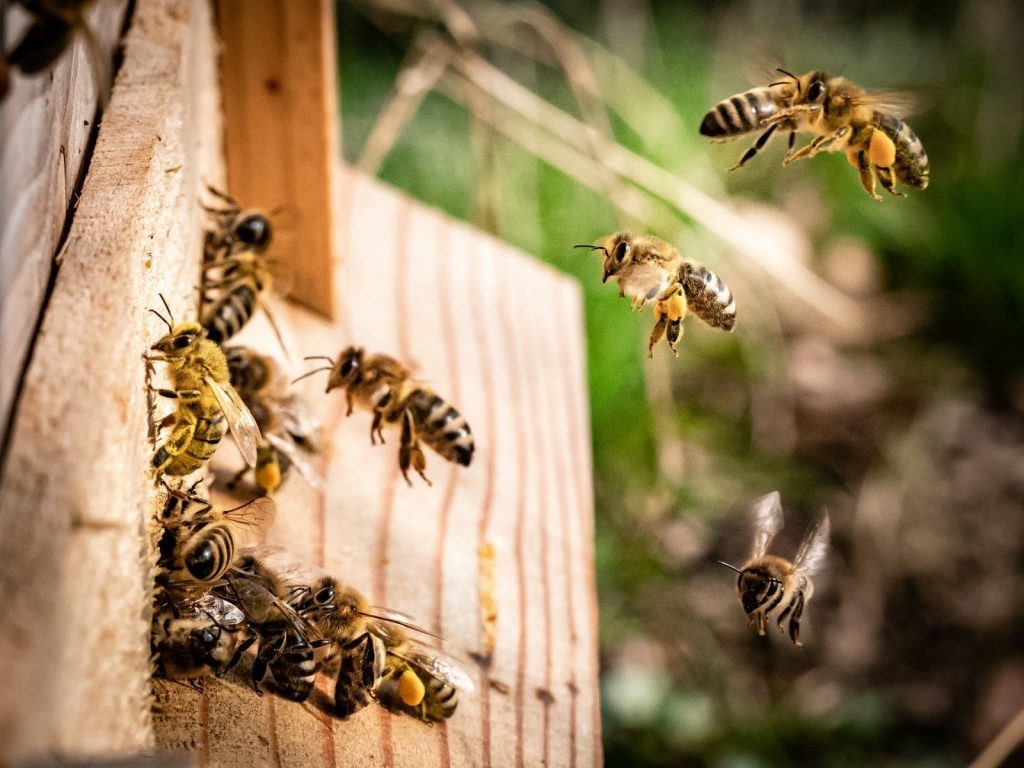
yellow and black wasp
Photo by Kai Wenzel/Unsplash

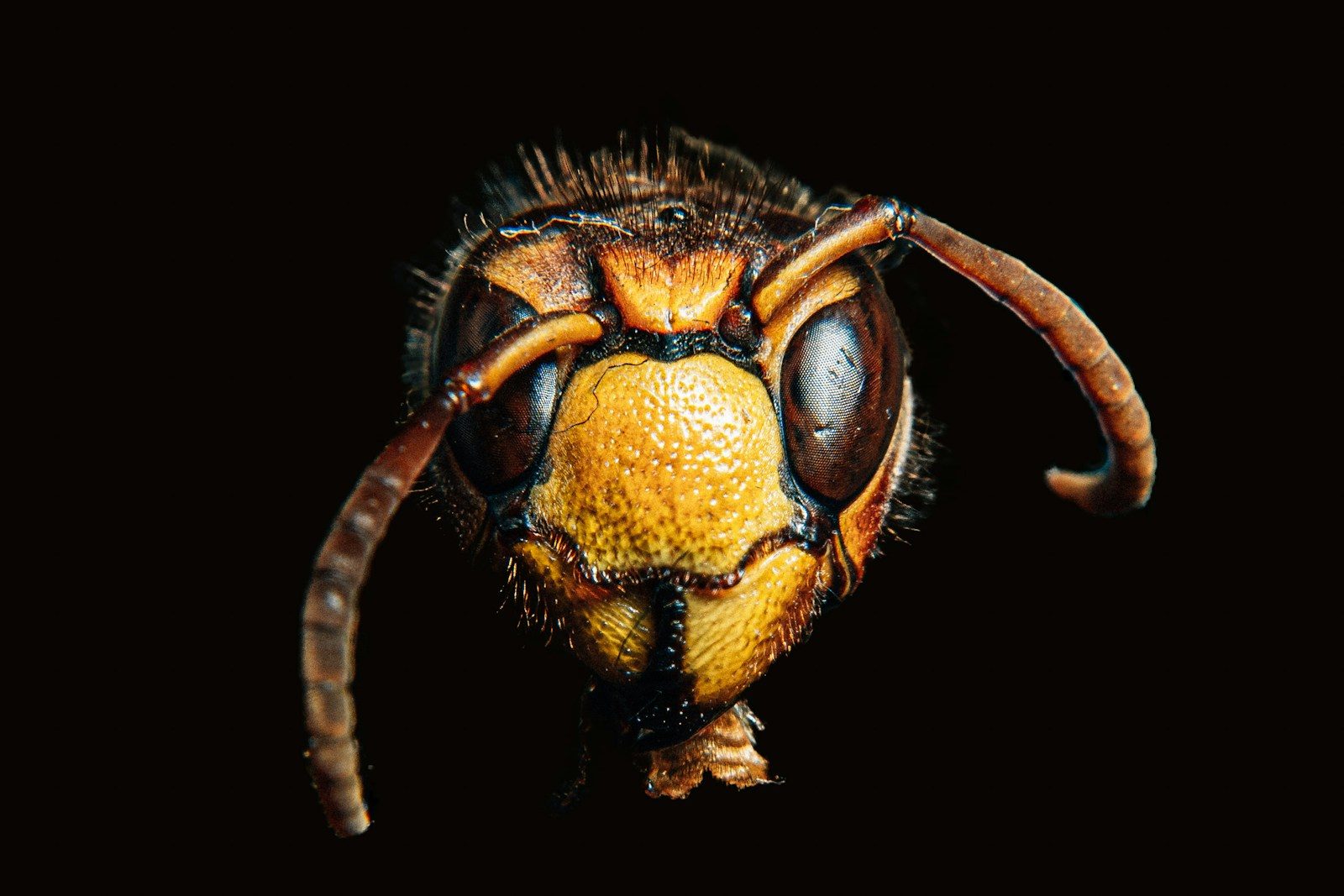
Near the narrow tree opening, guard bees inspect everything that enters or exits the hive. They use scent recognition to identify colony members.

Any unknown intruder is quickly challenged, and alarm signals can spread through the colony within seconds if danger is detected.

Honey Storage and Survival Planning
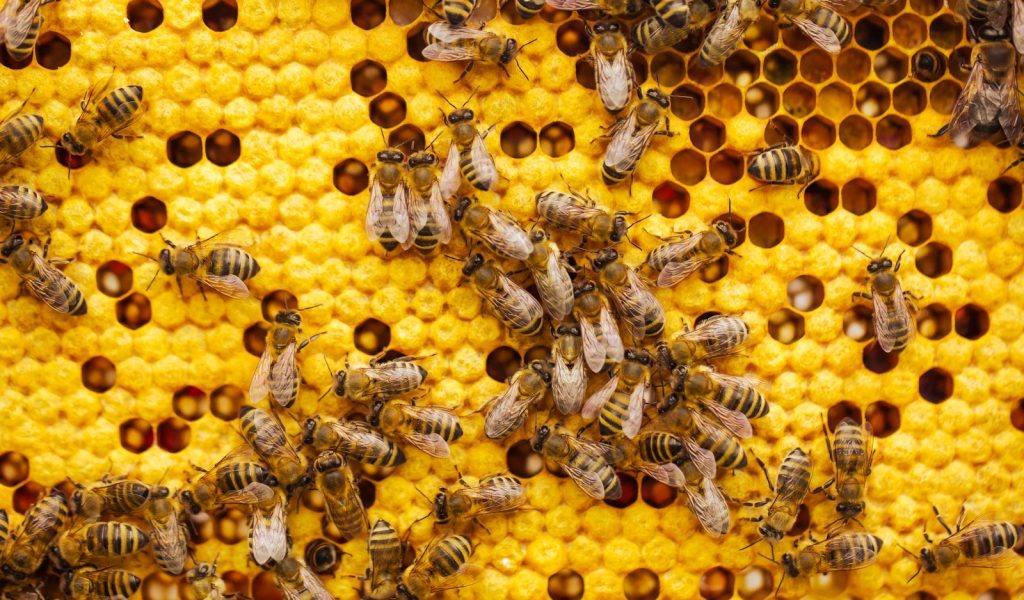
a bunch of bees that are on a beehive
Photo by Simon Kadula/Unsplash

Honey is stored in carefully built wax cells deep inside the tree. It is the colony’s long-term food reserve, especially important during winter or food shortages.

Bees continuously process nectar into honey, sealing it for future survival.

A Silent but Highly Defended Ecosystem

brown bee flying near yellow petaled flower
Photo by Brad Huchteman/Unsplash

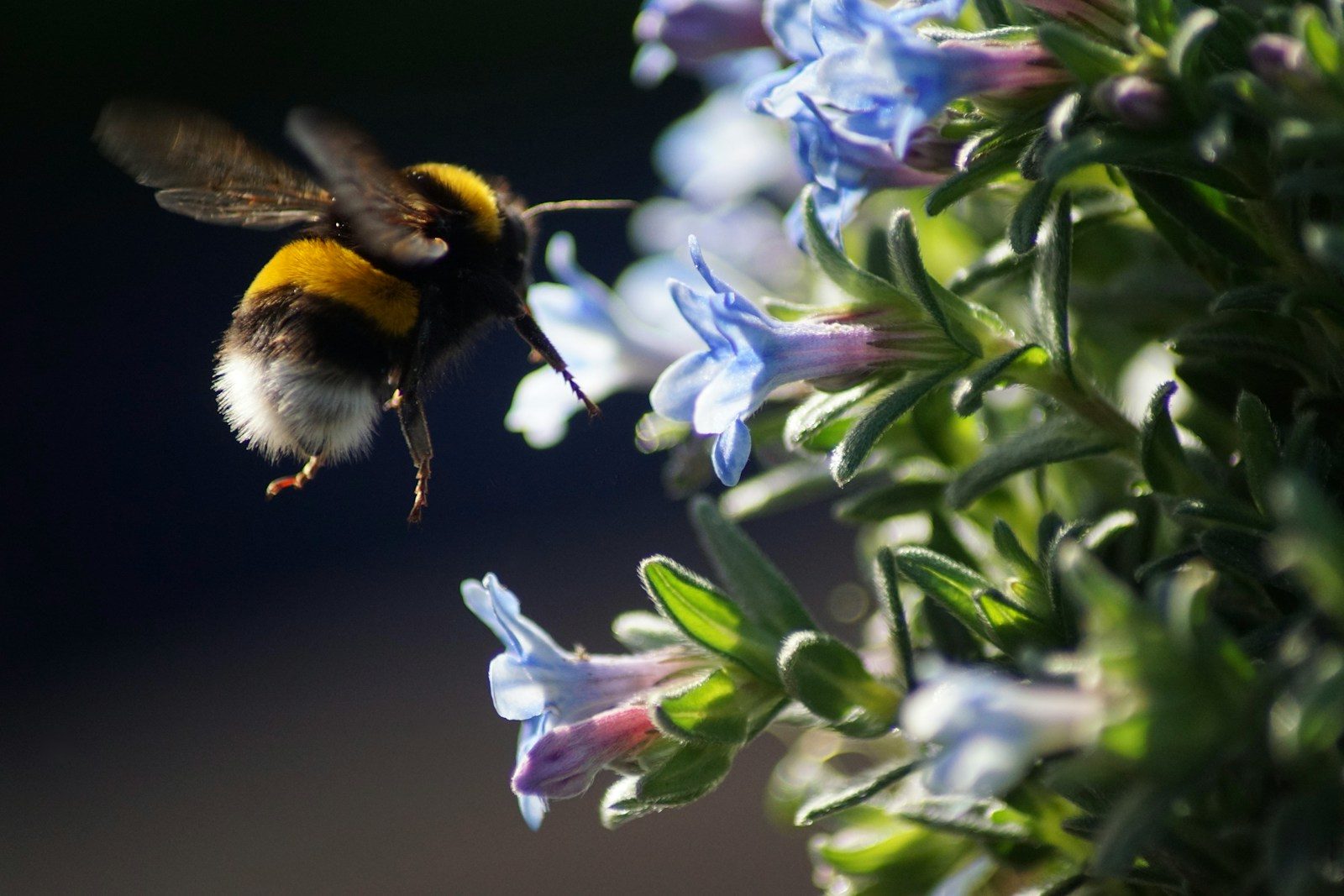
Even though the hive appears quiet from the outside, it is one of the most sensitive and defensive systems in nature. Any disturbance near the entrance can trigger a rapid swarm response.

Inside the tree, thousands of bees instantly shift from routine activity to coordinated defense, protecting their colony with remarkable speed and unity.
Post navigation

Previous: The Danger of Stealing Honey From Wild Swarms
Next: Why Proper Husbandry Is Critical for Exotic Pet Survival

Related Posts

pollen on bee, bee on flower, dandelion, flower background, yellow, bee, wasp, nature, beautiful flowers, flower, plant, summer, flora, blue flower, flower wallpaper, blue bee

The Buzz About Bees and Why They Matter to Our Planet

May 25, 2026May 25, 2026 Jake
green-leafed plants

The Dangerous Job of Collecting Wild Honey in Deep Forests

May 23, 2026May 23, 2026 Jake
brown and black insect on green round fruit

What Happens If You’re Stung by a Swarm of “Murder Hornets”?

May 22, 2026May 22, 2026 Jake

Leave a Reply Cancel reply

Your email address will not be published. Required fields are marked *

Recent Posts

  • What To Do If You Discover a Skunk Living in Your Yard
  • What Happens When a Hungry Polar Bear Approaches Humans in the Arctic
  • Are We Living Through Earth’s Sixth Mass Extinction?
  • Cows Shock Farmer by Protecting Wild Duck Eggs From Predators
  • The Snake Filled National Parks Every Hiker Should Know About
Copyright All Rights Reserved | Theme: BlockWP by Candid Themes.