Harvesting honey from wild bee swarms is not just a risky outdoor activity, it is a direct confrontation with a highly organized defensive system built entirely around survival. Unlike managed hives, wild colonies live without human support, which makes them more reactive, more aggressive, and far less predictable when disturbed.
What might look like an easy forest discovery is actually a high-risk encounter with thousands of insects capable of coordinated defense within seconds.
Wild Swarms Are Built for Survival, Not Tolerance
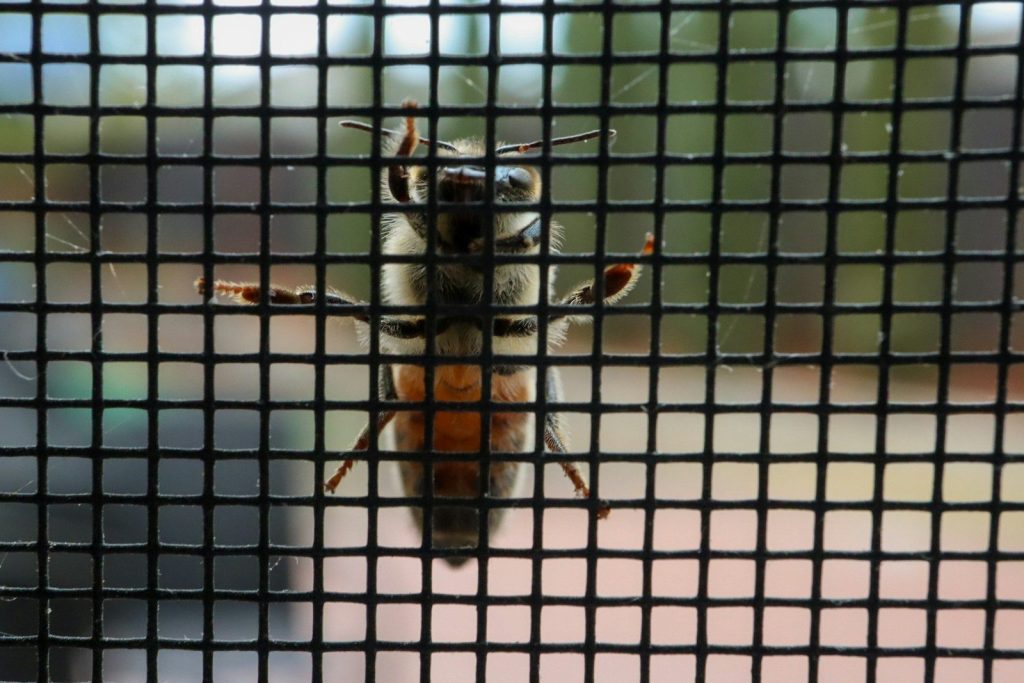
Wild honey bee colonies survive in environments filled with predators, weather shifts, and constant resource pressure. Because of this, their behavior is shaped by survival rather than tolerance.
Unlike managed bees that are regularly handled by humans, wild colonies react strongly to unfamiliar movement, vibrations, or scent near their hive.
Instant Chemical Alarm Response
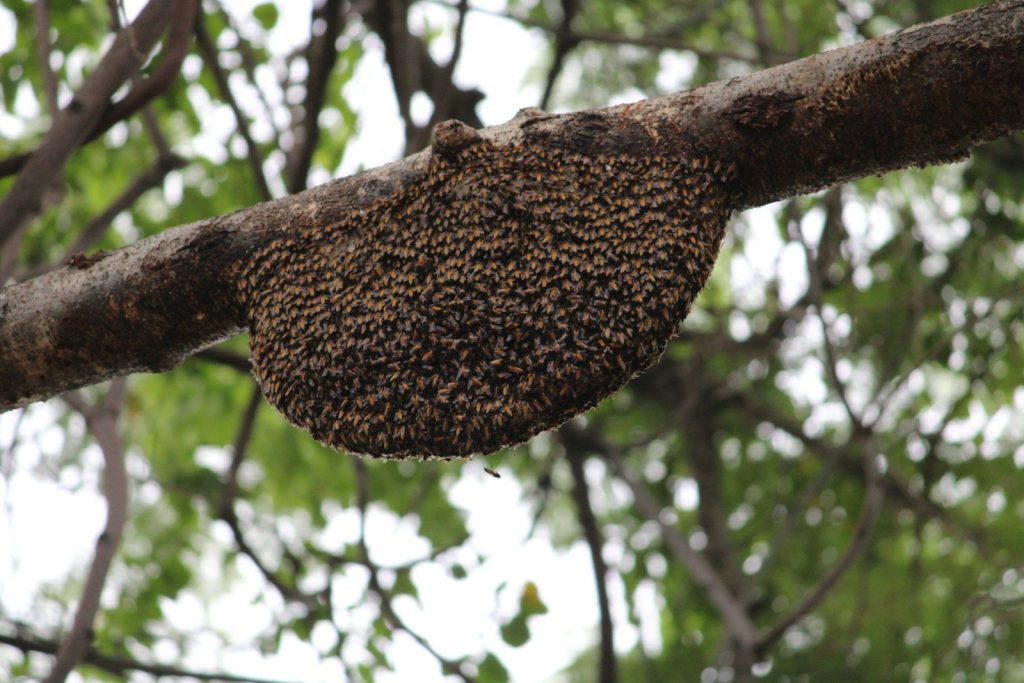
When a hive is disturbed, bees release alarm pheromones that act as a rapid communication system. These chemicals spread quickly through the colony and signal danger.
Within moments, bees shift from normal activity to full defensive readiness, preparing to protect the queen, brood, and stored honey from any perceived threat.
Coordinated Swarm Defense Behavior
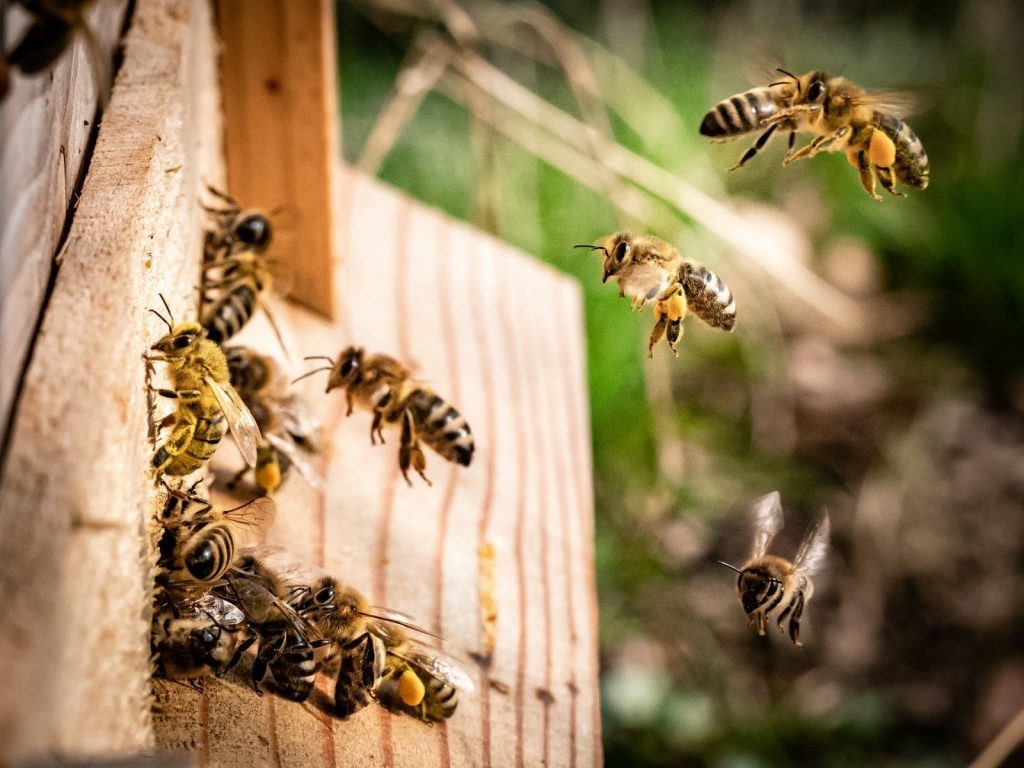
One of the most dangerous aspects of wild bees is their ability to respond collectively. Instead of isolated reactions, the entire colony can mobilize.
As more bees join the defense, the intensity increases. Each sting releases more alarm signals, which further escalates the swarm response and concentrates aggression toward the intruder.
Hidden Hive Locations Increase Risk
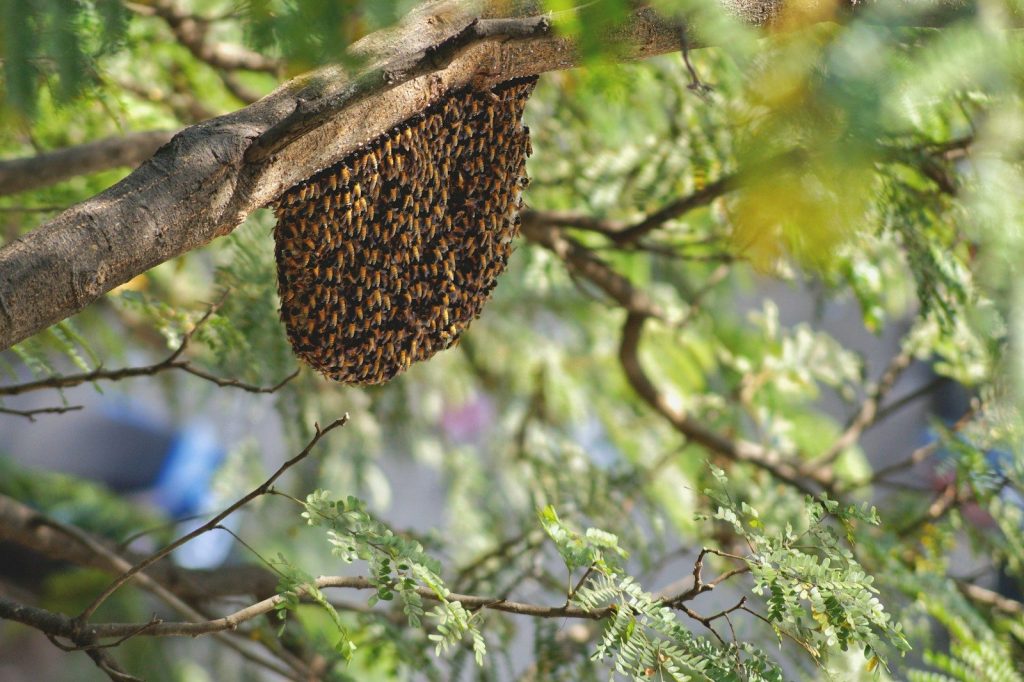
Wild hives are often located in hollow trees, rock cavities, cliffs, or underground spaces deep in forests. These locations are difficult to access and often surrounded by dense vegetation.
If a defensive swarm begins, limited visibility and restricted movement can make escape routes confusing and slow, increasing exposure time to attacking bees.
Defensive Range Extends Beyond the Hive
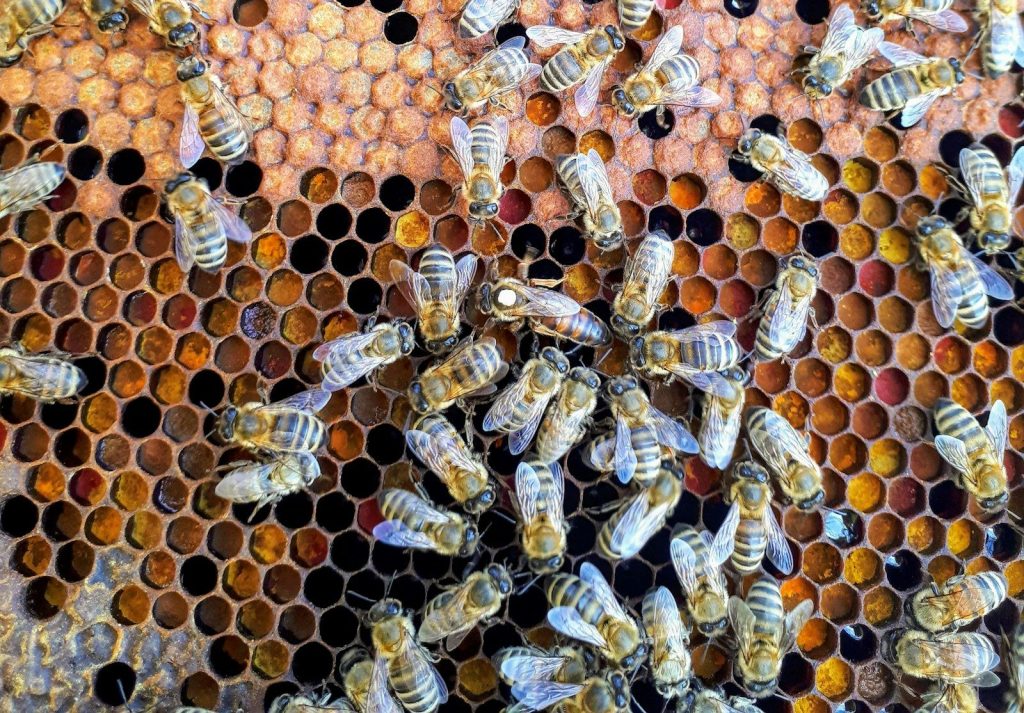
Bees do not restrict defense to the hive entrance. In many cases, they will pursue a threat several meters or even farther from the colony.
This means even approaching too closely without direct contact can trigger a chase that continues long after the hive itself is no longer visible.
Honey Removal Threatens Colony Survival
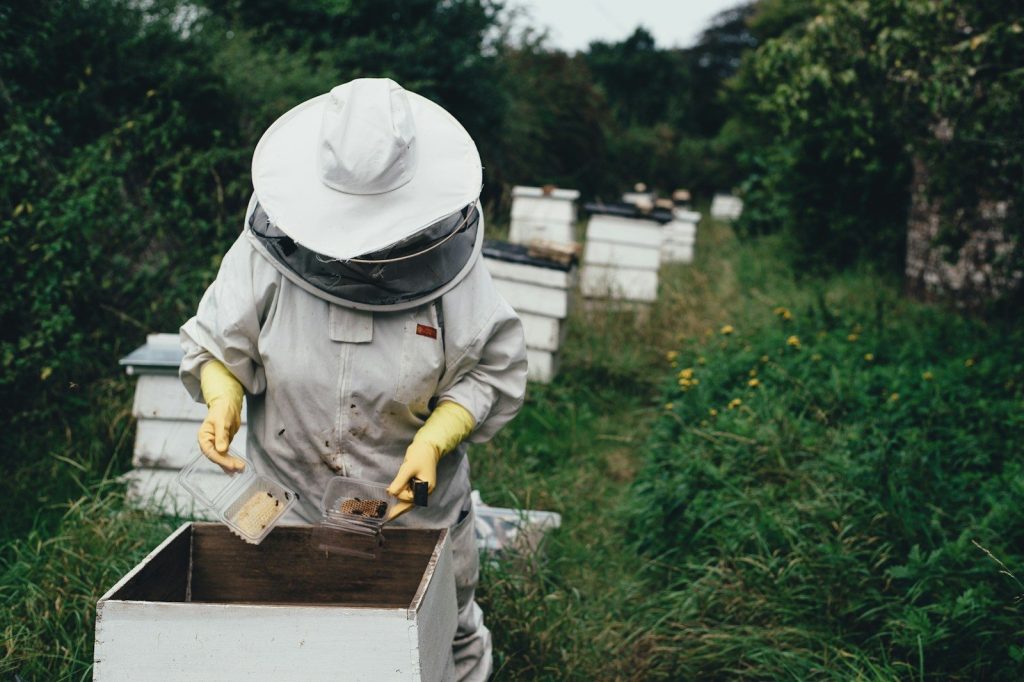
Honey is not just a food source, it is the survival reserve of the entire colony. It sustains bees during cold months or periods when flowers are unavailable.
Removing honey from a wild hive directly threatens colony survival, which is why bees react so aggressively when their stores are disturbed or taken.
Escalation and Real-World Danger in the Field
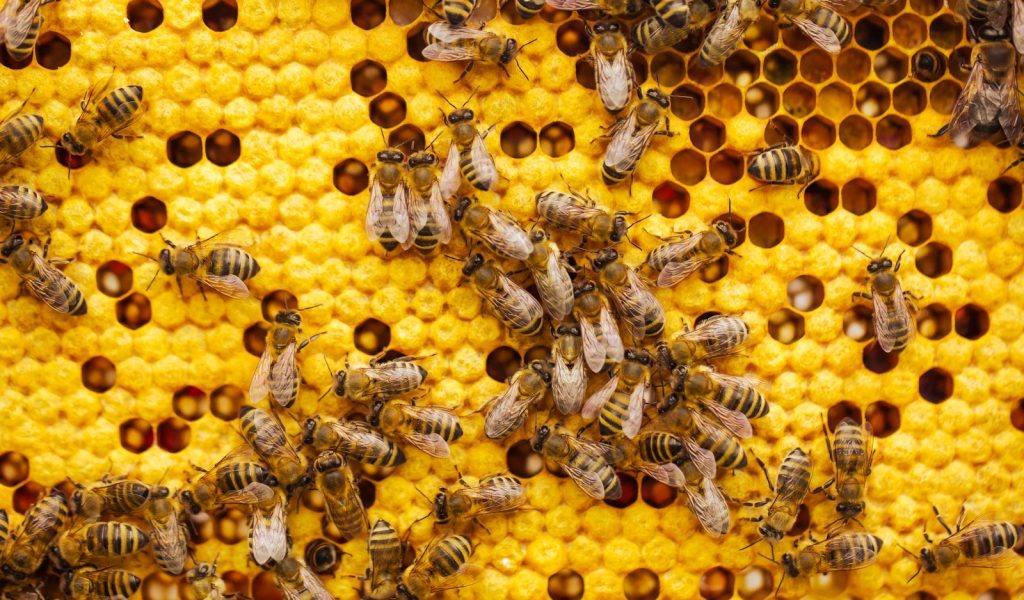
What often begins as a few warning flights can quickly escalate into a full defensive swarm if the disturbance continues. Bees begin targeting exposed areas like the face, neck, and hands.
In forest environments, uneven ground, thick vegetation, and limited escape routes can turn a short encounter into a serious situation. Even experienced beekeepers avoid uncontrolled wild hives without proper equipment and safety measures.
Respecting wild bees is essential—not only for safety, but because they are a critical part of forest ecosystems and natural pollination cycles.