
Cats are naturally curious and active animals, which means their energy often gets directed toward furniture, walls, and household objects. While this behavior is normal, it can become frustrating for pet owners when scratching, climbing, or knocking things over becomes routine.
Understanding why cats behave this way is the first step toward managing their actions effectively. Experts explain that with the right environment and training, most destructive behavior can be reduced without harming the cat’s natural instincts.
Scratching Is A Natural Instinct That Needs Redirection

Cats scratch surfaces to mark territory, stretch muscles, and maintain claw health. This behavior is instinctive and cannot be fully stopped, but it can be redirected.
Providing scratching posts or pads in key areas helps guide this behavior away from furniture. Placing these alternatives near commonly targeted spots increases the chances of successful redirection.
Environmental Enrichment Reduces Boredom Driven Behavior

Many destructive behaviors in cats come from boredom or lack of stimulation. Indoor cats especially need mental and physical engagement throughout the day.
Interactive toys, climbing structures, and scheduled play sessions can significantly reduce unwanted activity. A more stimulating environment helps cats release energy in healthier ways.
Consistent Training Helps Reinforce Boundaries

Cats respond well to consistent routines and clear boundaries set by their owners. Positive reinforcement is more effective than punishment when shaping behavior.
Rewarding good behavior encourages repetition over time. Experts suggest avoiding harsh responses, as they can increase stress and worsen unwanted habits.
Providing Vertical Space Helps Reduce Furniture Damage
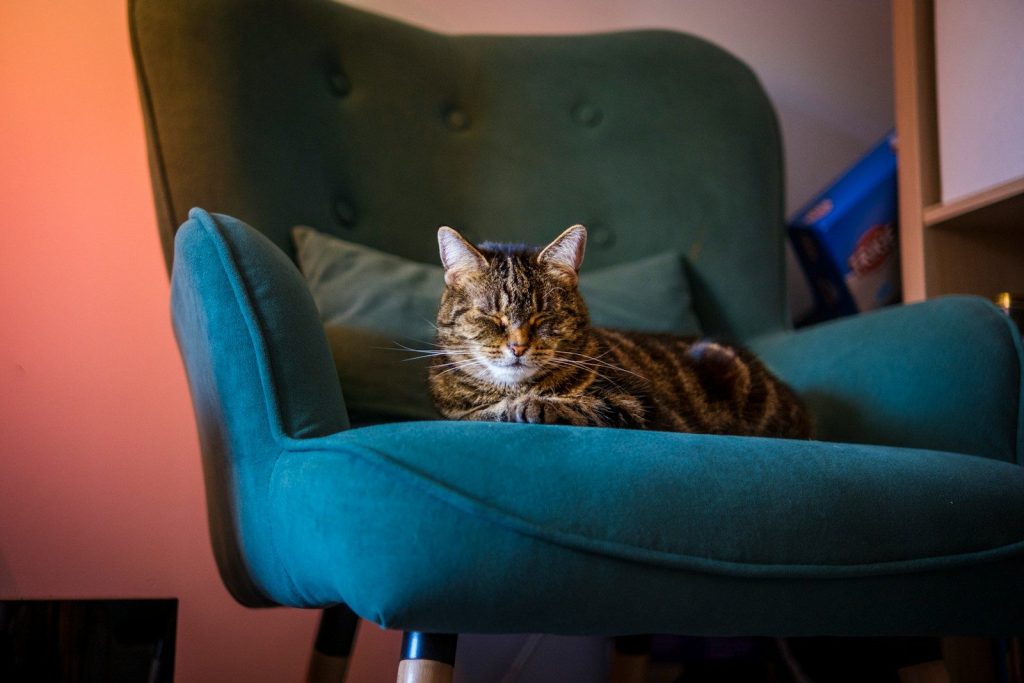
Cats naturally enjoy climbing and observing their surroundings from higher positions. Without proper outlets, they may turn to shelves or furniture for this purpose.
Cat trees and wall mounted platforms offer safe alternatives for climbing behavior. These structures help satisfy instinctual needs while protecting household items.
Regular Nail Care Minimizes Scratching Damage
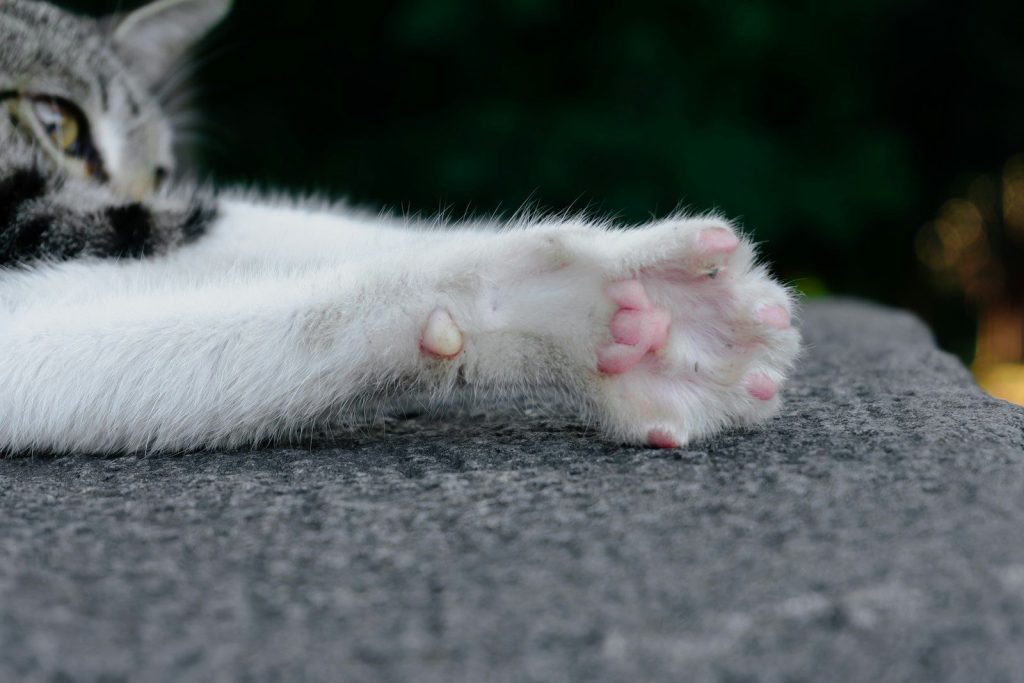
Keeping a cat’s nails trimmed can significantly reduce the damage caused by scratching. This simple routine helps maintain both pet comfort and home protection.
Some owners also use soft nail caps designed to prevent surface damage. Regular grooming routines contribute to healthier behavior overall.
Stress Reduction Plays A Key Role In Behavior Control

Changes in environment, loud noises, or lack of routine can increase stress in cats, leading to destructive habits. Creating a calm and predictable environment helps reduce anxiety driven actions.
Providing safe spaces where cats can retreat also improves emotional stability. When stress levels are low, unwanted behaviors tend to decrease naturally.