Bees are some of the hardest-working creatures on Earth, quietly supporting ecosystems, agriculture, and global food production every single day. Without them, many of the plants humans and animals rely on would struggle to survive.
Although small in size, bees play a massive role in maintaining life on the planet, making them one of the most important species for human survival.
Bees Are Nature’s Pollination Experts
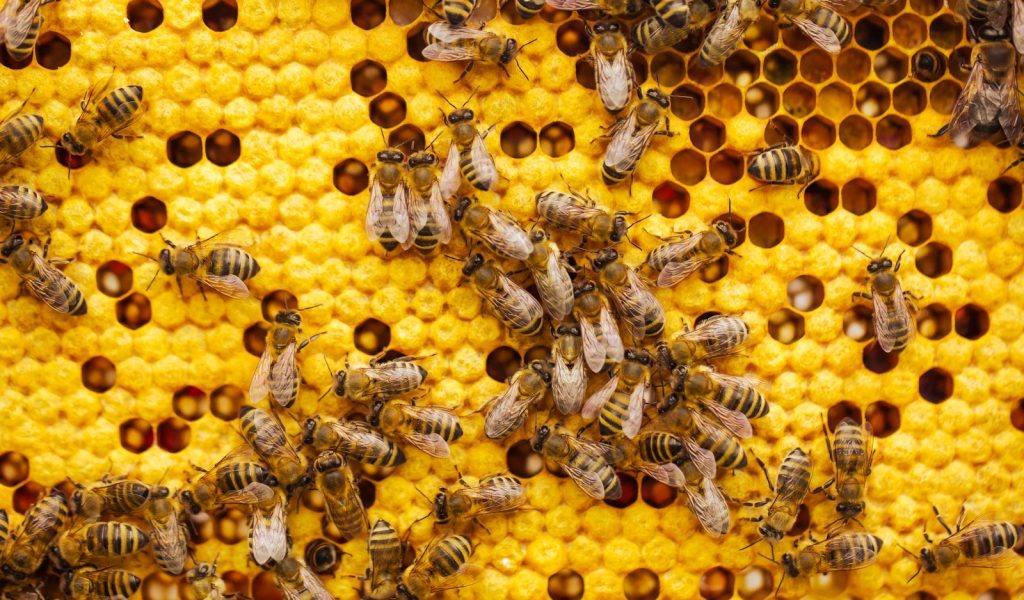
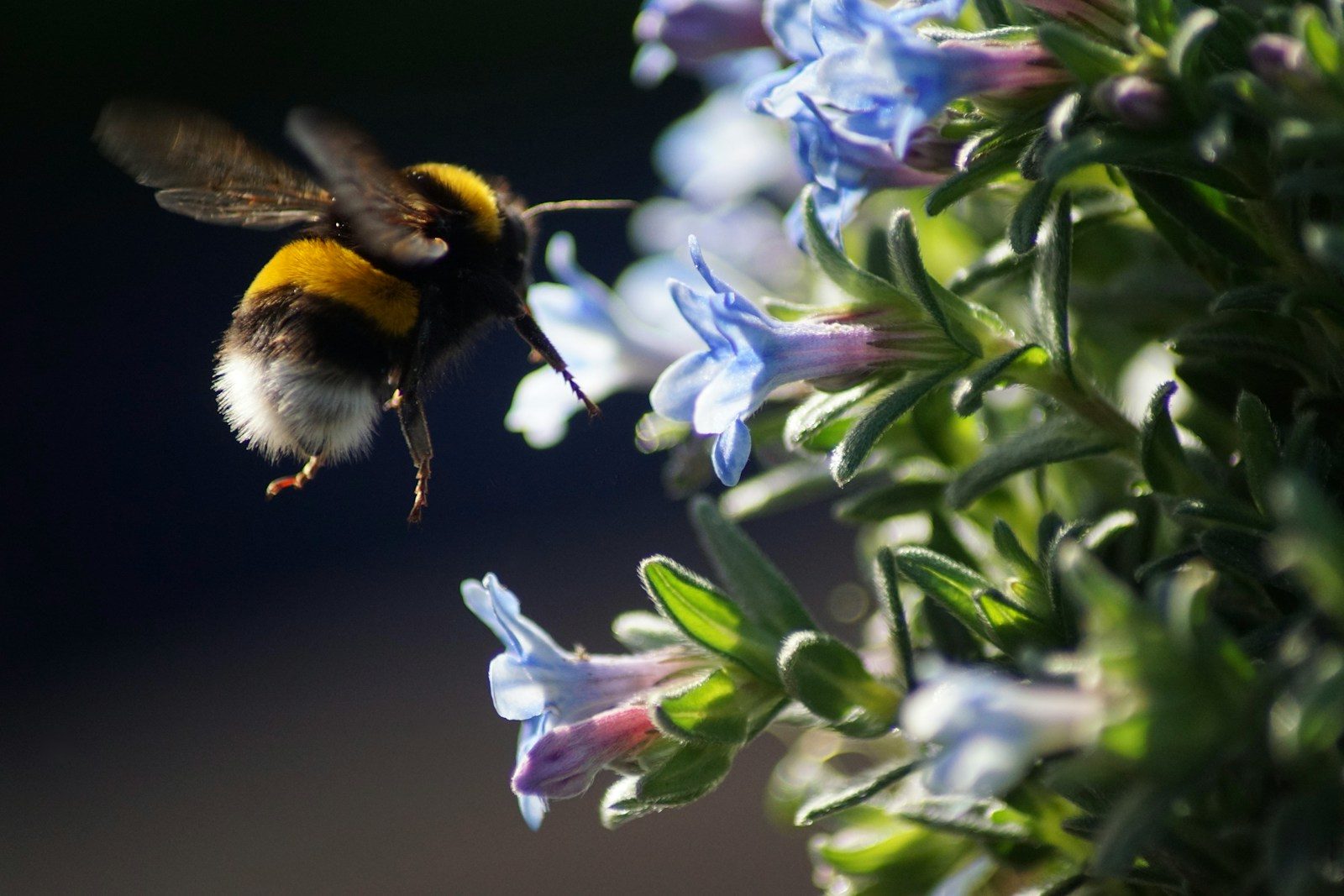
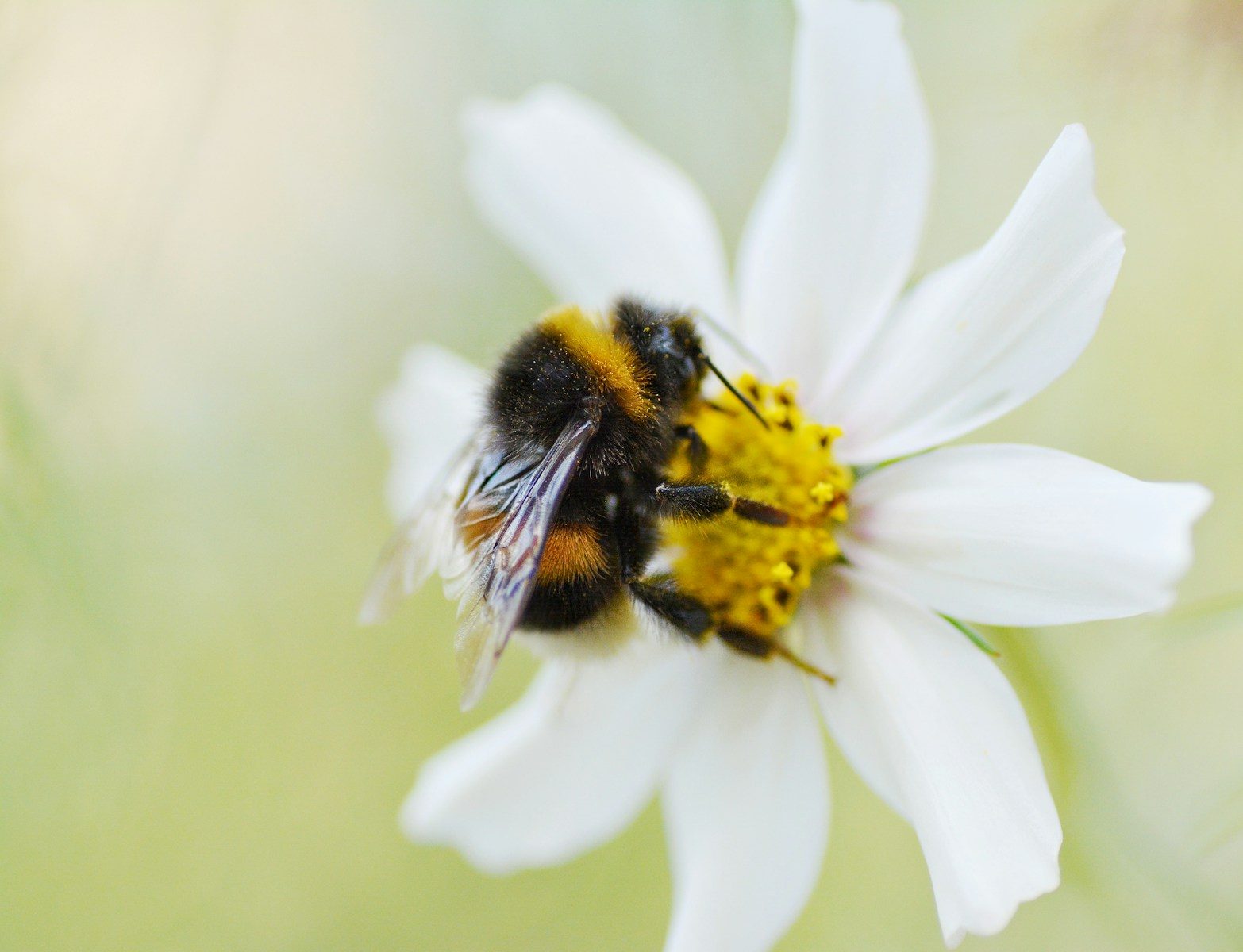
Bees transfer pollen between flowers while collecting nectar, helping plants reproduce naturally. This process allows fruits, vegetables, nuts, and seeds to grow successfully.
Without pollination, many crops would produce lower yields or disappear entirely from certain regions.
A Huge Portion of Human Food Depends on Bees
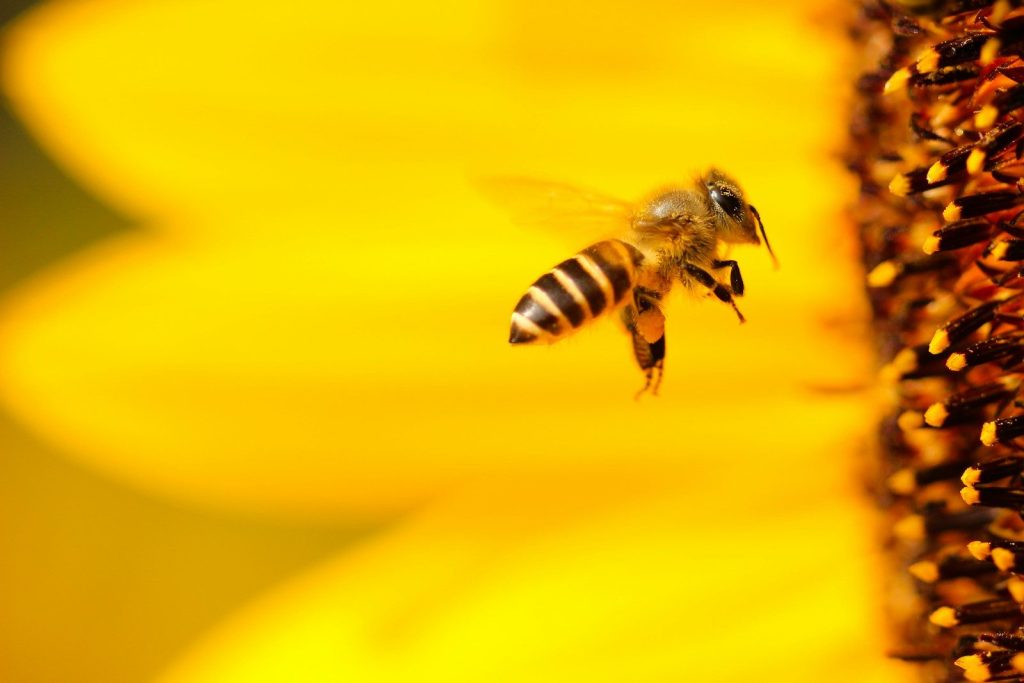
Many foods humans eat every day rely directly on bee pollination. Apples, almonds, berries, cucumbers, pumpkins, and countless other crops depend heavily on these insects.
Bees help support global agriculture and food security by increasing both crop quantity and quality.
Bees Support Entire Ecosystems
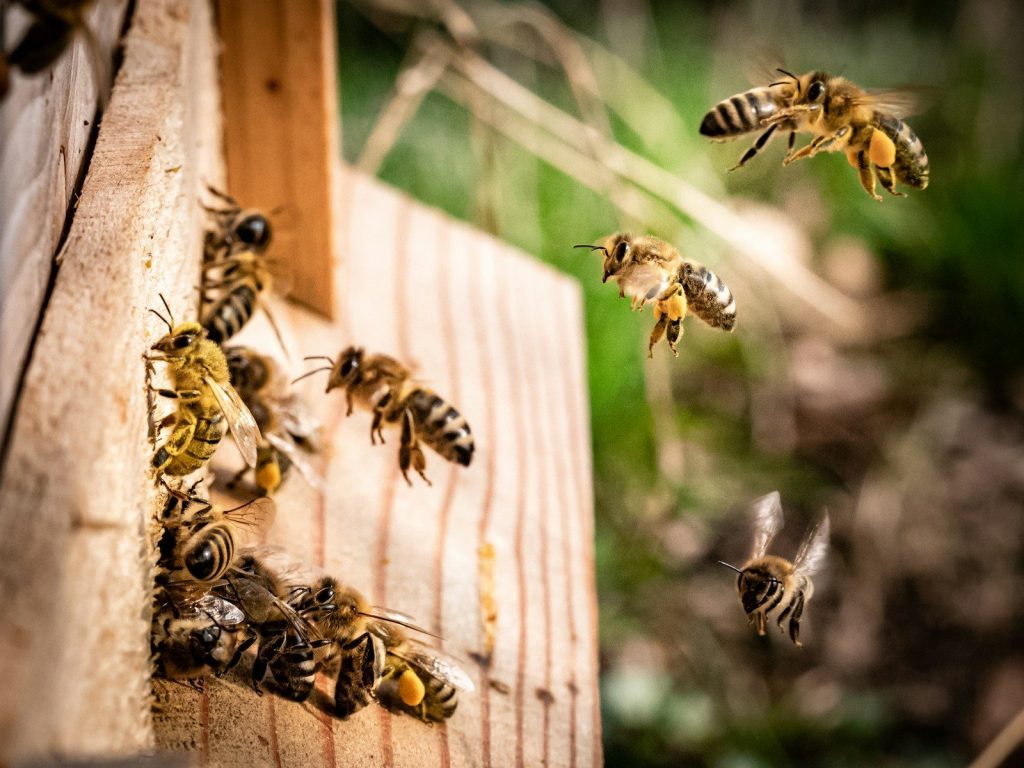
Bees do not only help farms. Wild plants also depend on pollination to survive and reproduce across forests, grasslands, and natural habitats.
These plants provide food and shelter for birds, insects, and countless other animal species throughout the ecosystem.
Declining Bee Populations Are Raising Alarm
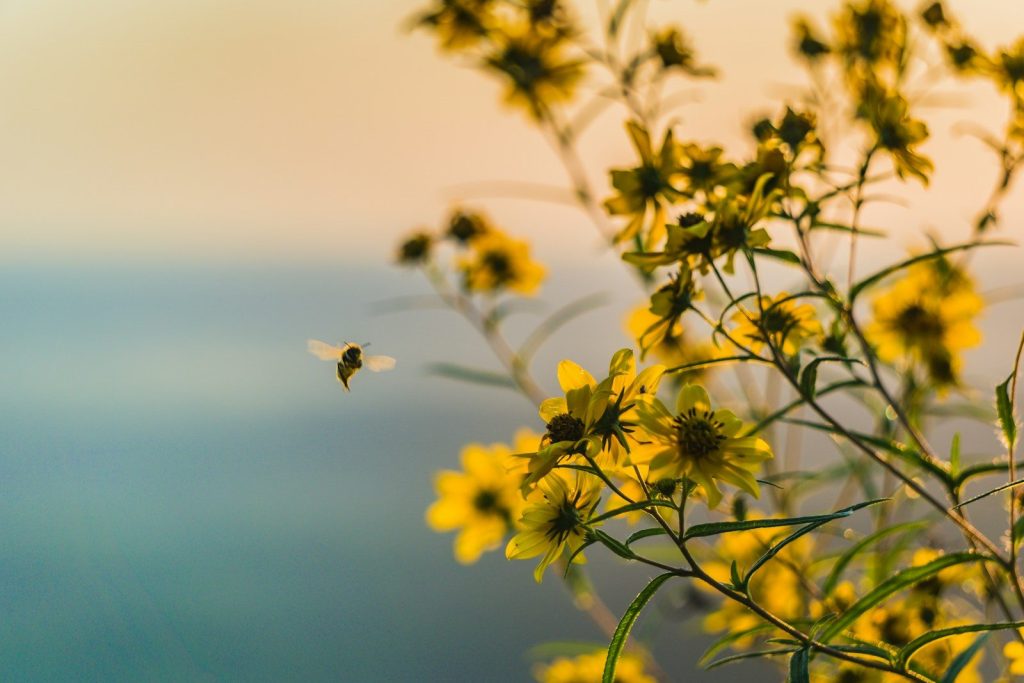
Scientists around the world have reported worrying declines in bee populations over recent decades. Habitat loss, pesticides, climate change, and disease are all contributing factors.
As bee numbers fall, concerns grow about the long-term impact on food systems and biodiversity.
Pesticides and Chemicals Pose Major Risks
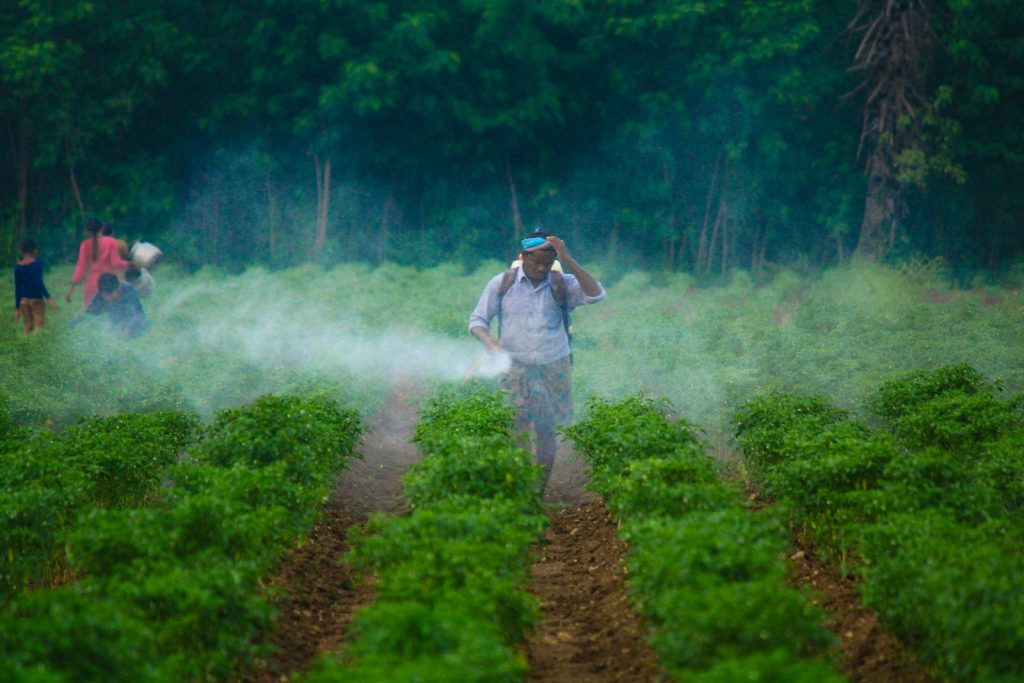
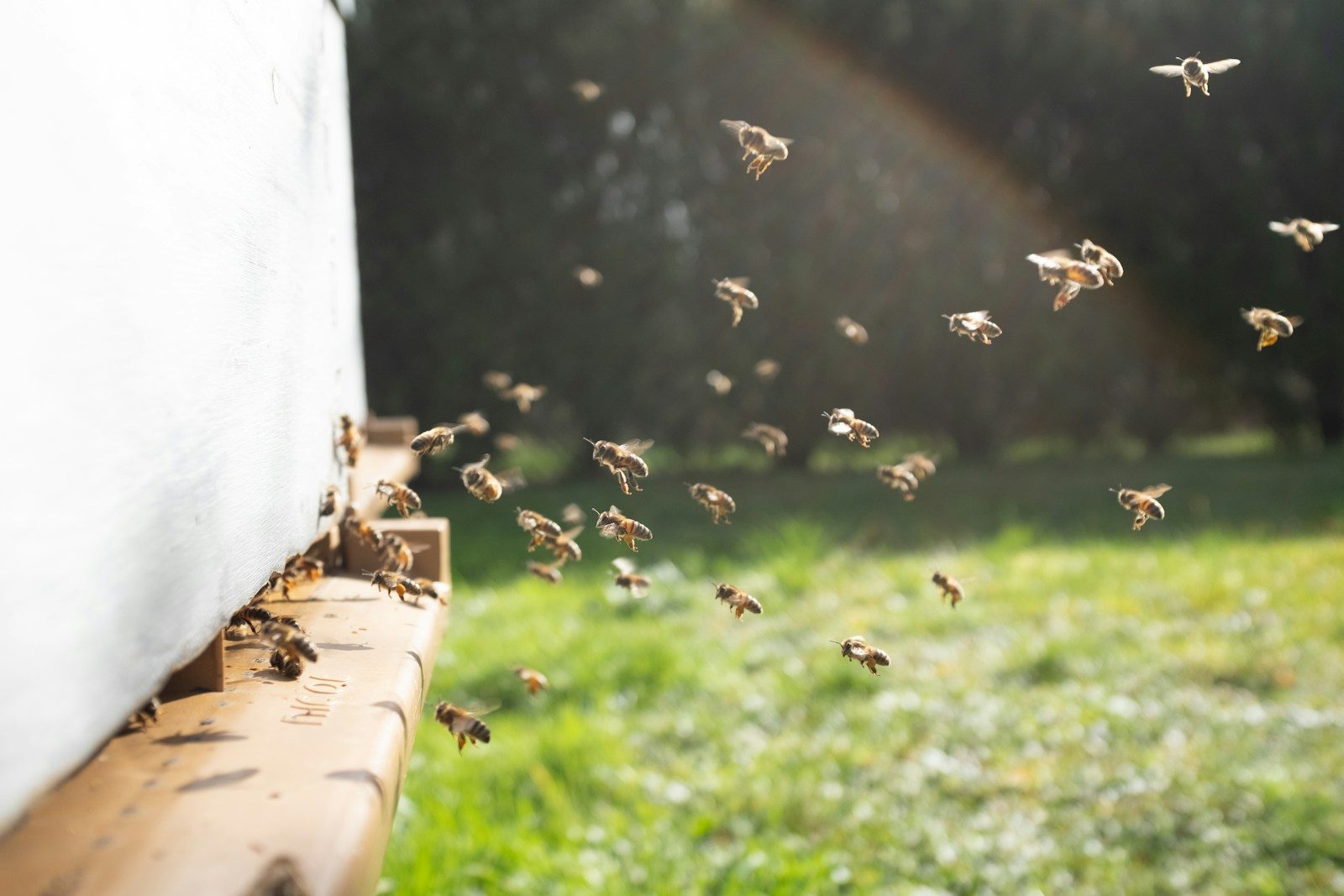
Certain agricultural chemicals can weaken bees, damage navigation abilities, or kill entire colonies. Exposure to pesticides has become one of the biggest threats facing pollinators today.
Even small disruptions to bee health can create serious effects across ecosystems and farming industries.
Climate Change Is Affecting Bee Behavior
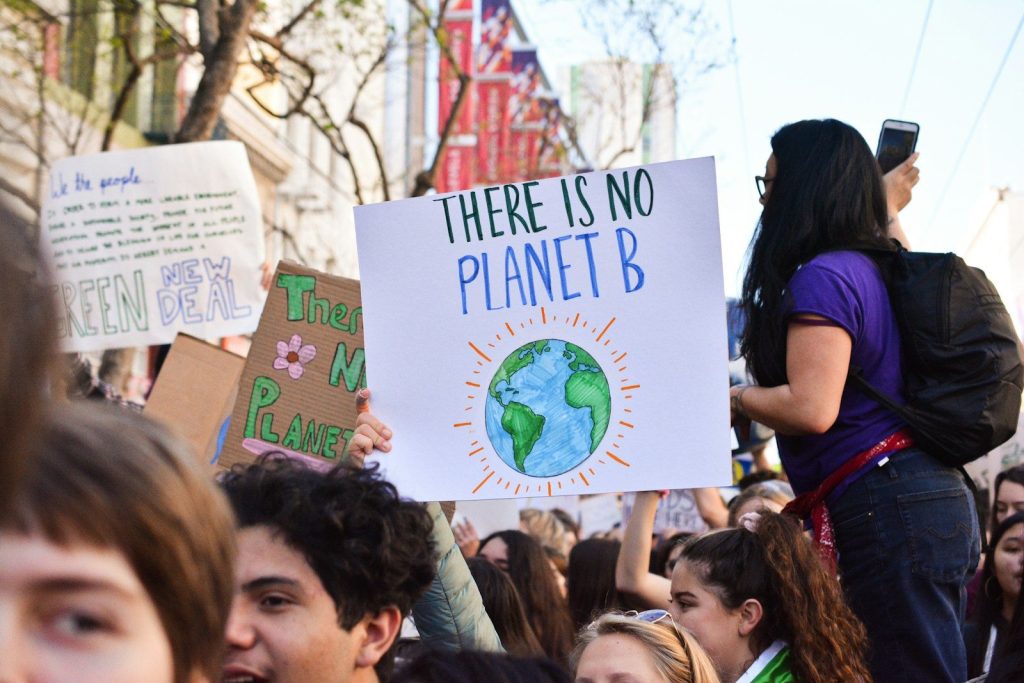
Changing temperatures and unpredictable weather patterns are disrupting flowering seasons and bee activity cycles. This can reduce pollination success in important agricultural areas.
Extreme heat, droughts, and habitat shifts are making survival more difficult for many bee species worldwide.
Bees Produce More Than Honey
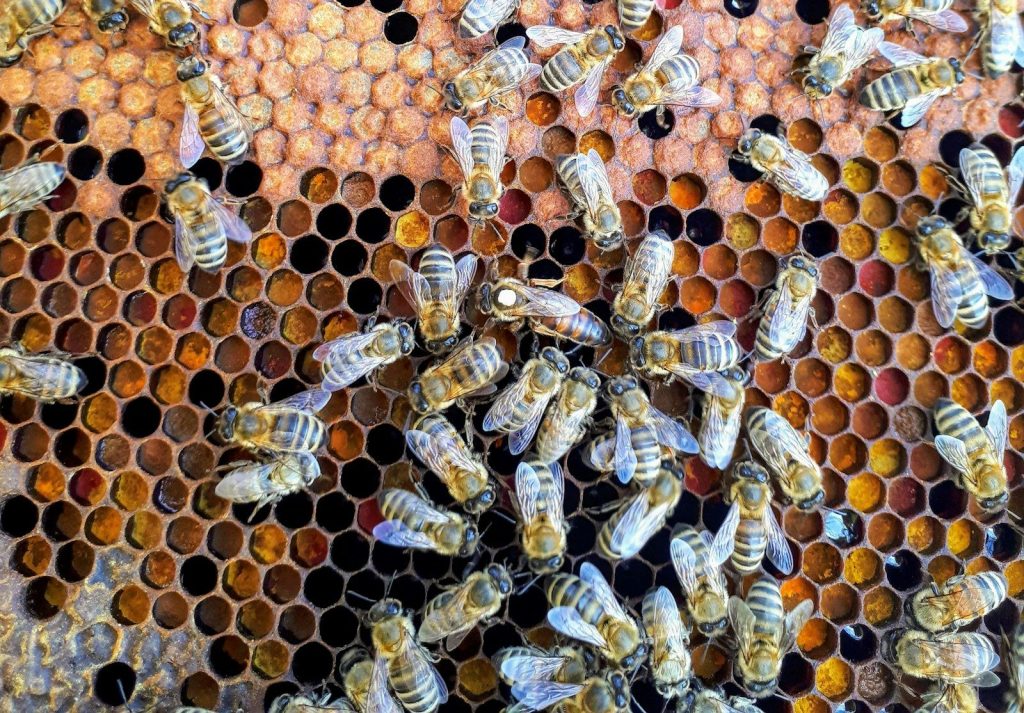
Honey is only one small part of what bees contribute to humanity. Beeswax, propolis, and royal jelly are also widely used in food, medicine, cosmetics, and manufacturing.
Their economic value to agriculture alone reaches billions of dollars globally each year.
Protecting Bees Protects Humanity
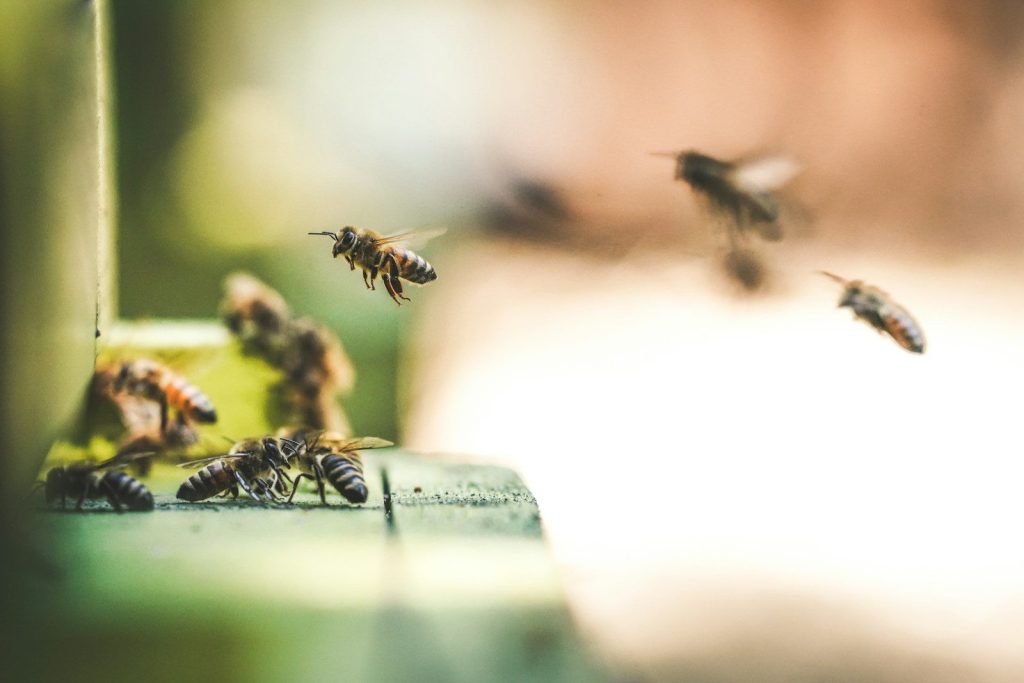
Planting native flowers, reducing pesticide use, and preserving natural habitats can help support healthy bee populations. Even small backyard gardens can provide important food sources for pollinators.
Protecting bees is not just about saving insects; it is about protecting food systems, ecosystems, and the future stability of human life itself.