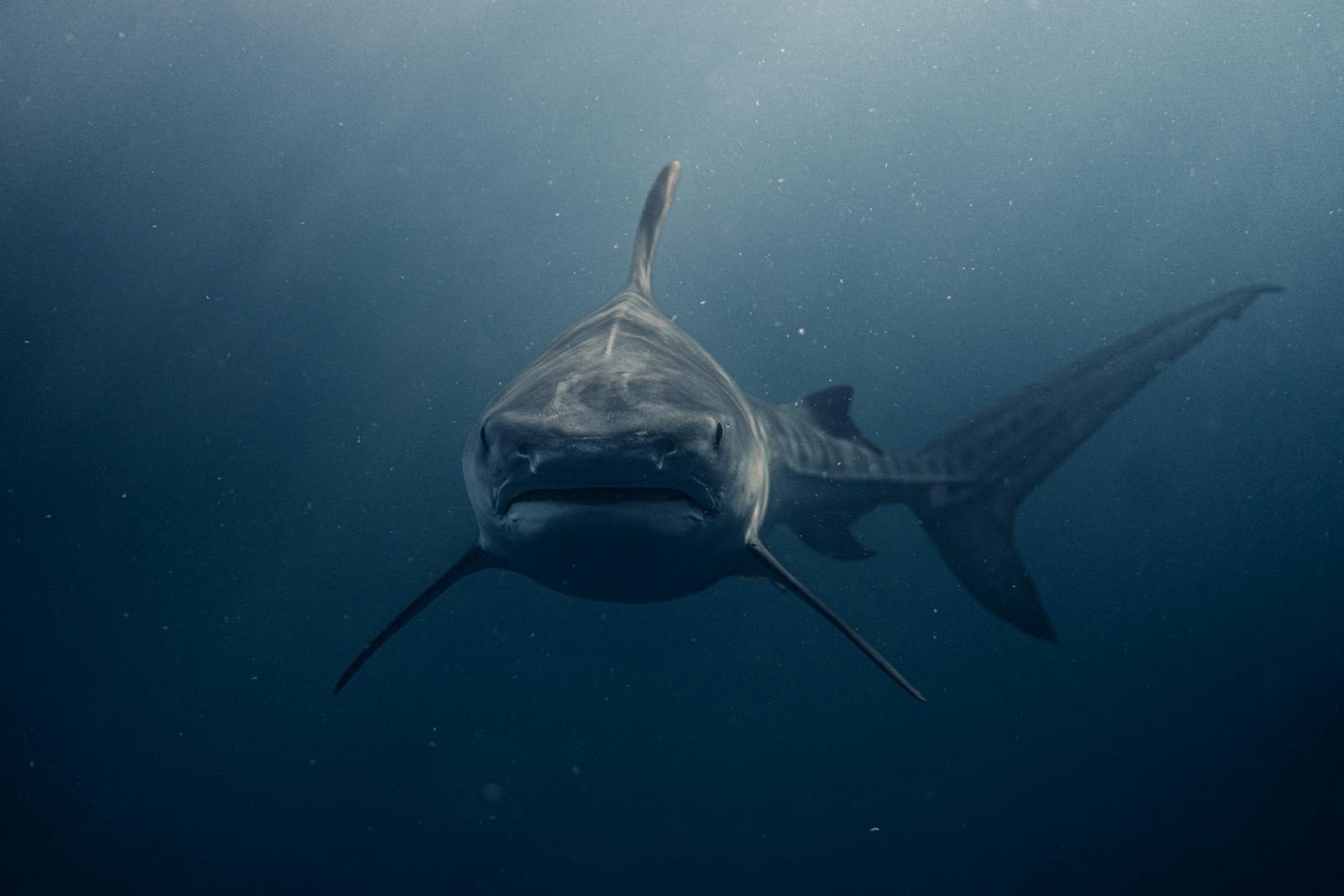
When most people think of sharks, they imagine warm tropical oceans filled with fast moving predators. Surprisingly, several shark species have adapted to survive in the icy waters surrounding Alaska, where temperatures can remain brutally cold for much of the year.
These sharks have evolved remarkable biological traits that allow them to hunt, navigate, and thrive in conditions that would challenge many marine animals. Scientists continue studying these cold water predators to better understand how life survives in some of the harshest ocean environments on Earth.
The Pacific Sleeper Shark Rules Alaska’s Deep Waters
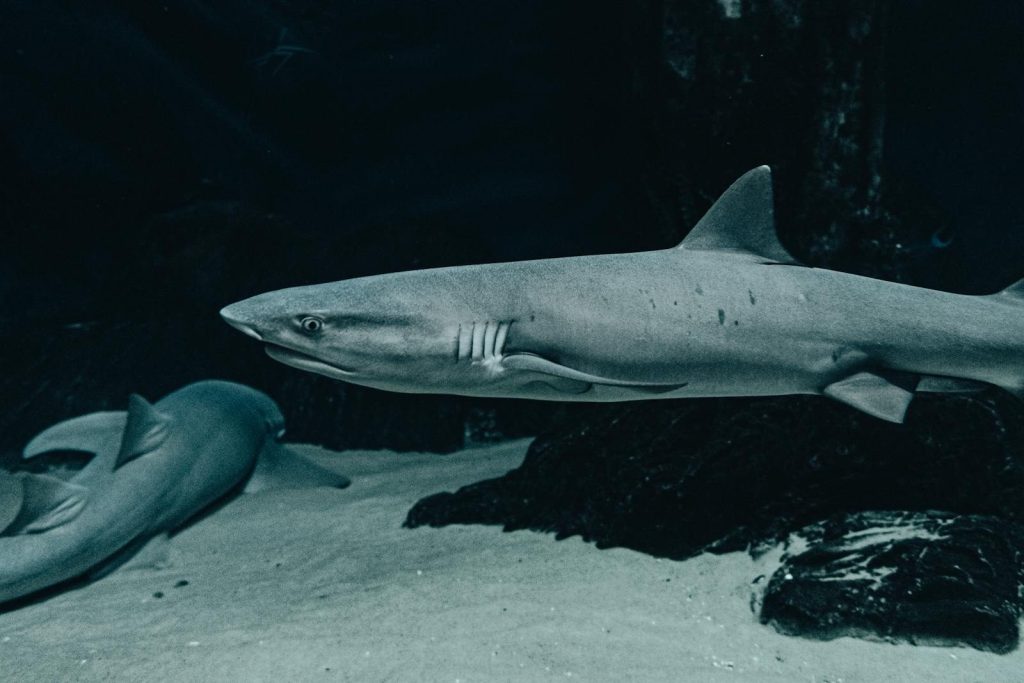
One of the most well known sharks in Alaska is the Pacific sleeper shark, a massive species that inhabits deep and frigid waters. These sharks can grow to enormous sizes and move slowly through the dark ocean depths.
Despite their sluggish appearance, they are powerful predators capable of feeding on fish, squid, and even marine mammals. Researchers believe their slow metabolism helps conserve energy in freezing conditions.
Cold Water Sharks Have Specialized Adaptations
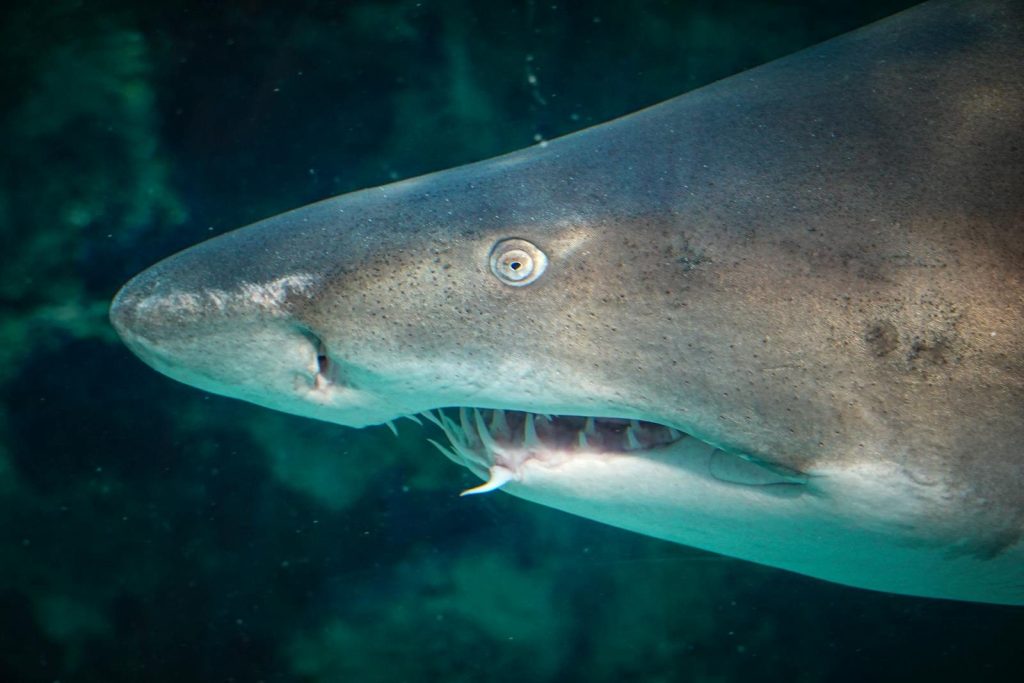
Sharks living in Alaska possess biological adaptations that help them function in near freezing temperatures. Their bodies are designed to maintain internal processes even when surrounding waters are extremely cold.
Some species rely on slow metabolic rates and energy efficient movement to survive. These traits allow them to thrive where many warm water predators could not endure.
Deep Ocean Habitats Provide Protection

Many Alaskan sharks spend much of their lives in deep offshore waters far below the surface. These environments offer stable temperatures and reduced competition from other predators.
The darkness and pressure of these habitats make studying the animals especially difficult. Scientists still know relatively little about the full behavior and migration patterns of many cold water shark species.
Alaska’s Food Rich Waters Support Large Predators
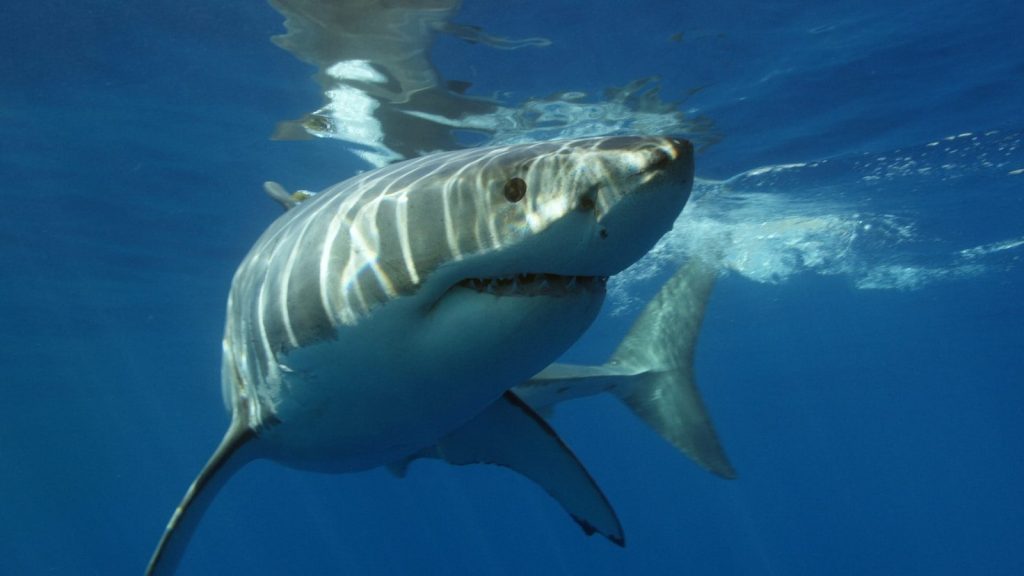
The waters surrounding Alaska are rich in marine life, creating ideal feeding grounds for large predators. Fish populations, squid, and marine mammals provide a steady food supply throughout the region.
This abundance allows sharks to survive despite the harsh climate. Ocean currents and nutrient rich ecosystems play a major role in sustaining the marine food chain.
Encounters With Humans Are Extremely Rare

Unlike sharks found in warmer coastal regions, Alaskan species rarely interact with humans. Most inhabit remote waters far from beaches and recreational swimming areas.
Because of this isolation, shark attacks in Alaska are exceptionally uncommon. Many species remain mysterious simply because people encounter them so infrequently.
Scientists Continue Unlocking Their Secrets
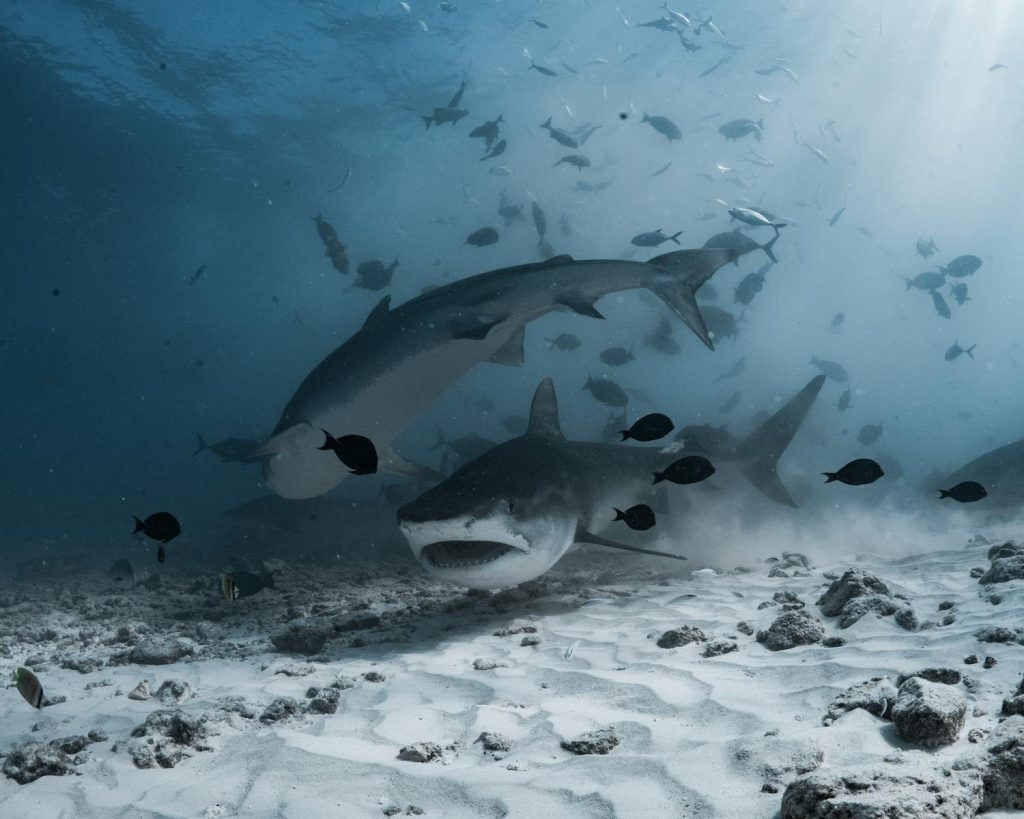
Marine researchers are increasingly interested in understanding how these sharks survive in such extreme conditions. Advances in tracking technology and deep sea exploration are helping scientists gather new information.
Studying cold water sharks may also provide insights into climate change and shifting ocean ecosystems. As Arctic and northern waters continue changing, researchers are closely monitoring how these predators adapt.