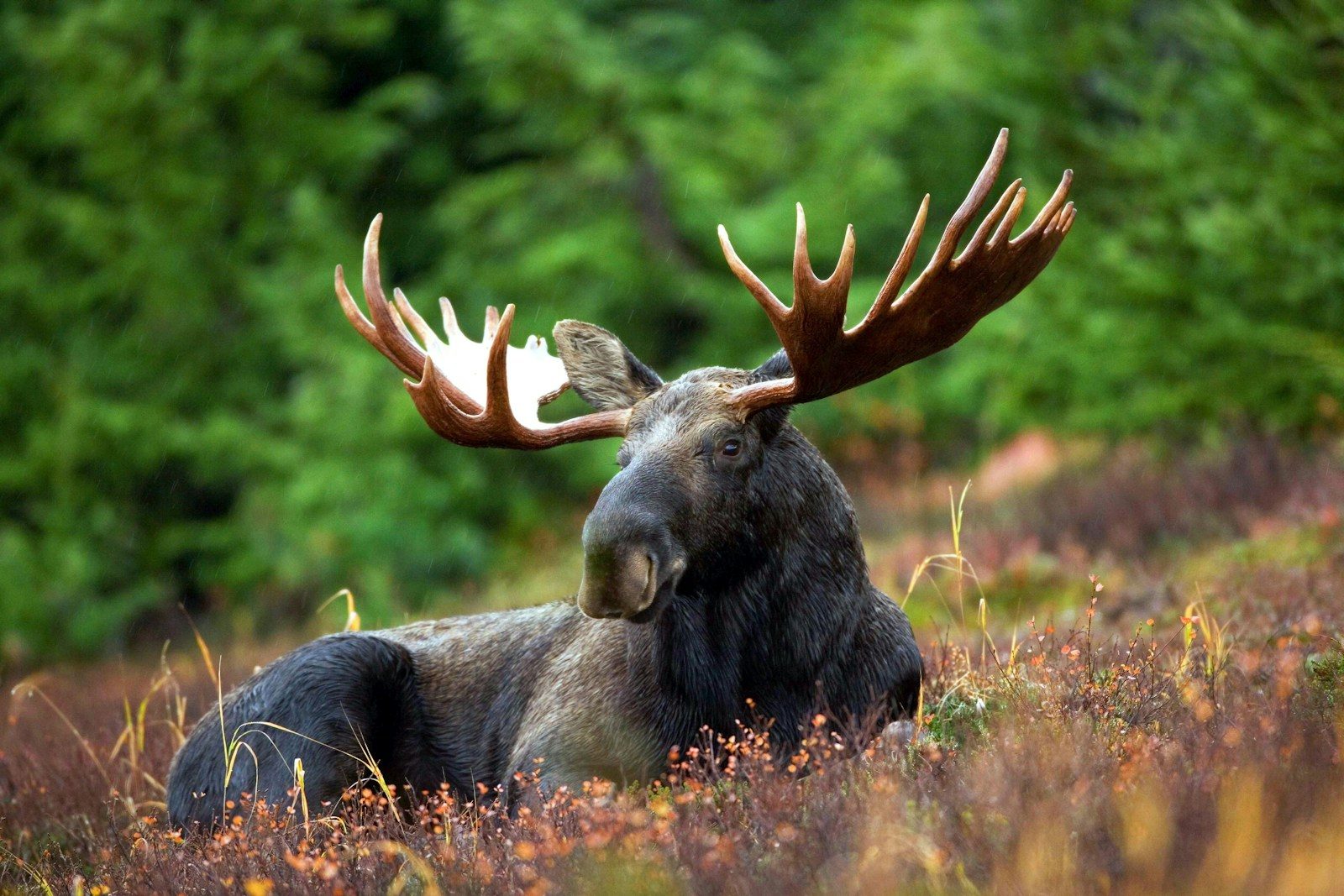
Wild moose are among the most iconic animals of North America, known for their massive size, towering antlers, and ability to survive in harsh northern climates. While many people associate them mainly with Canada or Alaska, moose still roam freely across several U.S. states where cold forests, wetlands, and mountain regions provide ideal habitats.
Although sightings are not guaranteed, certain regions consistently report wild moose populations. These areas are typically remote, heavily forested, and rich in water sources that support the animals’ feeding and breeding needs.
Alaska Remains The Stronghold Of Wild Moose
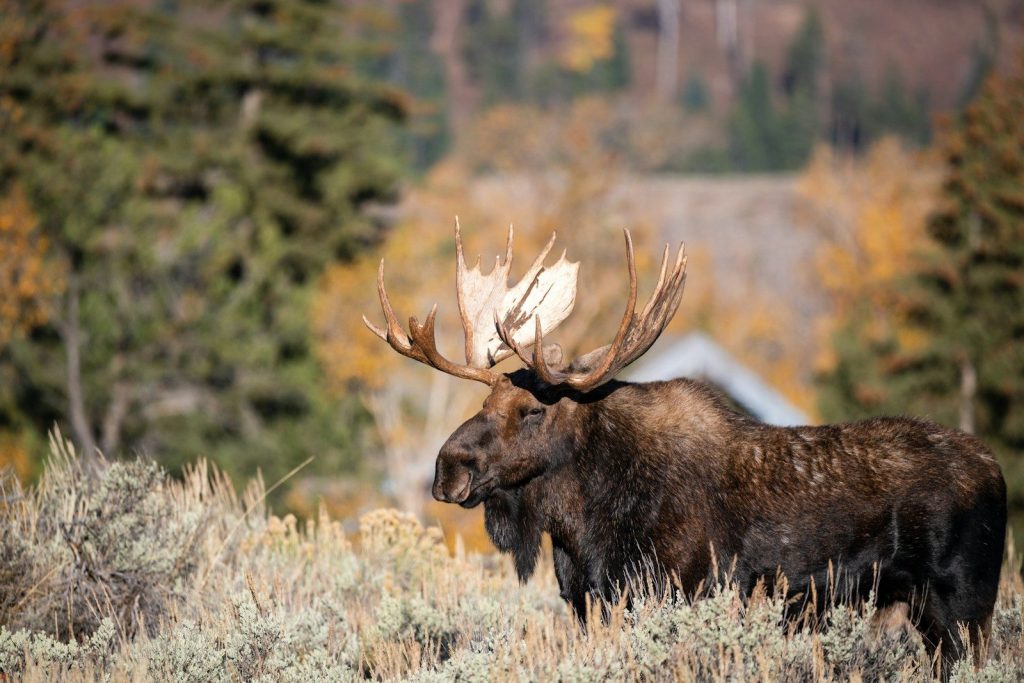
Alaska is home to the largest moose population in the United States, with animals spread across forests, valleys, and even suburban outskirts. The state’s cold climate and abundant vegetation make it one of the most suitable habitats for the species.
Moose are frequently seen near rivers, highways, and open wilderness areas. In some regions, encountering one is considered a regular part of daily life.
Maine Offers One Of The Best Chances In The Lower 48
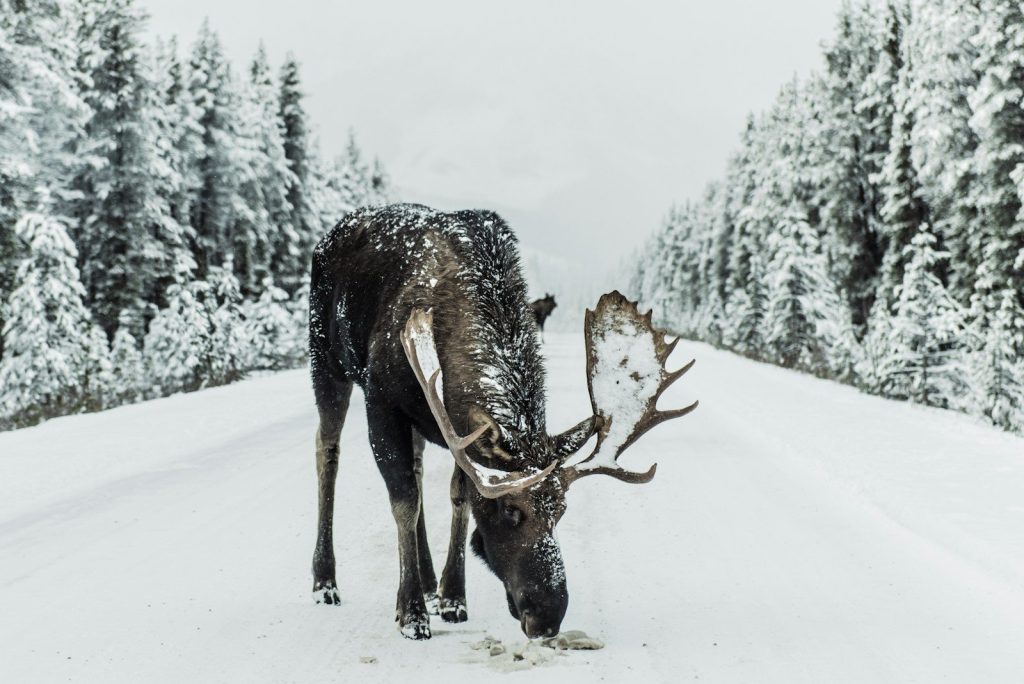
Maine is widely recognized as the state with the highest moose population in the contiguous United States. Its vast forests and low human density create ideal conditions for large herds to thrive.
Moose are often spotted in wooded areas, especially during early morning or evening hours. The state has become one of the most reliable destinations for wildlife viewing enthusiasts.
New Hampshire’s Forests Support A Growing Population
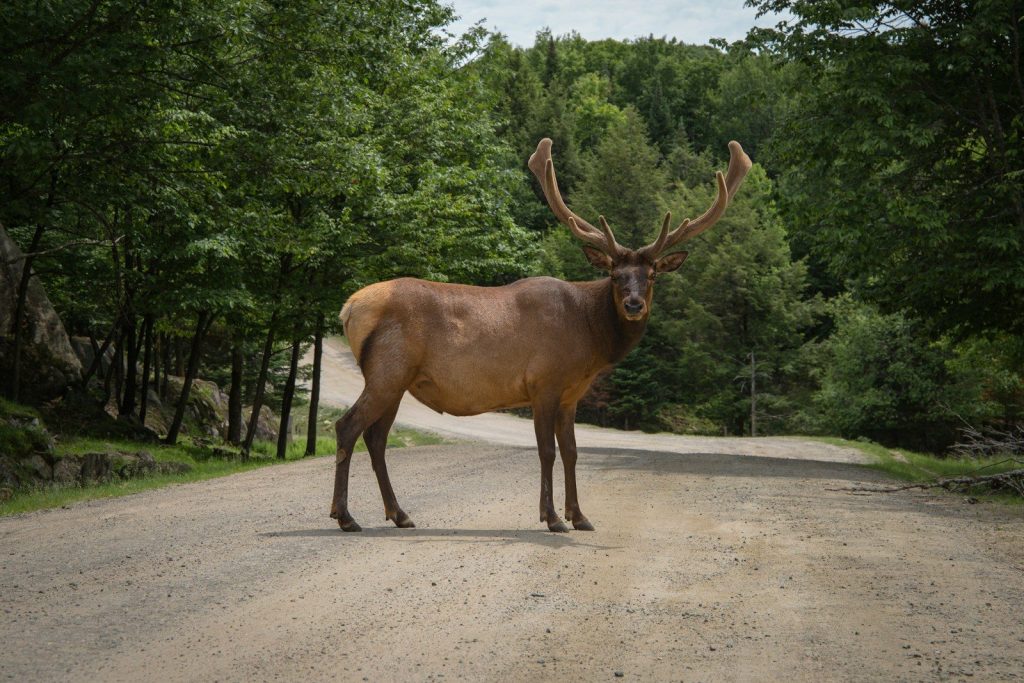
New Hampshire’s mountainous terrain and dense forests provide excellent habitat for moose. Populations have expanded in recent decades due to conservation efforts and reforestation.
Sightings are most common in northern parts of the state where human development is limited. Moose often move between forested valleys and roadside vegetation in search of food.
Vermont Remains A Key Moose Territory In New England
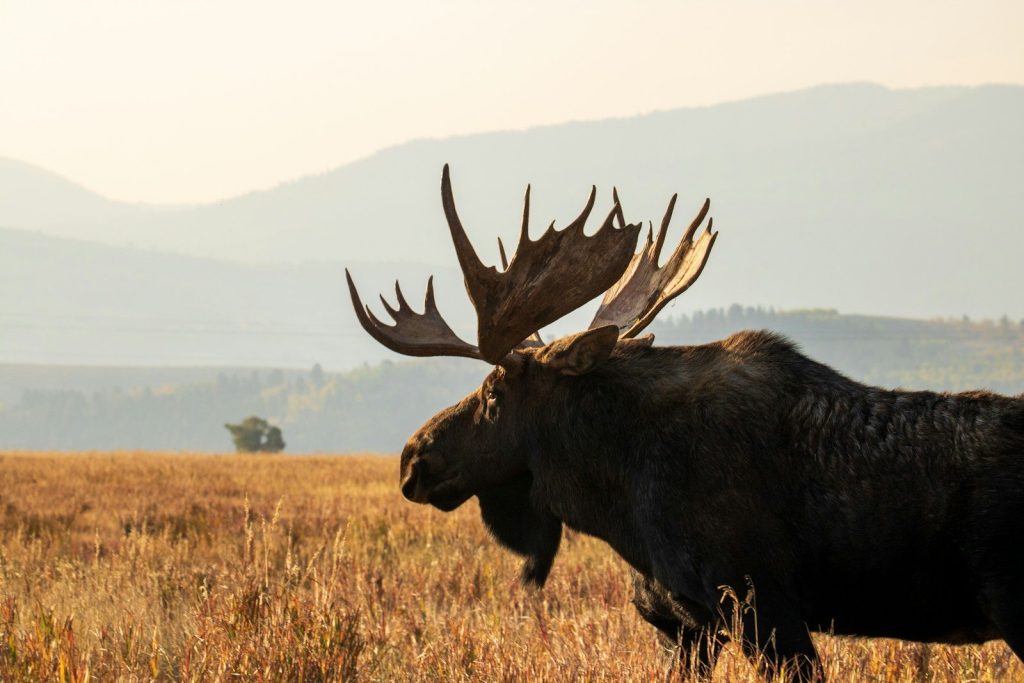
Vermont supports a stable moose population, particularly in its northern and central regions. The state’s wetlands and boreal forests provide the nutrients and cover these animals need.
Moose are frequently seen near marshes, ponds, and remote hiking areas. Seasonal changes, especially in cooler months, can increase visibility.
Minnesota Holds One Of The Largest Midwest Populations
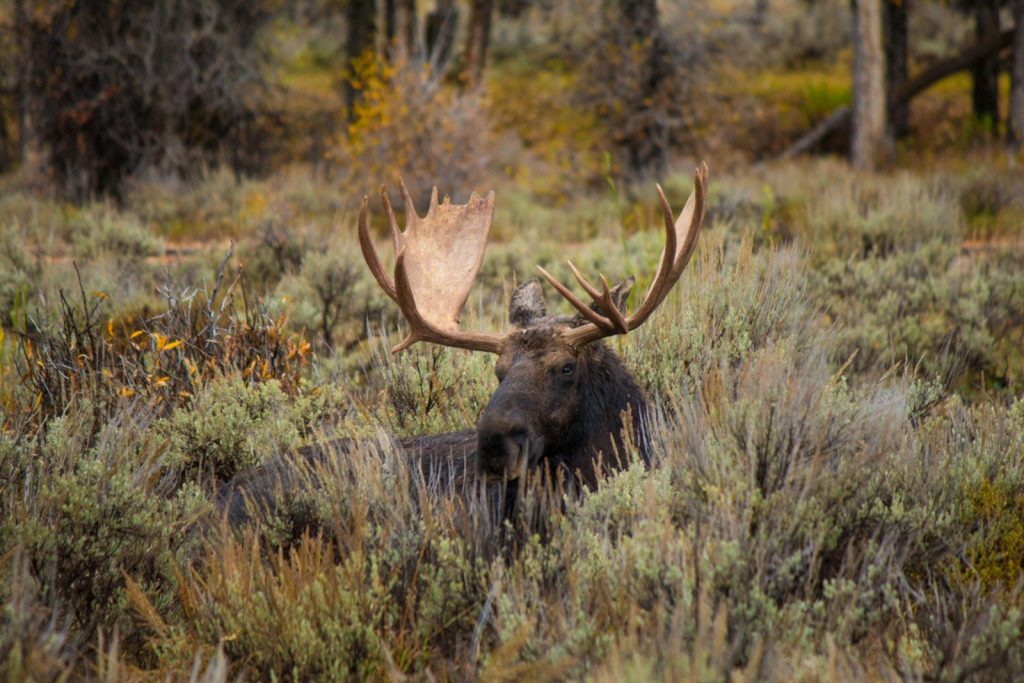
Minnesota’s northern forests are home to a significant moose population, although numbers have fluctuated in recent years. The animals are mainly concentrated near the border with Canada.
They prefer dense woodland areas and regions close to lakes and rivers. Conservationists continue to monitor their population due to environmental pressures.
Wyoming And The Rocky Mountain Region Provide Ideal Habitat
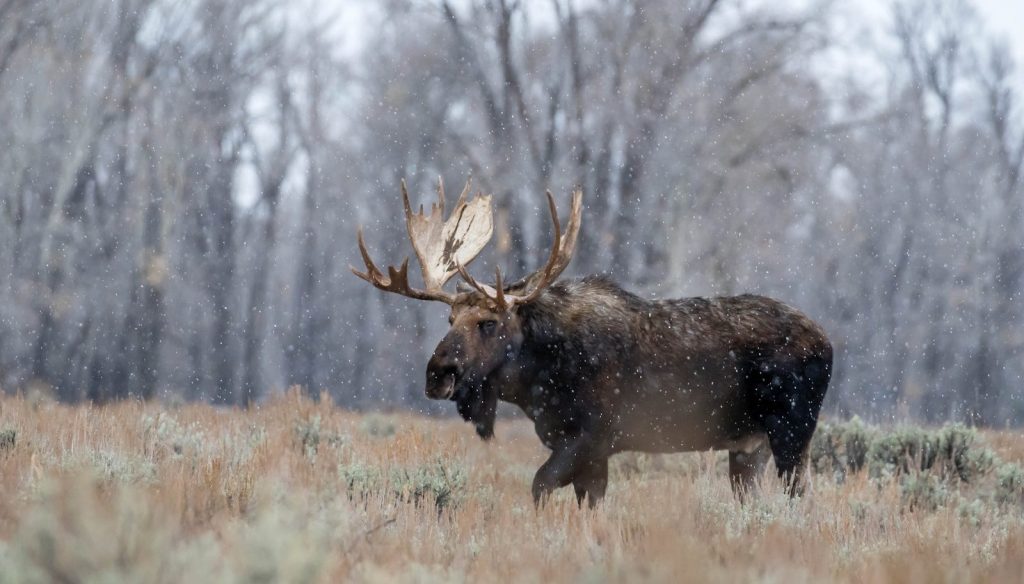
Wyoming supports moose primarily in its mountainous regions, especially within national forests. The Shiras moose subspecies found here is smaller but well adapted to rugged terrain.
These animals are often seen near streams and willow-rich valleys. Similar populations extend into neighboring Rocky Mountain states where conditions are suitable.
Idaho And Washington Offer Forested Wilderness Range
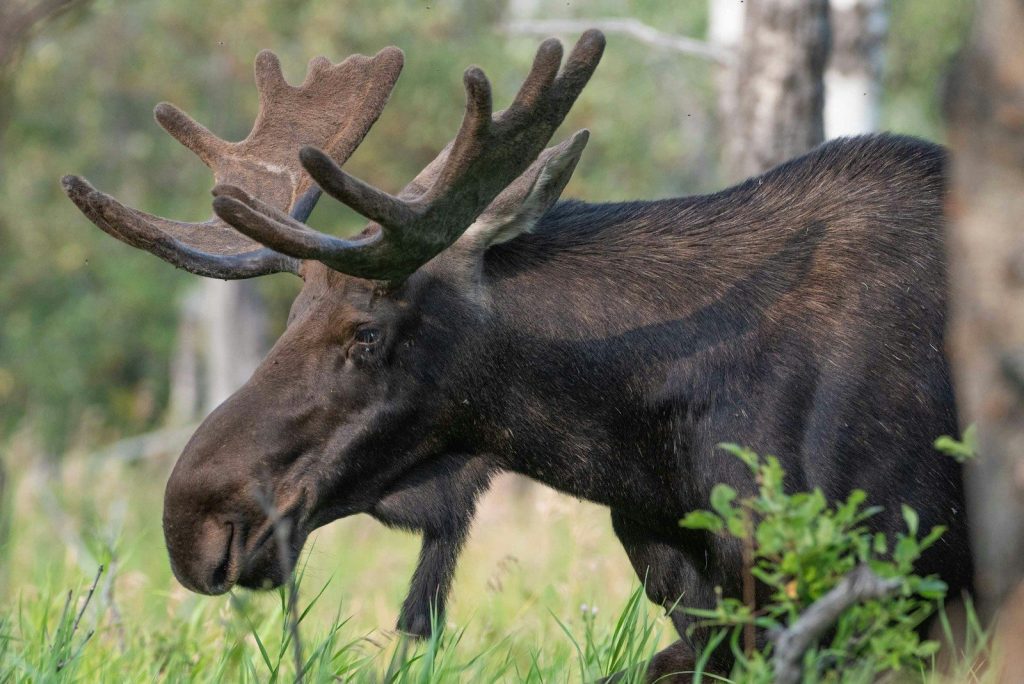
Idaho and Washington both support healthy moose populations in their northern and forested regions. These states provide the wetlands and dense vegetation needed for feeding and shelter.
Sightings are common near rivers, forest edges, and remote mountain areas. The populations here continue to expand in suitable habitats.