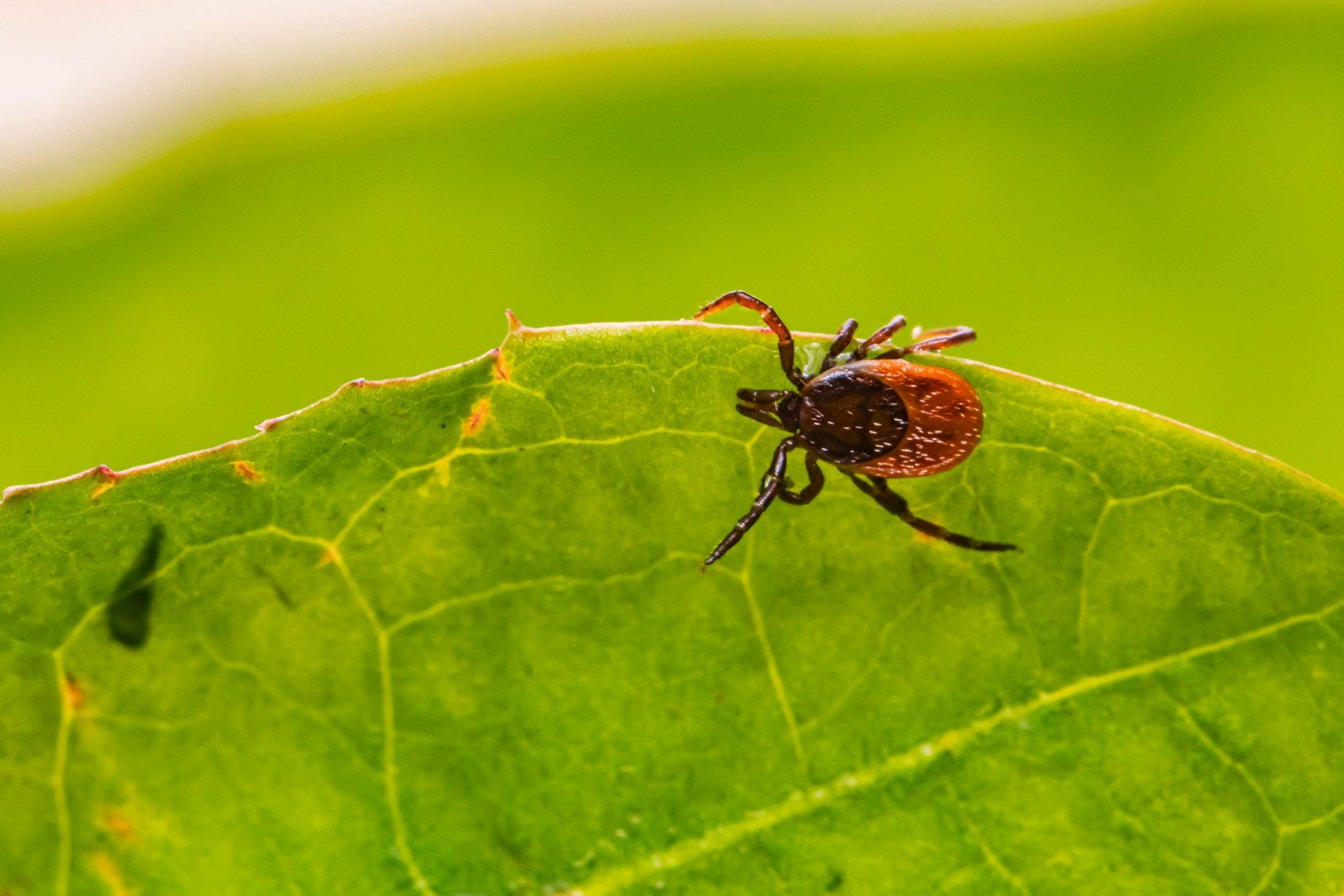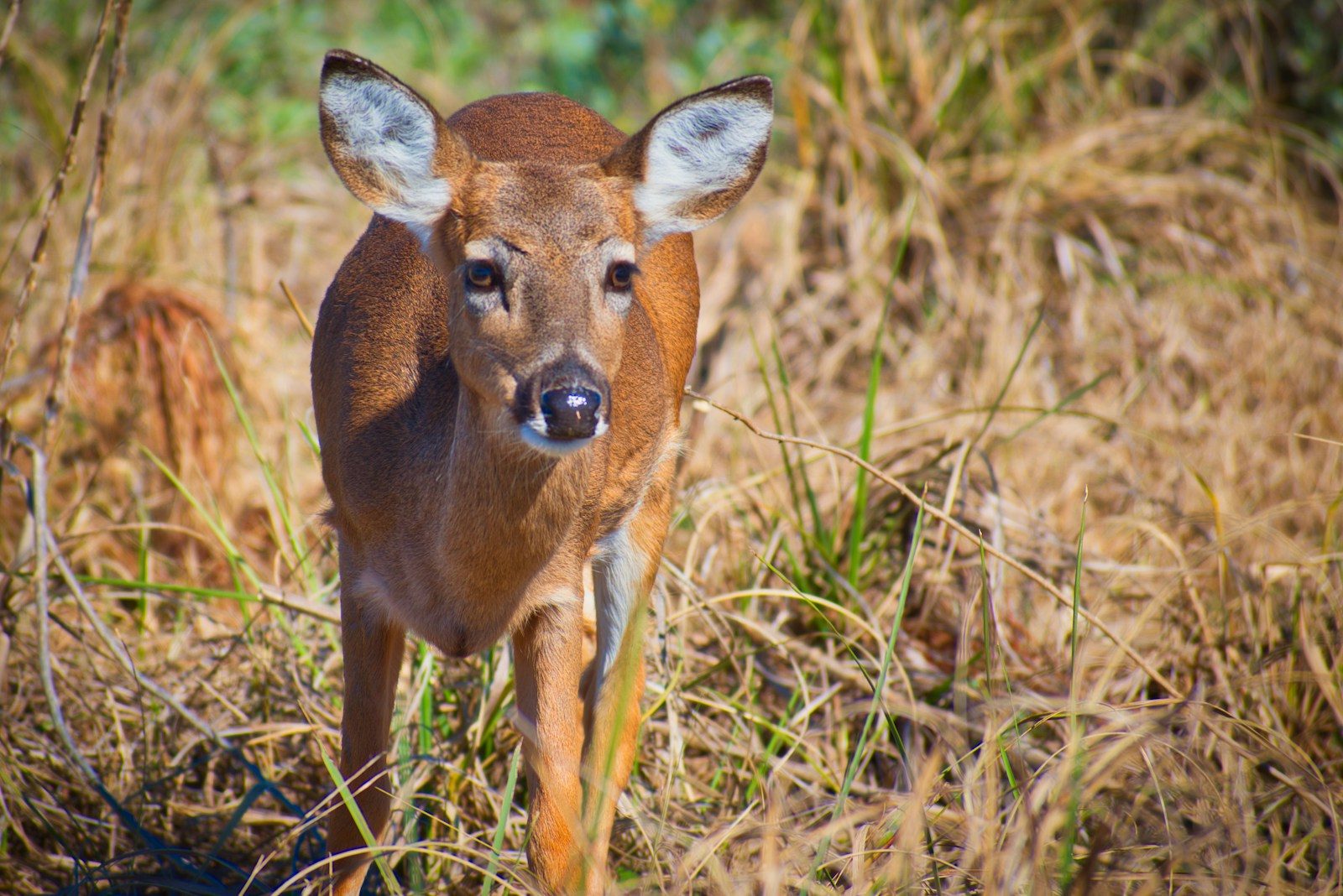
Ticks have always been part of life in the wild, but wildlife experts are becoming increasingly concerned about how severe infestations are affecting young deer. In heavy tick years, fawns can suffer from blindness, infections, blood loss, and in extreme cases, death.
As tick populations continue spreading across North America, researchers fear these parasites could become an even greater threat to vulnerable wildlife populations.
Why Fawns Are Especially Vulnerable

Newborn fawns spend much of their early life hidden motionless in tall grass and thick vegetation. This natural survival behavior helps protect them from predators but also exposes them to large numbers of ticks.
During severe tick seasons, parasites can gather around the eyes, ears, and face where the skin is sensitive and easier to feed from.
How Tick Infestations Become Dangerous
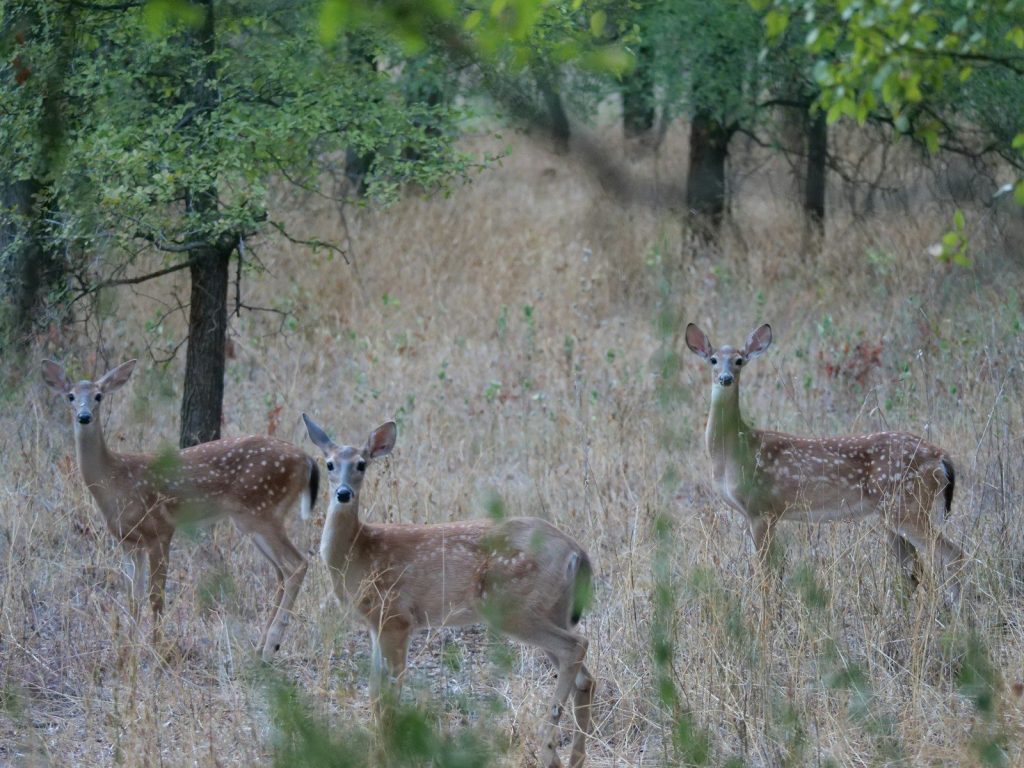
A few ticks rarely cause serious harm to healthy deer, but massive infestations can create severe complications. Blood loss, swelling, infection, and tissue damage can weaken young animals quickly.
When ticks cluster around the eyes, fawns may struggle to see properly, increasing their risk of injury, starvation, or predator attacks.
Cases of Extreme Tick Damage
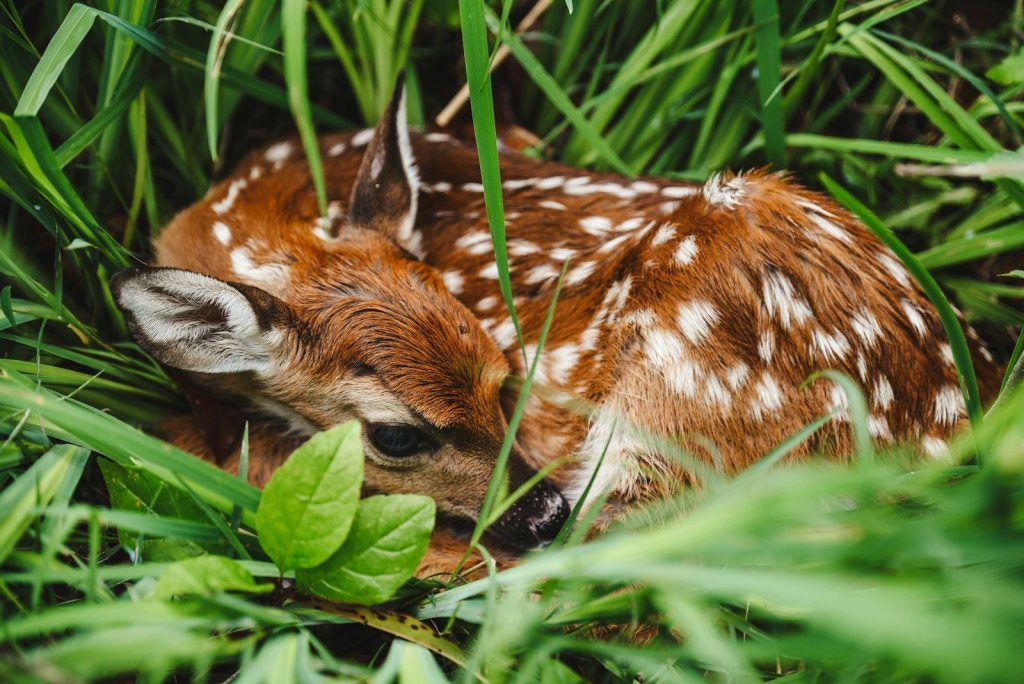
Wildlife observers in Missouri documented fawns with eyes swollen shut and heavily covered in ticks. Some cases involved hundreds of ticks feeding around a single animal’s face.
Researchers and wildlife rehabilitators have reported severe infections and permanent blindness in young deer suffering from unusually heavy infestations.
Tick Numbers Are Expanding Rapidly

Many hunters and wildlife experts report seeing far more ticks today than they did decades ago. Expanding tick populations are now spreading into regions where they were once less common.
Warmer temperatures, changing landscapes, and dense vegetation are believed to be helping ticks survive and reproduce more successfully.
Tick-Borne Diseases Are Also Increasing
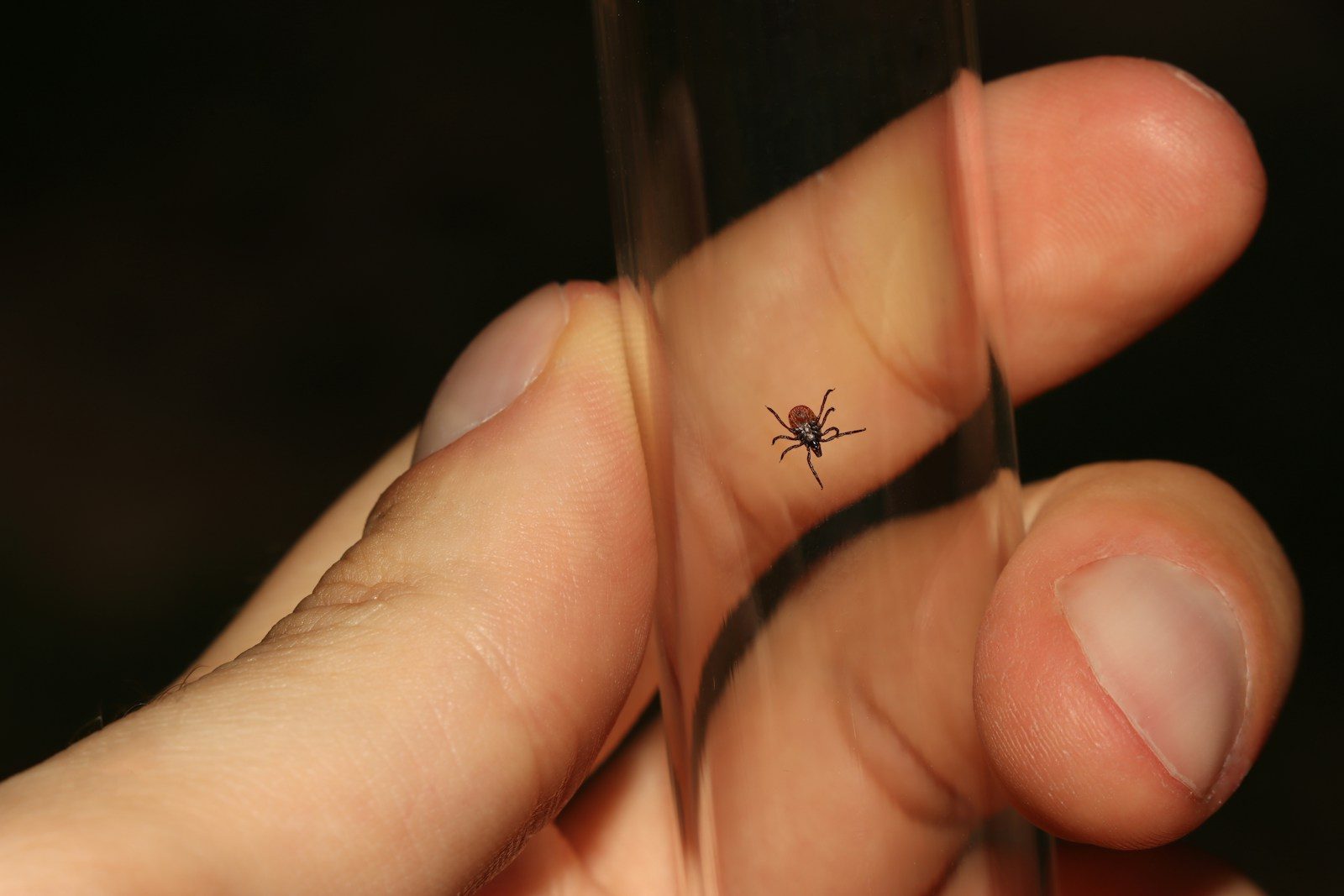
Ticks do not only harm wildlife physically. They also spread dangerous diseases that affect both animals and humans.
As tick populations grow, concerns over illnesses carried by these parasites continue increasing across much of the United States.
Why Habitat Changes May Be Making Things Worse
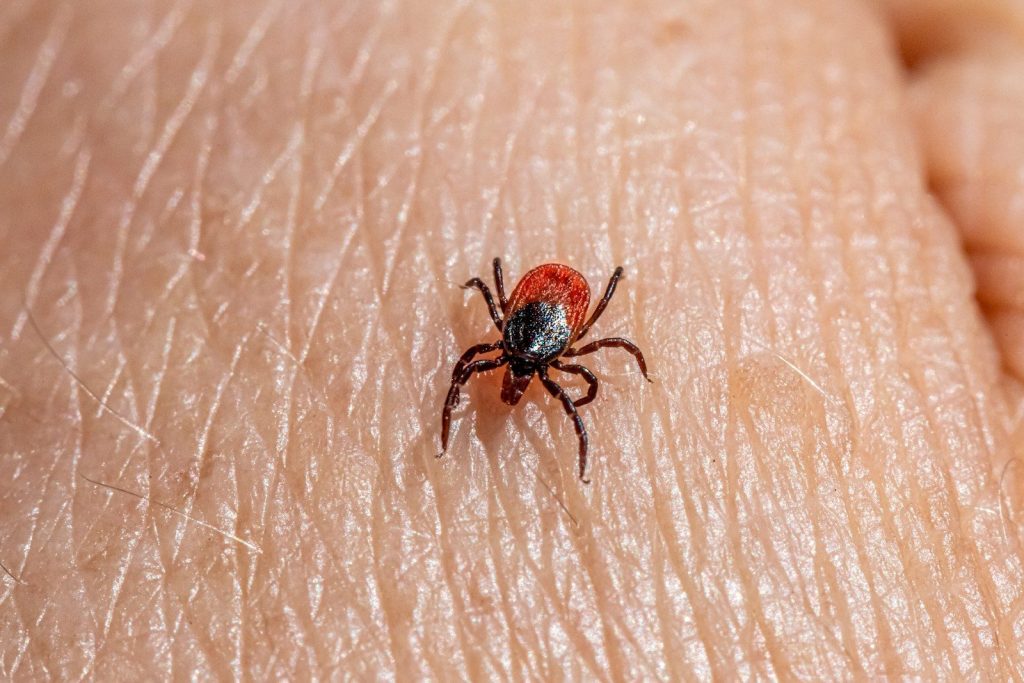
Researchers believe certain habitat conditions create ideal environments for ticks. Dense cedar thickets, tall grasses, and humid vegetation can allow tick populations to thrive.
Some land managers are now exploring habitat restoration and vegetation control as possible ways to reduce tick-heavy environments.
Can Affected Fawns Still Survive?
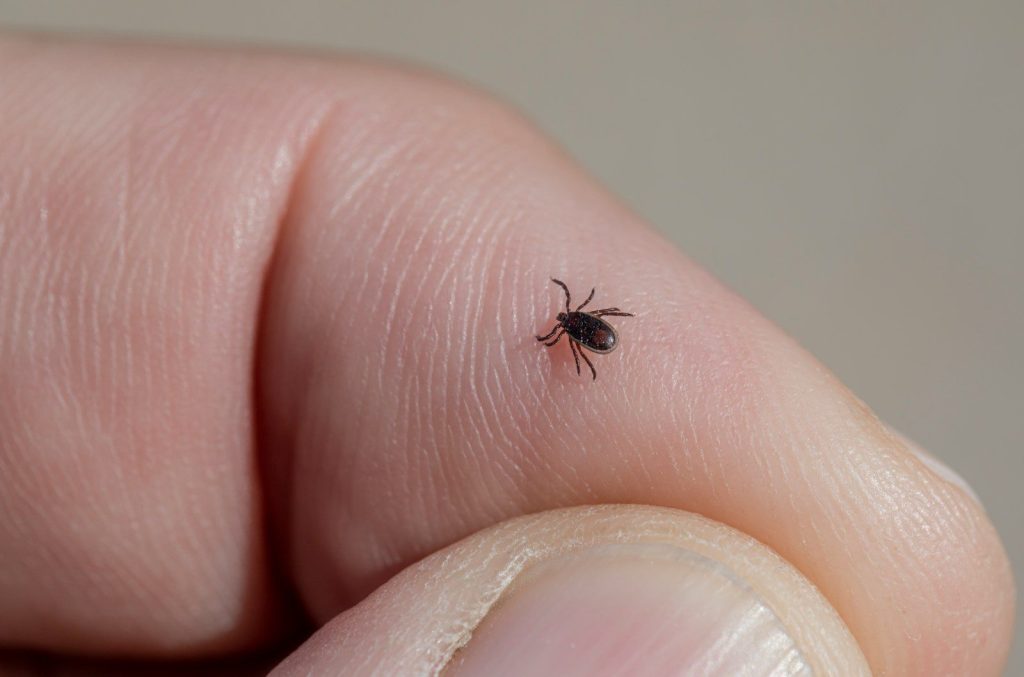
Despite severe infestations, some young deer still manage to survive because of their natural resilience. Wildlife experts say survival often depends on whether infections become serious.
Even when fawns survive, permanent vision damage and long-term health complications may continue affecting them throughout their lives.