Snakes are among the most feared creatures on the planet, but not all venomous species pose the same level of danger. Cobras and cottonmouths are both highly recognizable snakes that have developed deadly survival traits, yet they differ greatly in behavior, habitat, and venom potency.
While cobras are known for their intimidating hood and powerful neurotoxic venom, cottonmouths rely on aggression and camouflage to defend themselves. Experts say understanding how each species behaves is essential when evaluating which snake is truly more dangerous.
Cobras Possess Highly Potent Venom
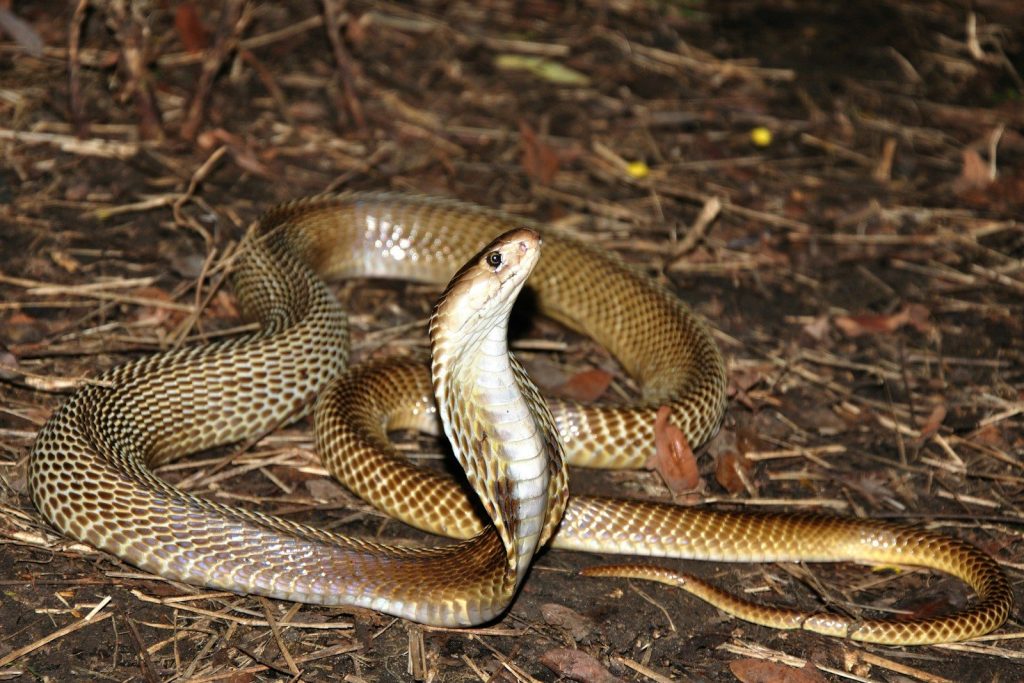
Cobras are equipped with venom that attacks the nervous system and can quickly lead to paralysis in severe cases. Some species are capable of delivering enough venom in a single bite to kill large animals or humans without treatment.
Their venom works rapidly compared to many other snake species around the world. Medical experts consider certain cobra species among the deadliest snakes ever studied.
Cottonmouths Depend On Defensive Aggression

Cottonmouths, also called water moccasins, are pit vipers commonly found in wetlands and waterways across the southeastern United States. Unlike many snakes that retreat from threats, cottonmouths are known for standing their ground when disturbed.
They display the white interior of their mouths as a warning signal before striking. Wildlife experts say this defensive behavior contributes heavily to their dangerous reputation.
Cobras Use Intimidation To Avoid Conflict
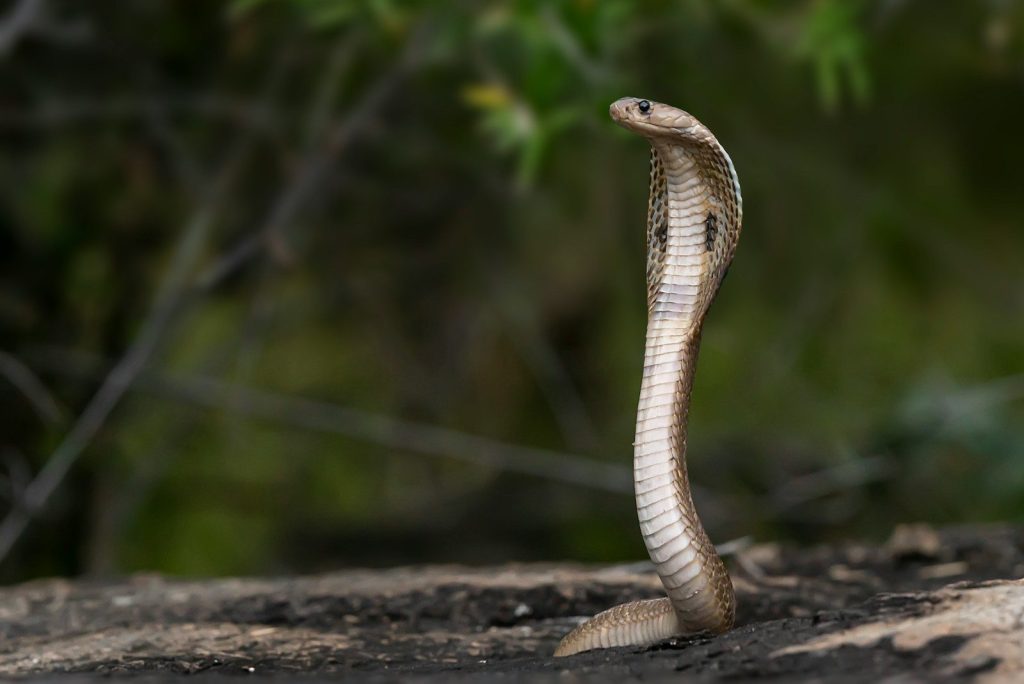
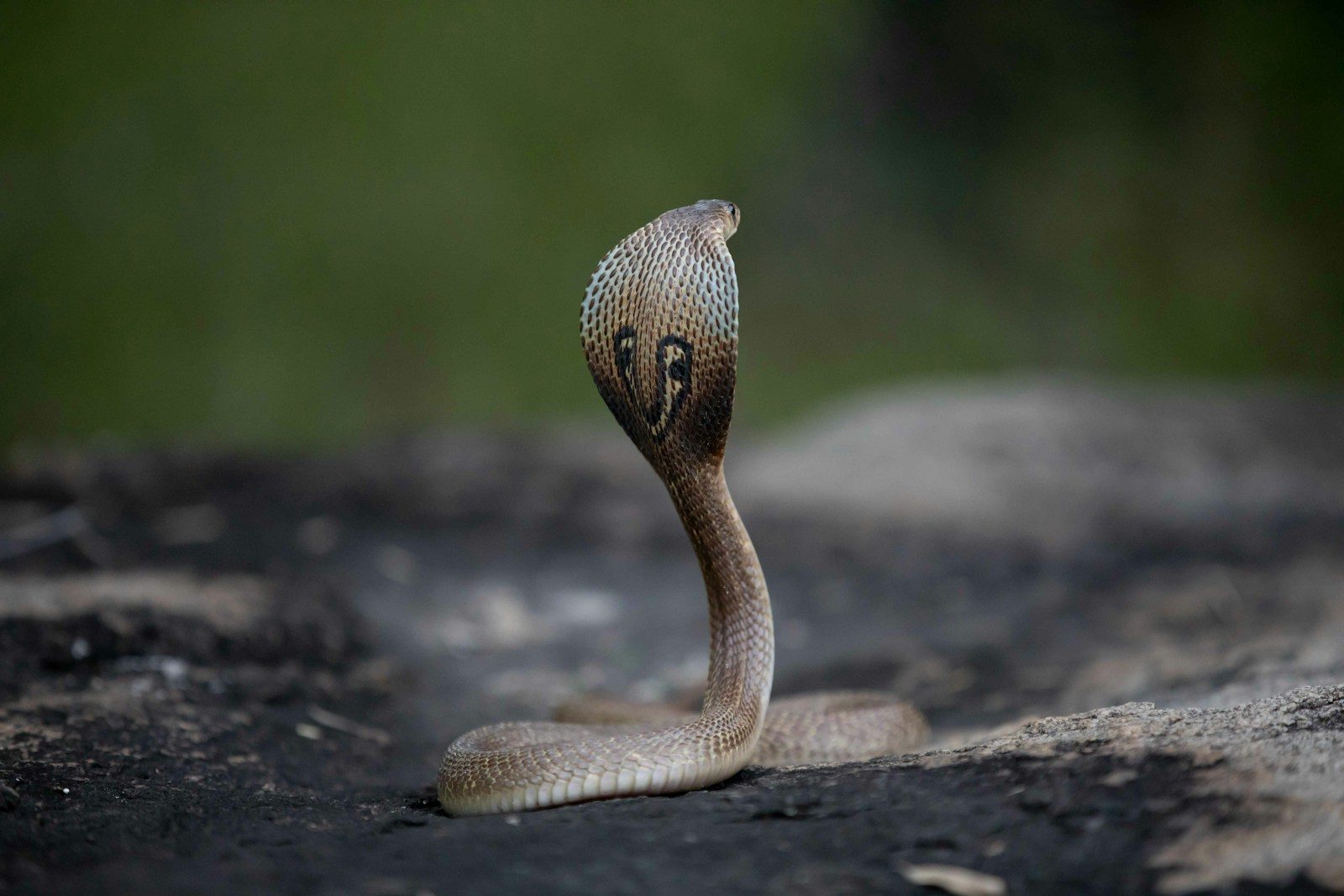
One of the cobra’s most recognizable traits is its ability to spread a hood around its neck when threatened. This dramatic display is designed to scare predators away before physical confrontation occurs.
Some cobras can even spit venom accurately toward an attacker’s eyes from several feet away. This unique defense mechanism can cause temporary or permanent blindness if untreated.
Cottonmouths Thrive In Aquatic Habitats
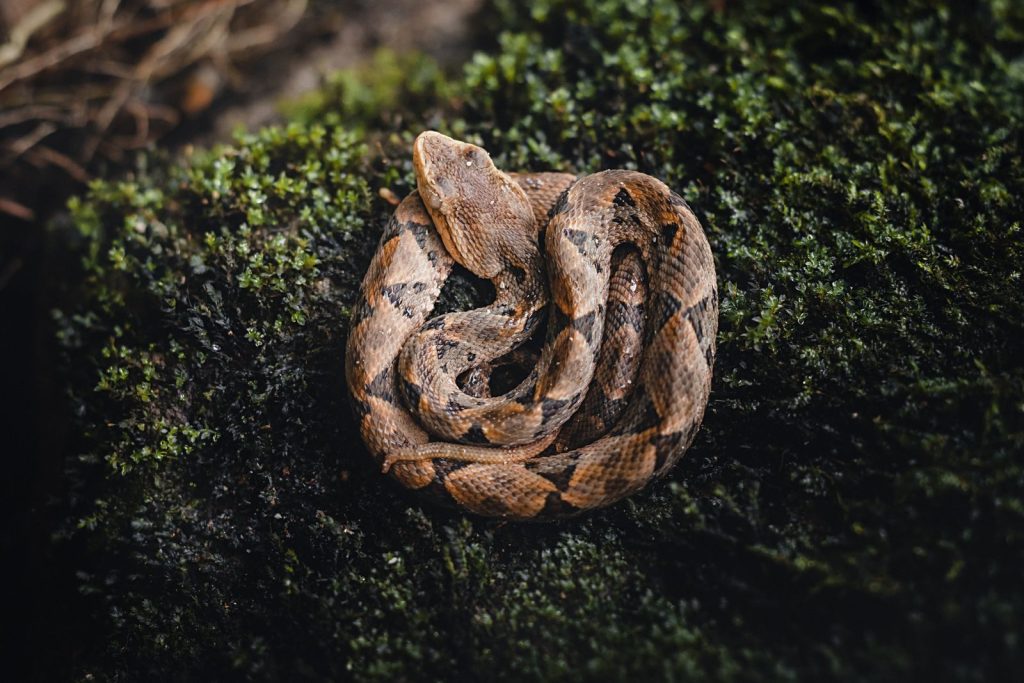
Cottonmouths are excellent swimmers that often live near swamps, marshes, rivers, and lakes. Their semi aquatic lifestyle increases the chances of encounters with humans in outdoor recreational areas.
Because they blend easily into muddy environments, people may accidentally approach them without noticing. Snake experts advise hikers and fishermen to remain cautious near shallow water habitats.
Cobra Bites Often Require Immediate Medical Attention
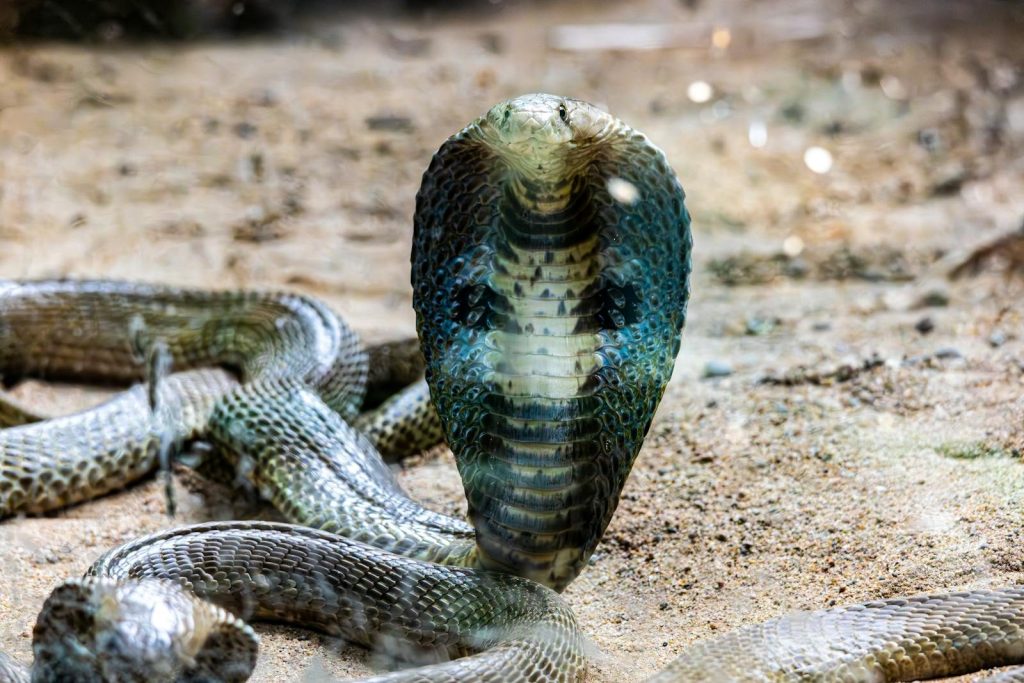
Cobra venom can spread through the body extremely fast, making rapid treatment critical after a bite. Victims may experience breathing difficulties, muscle weakness, and severe neurological symptoms within a short period.
Without antivenom, some cobra bites can become fatal quickly depending on the species involved. Medical professionals stress that immediate emergency care significantly improves survival rates.
Both Snakes Demand Respect In The Wild

Although cobras are generally considered more lethal overall, cottonmouths can still inflict dangerous bites that require urgent medical treatment. Experts say neither snake should ever be approached or provoked in its natural habitat.
Wildlife specialists encourage people to observe snakes from a safe distance whenever possible. Respecting these reptiles and understanding their behavior remains the best way to avoid dangerous encounters.